Acne Explained: The 6 Essential Principles Behind Acne-Prone Skin

Why Acne Remains So Misunderstood
Acne is often treated as a surface-level concern—something caused by the “wrong” products or poor hygiene. Yet for both clinicians and estheticians, acne-prone skin presents a far more complex picture. Why do some individuals experience persistent breakouts despite consistent care? And why do treatments that work for one person fail for another?
In this episode of Facially Conscious, our hosts explore the foundational biology of acne, unpacking six essential principles that shape how acne develops, behaves, and responds to treatment. Drawing from both medical and esthetic perspectives, this conversation reframes acne not as a problem to “fix,” but as a condition to understand and manage.
1. Acne Begins with Genetic Predisposition
At its core, acne-prone skin is largely influenced by genetics.
Two inherited tendencies play a central role:
- A predisposition to retention hyperkeratosis (RH), where dead skin cells do not shed properly
- A tendency toward higher oil (sebum) production
Instead of naturally exfoliating, skin cells accumulate and “stick” within the follicle. When combined with excess sebum, this creates the perfect environment for clogged pores to form.
2. Acne Is a Manageable Condition, Not a Curable One
One of the most important (and often overlooked) truths about acne is that there is no permanent cure.
While treatments can:
- Reduce breakouts
- Clear clogged pores
- Improve skin appearance
They do not eliminate the underlying genetic drivers.
When treatment stops, the skin often returns to its baseline behavior over time.
This reframes expectations for both professionals and clients:
Acne care is not about short-term correction—it’s about long-term management.
3. Hormones Directly Influence Oil Production
Hormones—particularly androgens—play a critical role in acne development.
These hormones:
- Bind to receptors in sebaceous glands
- Stimulate sebum production
- Increase the likelihood of pore congestion
This is why acne is often:
- Persistent during puberty
- Cyclical in adult women
- Resistant to topical treatments alone
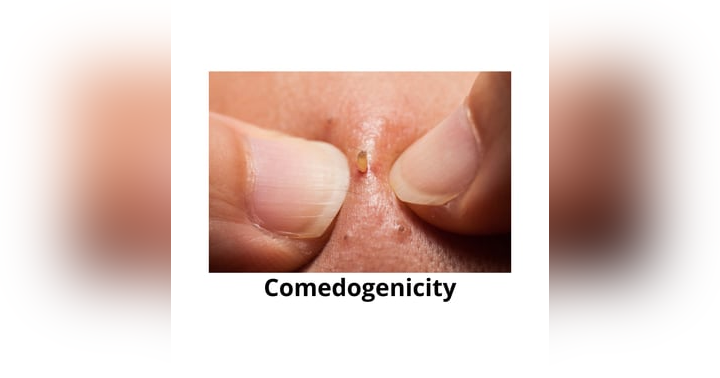
As sebum mixes with retained skin cells, it forms a dense plug within the follicle—commonly known as a comedo.
4. Acne Bacteria Thrive in Blocked, Oxygen-Poor Follicles
The skin naturally hosts bacteria, including Cutibacterium acnes (formerly P. acnes).
Under normal conditions:
- Oxygen flows freely within the follicle
- Bacterial growth remains balanced
But when a pore becomes clogged:
- Oxygen levels drop
- Bacteria multiply rapidly
These bacteria feed on sebum and produce byproducts that trigger inflammation within the follicle.
Important nuance:
Bacteria are not the root cause of acne—but they play a key role in its progression.
5. Not All Breakouts Are the Same: Understanding Comedones
Acne lesions begin as comedones, which fall into two categories:
Non-Inflammatory Comedones
- Open comedones (blackheads): Follicle remains open
- Closed comedones (whiteheads): Follicle opening is very small
Inflammatory Lesions
When pressure builds inside the follicle:
- The follicle wall can rupture
- The immune system responds
- Redness, swelling, and papules develop
Understanding this progression helps explain why early intervention matters—and why not all acne should be treated the same way.
6. Inflammation Is a Major Trigger for Acne Flares
Inflammation doesn’t just result from acne—it can actively worsen it.
Common triggers include:
- Overly aggressive treatments
- Harsh exfoliation or frequent peels
- Fragrance or sensitizing ingredients
- Excessive or improper extractions
These factors can:
- Irritate the follicle
- Disrupt normal function
- Trigger sudden breakouts (acnegenic reactions)
Clinical insight:
More treatment is not always better—especially for acne-prone skin.
Bridging Medical and Esthetic Perspectives
What makes acne particularly challenging is that it exists at the intersection of internal biology and external care.
- Medical insight helps us understand hormones, inflammation, and pathophysiology
- Esthetic practice focuses on barrier health, treatment tolerance, and consistency
When these perspectives work together, acne care becomes more precise, realistic, and effective.
Key Takeaways for Acne-Prone Skin
- Acne is influenced by genetics, hormones, bacteria, and inflammation
- Clogged pores (comedones) are the starting point of all acne lesions
- Treatments manage symptoms—but do not eliminate underlying causes
- Over-treatment can worsen acne through inflammation
- Long-term consistency is more effective than short-term intensity
Have a question? Send us an email at info@faciallyconscious.co
LIKE, FOLLOW & REVIEW US ON INSTAGRAM, & WHERE YOU LISTEN TO PODCASTS!
Visit our website www.faciallyconscious.com
Linktree | Facially Conscious
Join our new Patreon and Substack for more content from Facially Conscious
Follow Our Hosts On Instagram
Trina Renea - Medically-trained master esthetician and celebrities’ secret weapon
Linktree | Trina Renea, @trinareneaskincare, trinarenea.com and Substack
Julie Falls- Our educated consumer is here to represent you! @juliefdotcom
Dr. Vicki Rapaport -Board Certified dermatologist with practices in Beverly Hills and Culver City @rapaportdermatology and https://www.rapdermbh.com/
Comedogenicity Explained




