Comedogenicity Explained
If you've ever wondered why some skincare products cause breakouts while others keep your skin clear, you're not alone. Understanding comedogenicity is a key part of skincare education for anyone with clogged pores, blackheads, or acne-prone skin. In this episode of Facially Conscious, Comedogenicity Explained: What Causes Clogged Pores, Blackheads, and Skin Congestion hosts Trina Renéa, Dr. Vicki Rapaport, Rebecca Gadberry, and Julie Falls explain everything you need to know about pore-clogging ingredients and how to protect your skin.
What Does Comedogenic Actually Mean?
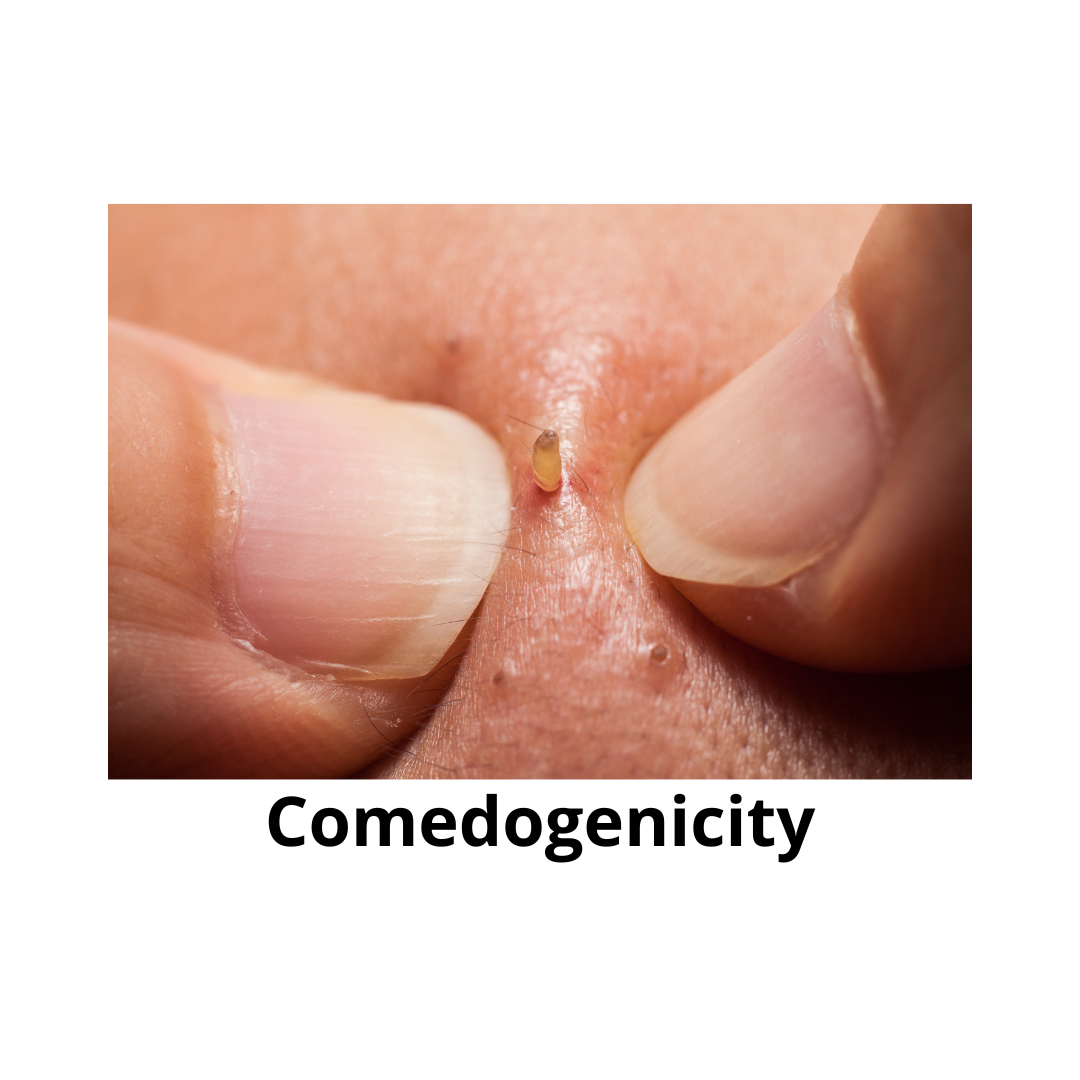
Let's review the basics. The term "comedogenic" originates from "comedone," which is the dermatology term for a clogged pore. As Dr. Vicki explains, comedones come in two types: closed comedones, also known as whiteheads, and open comedones, which are blackheads. When we say something is comedogenic, we mean it has the potential to clog your pores, whether visibly or at a microscopic level.
This is essential skincare advice for anyone building a routine, especially those with acne-prone or combination skin. Knowing which ingredients are comedogenic helps you make smarter choices about the products you use on your face.
The Science Behind Blackheads: Think of a Banana
One of the most memorable esthetician tips from this episode is Trina's banana analogy. Have you ever noticed how a peeled banana turns brown when exposed to air? That's oxidation, and it's exactly what happens with blackheads.
When sebum, the natural oil produced by your skin, gets trapped in a pore and is exposed to air at the surface, it oxidizes and turns black. That's why blackheads appear black on top but white underneath. The bottom part hasn't been exposed to oxygen, so it remains white, similar to the inside of a banana. This simple comparison helps make complex dermatology concepts understandable for everyone.
Dr. Vicki explains that blackheads are usually easier to extract than whiteheads because they don't have a layer of skin covering them. However, both experts strongly warn against DIY extraction at home.
Professional Extraction vs. At-Home Picking
Here's some critical skincare education: not everyone should be extracting their own comedones. Rebecca emphasizes that if you have a teenager who picks at their skin, taking them to an esthetician to learn proper technique is far better than letting them damage their skin. However, Dr. Vicki takes a more conservative approach, preferring not to teach patients extraction techniques at all because of the risk of scarring and infection.
The hosts also warn against using pore strips, especially for people with darker skin tones. Rebecca mentions that her husband used a pore strip in the 1990s, and the hyperpigmentation from where it pulled off his skin is still faintly visible today. This serves as a strong reminder that some popular skincare trends can cause long-lasting damage.
The Four Factors That Determine Comedogenicity
This is where the episode provides truly valuable ingredient deep dive information. Rebecca explains that just seeing a potentially comedogenic ingredient on a label doesn't automatically mean the product will clog your pores. There are four key factors to consider.
1. Quantity of the ingredient used: If a comedogenic ingredient appears in the top third of the ingredient list, it's present in higher concentrations (generally more than 5 percent) and is more likely to cause issues. If it's in the bottom half of the list (1 percent or less), it's much less likely to clog pores.
2. Presence of multiple comedogenic ingredients: One mildly comedogenic ingredient in a formula might be fine, but several together increase the risk.
3. Whether the ingredient is trapped on the skin: If a comedogenic ingredient is sealed onto your skin with something like petrolatum, it might be more problematic. However, silicones like dimethicone actually protect against oxidation rather than contribute to it.
4. Length of time on the skin and location on the body: A bath oil with comedogenic ingredients that you rinse off after 30 minutes is very different from a moisturizer you wear all day. Likewise, your face, back, chest, and the area between your breasts are more prone to clogged pores than your arms or legs.
Environmental Factors: Smoke and Smog
Here's something many people overlook: your environment influences comedogenicity. Tobacco smoke is a powerful oxidizer, whether you're the one smoking or just nearby someone who does. Rebecca cites research indicating that 78 percent of smokers develop actinic comedones, those small blackheads often linked to sun damage.
Living in areas with heavy smog, like Los Angeles, also exposes your skin to oxidants. That's why washing your face at night is recommended for healthy skin habits, although Rebecca points out that excessive scrubbing won't remove existing blackheads and might even make the problem worse.
Squalane vs. Squalene: Know the Difference
This distinction is essential for anti-aging skincare and acne prevention. Squalane (with an "a") is non-oxidizable and non-comedogenic. It is now sustainably sourced from olives or through fermentation. Squalene (with an "e"), however, is highly oxidizable and can clog pores. Remember: "A" is for anti-oxidizable.
Ingredients to Avoid and Better Alternatives
The episode reveals some surprising culprits. Coconut oil, despite being popular a few years ago, is highly comedogenic. Rebecca notes it clogs not just your pores but also your blood vessels, making it harmful for both skin and heart health. Trina shares a cautionary tale about watching a client's skin deteriorate after switching to coconut oil exclusively.
Cocoa butter is also highly comedogenic, which is important to know since many body lotions contain it. The better alternative? Shea butter, which is not comedogenic and offers excellent moisturization.
Some beneficial ingredients like ceramides are listed as moderately comedogenic. However, Rebecca explains that in products designed for acne-prone skin, these ingredients are used in lower concentrations and are generally safe.
Non-Comedogenic Claims and FTC Regulations
Here's important information for skincare consumers: when a product claims to be non-comedogenic, that claim should be supported by testing. According to Rebecca, the Federal Trade Commission requires companies to back up this claim with actual non-comedogenicity studies. While not all companies follow this ethical practice, especially smaller brands that may be unaware of the requirement, consumers can report false claims to the FTC or Better Business Bureau.
How to Tell If a Product Is Clogging Your Pores
It usually takes three to six weeks of using a product before you notice comedogenic effects. Dr. Vicki explains that if you're getting blackheads or whiteheads in unusual spots, not just on your nose or jawline, a product could be causing it.
Trina's professional tip: when testing new products, apply them to only half your face so you can compare results. If you suddenly get breakouts in areas where you don't normally break out, that's a red flag.
Key Takeaways for How Skincare Works
The hosts' takeaways perfectly summarize this essential skincare education:
Blackheads are completely normal and common
If you're prone to clogged pores, keep a list of highly comedogenic ingredients on your phone when shopping
Read product labels carefully, especially if you have acneic skin
Trust products that say "non-comedogenic" or "good for acne" on the label, but know that ethical companies back these claims with testing
If you don't typically get blackheads and have dry skin, you don't need to worry as much about comedogenic ingredients
The Facially Conscious team
Join our Substack: https://faciallyconscious.substack.com/subscribe
To read more from Trina Renéa, join her on Substack: https://trinarenea.substack.com/
Learn more about us: https://linktr.ee/faciallyconscious

The Skin Master
Co-host | When Trina Renea became an esthetician she realized the key to success was lifelong learning - a goal that sets her apart from most skin care practitioners.
For over 30 years, she’s explored the fields of cosmetic chemistry, medical esthetics, dermatology, and plastic surgery, becoming an expert in a wide expanse of professional skin care brands, equipment, and treatments. She is a member of the Society of Cosmetic Chemists with three certifications in cosmetic sciences from UCLA and continues to attend spa, medical, esthetic, and scientific conferences worldwide.
Now considered a skin master due to her broad expertise, Trina is a consultant to the Southern California beauty industry and medical esthetic community, selecting and training staff, developing treatments, guiding product selection, and helping professionals best serve their clients.
In 2004, she founded the Facial Bungalow, a clinical spa offering advanced skin care technologies where she continues to work one-on-one with clients to this day. In 2008 she created Trina Renea Skincare.

Fractional Lasers: What You Need to Know Before You Book