Fractional Lasers: What You Need to Know Before You Book
From the Facially Conscious Podcast
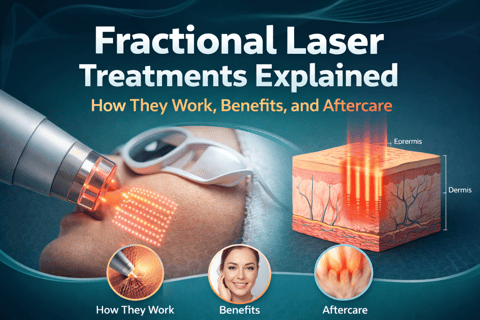
If you've been researching anti-aging skincare or solutions for acne scars and skin texture, you've probably heard about fractional lasers. But what exactly are they, and are they right for you? In this episode of Facially Conscious, Fractional Laser Treatments Explained: How They Work, Benefits, and Aftercare, esthetician Trina Renea, dermatologist Dr. Vicki Rapaport, and consumer advocate Julie Falls break down everything you need to know about fractional laser treatments, from how they work to who should avoid them.
What Is a Fractional Laser?
Before we dive into fractional lasers specifically, let's start with the basics. The word "laser" stands for Light Amplification by Stimulated Emission of Radiation. It's a medical term that describes how these devices use concentrated light energy to treat skin concerns.
Fractional lasers are non-invasive resurfacing treatments. The word "fractional" refers to how the laser light is separated into tiny columns of energy. Think of it like a checkerboard, as Trina explains to her clients. The black squares represent where the laser hits your skin, creating microscopic treatment zones. The white squares are your untreated skin, which helps heal the treated areas quickly.
This fractional approach allows the laser to go deep into the dermis (the deeper layer of skin) while leaving surrounding tissue intact. The treated columns coagulate and tighten, while the untreated areas help everything heal faster. The result? Improved skin texture, reduced pore size, diminished scars, and smoother wrinkles.
Fractional Lasers vs. CO2 Lasers: Understanding the Difference
Not all lasers are created equal, and this is important skincare education for anyone considering laser treatments.
CO2 lasers are ablative lasers, meaning they remove the entire top layer of skin (the epidermis). These are the strongest resurfacing lasers available. Dr. Vicki explains that CO2 lasers target water, and since every cell contains water, they essentially ablate every single cell they touch. The downtime is significant—think bandages, vinegar water washes, and staying home for weeks while your skin regenerates. There are now less-intense hybrid CO2 lasers like the Alma Hybrid and Cynosure Lutronic.
Fractional lasers, on the other hand, are non-ablative. They create controlled damage without removing the entire surface layer. You don't end up with open, ablated skin that looks like "hamburger meat," as Trina colorfully describes post-CO2 skin.
Types of Fractional Lasers: Fraxel vs. Clear + Brilliant
Within the fractional laser category, there are different intensity levels. The two most commonly discussed are Fraxel and Clear + Brilliant.
Fraxel is the stronger of the two. It penetrates more deeply into the skin and typically requires about 3 treatments to see significant results. It's better suited for addressing moderate-to-severe texture issues, deeper wrinkles, and more pronounced scarring.
Clear + Brilliant is a gentler option with minimal downtime. However, the hosts agree that it's really designed for younger patients with minimal skin concerns. Julie tried it and compared the results to a good facial with microdermabrasion—nice, but not life-changing. Given the cost (around $350 per treatment) and the need for monthly sessions indefinitely, the consensus is that there are often better options, such as consistent use of retinol or Retin-A.
Who Should Get Fractional Lasers?
This is crucial dermatology insight: fractional lasers are not for everyone.
The ideal candidates are people with Fitzpatrick skin types I through III. Dr. Vicki breaks this down simply:
Type I: Extremely fair skin, almost albino
Type II: Blonde hair, blue eyes, or redheads with freckles
Type III: Still very light-skinned but with slightly darker hair and eyes
If you have darker skin (types IV, V, or VI), fractional lasers carry a significant risk of hyperpigmentation (dark spots), hypopigmentation (light spots), or even scarring. This is one area where esthetician tips and medical advice strongly align: don't risk it.
Even if you have fair skin, if you tend to hyperpigment easily, proceed with extreme caution. Dr. Vicki shares a cautionary tale about a fair patient who developed tiny brown dots in a checkerboard pattern after treatment. While they eventually faded after a year, it wasn't worth the stress.
What Fractional Lasers Treat
Fractional lasers excel at addressing:
Skin texture irregularities
Acne scars
Fine lines and wrinkles
Enlarged pores
Overall skin resurfacing and tightening
Mild sun damage
However, they're not the best choice for treating brown spots or pigmentation. For those concerns, IPL (Intense Pulsed Light) or BBL (BroadBand Light) treatments are more effective because they specifically target pigment.
The Treatment Experience and Downtime
Most providers apply numbing cream before fractional laser treatments because the procedure can be uncomfortable. Some doctors also offer oral sedatives like Valium or laughing gas (Pro-Nox) for anxious patients.
The sensation during treatment is often described as tiny pinpricks of heat or fire on the skin. It's tolerable but not exactly pleasant.
Downtime for non-ablative fractional lasers ranges from one to seven days. You'll likely experience redness, roughness, and some sloughing (peeling). The good news is that most people can cover any redness with makeup within 24 hours and don't need to hide at home.
Post-Treatment Care: Sun Protection Is Everything
Here's where the hosts get serious about healthy skin habits. After a fractional laser treatment, sun protection isn't optional—it's mandatory.
Dr. Vicki emphasizes that sunscreen alone is not enough. You need to wear a hat and protective clothing. She personally wears crew neck shirts instead of V-necks to protect her chest from sun damage.
Trina shares her own experience of developing unexpected pigmentation after a laser treatment. She wore a scarf wrapped around her face for three weeks whenever she went outside, protecting her skin from even incidental sun exposure. While this might seem extreme, it worked—the pigmentation faded completely.
The science behind this is important to understand. Melanin cells live in your skin and move up and down for protection. When you tan, melanin rises to the surface to shield your skin from burning. When you're out of the sun, it retreats deeper. Laser treatments can temporarily push melanin down, making your skin look clearer. But if you go back in the sun, that melanin rushes right back up, and all your brown spots return.
This is why people who spend thousands on pigmentation treatments and then go on a sunny vacation often see all their spots come back. It's not that the treatment failed—it's that they didn't protect their investment.
Choosing the Right Provider
This is perhaps the most important skincare advice in the entire episode: be extremely careful about who performs your fractional laser treatment.
Trina warns that some doctors push fractional lasers on patients who shouldn't get them to make money from their expensive equipment. If something goes wrong, they may blame your skin rather than their poor patient selection.
When choosing a provider:
Go to a reputable dermatologist, not a place with questionable credentials and discounts
Ask to see before-and-after photos of actual patients (not stock photos from the laser company)
Check their Instagram if that's where they post results, but verify those are real patients
Get a thorough consultation where risks are honestly discussed
If the price seems too good to be true, it probably is
Cost Expectations
According to the American Society of Plastic Surgeons, the average cost for ablative laser resurfacing is around $2,500, while non-ablative treatments average about $1,400. However, prices vary significantly by location and provider.
In major metropolitan areas like Los Angeles and New York, expect to pay on the higher end of the spectrum.
The Prevention Message
All three hosts agree on one thing: prevention is better than correction. Dr. Vicki's biggest takeaway isn't even about fractional lasers—it's about stopping sun exposure early in life and protecting your skin consistently.
Julie stopped sunbathing at 18 after years of exposure to the Miami sun, and a doctor told her she had reversed much of the potential damage. Dr. Vicki stopped around 24. Both credit their early sun-protection habits with helping them avoid aggressive treatments later.
The message is clear: your perfect skin at 16, 17, or 18 doesn't last forever unless you protect it. Start wearing sunscreen, hats, and protective clothing now. Use retinol or Retin-A consistently. These simple, healthy skin habits will help you avoid expensive, risky procedures down the road.
Final Thoughts
Fractional lasers can be effective tools for skin resurfacing, texture improvement, and scar reduction—but they're not for everyone. Understanding how skincare works, knowing your skin type, choosing a qualified provider, and committing to sun protection afterward are all essential for success.
If you're considering a fractional laser treatment, do your homework. Ask questions. Be honest about your skin's tendency to pigment. And remember that sometimes the best treatment is prevention.
For more skincare education, esthetician tips, and dermatology insights from Trina, Dr. Vicki, and Julie, subscribe to the Facially Conscious podcast.
Join our Substack for exclusive skincare content and updates: https://faciallyconscious.substack.com/subscribe
To read more from Trina Reneá, join her on Substack: https://trinarenea.substack.com/
Connect with Facially Conscious: https://linktr.ee/faciallyconscious
The Skin Master
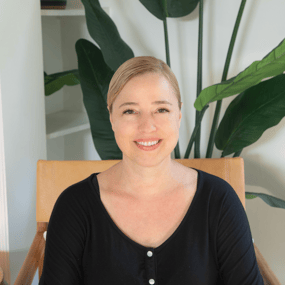
Co-host | When Trina Renea became an esthetician she realized the key to success was lifelong learning - a goal that sets her apart from most skin care practitioners.
For over 30 years, she’s explored the fields of cosmetic chemistry, medical esthetics, dermatology, and plastic surgery, becoming an expert in a wide expanse of professional skin care brands, equipment, and treatments. She is a member of the Society of Cosmetic Chemists with three certifications in cosmetic sciences from UCLA and continues to attend spa, medical, esthetic, and scientific conferences worldwide.
Now considered a skin master due to her broad expertise, Trina is a consultant to the Southern California beauty industry and medical esthetic community, selecting and training staff, developing treatments, guiding product selection, and helping professionals best serve their clients.
In 2004, she founded the Facial Bungalow, a clinical spa offering advanced skin care technologies where she continues to work one-on-one with clients to this day. In 2008 she created Trina Renea Skincare.

Honey in Skincare: The Sweet Science Behind This Ancient Ingredient