
Honey in Skincare: The Sweet Science Behind This Ancient Ingredient
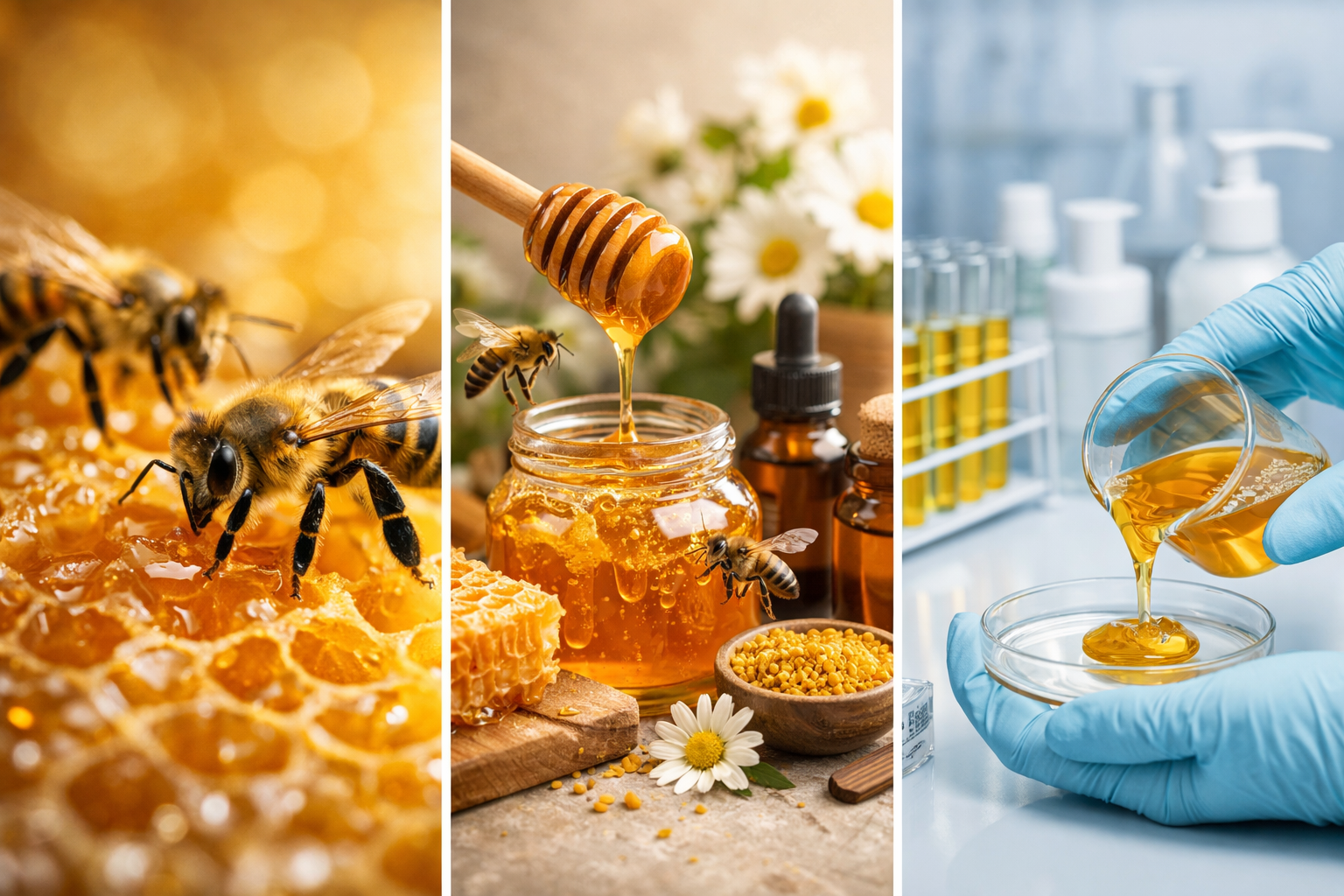
When you think about cutting-edge skincare ingredients, honey might not be the first thing that comes to mind. But this ancient ingredient is experiencing a major moment in modern skincare, and for good reason. While our ancestors used honey for wound healing and skin treatments thousands of years ago, today's scientists are uncovering exactly why this golden substance works so well for our skin.
In a recent episode of the Facially Conscious podcast, esthetician Trina Renea and cosmetic chemist Rebecca Gadberry sat down with two fascinating guests: Holly Moore, known as The Ingredientist and a passionate beekeeper, and Keith Roberts, co-founder of The Valley Hive. Together, they explored the science, benefits, and practical applications of honey in skincare. What they revealed might just change how you think about this humble ingredient.
Why Honey Is Trending in Skincare Right Now
Honey has been used in skincare for centuries, but it's experiencing a renaissance in the beauty industry. The reason? We're in an era when consumers demand transparency, natural ingredients, and products backed by real science. Honey checks all these boxes. It's a natural ingredient people recognize and trust, and it has legitimate scientific research supporting its benefits for skin health.
The clean beauty movement has put honey in the spotlight as consumers seek alternatives to synthetic ingredients. But unlike some natural ingredients that are more marketing hype than substance, honey actually delivers measurable results. This combination of being both natural and effective makes it perfect for today's skincare education-focused consumer.
The Science Behind Honey's Skin Benefits
So what makes honey so special for our skin? The answer lies in its unique chemical composition. Honey isn't just sugar and water. It's a complex substance containing more than 200 compounds, including enzymes, amino acids, vitamins, minerals, and organic acids.
One of honey's most impressive properties is its antimicrobial activity. Honey naturally produces hydrogen peroxide through an enzyme called glucose oxidase. This gives honey the ability to fight bacteria on the skin's surface, making it valuable for acne treatment and preventing infections in minor wounds. But the antimicrobial benefits don't stop there. Honey also has antifungal properties, which can help with certain skin conditions caused by fungal overgrowth.
The antioxidant properties of honey are another major benefit for anti-aging skincare. Antioxidants help protect skin cells from damage caused by free radicals, which contribute to premature aging. Different types of honey contain varying levels of antioxidants, with darker honeys generally packing more antioxidant power.
Honey is also a natural humectant, meaning it attracts and retains moisture. This makes it excellent for maintaining skin hydration and supporting the skin's natural barrier function. When your skin barrier is healthy, you're better protected against environmental stressors and less likely to experience irritation or sensitivity.
Different Types of Honey and Their Unique Benefits
Not all honey is created equal when it comes to skincare benefits. The type of flowers bees visit dramatically affects the properties of the honey they produce. Understanding these differences is crucial for both skincare professionals and consumers looking to make informed choices.
Manuka honey from New Zealand has become the superstar of skincare honey, and for good reason. It contains a unique compound called methylglyoxal (MGO), which gives it exceptionally strong antimicrobial properties. Manuka honey is graded using the UMF (Unique Manuka Factor) rating system, with higher numbers indicating stronger antimicrobial activity. This makes manuka honey particularly valuable for acne-prone skin and wound healing.
Buckwheat honey is a dark, robust honey that's rich in antioxidants. Research has shown that buckwheat honey contains high levels of phenolic compounds, which contribute to its antioxidant capacity. This makes it an excellent choice for anti-aging skincare formulations that protect the skin from oxidative stress.
Wildflower honey varies depending on the specific flowers in the region where it's produced. While it may not have the standardized properties of manuka honey, wildflower honey still offers antimicrobial and moisturizing benefits. It's often more affordable and sustainable, making it a practical choice for everyday skincare products.
Other varieties, such as acacia, clover, and orange blossom honey, each have their own unique profiles. The key is understanding that the botanical source matters significantly when formulating or choosing honey-based skincare products.
Groundbreaking Research on Honey Types
Dr. Ferhat Ozturk from the University of Texas has conducted fascinating research comparing different types of honey and their effects on skin. His work has helped establish scientific credibility for honey as a legitimate skincare ingredient rather than just a folk remedy.
Dr. Ozturk's research examined various honey types, analyzing their antimicrobial activity, antioxidant capacity, and effects on skin cells. His findings confirmed what beekeepers and natural skincare enthusiasts have long believed: different honeys have measurably different properties and benefits.
One of the most important takeaways from this research is that the processing and handling of honey matters enormously. Raw, unprocessed honey retains more of its beneficial enzymes and compounds compared to honey that's been heated or heavily filtered. This is crucial information for skincare education and helps explain why some honey products work better than others.
The research also highlighted that honey's benefits aren't just about what it contains, but how those compounds work together synergistically. This complexity makes honey difficult to replicate with synthetic ingredients, which is part of why it remains so valuable in natural skincare formulations.
You can find his work through the following channels:
Academic Publications: Dr. Ozturk published a 2024 book chapter/systematic review titled "A Systematic Review of Honey's Benefits for Burn Wound Treatment" in the book Health Benefits of Honey and Propolis (IntechOpen).
UTSA HONEY Pathway Website: The official site details the research, student projects, and news regarding his work on finding U.S.-based honey to treat MRSA and other bacterial infections.
LinkedIn/ResearchGate: Dr. Ozturk shares his publications and findings on his LinkedIn profile and ResearchGate.
Media Features: His research has been covered by UTSA Sombrilla Magazine and in interviews on YouTube regarding the use of Texas honey.
Honey for Acne and Skin Conditions: Practical Applications
For estheticians and skincare professionals, understanding how to use honey practically is essential. Honey's antimicrobial properties make it particularly useful for acne treatment, but the application method matters.
Honey can be used as a spot treatment for active breakouts. Its antimicrobial action helps reduce bacteria on the skin's surface, while its anti-inflammatory properties can help calm redness and irritation. Some estheticians incorporate honey into facial treatments, using it as a mask or mixing it with other natural ingredients for enhanced benefits.
For clients with sensitive or compromised skin barriers, honey's gentle nature makes it an excellent option. Unlike some acne treatments that can be harsh and drying, honey provides antimicrobial benefits while simultaneously supporting skin hydration. This makes it suitable for people who struggle with both acne and dryness—a common combination that's challenging to treat.
Honey has also shown promise for other skin conditions, including eczema and psoriasis. While it's not a cure, its moisturizing and anti-inflammatory properties can help soothe irritated skin and support the healing process. However, it's important to note that people with severe skin conditions should work with a dermatologist and use honey as a complementary approach rather than a replacement for medical treatment.
When recommending honey-based products or treatments, skincare professionals should consider the client's specific skin type and concerns. Manuka honey might be the best choice for someone with persistent acne, while a lighter wildflower honey might be more appropriate for someone simply looking for hydration and antioxidant benefits.
Ethical Sourcing and Identifying Quality Honey in Products
As honey becomes more popular in skincare, ethical sourcing has become a critical concern. Bees are essential pollinators facing numerous threats, including habitat loss, pesticides, and climate change. Supporting beekeepers who practice sustainable, bee-friendly methods isn't just good ethics—it's essential for ensuring we have bees in the future.
Keith Roberts from The Valley Hive emphasized the importance of knowing where your honey comes from. Small-scale, local beekeepers often practice more sustainable methods than large commercial operations. They're more likely to avoid harmful pesticides, provide diverse forage for their bees, and handle honey in ways that preserve its beneficial properties.
When evaluating honey in skincare products, look for these quality indicators:
Raw or minimally processed honey retains more beneficial enzymes and compounds. Heat processing can destroy some of honey's most valuable properties, so products that use raw honey are generally superior.
Clear sourcing information is a good sign. Brands that tell you where their honey comes from and how it's produced are more likely to be using quality ingredients. Vague terms like "pure honey" without additional details should raise questions.
Appropriate certifications can indicate quality and ethical practices. For manuka honey, look for UMF certification. Organic certifications, while challenging to obtain for honey, indicate that the beekeeper follows strict guidelines about pesticide use and bee treatment.
Honey's position in the ingredient list matters too. In skincare formulations, ingredients are listed in descending order by concentration. If honey is near the end of a long ingredient list, there may not be enough present to provide significant benefits.
Be wary of products that claim to contain honey but list "honey extract" or "honey fragrance" instead of actual honey. These processed versions may not provide the same benefits as real honey.
Other Bee-Derived Ingredients in Skincare
Honey isn't the only beneficial ingredient produced by bees. Several other bee-derived ingredients have found their way into skincare formulations, each with unique properties.
Royal jelly is a nutrient-rich substance that worker bees produce to feed the queen bee. It's packed with proteins, vitamins, and fatty acids. In skincare, royal jelly is valued for its potential anti-aging benefits and its ability to support skin regeneration. Some research suggests it may help with collagen production, making it popular in anti-aging skincare products.
Propolis is a resinous substance that bees collect from tree buds and use to seal and protect their hives. It has powerful antimicrobial and anti-inflammatory properties, often stronger than those of honey. Propolis has become increasingly popular in Korean skincare and is now appearing in Western products as well. It's particularly beneficial for acne-prone skin and can help calm inflammation.
Bee venom might sound intimidating, but it's gained attention for its potential anti-aging benefits. When applied topically in controlled amounts, bee venom may stimulate blood circulation and collagen production. Some people claim it provides a natural "plumping" effect similar to injectable treatments, though more research is needed to fully understand its effects.
Beeswax is perhaps the most commonly used bee-derived ingredient in skincare. It's an excellent emollient and helps create protective barriers on the skin. Beeswax is often used in lip balms, lotions, and creams to lock in moisture and protect skin from environmental stressors.
When incorporating these ingredients into your skincare routine or professional treatments, it's important to consider potential allergies. While rare, some people are allergic to bee products. Always patch test new products, especially those containing bee venom or propolis.
Key Takeaways for Consumers and Professionals
The science behind honey in skincare reveals why this ancient ingredient deserves its modern renaissance. Here are the essential points to remember:
Honey is scientifically validated. It's not just a natural ingredient with anecdotal benefits—research supports its antimicrobial, antioxidant, and moisturizing properties. This makes it a credible choice for evidence-based skincare routines.
Not all honey is equal. The type of honey matters significantly. Manuka honey offers the strongest antimicrobial benefits, while darker honeys like buckwheat provide more antioxidants. Understanding these differences helps you choose the right products for specific skin concerns.
Processing affects potency. Raw, minimally processed honey retains more beneficial compounds than heavily processed versions. When selecting honey-based products, look for brands that prioritize quality sourcing and minimal processing.
Ethical sourcing matters. Supporting sustainable beekeeping practices isn't just about feeling good—it helps ensure the quality of honey and protects bee populations that are essential to our ecosystem.
Honey works for multiple concerns. From acne treatment to anti-aging to simple hydration, honey's versatility makes it valuable for a range of skin types and concerns. This makes it an excellent ingredient for both professional treatments and at-home skincare routines.
Other bee ingredients offer additional benefits. Propolis, royal jelly, bee venom, and beeswax each bring unique properties to skincare formulations.
For skincare professionals, honey and bee-derived ingredients offer natural, effective options that clients increasingly seek. Understanding the science behind these ingredients allows you to make informed recommendations and create treatments that deliver real results.
For consumers, knowing what to look for in honey-based products empowers you to make better choices. Don't just grab any product labeled "honey"—look for quality indicators, understand the type of honey used, and consider the brand's commitment to ethical sourcing.
The conversation around honey in skincare is part of a larger movement toward ingredients that are both natural and scientifically supported. As we continue to learn more about how natural ingredients interact with our skin, honey stands out as a perfect example of ancient wisdom meeting modern science. Whether you're dealing with acne, looking for natural anti-aging solutions, or simply want to support healthy skin habits, honey-based skincare deserves a place in your routine.
Ready to Dive Deeper into Skincare Education?
👉 Join our Substack for exclusive skincare insights and episode breakdowns.
👉 Read more from Trina Renea on her Substack for esthetician tips and skincare advice.
👉 Connect with us on all platforms to stay facially conscious.

The Skin Master
Co-host | When Trina Renea became an esthetician she realized the key to success was lifelong learning - a goal that sets her apart from most skin care practitioners.
For over 30 years, she’s explored the fields of cosmetic chemistry, medical esthetics, dermatology, and plastic surgery, becoming an expert in a wide expanse of professional skin care brands, equipment, and treatments. She is a member of the Society of Cosmetic Chemists with three certifications in cosmetic sciences from UCLA and continues to attend spa, medical, esthetic, and scientific conferences worldwide.
Now considered a skin master due to her broad expertise, Trina is a consultant to the Southern California beauty industry and medical esthetic community, selecting and training staff, developing treatments, guiding product selection, and helping professionals best serve their clients.
In 2004, she founded the Facial Bungalow, a clinical spa offering advanced skin care technologies where she continues to work one-on-one with clients to this day. In 2008 she created Trina Renea Skincare.

Comedogenicity Explained




