IPL & BBL Photofacial Explained: Best Laser for Brown Spots, Redness
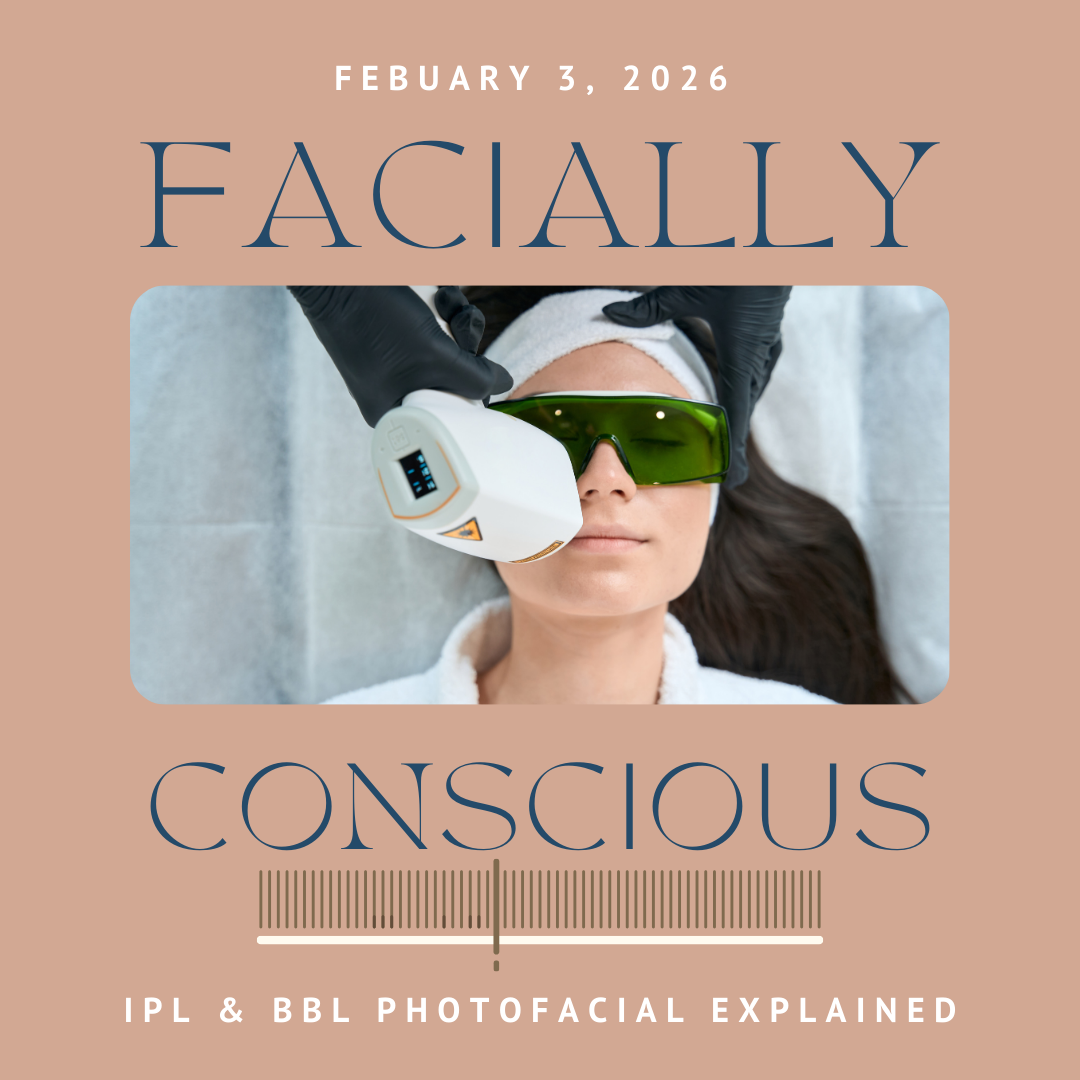
If you've ever wondered how to tackle stubborn brown spots, broken capillaries, or uneven skin tone, you're not alone. In this episode, IPL vs BBL Explained: Photo Rejuvenation Treatments, Skin Concerns, and What to Expect at Facially Conscious, hosts Trina Renea, esthetician and skincare expert, Dr. Vicki Rapaport, board-certified dermatologist, and Julie Falls, beauty industry veteran, break down everything you need to know about IPL and BBL photofacials. These laser treatments have become go-to solutions for achieving clearer, more even-toned skin, but understanding how they work and what to expect is essential before booking your first appointment. This comprehensive guide will walk you through the science, the process, and the real-world results of these popular anti-aging skincare treatments.
What Is IPL and How Does It Work?
IPL stands for Intense Pulsed Light, and it's one of the most versatile treatments in modern dermatology and esthetics. Unlike traditional lasers that emit a single wavelength of light, IPL uses a broad spectrum of light wavelengths to target multiple skin concerns simultaneously. The technology works through a process called selective photothermolysis, which sounds complicated but simply means that specific wavelengths of light are absorbed by specific targets in your skin.
The three main targets for IPL are melanin (the brown pigment in age spots and sun damage), hemoglobin (the red pigment in blood vessels), and water (found in skin tissue). When light energy is absorbed by these targets, it converts to heat, destroying unwanted pigment or blood vessels without damaging the surrounding skin. This makes IPL a true workhorse in skincare education and laser treatment. It's non-ablative, meaning it doesn't remove the top layer of skin like some more aggressive laser treatments do, resulting in less downtime and a more comfortable recovery.
What Can IPL Treat?
The beauty of IPL lies in its versatility. This treatment excels at addressing brown spots caused by sun damage, also known as solar lentigines or age spots. These are the flat, brown patches that appear on areas frequently exposed to the sun, like your face, hands, chest, and shoulders. IPL is also highly effective for treating redness caused by broken capillaries, rosacea, and general facial flushing. The treatment can target those tiny red blood vessels that create an uneven, ruddy complexion.
Beyond treating pigmentation and redness, IPL can be used for hair removal, though this is typically done with specific settings and multiple sessions. One of the most sought-after results of IPL is what practitioners call "porcelain skin"—a smooth, even-toned complexion that appears naturally flawless. The treatment provides overall color correction, helping to create a more uniform skin tone. For those seeking comprehensive skincare advice and esthetician tips, IPL often becomes a cornerstone of a long-term, healthy skin routine.
Does It Hurt?
Let's be honest about the sensation. Most people describe IPL as feeling like a rubber band snapping against the skin. It's not excruciating, but it's not exactly comfortable either. The good news is that the discomfort is brief and tolerable for most patients. For those with low pain tolerance or when treating sensitive areas, numbing cream can be applied before treatment to minimize discomfort.
Julie Falls shared her personal experience getting IPL on her hands, noting that while it wasn't painless, it was definitely manageable. The hands can be particularly sensitive because the skin is thinner there, but the results are often dramatic enough to make the temporary discomfort worthwhile. Because IPL is a non-ablative treatment, you're not dealing with the intense pain or prolonged recovery associated with more aggressive laser resurfacing procedures. The treatment itself typically takes between 15 to 30 minutes, depending on the size of the area being treated.
IPL vs. Liquid Nitrogen for Brown Spots
Many people are familiar with liquid nitrogen treatments, where a dermatologist freezes individual brown spots with a cold spray or applicator. While this method can be effective for isolated spots, IPL offers several advantages that make it a more sophisticated choice for many patients. Liquid nitrogen works by freezing the pigmented cells, causing them to die and eventually slough off. However, this method can be risky, especially when treating larger areas or multiple spots.
The freezing process can sometimes cause hypopigmentation, leaving white spots where the brown spots used to be. This is particularly problematic for people with darker skin tones. IPL, on the other hand, allows for more controlled treatment of larger areas and multiple spots simultaneously. The technology is more precise, reducing the risk of creating new pigmentation problems while solving existing ones. For comprehensive pigmentation treatment, IPL provides a safer, more even result across broader areas of skin. This is why dermatology insights increasingly favor IPL for patients with widespread sun damage rather than spot-treating individual lesions with liquid nitrogen.
How Many Treatments Do You Need?
This is one of the most common questions patients ask, and the answer depends on your starting point and your goals. Most people see significant improvement with one to three initial treatments, spaced six to eight weeks apart. This timing allows your skin to heal completely between sessions and for the full results of each treatment to become visible.
After your initial series, maintenance treatments are typically recommended annually to prevent new sun damage and signs of aging. However, the hosts warn against a common industry practice: some clinics sell packages of six treatments at very low settings. This approach requires more sessions because each individual treatment is less effective. It's better to have fewer treatments at appropriate settings with an experienced provider than to commit to multiple weak treatments that may not deliver the results you're hoping for. This is crucial skincare education that can save you both time and money.
Cost and What to Expect
IPL treatments vary widely in price, typically ranging from $200 to $1,000 per session. Several factors influence cost, including the provider's experience and credentials, the practice's geographic location, and the size of the area being treated. A full-face treatment will cost more than treating just the hands or chest.
While it might be tempting to choose the least expensive option, remember that laser treatments require skill and experience to perform safely and effectively. An inexperienced provider can cause burns, scarring, or worsened pigmentation. When it comes to laser treatments and anti aging skincare procedures, you truly get what you pay for. Investing in a qualified dermatologist or experienced medical esthetician working under physician supervision is worth the extra cost for the safety and results you'll receive.
Who Is a Good Candidate?
IPL works best on fair skin types, specifically Fitzpatrick skin types I through III. The Fitzpatrick scale classifies skin types based on how they respond to sun exposure, ranging from type I (very fair skin that always burns) to type VI (very dark skin that never burns). IPL is most effective on lighter skin because the light energy targets pigment, reducing the risk of the treatment affecting the skin's natural melanin.
People with darker skin tones (Fitzpatrick types IV through VI) need to be extremely cautious with IPL. In these cases, the treatment can potentially cause hyperpigmentation or hypopigmentation if not performed correctly with appropriate settings. This doesn't mean darker skin types can never have IPL, but it requires an exceptionally experienced provider who understands how to adjust the settings appropriately.
One important caution mentioned by the Facially Conscious team is regarding melasma, a type of pigmentation that's often hormonally triggered. There's something called the "rule of threes" with melasma and laser treatments: one-third of patients improve, one-third stay the same, and one-third get worse. If you have melasma, discuss this carefully with your dermatologist before proceeding with IPL.
Aftercare and Downtime
Understanding what happens after your IPL treatment is essential for managing expectations and ensuring optimal results. Immediately after treatment, you'll likely experience redness and some swelling, similar to a mild sunburn. This typically subsides within a few hours to a day. The real magic happens in the days following treatment.
Those brown spots you wanted to eliminate will actually darken first, looking like coffee grounds on your skin. This can be alarming if you're not expecting it, but it's completely normal and actually a sign that the treatment is working. Over the next seven to ten days, these darkened spots will gradually flake off and slough away, revealing clearer skin underneath. Some people describe it as having tiny scabs that eventually peel off.
Sun protection is absolutely essential after IPL treatment. Your skin is more vulnerable to sun damage during the healing process, and sun exposure can cause new pigmentation or interfere with your results. Wear a broad-spectrum sunscreen with at least SPF 30 every day, and consider wearing a wide-brimmed hat when outdoors. Avoid direct sun exposure whenever possible for at least two weeks after treatment. This is non-negotiable if you want to protect your investment and maintain your results.
BBL: The Newer Technology
BBL stands for BroadBand Light and is an advanced version of IPL. While IPL uses a single xenon flash lamp to generate light, BBL uses two xenon flash lamps, enabling more consistent energy delivery and potentially more effective treatments. The technology targets the same skin concerns as IPL—brown spots, redness, broken capillaries, and overall skin tone improvement.
BBL treatments tend to be more expensive than traditional IPL, and some practitioners believe they deliver superior results. However, the hosts emphasize that the technology is only as good as the person operating it. An experienced IPL provider can achieve excellent results, whereas an inexperienced provider using the latest BBL technology may not. When researching laser treatments and seeking dermatology insights, focus on finding a skilled, experienced provider rather than simply chasing the newest technology.
The Bottom Line: Key Takeaways
Before you book your IPL or BBL photofacial, here are the essential points to remember. First, these treatments are not permanent solutions. While they can dramatically improve sun damage and pigmentation, they don't stop the aging process or prevent new damage from occurring. You'll need maintenance treatments and diligent sun protection to maintain your results.
Speaking of sun protection, this cannot be emphasized enough. Daily sunscreen use and sun avoidance are critical for preserving your results and preventing new damage. Without proper sun protection, you'll simply be creating new brown spots and redness while treating the old ones.
Choosing an experienced provider is paramount. Look for a board-certified dermatologist or a highly trained medical esthetician working under physician supervision. Ask about their experience with your specific skin type and concerns. Don't be swayed by discount packages or deals that seem too good to be true.
Fair skin types are the best candidates for these treatments, while darker skin types need extra caution and expertise. If you have melasma, have a thorough discussion with your dermatologist about the risks and benefits before proceeding.
Finally, avoid sun exposure after treatment. Your skin needs time to heal, and sun exposure during this vulnerable period can compromise your results or cause new pigmentation issues. Plan your treatments during times when you can stay out of the sun, and always have a good hat and sunscreen on hand.
IPL and BBL photofacials are among the most effective non-invasive treatments for improving skin tone, reducing pigmentation, and achieving a coveted porcelain complexion. With the right provider, realistic expectations, and proper aftercare, these treatments can be transformative for your skin. The key is education, preparation, and commitment to healthy skin habits that will protect and maintain your results for years to come.
To hear the full conversation and all the stories shared by the Facially Conscious team, listen to the complete episode, IPL vs BBL Explained: Photo Rejuvenation Treatments, Skin Concerns, and What to Expect at Facially Conscious.
Join our Substack
Get exclusive skincare education and insights delivered to your inbox.
Subscribe to Facially Conscious on Substack
Read More from Trina Renea
Dive deeper into esthetician expertise and skincare advice.
Follow Trina on Substack
Connect With Us
Find all our links, episodes, and resources in one place.
Visit our Linktree
The Skin Master
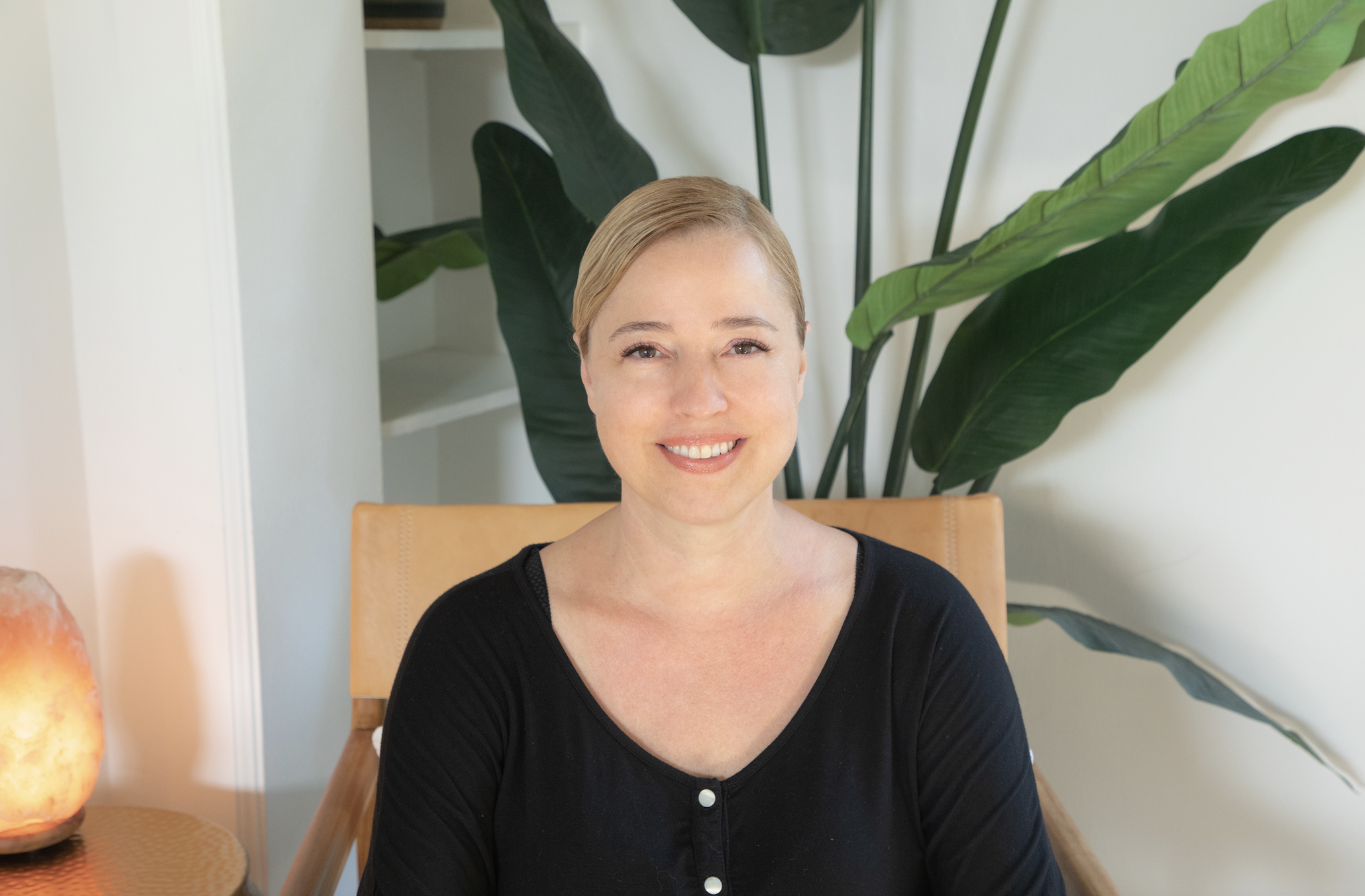
Co-host | When Trina Renea became an esthetician she realized the key to success was lifelong learning - a goal that sets her apart from most skin care practitioners.
For over 30 years, she’s explored the fields of cosmetic chemistry, medical esthetics, dermatology, and plastic surgery, becoming an expert in a wide expanse of professional skin care brands, equipment, and treatments. She is a member of the Society of Cosmetic Chemists with three certifications in cosmetic sciences from UCLA and continues to attend spa, medical, esthetic, and scientific conferences worldwide.
Now considered a skin master due to her broad expertise, Trina is a consultant to the Southern California beauty industry and medical esthetic community, selecting and training staff, developing treatments, guiding product selection, and helping professionals best serve their clients.
In 2004, she founded the Facial Bungalow, a clinical spa offering advanced skin care technologies where she continues to work one-on-one with clients to this day. In 2008 she created Trina Renea Skincare.

Fractional Lasers: What You Need to Know Before You Book