Ozempic Face: What It Really Is (And How to Prevent It)
Listen to the full episode: Facially Conscious Podcast
If you've heard the term "Ozempic face" floating around social media or in skincare circles, you're not alone. It's become one of the most talked-about concerns in the beauty and wellness industry. But here's the truth right out of the gate: it's not Ozempic's fault.
In this episode of Facially Conscious, hosts Trina Renea, a medically trained master esthetician, and Rebecca Gadberry, a skincare scientist and regulatory expert, break down what Ozempic face really is, why it happens, and most importantly, how you can prevent it. Whether you're considering GLP-1 medications, intermittent fasting, or any form of weight loss, this skincare advice is essential for maintaining healthy skin habits throughout your journey.
What Is Ozempic Face?
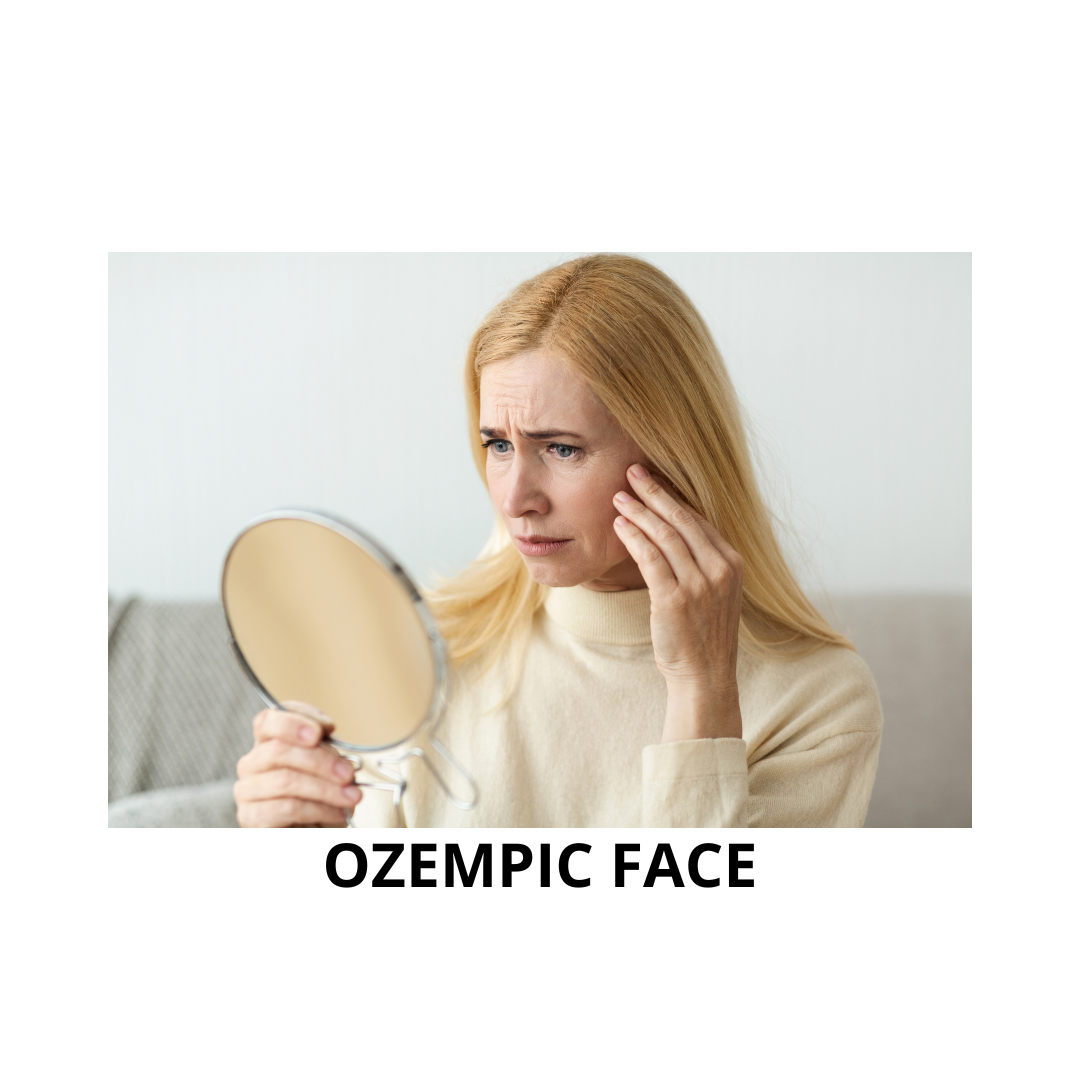
"Ozempic face" refers to the gaunt, hollow, and aged appearance that can occur when someone loses weight too quickly. The term has become popular because many people using GLP-1 medications like Ozempic, Mounjaro, and similar drugs have experienced this effect. However, as Trina emphasizes in the episode, the medication itself isn't causing the problem.
"It's not those drugs that are causing that problem. It's how you're doing it," Trina explains.
The real culprit? Rapid weight loss. When you lose weight too fast, your skin doesn't have time to adjust. Rebecca compares it to a balloon: "When you blow up a balloon and then you let out all the air, the balloon never returns back to what it was originally."
Your skin is an elastic, stretchable organ. When the fat pads underneath your skin—located under your eyes, cheeks, around your mouth, and on your forehead—disappear too quickly, the skin collapses. This creates that hollowed-out, aged appearance that people are calling Ozempic face.
Why Rapid Weight Loss Affects Your Skin
Understanding the science behind this phenomenon is key to preventing it. Your skin relies on subcutaneous fat to maintain its plump, youthful appearance. These fat pads don't typically thin out until advanced age, usually in your 80s or 90s. When you lose them rapidly through crash dieting, intermittent fasting done incorrectly, or taking weight loss medications without proper nutrition, your skin takes on an unhealthy, aged look.
Rebecca, who lost 40 pounds through intermittent fasting, shares her own experience: "It took me about a year to a year-and-a-half to recover." This recovery time varies based on several factors:
Your age: Younger skin is more resilient and snaps back faster
The amount of weight lost: Losing 200 pounds takes longer to recover from than losing 30 pounds
Your genetics: Some people naturally have more elastic skin
Your nutrition: What you eat during weight loss dramatically affects your skin's ability to maintain its structure
The Role of Protein in Preventing Ozempic Face
One of the most critical takeaways from this episode is the importance of protein. When you're losing weight, your body needs quality protein to maintain the collagen and elastin in your skin. These are the key proteins that keep your skin firm and elastic.
Rebecca recommends getting "at least 0.8 grams to 1.2 grams per pound or kilo of body weight in every meal." This isn't just about meat—quality protein sources include:
Eggs
Fish
Dairy products
Soy
Legumes like beans
The combination of beans and rice (which creates a complete amino acid profile)
If you're struggling to get enough protein, protein shakes or protein bars can help fill the gap. The key is consistency across all your meals, not just one protein-heavy meal per day.
Don't Skip the Fats
Many people trying to lose weight make the mistake of cutting out all fats and oils. This is a critical error for your skin health. Healthy fats help maintain your skin's barrier function and keep your cell membranes healthy.
Rebecca personally consumes "about a tablespoon to two tablespoons of olive oil every day, or about that much in fats or lipids per day." Healthy fat sources include:
Avocado
Olive oil
Quality butter (which research now suggests may be better than margarine)
Nuts and seeds
When you cut out too much fat, your skin becomes drier and more sensitive because the barrier is damaged. This compounds the appearance issues you're already facing from rapid weight loss.
Hydration and Electrolytes Matter
Dehydration makes everything worse. When you're dehydrated, your skin looks crepey and feels tight. When you press on it, it doesn't spring back—it drags.
Signs you need more water:
Darker urine
Crepey-looking skin
Skin that feels tight
Loss of skin plumpness
Don't forget about electrolytes. As Trina mentions, if you don't like sweet electrolyte drinks, you can add a small amount of mineralized salt to your water once a day. There are also electrolyte powders available that can help maintain proper hydration levels.
For more detailed information on hydration and minerals, check out the Facially Conscious episode, "Dive into Radiant Skin: Discover the Hidden Benefits of Oceanic Ingredients with Biologist Dan Fryda," about seaweed and mineral supplementation.
Skincare Ingredients That Can Help
If you're planning to start a weight loss journey or you're already experiencing some skin laxity, certain skincare ingredients can help support your skin's structure:
Peptides
Peptides are short chains of amino acids that signal your skin to produce more collagen and elastin. They're essential for maintaining skin firmness during weight loss.
Growth Factors
Rebecca specifically mentions Peauvita and Peauforia growth factors, which are stabilized and effectively delivered into the skin. These growth factors help stimulate collagen production and skin repair. Hear more about this at Next-Gen Growth Factors
Retinoids
Retinoids increase cell turnover and stimulate collagen production, making them valuable allies in maintaining skin structure during weight loss.
Niacinamide
At concentrations of 4% to 7%, niacinamide supports multiple aspects of skin health, including barrier function and collagen production.
Exosomes
This new ingredient family supports protein synthesis in the skin and helps maintain barrier function.
Ceramides
These lipids are crucial for maintaining your skin's barrier, especially important when you're losing weight and your skin is under stress.
What NOT to Do: The Botox Warning
Here's an important caution: Botox and similar neuromodulators are not the solution for Ozempic face. These injectables work by relaxing muscles, which can actually make sagging worse.
"Botox will relax the muscles in your face further. And if they're already drooping, it will add to the droop," Trina warns.
If you're experiencing significant skin laxity from rapid weight loss, you may be considering options such as dermal fillers (particularly Sculptra for volumizing), threading, or, in severe cases, surgical intervention. But these are last resorts—prevention is always better.
The Mediterranean and Diabetic Diet Approach
Both hosts emphasize eating a balanced, nutritious diet. Trina, who has been on Ozempic for a year for diabetes management, hasn't experienced Ozempic face because she goes slowly and eats healthily.
"If you eat your proteins with your fat and your carbs all together in each meal and you eat healthy and you go slow with your GLP-1 medications, you won't have that problem," she explains.
Mediterranean and diabetic diets are excellent frameworks because they emphasize:
Balanced macronutrients at every meal
Quality proteins
Healthy fats
Complex carbohydrates
Plenty of vegetables and nutrients
How to Approach GLP-1 Medications Safely
If you're considering Ozempic, Mounjaro, or similar medications, here's the anti-aging skincare approach:
Start with lower doses and increase gradually
Prep your skin for one to two months before starting with collagen-boosting ingredients
Eat a balanced diet with adequate protein, healthy fats, and nutrients at every meal
Go slow with your weight loss—resist the temptation to see results too quickly
Use supportive skincare with peptides, growth factors, and retinoids
Stay hydrated and maintain electrolyte balance
Monitor your skin and adjust your approach if you notice early signs of laxity
Recovery Time: What to Expect
If you've already experienced some degree of Ozempic face, recovery is possible, but it takes time. The recovery period depends on:
Age: Younger skin (20s) recovers much faster than mature skin (60s and beyond)
Amount of weight lost: More weight loss means longer recovery time
Skin resilience: Genetics play a role in how quickly your skin bounces back
Nutrition: Continuing to eat well supports the recovery process
Recovery can take anywhere from three to six months for modest weight loss in younger individuals, to a year and a half or more for significant weight loss in older adults.
The Bottom Line on Ozempic Face
The Ozempic face is really just a rapid weight-loss face. It's an issue about tissue—specifically, the subcutaneous fat tissue that keeps your skin looking plump and youthful. The solution isn't to avoid weight loss or these medications if you need them. The solution is to approach weight loss intelligently, with proper nutrition, adequate protein and healthy fats, supportive skincare ingredients, and patience.
As Rebecca wisely notes, "I think a lot of us want to see results so fast that we overdo it and then we pay the price for it."
This tip applies to so much in skincare and wellness: slow and steady wins the race. Your skin is a living organ that needs time to adapt to changes in your body. Give it time, feed it the nutrients it needs, and support it with quality skincare ingredients, and you can achieve your weight-loss goals without sacrificing your skin's health and appearance.
For more skincare education and dermatology insights, visit Facially Conscious, where you can access additional episodes, blog posts, and expert interviews on everything from ingredient deep dives to the latest in healthy skin habits.
Have questions about this episode or topics you'd like the hosts to cover? Email them at info@faciallyconscious.com or reach out through Instagram @FaciallyConscious.
Ready for more skincare advice and ingredient education?
👉 Join our Substack: https://faciallyconscious.substack.com/subscribe
👉 To read more from Trina Renea, join her on Substack: https://trinarenea.substack.com/
👉 Connect with Facially Conscious: https://linktr.ee/faciallyconscious
The Skin Master
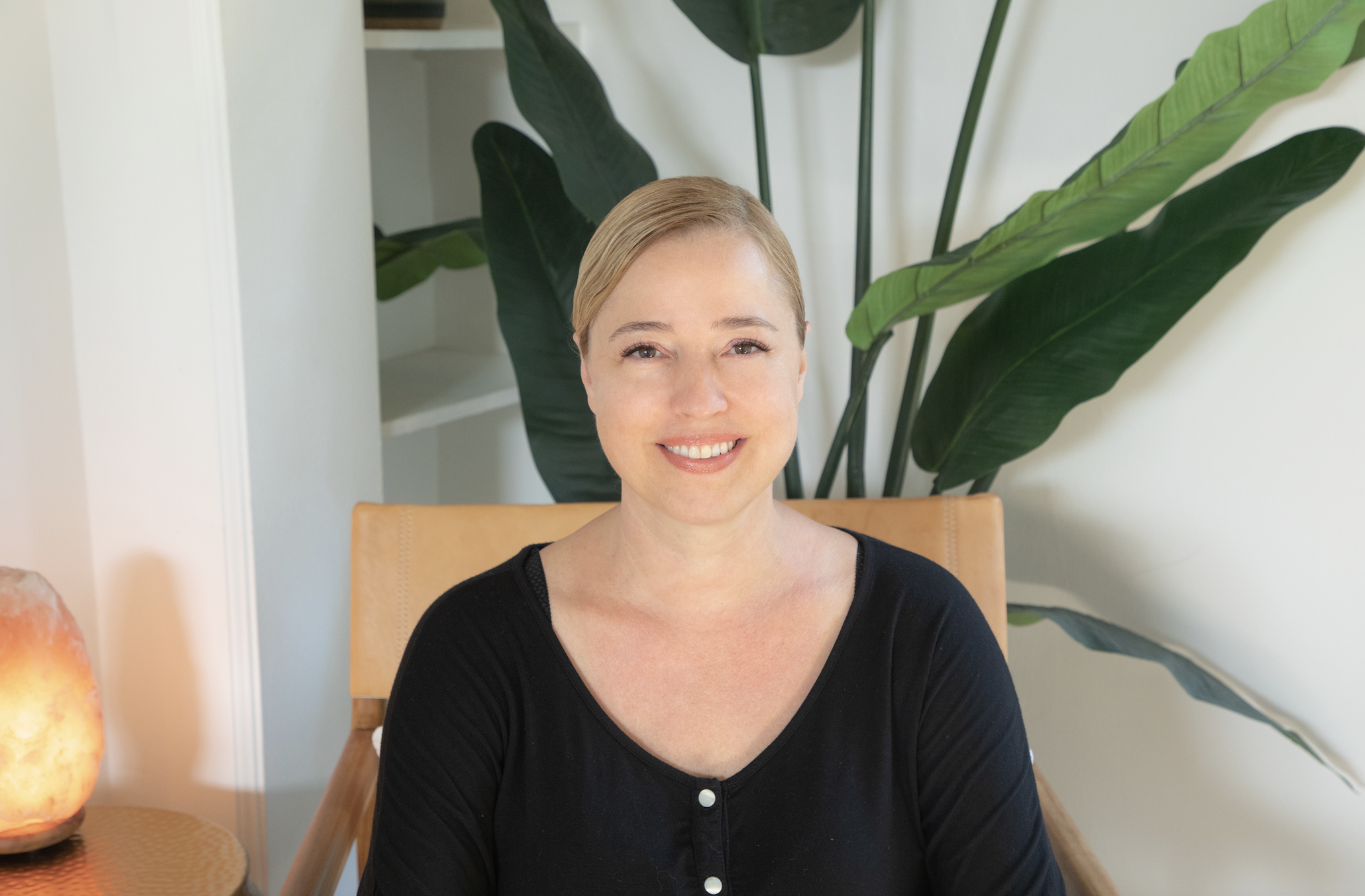
Co-host | When Trina Renea became an esthetician she realized the key to success was lifelong learning - a goal that sets her apart from most skin care practitioners.
For over 30 years, she’s explored the fields of cosmetic chemistry, medical esthetics, dermatology, and plastic surgery, becoming an expert in a wide expanse of professional skin care brands, equipment, and treatments. She is a member of the Society of Cosmetic Chemists with three certifications in cosmetic sciences from UCLA and continues to attend spa, medical, esthetic, and scientific conferences worldwide.
Now considered a skin master due to her broad expertise, Trina is a consultant to the Southern California beauty industry and medical esthetic community, selecting and training staff, developing treatments, guiding product selection, and helping professionals best serve their clients.
In 2004, she founded the Facial Bungalow, a clinical spa offering advanced skin care technologies where she continues to work one-on-one with clients to this day. In 2008 she created Trina Renea Skincare.
Comedogenicity Explained




