The Science Behind Professional Facials: How Treatments Improve Skin Health Beyond the Glow

Introduction: Are Facials Just Pampering — or Are They Part of Skin Health?
One of the most common skincare debates we see—among consumers and professionals alike—is whether facials are simply relaxing luxuries or legitimate tools for improving skin health.
While many people associate professional facials with glowing skin and temporary radiance, the reality is far more nuanced. When thoughtfully performed and properly indicated, facial treatments can support barrier function, regulate sebum production, improve circulation, assist in acne management, and even stimulate collagen activity.
In this episode of Facially Conscious, our hosts explore what a professional facial truly does—from both medical and esthetic perspectives—and why interdisciplinary collaboration matters when designing treatment plans.
What Is a Professional Facial, Clinically Speaking?
A professional facial is not a single treatment—it’s a customizable protocol designed to address specific skin concerns. Depending on the provider’s training and scope of practice, treatments may focus on:
Deep cleansing and pore refinement
Exfoliation and controlled resurfacing
Hydration and barrier repair
Circulation and lymphatic support
Inflammation management
Collagen stimulation technologies
The effectiveness of a facial depends less on trends and more on appropriate assessment, technique, and follow-up care.
Deep Cleansing & Sebum Regulation
Why Cleansing Is More Than Surface-Level
Throughout the day, skin accumulates environmental pollutants, oxidized sebum, debris, and residual product buildup. For some individuals—particularly those with acne-prone or oily skin—excess sebum can contribute to congestion, blackheads, and inflammatory breakouts.
Professional deep-cleansing facials can:
Help remove compacted debris within pores
Support balanced sebum production
Gently exfoliate dead skin cells
Reduce the appearance of congestion
This is not about “detoxing” the skin. Rather, it’s about restoring functional clarity to the follicular unit while protecting the skin barrier.
From a dermatologic standpoint, controlled extractions and exfoliation can complement medical acne treatment plans when performed appropriately.
Increased Circulation & Nutrient Delivery
How Facial Massage Supports Skin Physiology
One frequently overlooked benefit of facial treatments is improved microcirculation.
Facial massage techniques—when performed correctly—may:
Encourage oxygen-rich blood flow
Support nutrient delivery to skin cells
Assist with lymphatic movement
Temporarily enhance skin plumpness
Increased circulation can contribute to that immediate post-facial glow, but more importantly, it supports the physiological processes involved in skin repair and renewal.
While massage alone is not an anti-aging solution, it plays a supportive role in overall skin vitality.
Emotional Regulation & The Stress–Skin Connection
Why Relaxation Is Clinically Relevant
Stress is not merely emotional—it has measurable effects on skin.
Elevated cortisol levels are associated with:
Increased oil production
Compromised barrier function
Delayed wound healing
Acne flares
Professional facials often incorporate calming touch, aromatherapy elements, and structured relaxation. These experiences may help reduce stress load, indirectly benefiting inflammatory skin conditions.
In this way, the emotional benefit of a facial is not separate from skin health—it is integrated into it.
Anti-Aging & Collagen Support
Technology-Enhanced Facial Treatments
Certain professional facial modalities aim to support collagen production and cellular energy, including:
LED light therapy
Oxygen-based treatments
Ultrasonic technologies
Microcurrent and other stimulation devices
While results vary based on individual biology and consistency, these treatments can complement a broader anti-aging strategy that includes:
Daily sun protection
Evidence-based topical skincare
Medical treatments when indicated
Collagen stimulation is not instantaneous—it is cumulative and influenced by multiple factors. Facials may serve as one component of a comprehensive, long-term skin health plan.
Medical + Esthetic Collaboration: Why It Matters
One of the core themes discussed in this episode is collaboration.
Estheticians bring expertise in:
Skin analysis
Treatment customization
Product formulation knowledge
Hands-on techniques
Medical professionals contribute:
Understanding of pathology
Management of inflammatory conditions
Prescription-based therapies
Diagnostic oversight
When these disciplines communicate openly, patients receive clearer guidance, more appropriate treatment plans, and fewer mixed messages.
Facials are most effective when they are part of a coordinated, informed approach—not isolated interventions.
Key Takeaways
A professional facial offers more than temporary glow.
Deep cleansing supports pore health and sebum balance.
Circulation and massage enhance nutrient delivery.
Stress reduction can positively influence acne and inflammation.
Technology-based facials may complement collagen-support strategies.
Collaboration between esthetics and dermatology improves outcomes.
Choosing the Right Facial for Your Skin
The ideal treatment depends on:
Skin type
Current concerns (acne, dryness, sensitivity, aging)
Medical history
Lifestyle factors
Home care routine
Thoughtful consultation is essential. A qualified professional should design a treatment plan that includes both in-office procedures and sustainable home care recommendations.
Continue the Conversation
If you’ve ever wondered whether facials are truly necessary—or how they fit into evidence-informed skincare—this episode offers a grounded, interdisciplinary discussion.
Listen to the full conversation to better understand how relaxation, physiology, technology, and collaboration intersect in modern skincare practice.
Subscribe, download, and follow Facially Conscious to stay informed with honest, medically aligned skincare education designed for professionals and curious consumers alike.
Have a question? Send us an email at info@faciallyconscious.co
LIKE, FOLLOW & REVIEW US ON INSTAGRAM, & WHERE YOU LISTEN TO PODCASTS!
Visit our website www.faciallyconscious.com
Linktree | Facially Conscious
Join our new Patreon and Substack for more content from Facially Conscious
Follow Our Hosts On Instagram
Trina Renea - Medically-trained master esthetician and celebrities’ secret weapon
Linktree | Trina Renea, @trinareneaskincare, trinarenea.com and Substack
Julie Falls- Our educated consumer is here to represent you! @juliefdotcom
Dr. Vicki Rapaport -Board Certified dermatologist with practices in Beverly Hills and Culver City @rapaportdermatology and https://www.rapdermbh.com/
The Skin Master
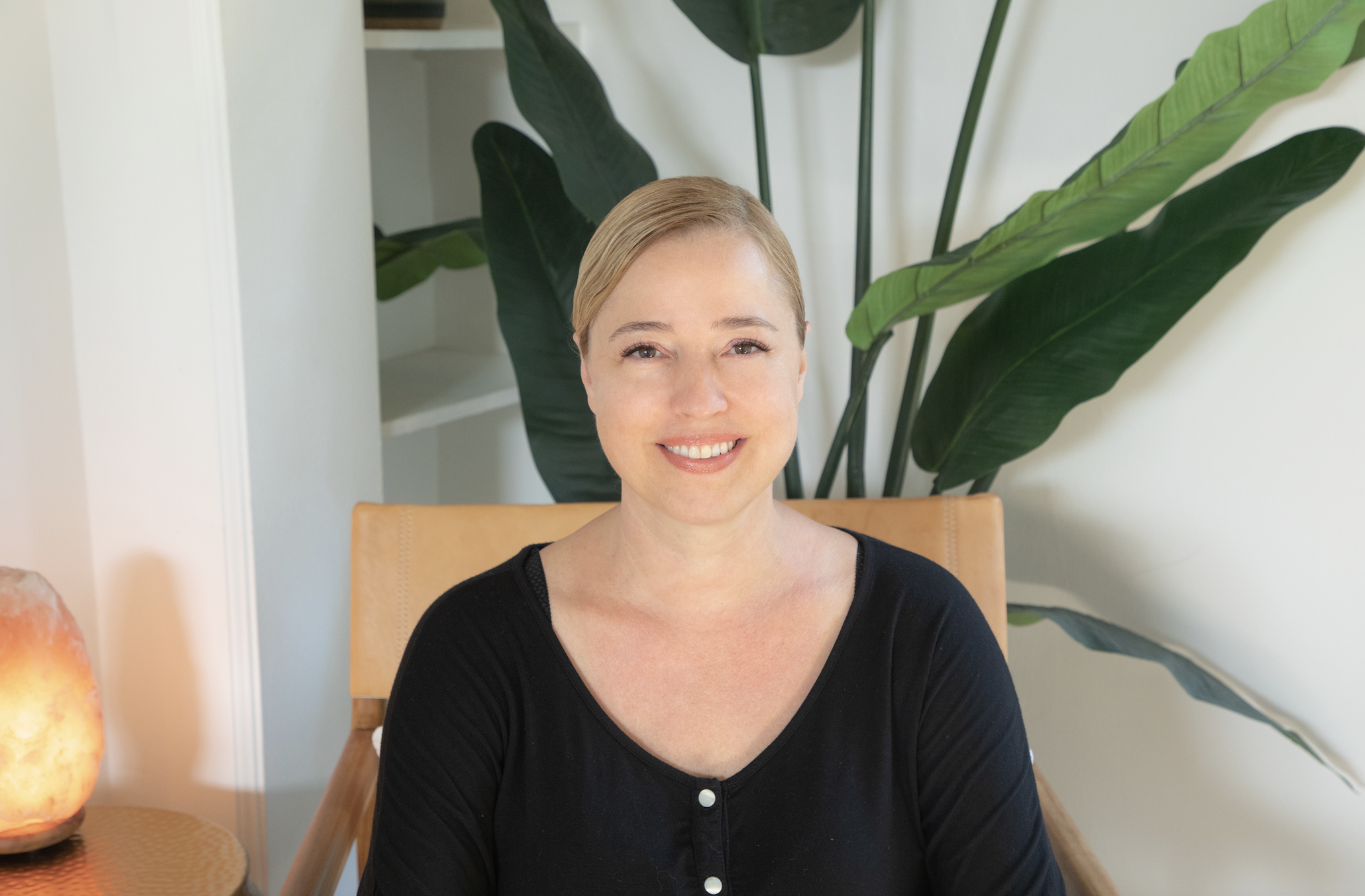
Co-host | When Trina Renea became an esthetician she realized the key to success was lifelong learning - a goal that sets her apart from most skin care practitioners.
For over 30 years, she’s explored the fields of cosmetic chemistry, medical esthetics, dermatology, and plastic surgery, becoming an expert in a wide expanse of professional skin care brands, equipment, and treatments. She is a member of the Society of Cosmetic Chemists with three certifications in cosmetic sciences from UCLA and continues to attend spa, medical, esthetic, and scientific conferences worldwide.
Now considered a skin master due to her broad expertise, Trina is a consultant to the Southern California beauty industry and medical esthetic community, selecting and training staff, developing treatments, guiding product selection, and helping professionals best serve their clients.
In 2004, she founded the Facial Bungalow, a clinical spa offering advanced skin care technologies where she continues to work one-on-one with clients to this day. In 2008 she created Trina Renea Skincare.
Ozempic Face: What It Really Is (And How to Prevent It)