Understanding Your Skin Barrier: Why It Matters and How to Repair It
Have you ever wondered why your skin suddenly feels tight, stings when you apply products, or seems more sensitive than usual? The answer likely lies in your skin barrier—that crucial protective layer that keeps the good stuff in and the bad stuff out. In Episode 17 of the Facially Conscious Podcast, hosts Trina Renea (esthetician), Dr. Vicki Rapaport (dermatologist), Rebecca Gadberry (cosmetic ingredient guru), and Julie Falls (consumer advocate) dive deep into everything you need to know about your skin barrier, why it matters, and most importantly, how to repair it when things go wrong.
Listen to the Episode on the Skin Barrier
Whether you're a skincare professional or simply someone who wants healthier skin, understanding your barrier function is absolutely essential. Let's break down what the experts shared in this information-packed episode.
What Is Your Skin Barrier?
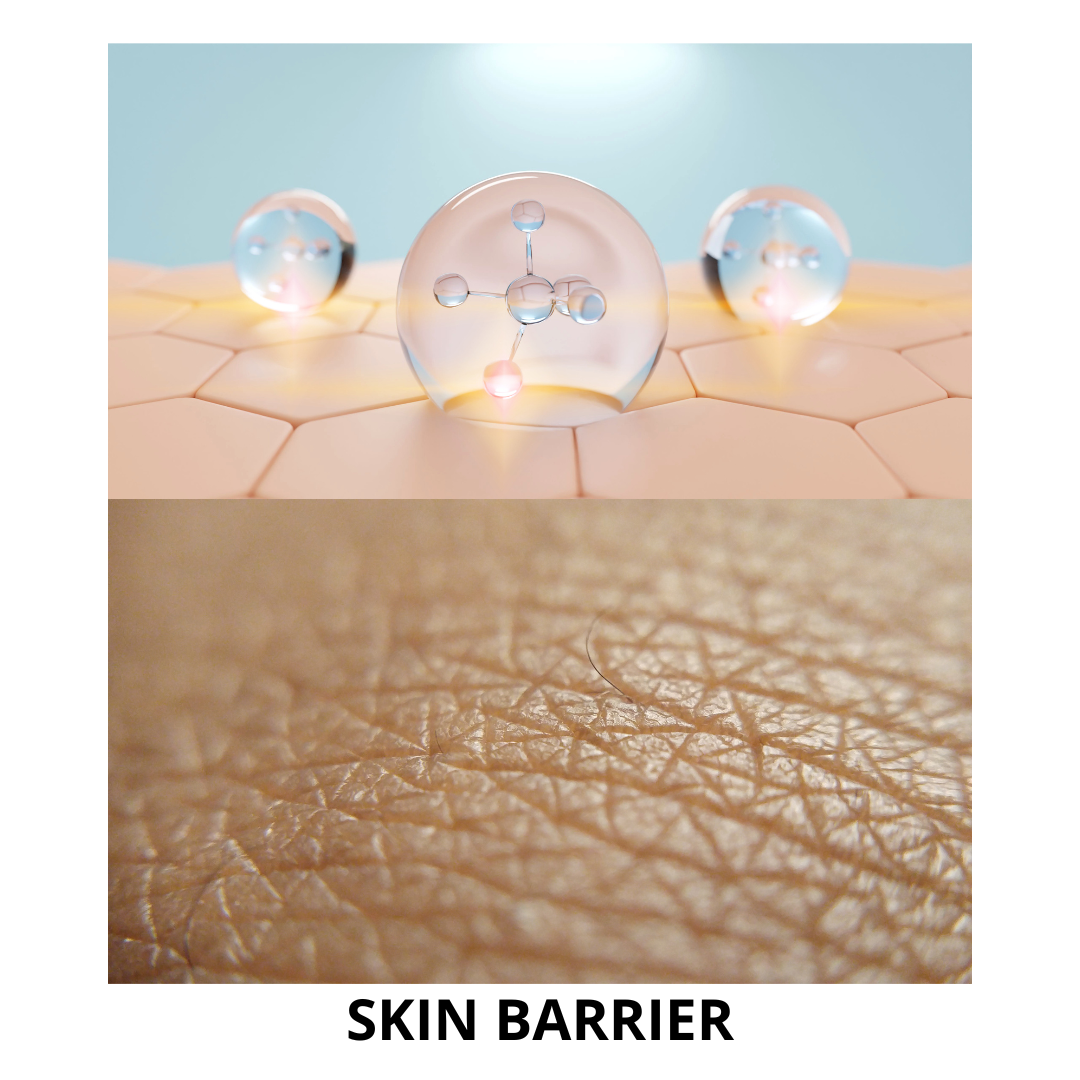
Your skin barrier, scientifically known as the stratum corneum, is the outermost layer of your skin. But here's what many people get wrong: it's not like Saran Wrap creating an impenetrable seal. Instead, it's selectively porous, meaning it allows certain things through while blocking others.
The hosts explain this using the classic "brick and mortar" analogy. Think of your skin cells as bricks and the lipids (fats) between them as mortar. When this structure is intact and healthy, your skin barrier does its job beautifully—retaining moisture, protecting against environmental aggressors, and keeping irritants out. When it's compromised, however, everything falls apart.
This protective layer is your skin's first line of defense against the outside world. It prevents transepidermal water loss (TEWL), shields you from pollution and bacteria, and maintains your skin's optimal pH balance. Without a healthy barrier, your skin simply cannot function properly, no matter how many expensive serums you layer on top.
Signs Your Barrier Is Damaged
How do you know if your skin barrier is compromised? The podcast hosts outline several telltale signs that your barrier needs attention:
Tightness and discomfort - That feeling like your skin is too small for your face, especially after cleansing
Stinging and burning - When products that never bothered you before suddenly cause discomfort
Excessive dryness - No matter how much moisturizer you apply, your skin still feels parched
Flaking and peeling - Visible dry patches that won't go away
Redness and inflammation - Your skin looks irritated and feels sensitive to touch
Increased sensitivity - Everything seems to bother your skin, from weather changes to products you've used for years
Rough texture - Your skin feels bumpy or uneven instead of smooth
If you're experiencing several of these symptoms simultaneously, your barrier is likely crying out for help. The good news? With the right approach, barrier repair is absolutely possible.
What Damages Your Skin Barrier
Understanding what causes barrier damage is crucial for prevention. The Facially Conscious team identifies several common culprits:
Harsh soaps and cleansers - Rebecca Gadberry emphasizes avoiding soaps without ingredient lists. Many traditional soaps strip away the natural lipids your barrier needs to function.
Over-exfoliation - This is perhaps the most common mistake in modern skincare. With so many acids, scrubs, and exfoliating tools available, it's easy to overdo it.
Too many active ingredients - Products today are stronger than ever before. Layering multiple acids, retinol, and other actives without proper barrier support is a recipe for disaster.
Over-cleansing - Washing your face too frequently or using cleansers that are too strong strips away protective oils.
Environmental factors - Weather changes, especially transitioning between seasons, can stress your barrier. Cold, dry winter air is particularly harsh.
Smoking - Dr. Rapaport is emphatic about this: smoking has a devastating impact on your skin barrier and collagen production. It accelerates aging and impairs your skin's ability to repair itself.
Inconsistent routines - Ironically, being too rigid with your routine can also cause problems. Your skin's needs change with seasons, hormones, and environment.
How to Repair Your Barrier
The hosts share several evidence-based strategies for barrier repair:
Slugging with occlusive agents - Dr. Peter Elias's groundbreaking study showed that petroleum jelly (like Vaseline or Aquaphor) can repair a damaged barrier within just 16 hours. The technique called "slugging" involves applying a thin layer of petroleum jelly as the last step in your nighttime routine to seal in moisture and create an optimal healing environment.
Ceramides are crucial - These lipid molecules are essential components of your skin's natural barrier. Look for products containing ceramides to help rebuild that "mortar" between your skin cells.
Proper moisturizers - Choose moisturizers that contain barrier-supporting ingredients rather than just humectants. Your damaged barrier needs lipids and occlusives, not just water-attracting ingredients.
Lactic acid for gentle repair - The Tulane study mentioned in the episode showed that 10% lactic acid, used consistently for two months, can actually help repair barrier function. This seems counterintuitive since acids can damage the barrier, but lactic acid at the right concentration and pH can be beneficial.
Stable vitamin C - Rebecca recommends tetrahexyldecyl ascorbate, a stable form of vitamin C that's less irritating than L-ascorbic acid while still providing antioxidant benefits.
Simplify your routine - When your barrier is damaged, less is more. Strip back to a gentle cleanser, simple moisturizer, and sunscreen until your skin recovers.
Building Tolerance to Active Ingredients
One of the most valuable insights from this episode is the concept of building tolerance gradually. The hosts emphasize being "consistently inconsistent"—meaning you should adjust your routine based on what your skin needs at any given time rather than rigidly following the same regimen year-round.
When introducing active ingredients like retinol or acids:
- Start with lower concentrations
- Use them less frequently at first (once or twice weekly)
- Gradually increase frequency as your skin builds tolerance
- Always support your barrier with proper moisturization
- Listen to your skin and pull back if you notice sensitivity
Your skin's tolerance will also vary seasonally. You might handle stronger actives beautifully in humid summer months, but need to dial back in dry winter weather. This flexibility is key to maintaining a healthy barrier while still getting the benefits of active ingredients.
Key Takeaways
The Facially Conscious team leaves us with several important reminders:
Your barrier is dynamic - It changes with seasons, age, hormones, and lifestyle factors. What works in summer might not work in winter.
Prevention is easier than repair - Don't wait until your barrier is severely damaged. Pay attention to early warning signs.
Professional help matters - If you're struggling with persistent barrier issues, consult an esthetician or dermatologist. Sometimes, underlying conditions like eczema or rosacea require professional treatment.
Patience is essential - Barrier repair takes time. Don't expect overnight results, but do expect improvement with consistent, gentle care.
Products are stronger now - Modern skincare formulations are more potent than ever. Respect their power and use them wisely.
Smoking is non-negotiable - If you smoke, your barrier (and overall skin health) will suffer. Period.
Understanding your skin barrier isn't just skincare geek knowledge—it's fundamental to having healthy, resilient skin. Whether you're dealing with damage right now or want to prevent future problems, the insights from this Facially Conscious episode provide a roadmap for barrier health.
Remember, your skin barrier is the foundation of your skin. Everything else you do in your skincare routine builds on that foundation. Invest time in understanding and protecting it, and your skin will thank you with improved texture, reduced sensitivity, and that healthy glow we're all after.
To read more from Trina Renea, join her on Substack

The Skin Master
Co-host | When Trina Renea became an esthetician she realized the key to success was lifelong learning - a goal that sets her apart from most skin care practitioners.
For over 30 years, she’s explored the fields of cosmetic chemistry, medical esthetics, dermatology, and plastic surgery, becoming an expert in a wide expanse of professional skin care brands, equipment, and treatments. She is a member of the Society of Cosmetic Chemists with three certifications in cosmetic sciences from UCLA and continues to attend spa, medical, esthetic, and scientific conferences worldwide.
Now considered a skin master due to her broad expertise, Trina is a consultant to the Southern California beauty industry and medical esthetic community, selecting and training staff, developing treatments, guiding product selection, and helping professionals best serve their clients.
In 2004, she founded the Facial Bungalow, a clinical spa offering advanced skin care technologies where she continues to work one-on-one with clients to this day. In 2008 she created Trina Renea Skincare.

Fractional Lasers: What You Need to Know Before You Book