What Happens to Your Face on GLP-1s? A Dermatologist and an Esthetician on "Ozempic Face"
GLP-1 medications have changed weight loss and, in many ways, medicine itself. They have also introduced a new phrase into the conversation: Ozempic face. On this episode of Facially Conscious, board-certified dermatologist Dr. Vicki Rapaport, esthetician Trina Renea, and consumer advocate Julie Falls look at what is actually happening to the skin, why it happens, and what you can do about it.
What is "Ozempic face"?
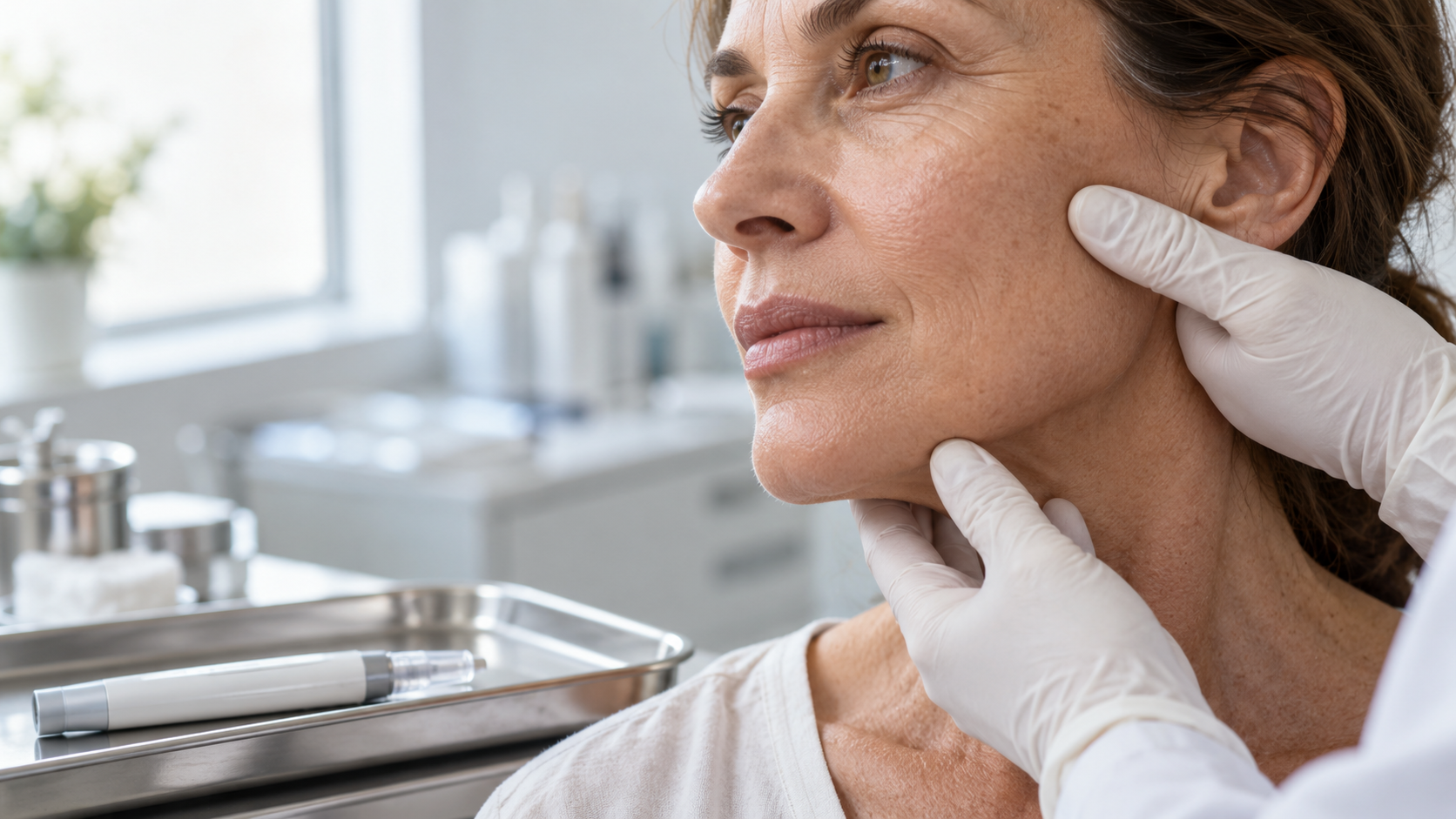
"Ozempic face" describes the hollowing, sinking, and sagging that can appear in the face and neck during rapid weight loss on GLP-1 medications. Ozempic was the first of these medications to become widely known. Today there are many, and Dr. Vicki simply calls them GLPs.
Trina made the key point early: "It's not caused by GLP-1. It's caused by rapid weight loss." The same thing happened for years with gastric bypass patients, as Julie pointed out, but at a more dramatic scale. The medication itself isn't the cause. The cause is how quickly the weight comes off.
Why rapid weight loss shows up in your face
Dr. Vicki explained that you lose fat everywhere. You don't only lose it from your stomach, buttocks, and thighs. You also lose it from your face, under your eyes, in your neck, and along your jawline. Facial fat helps keep skin looking full and supported.
Skin can rebound, but it takes time, generally six to 12 months, and it rebounds best when weight is lost slowly. Age matters too. "The younger, the better," Dr. Vicki said. "The older patients, not so much."
How fast is too fast?
This was the most surprising part of the conversation. Many people assume losing one to two pounds a week is a responsible pace. Dr. Vicki disagrees: "They think a pound to two pounds a week is slow. It is not. That is fast." She called that pace traumatic to your body and definitely traumatic to your skin.
She recommends a quarter to a half pound a week, about 25 pounds over a year. For some patients, that feels painfully slow. In her view, going faster means accepting sagging and increased laxity.
Trina shared her own experience. When she started on a GLP-1, she stayed on a quarter dose for two months, moved to a half dose, and never went higher. She lost about 12 pounds, slowly enough that Dr. Vicki said she couldn't tell. Even so, when clients started telling her how thin she looked, Trina paid attention: "I don't want to be too skinny where it's that look." Going slowly was the plan from the beginning, and her face shows it.
Why are dermatologists prescribing GLP-1s?
Julie asked the question many listeners have. Dr. Vicki was candid. Dermatologists were first marketed GLP-1s for psoriasis patients by a company that also makes a psoriasis medication, and heavier psoriasis patients tend to do worse. She was suspicious at first: "That's just getting more money in their pocket."
Then she read the research. Study after study showed meaningful reductions in inflammation, along with protection against heart attack and stroke, better blood sugar control, improved cholesterol, potential kidney protection, and help with insulin resistance in polycystic ovarian syndrome. GLP-1s are also being studied for addiction and compulsive disorders. Dr. Vicki called them "kind of a miracle medication," with one firm condition: you need a full medical exam and history before you start.
How to protect your skin while you lose weight
Before any conversation about procedures, Dr. Vicki has three non-negotiables:
-
Weight training. Ideally three times a week. Muscle supports the skin. If your practitioner started you on a GLP-1 without telling you to weight train, she says they may not be the right practitioner for you.
-
Protein. 1.3 to 1.5 grams per kilogram of body weight. Protein should be the first thing you eat, then healthy fats, then carbs if you want them.
-
Hydration. "Sagging is accentuated by dehydrated skin."
These matter even more for women in perimenopause, menopause, or post-menopause. Lower estrogen already means more skin sagging, so slow weight loss is especially important.
What about appetite and food choices?
Julie raised a common concern: people assuming they can eat anything now. Trina described something different. "Because I get full so fast and I can't put another bite of food into my mouth, I want those five bites to be delicious and healthy." Dr. Vicki agreed that most patients lose the cravings, and she often refers GLP-1 patients to a nutritionist. Insurance sometimes covers it.
Is Ozempic face reversible?
If weight is coming off too fast, Dr. Vicki's first step is to slow it down. That might mean lowering the dose, pausing, or stretching a weekly shot to every 10 days or two weeks, always with your prescriber. The hard part, she says, is that patients love the quiet that comes with the medication: no hunger, no cravings, no "food noise."
She also cautioned against yo-yoing: "The skin gets stretched and then pulled and then stretched and then pulled. That's like a recipe for disaster." And she noted that the oral version tends to be less effective than the weekly shot, partly because it has to be taken on an empty stomach with no food for 30 minutes, which many people find hard to stick with.
The treatment order: skincare, then non-surgical, then surgery
Julie mentioned that plastic surgeons say facelift business is booming. Dr. Vicki agreed, and noted they are lifting arms, buttocks, and thighs as well as faces. Still, she lays out a clear order before surgery:
-
Skincare first. Retinols can tighten the skin a little, and sunscreen keeps you from adding sun damage on top of everything else. Dr. Vicki loves retinol body-tightening creams and body sunscreen for any exposed skin. You can find our favorites on our ShopMy page, linked at the bottom of this blog.
-
Non-surgical treatments next. Tightening devices, Botox, and filler in moderation. A little filler at goal weight is fine, she said. Ten syringes is not: "It's going to look weird."
-
Surgery last.
Trina summed up the larger point: "Filling your face full of filler and facelifts and all of that extremeness to be so skinny, I think, at the end of the day, you're fighting against yourself." She also gave the episode its best line: "What a time to be a plastic surgeon."
Where the esthetician fits in
Trina has many clients on GLP-1s. Because she has been on one since the beginning, she talks openly with them about going slowly. In the treatment room she uses microcurrent, LED, and plasma technology to support and tighten the skin while the weight comes off. "I work alongside of them on their weight loss to help their face stay tight."
Dr. Vicki's response: "I send them to the nutritionist. I should also send them to the esthetician." Dermatologist, nutritionist, and esthetician working together may be the best protection your face has.
What's next
Dr. Vicki also looked ahead to retatrutide, a next-generation medication she expects could reach FDA approval as soon as 2027. It is more powerful, and it may better protect muscle, which matters because so much GLP-1 weight loss currently includes muscle loss. That could also help the people for whom current GLP-1s don't work, a group that exists alongside those who stop because of cost or side effects.
The bottom line
GLP-1s can do a great deal of good. Your face doesn't have to pay for it. Lose weight slowly. Lift weights. Eat protein first. Drink your water. Protect your skin. Bring in your dermatologist and your esthetician before you look for a surgeon.
This post is for education, not medical advice. Please talk to your prescribing doctor before changing your dose or schedule.
📬 Join the Facially Conscious Substack for extended content and deeper dives.
✍️ Read Trina's personal take on this episode, as the esthetician in the room, on her Substack.
Facially Conscious Linktree · Trina Renea Skincare Linktree · ShopMy
The Skin Master
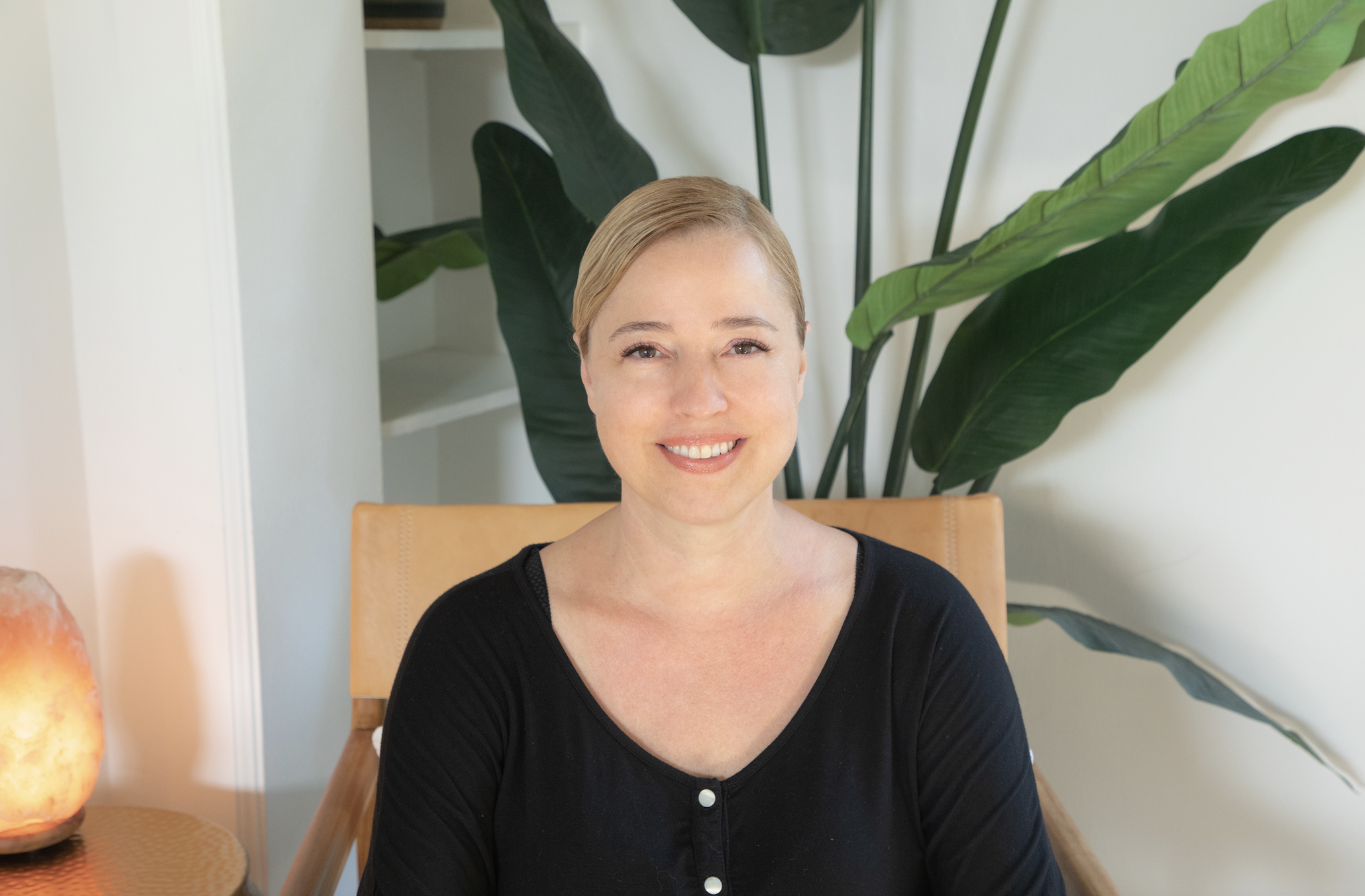
Co-host | When Trina Renea became an esthetician she realized the key to success was lifelong learning - a goal that sets her apart from most skin care practitioners.
For over 30 years, she’s explored the fields of cosmetic chemistry, medical esthetics, dermatology, and plastic surgery, becoming an expert in a wide expanse of professional skin care brands, equipment, and treatments. She is a member of the Society of Cosmetic Chemists with three certifications in cosmetic sciences from UCLA and continues to attend spa, medical, esthetic, and scientific conferences worldwide.
Now considered a skin master due to her broad expertise, Trina is a consultant to the Southern California beauty industry and medical esthetic community, selecting and training staff, developing treatments, guiding product selection, and helping professionals best serve their clients.
In 2004, she founded the Facial Bungalow, a clinical spa offering advanced skin care technologies where she continues to work one-on-one with clients to this day. In 2008 she created Trina Renea Skincare.