What Is Clean Beauty? Dermatology, Cosmetic Science, and Esthetic Experts Break Down the Truth (Part 1)

Clean Beauty Explained: What “Clean” Really Means, Ingredients to Watch & Industry Myths (Part 1)
May 19, 2022 Episode Release Date
Why “Clean Beauty” Creates So Much Confusion
What does clean beauty actually mean—and why does it continue to divide both consumers and skincare professionals?
In today’s skincare landscape, terms like “clean,” “natural,” and “non-toxic” are widely used but rarely defined in a consistent or scientifically grounded way. For many, this creates confusion when trying to choose products or recommend them in a professional setting.
In this episode of the Facially Conscious Podcast, master esthetician Trina Renea, dermatologist Dr. Vicki Rapaport, cosmetic scientist and regulatory expert Rebecca Gadberry, and educated consumer Julie Falls come together to unpack the language, assumptions, and science behind clean beauty—offering a more grounded and interdisciplinary perspective.
The Clean Beauty Conundrum
Trina opens the discussion by highlighting a reality many listeners can relate to: the overwhelming nature of today’s skincare market.
With constant exposure to influencer recommendations, social media trends, and expanding product lines, consumers are often left trying to distinguish between evidence-based guidance and marketing-driven messaging.
Rather than adding to the noise, the group emphasizes the importance of clarity—helping listeners better understand how to evaluate skincare beyond surface-level claims.
How the Beauty Industry Evolved
From “Natural” to Science-Driven Formulations
Rebecca Gadberry brings historical and regulatory context to the conversation, explaining how the industry has evolved over time.
What began as a push toward “natural” products has gradually shifted toward more science-driven formulations. However, this evolution has also introduced new challenges—particularly for smaller brands trying to differentiate themselves.
One common strategy has been the use of “free-from” lists, which highlight the absence of certain ingredients. While appealing, these lists often lack scientific nuance and can unintentionally contribute to consumer misunderstanding.
The Vaseline Conversation: Challenging Ingredient Myths
A memorable moment in the episode comes from Trina’s consultation with a client in her 60s who uses only Vaseline in her routine.
This prompts a deeper discussion about one of the most widely debated skincare ingredients.
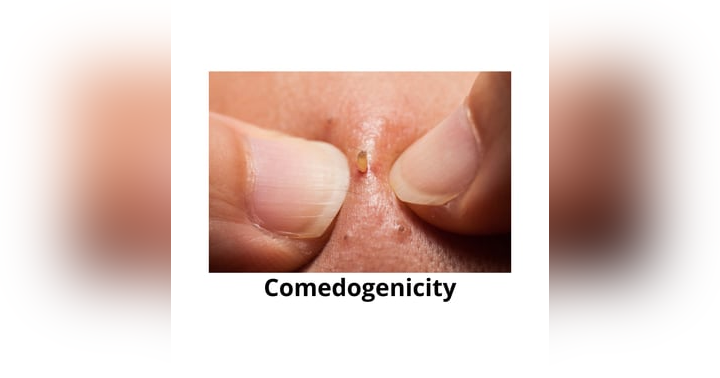
Rebecca addresses a common concern directly: the belief that Vaseline clogs pores. From a formulation and safety standpoint, she explains its role as an occlusive ingredient that supports skin barrier repair—challenging long-standing misconceptions about its use.
Key Takeaway:
- Ingredient reputation does not always reflect scientific reality
- Occlusive ingredients can play an important role in barrier function
- Context matters when evaluating whether an ingredient is appropriate
Defining Clean Beauty—Or Trying To
Personal Interpretations vs Scientific Definitions
As the conversation evolves, Julie and Trina share how they’ve personally understood clean beauty over time.
Common associations include:
- Organic or naturally derived ingredients
- Cruelty-free testing practices
- Avoidance of certain “harmful” chemicals
However, the group acknowledges that these interpretations are not standardized—and often shift depending on trends, marketing language, and consumer perception.
Is “Clean Beauty” a Marketing Term?
Rebecca offers a more critical lens, explaining that clean beauty is not a regulated or scientifically defined category.
Instead, it has largely emerged as a marketing construct—one that can sometimes rely on fear-based language, such as labeling ingredients as “toxic” without appropriate context.
She also raises important questions about ingredient prohibition lists, including those associated with regions like the EU, noting that these lists are often misunderstood or misrepresented in marketing narratives.
Key Takeaways:
- “Clean beauty” has no universal or regulatory definition
- Marketing language can influence perception more than science
- Ingredient safety depends on formulation, concentration, and usage—not labels
Looking Ahead: Deeper Conversations to Come
This episode serves as the foundation for a broader exploration of skincare myths and ingredient safety.
Future discussions will expand on:
- The misuse of the term “toxic” in skincare
- How ingredient restriction lists are developed and interpreted
- The role of green chemistry in modern formulations
Final Thoughts: A More Informed Approach to Skincare
Part 1 of the Clean Beauty series invites listeners to step back and reconsider how they evaluate skincare products.
Rather than relying solely on labels or trends, the conversation encourages a more thoughtful approach—one that considers scientific evidence, professional insight, and individual skin needs.
By bringing together perspectives from dermatology, esthetics, cosmetic science, and the consumer experience, this episode reflects the value of interdisciplinary dialogue in an often fragmented industry.
Have a question? Send us an email at info@faciallyconscious.co
LIKE, FOLLOW & REVIEW US ON INSTAGRAM, & WHERE YOU LISTEN TO PODCASTS!
Visit our website www.faciallyconscious.com
Linktree | Facially Conscious
Join our new Patreon and Substack for more content from Facially Conscious
Follow Our Hosts On Instagram
Trina Renea - Medically-trained master esthetician and celebrities’ secret weapon
Linktree | Trina Renea, @trinareneaskincare, trinarenea.com and Substack
Julie Falls- Our educated consumer is here to represent you! @juliefdotcom
Dr. Vicki Rapaport -Board Certified dermatologist with practices in Beverly Hills and Culver City @rapaportdermatology and https://www.rapdermbh.com/
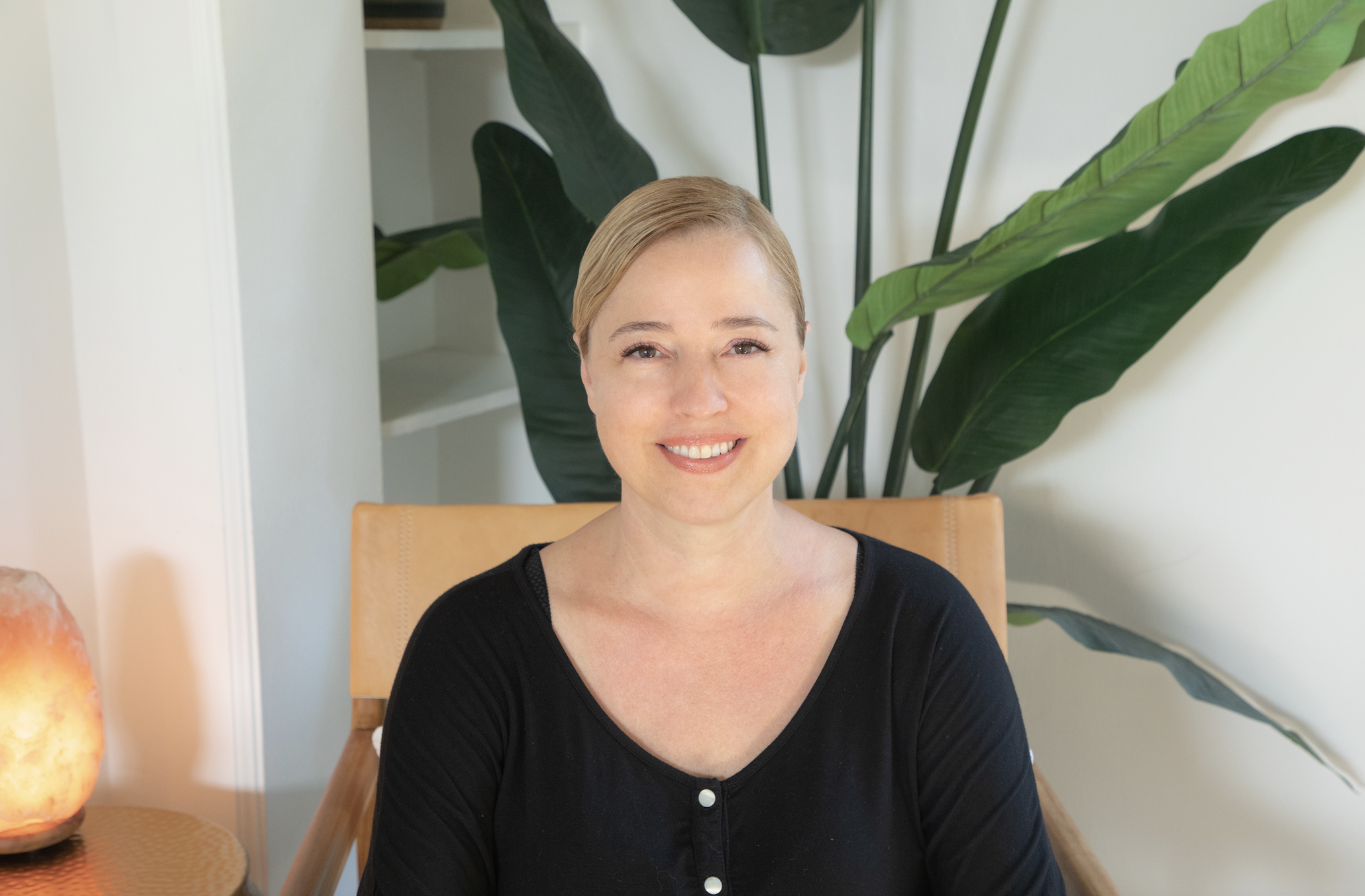
The Skin Master
Co-host | When Trina Renea became an esthetician she realized the key to success was lifelong learning - a goal that sets her apart from most skin care practitioners.
For over 30 years, she’s explored the fields of cosmetic chemistry, medical esthetics, dermatology, and plastic surgery, becoming an expert in a wide expanse of professional skin care brands, equipment, and treatments. She is a member of the Society of Cosmetic Chemists with three certifications in cosmetic sciences from UCLA and continues to attend spa, medical, esthetic, and scientific conferences worldwide.
Now considered a skin master due to her broad expertise, Trina is a consultant to the Southern California beauty industry and medical esthetic community, selecting and training staff, developing treatments, guiding product selection, and helping professionals best serve their clients.
In 2004, she founded the Facial Bungalow, a clinical spa offering advanced skin care technologies where she continues to work one-on-one with clients to this day. In 2008 she created Trina Renea Skincare.
Comedogenicity Explained