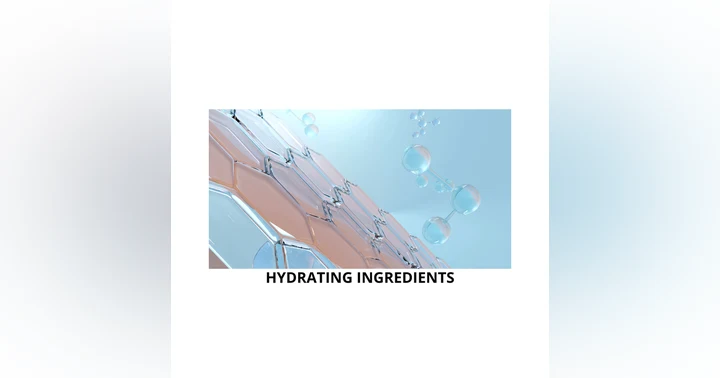
Hydrating Ingredients

 Apple Podcasts
 Spotify
 Castro
 RSS Feed
 Episode summary
In this eye-opening episode of Facially Conscious, skincare experts Trina Renea, Dr. Vicki Rapaport, and Rebecca Gadberry demystify the world of hydrating ingredients. They reveal surprising truths about skin hydration, debunking common myths such as the idea that drinking water alone improves skin health, and exposing the limitations of trendy ingredients like hyaluronic acid. The podcast delves deeply into the science of skin hydration, explaining the vital role of the skin barrier, highlighting glycerin as the underrated hero of hydration, and introducing techniques like "slugging" to help listeners achieve truly hydrated, healthy skin.
Have a question? Please send us an email at info@faciallyconscious.com
LIKE, FOLLOW & REVIEW US ON INSTAGRAM, & WHERE YOU LISTEN TO PODCASTS!
Visit our website faciallyconscious.com
Join our new Patreon and Substack for more content from Facially Conscious
Follow Our Hosts On Instagram
Trina Renea - Medically-trained master esthetician and celebrities’ secret weapon @trinareneaskincare and trinarenea.com, Substack
Julie Falls- Our educated consumer is here to represent you! @juliefdotcom
Dr. Vicki Rapaport -Board Certified dermatologist with practices in Beverly Hills and Culver City @rapaportdermatology and https://www.rapdermbh.com/
Rebecca Gadberry - Our resident skincare scientist and regulatory and marketing expert. @rgadberry_skincareingredients
[Intro] Hey, everyone. Welcome back to Facially Conscious, with myself, Trina Renea, esthetician, Dr. Vicki Rapaport, dermatologist, Rebecca Gadberry, the cosmetic ingredient guru, and our fabulous overly-educated consumer, Julie Falls.
We are gathered here together with you to talk about this crazy world of aesthetics. It's confusing out there in this big, wide world. That's why we're here to help explain it to you all, subject by subject. We will be your go-to girls. And from our perspective, without giving medical advice, we will keep things facially conscious.
Let's get started.
00:59 Trina Renea: Hi, ladies. How are you today? Welcome back to Episode 16 on Hydrating Ingredients. How are you doing today?
01:07 Dr. Vicki Rapaport: Hi. I'm Vicki Rapaport, the dermatologist.
01:10 Trina Renea: Hi, Vicki.
01:11 Dr. Vicki Rapaport: And I'm doing great. It is dry out there.
01:14 Trina Renea: It is. We just did a photo shoot and it was like nose run and dry skin. I hope we look good in the photos.
01:23 Dr. Vicki Rapaport: Well, I don't know about you guys, but in L.A., Super Bowl weekend, it's 80, 90 degrees.
01:29 Trina Renea: Oh, gosh.
01:30 Dr. Vicki Rapaport: Where you're listening, I hope it's not 20 below. But L.A. is pretty beautiful. We have the Santa Ana winds blowing, which actually are my favorite type of weather pattern.
01:41 Julie Falls: That is so unusual. What do you like about it?
01:44 Dr. Vicki Rapaport: The warm breezes in the evenings are very vacation-like.
01:50 Trina Renea: Yeah, that’s true.
01:51 Julie Falls: I like it in August, but I don't like it in February.
01:53 Dr. Vicki Rapaport: Oh, I love it. You know, I also think that there is something that can happen to people's brains when the Santa Anas blow. In a way, it releases serotonin and dopamine for some people, so it gives people a high.
02:03 Julie Falls: Interesting.
02:03 Dr. Vicki Rapaport: And I think it might actually do that for me, besides just the warm feeling on the body, because L.A. always gets so cold at night. But right now, the Santa Anas are blowing and it is very dry. And it is good for business because everybody with eczema and psoriasis and dry skin are coming in in droves with situations where they cannot control. I'm glad we're talking about hydration and moisturizing products today.
02:27 Trina Renea: Yes. So what is hydration, Rebecca Gadberry?
02:31 Rebecca Gadberry: Well, hydration is merely having the skin have water in it, just retain water. What do you think, Dr. Vicki?
02:40 Dr. Vicki Rapaport: Yes, I think hydration or dehydration is different than dry skin, dehydrated skin versus dry skin. I know that seems a little technical, but dry skin really is lack of oil and dehydrated skin is lack of water.
02:55 Trina Renea: Right, which you can have both.
02:57 Dr. Vicki Rapaport: Yes, you can have both.
02:58 Trina Renea: A lot of people have both.
03:00 Julie Falls: Can you hydrate? This is Julie Falls.
03:02 Trina Renea: Hi, Julie.
03:03 Julie Falls: Hi. Can you hydrate your skin from the inside, drinking a lot of water all day long?
03:09 Dr. Vicki Rapaport: If you were to pound water and if it were to go to your skin, you would become a puffer fish. So the answer to that is not really.
03:17 Trina Renea: And you could die.
03:18 Dr. Vicki Rapaport: Well, that too, if you drink that much water.
03:22 Rebecca Gadberry: One of the reasons is because your skin is not an organ that is required for survival. So what you eat, what you put into your body, the nutrients you put in, the water you put in, goes to other organs that are more important for survival, like your liver, your heart, your brain. The skin is the last to receive anything.
So people who say, “Drink eight glasses of water a day,” that's good for your internal organs, but it doesn't have anything to do with your skin.
03:54 Trina Renea: Well, I, Trina, as an esthetician, get people all the time that say, “I don't know why I'm so dehydrated. I'm drinking so much water.” And I'm like, “You got to put it on outside with an ingredient, like onto your skin.” Because, literally, in Los Angeles especially because we're in the desert and there's low humidity, you feel it. When you wake up in the morning and it's low humidity, you immediately feel super dry on your skin. Like, it happens so quickly. So you can feel that on the outside where it doesn’t matter how much water you’re drinking.
04:28 Dr. Vicki Rapaport: Right. Of course, it is important to stay hydrated and drink water.
04:31 Rebecca Gadberry: Absolutely.
04:32 Dr. Vicki Rapaport: Because you do get a little bit from your blood vessels. You get water to the skin from your blood vessels. But Rebecca's right. It's not possible to just get hydration from drinking water on the skin. We have to put it back with products, unfortunately.
04:49 Trina Renea: Right.
04:50 Rebecca Gadberry: Right. The best way to find out if you're dehydrated isn't from your skin. It's from your urine. If your urine is dark, you are dehydrated. If your urine is light yellow or clear, you're hydrated. It doesn’t matter how many glasses of water you drink and do that consistently every day. It is determined by the color of your urine, so you should be checking that every day and checking it throughout the day.
05:18 Trina Renea: I tell my daughter that all the time.
05:20 Rebecca Gadberry: You do?
05:23 Julie Falls: Well, there are countless people in the cosmetic estheticians, lots and lots of people who don't have that information. And the first thing they'll say to you is, “You need to drink more water.”
05:40 Rebecca Gadberry: As soon as I hear that, I question whether the esthetician knows…
05:42 Julie Falls: What is their education, yeah.
05:44 Rebecca Gadberry: Knows what they're talking about.
05:46 Trina Renea: So, world out there, we're letting you know that water is important for your body, but it's not going to change your skin. So why is hydration important to the skin?
05:58 Rebecca Gadberry: Well, hydration is important because you need moisture in your skin so that your skin has plasticity. That it is flexible and it moves. It doesn’t crack. So that the skin stays young. But the issue with moisture is not hydration. It is maintaining the skin's barrier, which we talked a little bit about in another podcast.
06:24 Trina Renea: We're actually talking about that in Episode 17, is all about the skin barrier.
06:29 Rebecca Gadberry: The skin barrier. And I'm going to bring it up a little bit here because if your skin barrier is not intact, you can put all sorts of hydrators on it and your skin will not retain the water. Your barrier has to be intact.
06:44 Trina Renea: Can you say what a barrier is?
06:46 Rebecca Gadberry: The barrier is what covers your skin that is made out of lipids, which are like oils, and water-loving molecules that hold the water in your skin and protect you from the outer world.
07:02 Dr. Vicki Rapaport: It holds the keratinocytes, which are your individual skin cells. It keeps them together. And the analogy, I saw your little picture there, is bricks and mortar. The bricks are your skin cells. The mortar are the lipids that keep the skin cells together and stuck together.
And when you have dry skin genetically, because usually it is a genetic problem, the mortar doesn't hold the cells together, so they slough off. That will basically allow for more allergens, more infections, more itchings, more irritation to come into the skin, because the barrier isn’t there. Your barrier is not protecting your skin and keeping the microbiome intact.
07:43 Trina Renea: I love the microbiome. I can’t wait to talk about that.
07:46 Rebecca Gadberry: That’s where the microbiome lives, is on the surface of the skin.
07:51 Trina Renea: And the surface of the skin, everybody, is your epidermis. So we're talking about that.
07:56 Rebecca Gadberry: Your stratum corneum, which is at the very top of the epidermis.
07:57 Trina Renea: Yes, it's the top, top layer. That's where your barrier is, right? Right in that top stratum corneum layer.
08:01 Rebecca Gadberry: Right. That’s the barrier, and it is the thickness of one human hair. That's all there is between you and the outside world.
And your epidermis that Dr. Vicki was just talking about with the keratinocytes, which are the cells that make the hormones and the lipids that make up the surface of our skin, the epidermis can also start to have issues. We can get something called senescent cells, which are like zombie cells. They're in the skin, they're in the epidermis, but they're not producing the lipids to make an intact barrier. They're not producing the hormones that we need to mature our immune cells that circulate throughout the body. Those immune cells are matured in the epidermis.
If we don't have a healthy epidermis and dermis, or stratum corneum or barrier, then our body can age. That is a new— did you read that article that came out about three weeks ago?
09:05 Dr. Vicki Rapaport: In what publication?
09:06 Rebecca Gadberry: I think it was Nature. I'm not sure.
09:07 Dr. Vicki Rapaport: No.
09:09 Rebecca Gadberry: I will try to track it down and see if we can put it in the show notes too.
But they found that these senescent cells, which you can get a cell that is alive but it's no longer active, so it's like a zombie. But it's kicking out all these inflammation molecules that then kill off other cells or make other cells senescent. If you get clumps of them in the epidermis, you get advanced aging not only in the skin, but through the rest of the body.
09:41 Trina Renea: OMG. What are we going to do about that zombie cell?
09:43 Rebecca Gadberry: Well, we're going to talk about that, we're going to talk about senescent cells in another podcast. But right now, it's important to know that hydration is important for that epidermis to maintain the cells, to maintain the barriers so that our hydration stays in the epidermis, in the stratum corneum or the barrier, and that the lipids are produced properly, or that mortar that you were talking about between the bricks. The whole purpose of the epidermis, which rests underneath the stratum corneum or the barrier, is to produce that barrier.
10:20 Julie Falls: So can we talk about different ways to get hydration, whether they're commercial or I have a list of natural ones?
10:24 Rebecca Gadberry: Absolutely.
10:30 Trina Renea: Before we go there, can we just talk about how a person knows if they are actually dehydrated or dry? How are they supposed to know?
10:39 Rebecca Gadberry: You mean their skin?
10:40 Trina Renea: Their skin. So if they're out buying products in the market, they're like, “I feel dry,” or, “I feel dehydrated.” How can they tell the difference in that?
10:48 Rebecca Gadberry: What do you tell your clients? You're the esthetician.
10:52 Trina Renea: Well, thanks for asking. I basically say that when you are dehydrated, you feel that crepe-y feeling on your skin. So when you smile and it's all crepe-y around your eyes, or like when you go push your skin up and you see that epidermis looks a little crinkly. It's crepe, it's crinkly. It's more dehydration right there on the surface.
The way you know if you’re dry or oily is from birth. Basically, you’re either born with a lot of oil in your skin or you’re born dry. Usually you know if you’re dry or oily. But dehydrated, you can be dehydrated if you’re oily or dry. But it's more of that crepe-y feeling. Usually, when you get out of the shower or like right after you wash your face, you know, that tight feeling, that's that feeling of dehydration.
11:48 Dr. Vicki Rapaport: I think for me, as the dermatologist, to know if your skin is dry, it's a couple of different things. It's rough to the feel. It can absolutely feel itchy. It can feel tight even after washing your face, beyond after washing your face. Even after applying moisturizer, you still feel kind of tight and unmoisturized. And we'll talk about what ingredients can help better with that.
And sometimes it's eczema. Sometimes you actually have eczema. It feels like sandpaper. They can't hydrate it. It's itchy. It sometimes looks like elephant skin.
12:17 Trina Renea: That’s when it gets real bad.
12:19 Julie Falls: And you could just tell when you put products on and they suck up really super fast and you're needing more.
12:26 Rebecca Gadberry: Also, for darker skin tones, you can have an ashyness, which are the cells that are flaking off because of dehydration.
12:35 Trina Renea: Right. It kind of looks like gray or even a darker color.
12:40 Rebecca Gadberry: Yeah. Do you find that redness also accompanies dehydration or barrier damage?
12:45 Dr. Vicki Rapaport: Absolutely. It can be red. So then inflammation of when your barrier isn't intact. That's like the whole thing in dermatology right now, is intact skin barrier keeps thing in place. It keeps you from aging faster than usual. It keeps the inflammation down. So, yeah, if there's too much inflammation coming into the skin from outside influences, pollution and other stressors, your skin can be red, itchy, flaky, all that stuff.
13:11 Trina Renea: What is it that causes…
13:11 Rebecca Gadberry: Around cigarette smoke and smog.
13:14 Trina Renea: Yeah, what causes that dehydration besides weather?
13:17 Rebecca Gadberry: That's the interruption or the damage of the barrier.
13:20 Dr. Vicki Rapaport: Genetics.
13:20 Trina Renea: Can you cause that in products?
13:22 Rebecca Gadberry: Genetics can age, can stress.
13:23 Trina Renea: Genetics but can you do it to yourself?
13:27 Julie Falls: Lifestyle inflammation.
13:28 Dr. Vicki Rapaport: Lifestyle, smoking, not drinking water, drinking too much alcohol. But really, in the end, I feel the biggest influence is a genetic predisposition to being dry. Because there are plenty of people that smoke and drink and have really oily skin, because they have great oily skin. That's just their luxury. So I think it is a combo, but I think the biggest influence is your predisposition.
13:49 Rebecca Gadberry: Can you have, because I think of oily skin as from sebum from the sebaceous glands, which go down into the dermis and empty out on the surface of the skin. And I think of lipids that are made by the keratinocytes in the epidermis, that’s the mortar between the bricks, I think of them as completely different. So that you can have a sebum-rich or oily skin and still have dehydration because the lipids are not there in the proper ratio or they're not being produced by the epidermis properly.
14:22 Dr. Vicki Rapaport: Right. I think you definitely need both, because what Rebecca was saying is your sebaceous glands are much, much, much, much deeper than what we were talking about earlier in the epidermis. The sebaceous glands are deep in the dermis, on the sides of the hair follicles. That is the reason for a hair follicle space is, obviously, there's a hair in the follicle space, but the sebum enters into the hair follicle space and then comes up to the outside of the skin and literally puts oil on your skin. So if you don't have a lot of sebaceous glands genetically, you're not going to produce the sebum and it's certainly not going to get onto the surface of the skin.
14:57 Trina Renea: So that's an oil compared to a water, right?
15:02 Rebecca Gadberry: Well, oil and water, we're talking about really fats and triglycerides. Sebum is a triglyceride. A triglyceride is not really an oil.
15:18 Trina Renea: It's your natural skin's barrier.
15:21 Rebecca Gadberry: No, it's not the barrier. It's the sebum.
15:21 Trina Renea: Moisturizer.
15:23 Rebecca Gadberry: No, it has nothing to do with moisture.
15:26 Trina Renea: No, but I mean, your oil naturally comes to the surface to protect your skin, right?
15:32 Rebecca Gadberry: We actually don't know why it comes to the surface of the skin.
15:33 Dr. Vicki Rapaport: Occluded.
15:34 Trina Renea: Occluded. To get rid of the dead skin cells.
15:39 Dr. Vicki Rapaport: Well, it's to hydrate, probably, but also it could be to attract the opposite sex, because maybe the sebum…
15:45 Trina Renea: Oh, sex talk.
15:46 Dr. Vicki Rapaport: Sex talk. Sebum has other things in it that— that's part of the reason our microbiome on the skin is teeming with trillions and trillions and trillions of organisms and the sebum…
16:02 Rebecca Gadberry: Feeds them.
16:02 Dr. Vicki Rapaport: It feeds them, exactly.
16:03 Rebecca Gadberry: Those triglycerides are the food for the microbiome.
16:05 Trina Renea: That's disgusting.
16:06 Rebecca Gadberry: But it's part of life. It's part of our environment.
16:09 Trina Renea: Does anyone out there know that we have bugs all over our face?
16:17 Rebecca Gadberry: Bugs?
16:19 Trina Renea: Sorry, the microbiomes.
16:19 Rebecca Gadberry: Like cockroaches?
16:21 Trina Renea: Like little worms and things.
16:23 Rebecca Gadberry: Little Demodex mites.
16:25 Julie Falls: But isn't that rosacea’s mites?
16:28 Rebecca Gadberry: Yeah, it can aggravate it.
16:29 Julie Falls: It's very thrilling.
16:31 Trina Renea: So is there a hydrating oil?
16:33 Rebecca Gadberry: There are hydrating oils but they are not, they don't deliver water. What they do is they help repair the barrier. That helps keep the water in the skin. So if you're going to use, that's why we use emulsifiers because we use a fat that helps to repair the barrier. Then we use hydrators or humectants to go into the skin and rehydrate. You need both of them. If you use just one, then you're not going to get the barrier repair that you need.
17:08 Trina Renea: But in a lot of moisturizers they have both.
17:10 Rebecca Gadberry: They have both, and you need both of them.
17:12 Trina Renea: And a lot of moisturizers.
17:13 Dr. Vicki Rapaport: Should we talk about that, those list of ingredients, because I know that reading labels we can really educate people on what to look for.
17:20 Julie Falls: I also have a list of natural remedies, things that you can use alone, or I'm sure many products contain them, things like olive oil and avocado.
17:39 Trina Renea: You know, some people think they can put extra virgin olive oil from the kitchen on their skin. Can they?
17:45 Julie Falls: It's all over the internet.
17:45 Rebecca Gadberry: It's rich in oleic acid.
17:46 Julie Falls: Aloe vera, oatmeal, coconut oil, olive oil. Yeah, I'm curious, doctor and chemist ladies here, what do you think of all of that?
17:57 Rebecca Gadberry: We were actually talking about coconut oil before we sat down. And we both agree that it's highly pore blocking. It's not a good idea in your products.
18:06 Trina Renea: I agree.
18:08 Dr. Vicki Rapaport: If you’re talking about your face versus your body, there are certain things that are just very clogging, but I love telling my patients to put olive oil on their skin because I just think that olive oil is incredible in so many ways.
18:22 Trina Renea: But olive oil made for the skin, like squalane.
18:23 Dr. Vicki Rapaport: Not necessarily.
18:24 Trina Renea: That's not the same thing.
18:25 Dr. Vicki Rapaport: Yes, but squalane is… but I actually am saying olive oil. I do tell my patients to buy a second bottle.
18:28 Trina Renea: But made from…
18:31 Julie Falls: She's talking about olive oil from the grocery.
18:34 Trina Renea: Oh, my God, I tell people not to do that.
18:35 Dr. Vicki Rapaport: Oh, no, I tell them— well, especially people with eczema, people who have itching in the nether regions, people who can't handle any fragrance, any irritant, any anything, what is the most pure would be something like olive oil.
And, of course, I love olive oil to eat. So I'll tell them to buy a second bottle, keep it in their bathroom. It is definitely greasy. It is definitely goopy. It's messy.
18:57 Trina Renea: And rub it on your vagina? Sorry.
18:59 Julie Falls: How would you compare that to Aquaphor, though? Are they two different things?
19:03 Dr. Vicki Rapaport: I think that it's totally it's more natural. It's an oil versus petrolatum-based Aquaphor.
19:10 Trina Renea: Well, oil goes in your skin and the Aquaphor is going to just occlude like a blanket over the skin.
19:14 Julie Falls: Like a barrier. Gotcha.
19:18 Rebecca Gadberry: However, there's different types of olive oil. You have your extra virgin olive oil and you have your highly refined olive oil. The reason we use olive oil is because it's high in oleic acid. Oleic acid helps to trigger some of that barrier repair, so is avocado oil.
But we want it purified as much as possible because if it's extra virgin, you're going to get some contaminants in there that you don't want for the skin. Maybe a middle ground, someplace between the high purity and the extra virgin. You'll also get your vitamin E in there. You'll get other essential fatty acids that help to repair the skin.
Avocado oil is one of the richest oils in oleic acid, but it's got vitamin A and vitamin E and your essential fatty acids. All of these are antioxidant oils, as well as lipid barrier repair oils. The problem with them is that they oxidize easily so they become free radicals. They become oxidants. And that can age or make your own natural oils and your skin go rancid, and they can cause blackheads.
20:31 Julie Falls: So there's the shelf life as compared to...
20:33 Rebecca Gadberry: Right.
20:34 Trina Renea: But okay for your body? Like there's body lotions…
20:36 Rebecca Gadberry: I would keep it in the dark. Keep it in the dark in a cool place, like in your kitchen cabinet, and use it up within about three months.
20:45 Trina Renea: So those are to repair barrier. So what hydrating ingredients can people look for to actually make the skin feel not so tight?
20:56 Rebecca Gadberry: Before we go there, can we finish talking about these oils?
20:59 Trina Renea: Yeah.
21:00 Rebecca Gadberry: Because there's a number of these oils that are out there, and you're going to find them in a lot of products. The only challenge that we have with them is that they go rancid easily. If you've ever smelled rancid butter, or you've smelled your skin after you've been out in the sun.
21:18 Trina Renea: Or even oil that's rancid, right?
21:20 Rebecca Gadberry: Or oil that’s rancid or a lipstick that's rancid. You can pick up rancidity immediately. If it's rancid, don't use it. That goes for anything. It's not good for the body.
21:30 Dr. Vicki Rapaport: When in doubt, throw it out, is what I always say.
21:34 Rebecca Gadberry: Great slogan.
21:35 Trina Renea: Yes, if you smell it, you're not sure, get rid of it.
21:36 Dr. Vicki Rapaport: The food or products.
21:38 Julie Falls: Sometimes I'm just wondering how long things last. Like I'll find a cleanser that I haven't used for a long time. But I'm sure that's a whole other episode.
21:46 Rebecca Gadberry: Well, if you've got a lot of headspace in it, if you've got a lot of headspace or air in the product and it's older than three months old, throw it out.
21:54 Trina Renea: Three months?
21:54 Julie Falls: Three months?
21:55 Rebecca Gadberry: Yeah.
21:58 Julie Falls: I mean, I found a very expensive cleanser the other day, but it's a few years old. And I'm thinking, I don't like the way this smells, but is it because maybe I never liked the smell of the product? No. Adios. Throw it away.
22:07 Dr. Vicki Rapaport: I don't know. But then again, Rebecca, those preservatives that we have in the products are so incredible. That’s probably the reason why products last so long.
22:13 Rebecca Gadberry: Well, the preservatives, it depends on the preservatives that we use. But the preservatives are only meant to stand up for so long. If you’ve got air in there, the air breaks down the preservative as well as oxidizes the product.
22:26 Dr. Vicki Rapaport: Right, but you really think three months is…
22:29 Rebecca Gadberry: Yeah.
22:30 Dr. Vicki Rapaport: Wow!
22:31 Rebecca Gadberry: I know.
22:31 Trina Renea: I thought products last a year.
22:34 Rebecca Gadberry: If they haven't been opened, they can last a year, two, or three years.
22:38 Trina Renea: That's such tricky marketing.
22:39 Julie Falls: Oh, I have a lot to throw away when I get home.
22:40 Rebecca Gadberry: It's not marketing, it's chemistry.
22:42 Trina Renea: No, but I'm saying like in the industry in general, in our industry, people say, “Oh, it lasts two years,” “It lasts a year,” “The FDA has approved it for a year, two years.” But they don't tell you unopened.
22:55 Dr. Vicki Rapaport: Well, a lot of the products do have the airless pumps now, so that’s a nice little…
22:58 Rebecca Gadberry: Yes, or tubes.
23:00 Dr. Vicki Rapaport: Tubes, yeah, but there is still air that gets into tubes.
23:02 Rebecca Gadberry: There's still air in the tubes, yeah. And if it's opaque, it will last longer if the container is opaque. Because heat and light and air break down your product, break down your preservative system. We're going to talk about this…
23:16 Trina Renea: So if it's in a dark bottle or covered opaque.
23:20 Rebecca Gadberry: And at one point, we're going to talk about preservatives and products because preservatives are one of the most misunderstood ingredients.
23:26 Trina Renea: Right. We'll have an episode on that.
23:28 Rebecca Gadberry: Yeah, because preservatives do five or six different things. Not all preservatives do the same thing. Your antioxidants, for instance, that are in there for the product, they're going to keep the product from going rancid and lengthen the shelf life. But the preservatives that are in there for viruses, bacteria, mold, yeast, fungus, they're going to do something completely different and they're a different set of preservatives.
23:58 Trina Renea: Okay. We have about 10 minutes, ladies, in this episode.
24:00 Rebecca Gadberry: Okay. So let me talk about the oils.
Cranberry oil. Cranberry oil, and remember all of these are very unstable. They're going to go rancid easily, so you've got to take care of them, keep them in a dark cabinet.
And I'm going to sneeze…
24:20 Dr. Vicki Rapaport: Gesundheit. Microbiomes everywhere.
24:22 Rebecca Gadberry: Thank you, Jared. Yes, little microbiomes in the air.
So, cranberry oil has all eight forms of vitamin E in it, the four different types of tocopherols and the four different types of tocotrienols. Those get into your cell membranes and protect the cells from aging. They're very important.
But they also protect the lipids in the skin from turning rancid. So it's one thing to repair the lipids, which we're going to talk about, but it's another thing to keep them from going rancid.
24:52 Dr. Vicki Rapaport: I have never seen cranberry oil in any product, but I love that.
24:55 Rebecca Gadberry: I put it in a lot of products.
24:56 Dr. Vicki Rapaport: I love that.
24:57 Rebecca Gadberry: I love it, and it's wonderful. It has a great smell.
Evening primrose oil helps to repair the barrier. Flaxseed oil, hazelnut oil, hemp seed oil, your cannabis oils do, CBD oils, kukui nut oil, mango oil, olive oil, rosehip seeds oil. We're going to post all of these in the show notes. Shea butter, which you love, Dr. Vicki. Soybean, safflower and sunflower oil, very rich in your oleic acids and your barrier repair lipids.
And then there's jojoba, which people think of as an oil, but it's a triglyceride, just like your sebum. It mimics your sebum. So it's an antioxidant for lipids in your barrier to keep your barrier from going rancid, and nice and fresh and pliant. But the jojoba oil also helps to feed the microbiome and it also acts like sebum on the skin without having any irritants in it from the sebum.
26:07 Trina Renea: Jojoba oil is a good one.
26:08 Rebecca Gadberry: it's a great one.
26:09 Trina Renea: We use that for massage too.
26:11 Rebecca Gadberry: Yeah, it's a great massage product.
26:14 Trina Renea: So those are for barrier repair that they put in products.
26:16 Rebecca Gadberry: Right.
26:19 Trina Renea: Do they also add that into hydrating products?
26:22 Rebecca Gadberry: They do.
26:22 Trina Renea: They do?
26:23 Rebecca Gadberry: They do, so you might see a barrier repair— These are what they call hydrating oils. All of those are hydrating oils.
26:29 Trina Renea: Oh, those are hydrating oils. Okay, because they protect…
26:34 Rebecca Gadberry: The water from evaporating.
26:35 Trina Renea: Escaping, okay. Okay. Good to know.
26:38 Rebecca Gadberry: We think of oils as hydrating, but they're not. If you were to take a dried out mushroom, a dehydrated mushroom that we use in cooking, and this is kind of fun to do at home with your kids. You take a dehydrated mushroom, you put one in water and you put one in oil, safflower oil, olive oil, avocado oil, any oil you have around. See which one hydrates. Which one do you think hydrates? The one in the?
27:04 Trina Renea: Water.
27:05 Rebecca Gadberry: Right. Not the one in the oil. So that proves that oil is not hydrating. But you need both.
27:13 Julie Falls: There's a big trend in face oils right now. One of them, I'm just looking up the ingredients so I can ask you about them, it says it has 60-plus skin beautifying vitamins, minerals, phytonutrients, antioxidants, phytoceramides, aminos, omega fatty acids for renewing moisture and nourishment, alfalfa, avocado, bergamot, calendula, carrot seed, cypress, dandelion, evening primrose, frankincense, grapeseed, hazelnut, jasmine, lavender, lemon…
27:44 Trina Renea: Wait, this is all in one product?
27:46 Julie Falls: You know the product. Neroli, nettle, rose, rosehip, turmeric, tamanu…
27:52 Trina Renea: Let's all guess.
27:52 Julie Falls: Sea buckthorn and rosemary.
27:55 Trina Renea: Does everyone know what it is?
27:56 Julie Falls: And then there's one I use that has prune in it. The one that's probably the most popular that I just read you with all those ingredients, I'm just wondering what you think of those. It's a very big trend.
28:09 Rebecca Gadberry: Well, it's what I call kitchen sink formulas.
28:11 Trina Renea: Thank you.
28:12 Rebecca Gadberry: You toss everything in but the kitchen sink. What we don't think of, and we do need to remember, is that just because it's a cosmetic doesn't mean it doesn't act like a drug. With drugs, we need certain percentages to even get into our skin and have activity. So if you’ve got 60 different ingredients and you can only have 100% total ingredients, what percentages are going in that product and are they going to have any beneficial effect on the skin?
28:49 Trina Renea: Exactly. Yeah, because each ingredient has to have a certain percent in the product to be able to do what it says it's going to do on the skin.
28:58 Rebecca Gadberry: Right. We call that dose dependency.
29:02 Julie Falls: It's funny, they don't even list the— avocado, evening primrose, they don't even really list what the actual oil is. It's just all these plants that go into it. It's interesting.
29:16 Rebecca Gadberry: It's probably plant oils, which are still called extracts on the label, or they should be. Some people call them oils, and in some cases that’s true.
The issue is that when we use an ingredient that's going to have a definite effect or result on the skin, we test it on people to find out what the percentage is. Those tests are usually clinical tests or studies that we do on human beings. We find out how much we need to put into that product…
29:54 Dr. Vicki Rapaport: To make a difference.
29:55 Rebecca Gadberry: To make a difference in the skin. If let's say the ingredient needs to be in there at 2% and you put in half a percent or 1%, it's not going to have an effect.
30:10 Trina Renea: Exactly.
30:10 Dr. Vicki Rapaport: I just feel like people don't, consumers don't really care about that important information.
30:15 Rebecca Gadberry: A lot of estheticians don’t care.
30:18 Dr. Vicki Rapaport: If it's listed, it's got to be good.
30:19 Julie Falls: I feel like that wouldn't stop me from buying it if a friend said this is the best and it's helped her skin.
30:26 Rebecca Gadberry: That's kind of like a clinical test or a clinical study. Your friend has had a result. But your friend's skin is not your skin.
30:34 Julie Falls: Exactly.
30:36 Trina Renea: Right. The other side of it, so we're talking about a product that has a thousand ingredients in it, and then there's people who say the less ingredients, the better, which isn't true either always. The less is better, so they're looking, like, we only have seven ingredients in our product. Not necessarily better.
30:57 Rebecca Gadberry: That might be good for sensitive skin, though, because sensitive skin can't handle a lot of ingredients, usually. Do you find that too.
31:04 Trina Renea: But a lot of ingredients are emulsifiers and preservatives and things that hold the product together, and the active ingredients are few. But you have a list of ingredients that people can't pronounce where they think that it's chemicals, bad chemicals just because they can't pronounce the words, but they're actually making the product whole.
31:22 Rebecca Gadberry: Pronounce it, plant chemicals. Yes, you can have a lot of plant chemicals that are unpronounceable.
31:33 Dr. Vicki Rapaport: That's where the formula comes into play, like these magical formulas. Whether they're from Rebecca's lab or from J&J or Neutrogena, I think that's why certain products have been on the shelves for 20, 30, 40 years. That they've just stood the test of time and stood the test of trends. It's all about the formula.
And it is really all about trying. I love to tell patients, like these are my favorite. Whether it's just a moisturizer for your really dry eczematous body, “These are my favorites this year,” I tell them. Because next year, I could have another favorite because the formulas get better and better.
32:07 Trina Renea: Yeah. Or something else comes out or you find something else that's better.
32:12 Rebecca Gadberry: I know we're going to do a podcast after this one about ingredients, on hydrating ingredients, but I want to make sure, and again, Dr. Vicki and I were talking about this before we started today about glycerin. Glycerin is the best hydrator or what we call humectant.
32:30 Trina Renea: Wait, wait, wait. What about hyaluronic acid, the one everybody knows about?
32:34 Rebecca Gadberry: That’s a good one.
32:36 Trina Renea: Okay, let’s talk about glycerin first.
32:38 Julie Falls: I feel like hyaluronic acid knocked glycerin out of the park.
32:48 Rebecca Gadberry: And it shouldn’t. The reason why is because glycerin is natural to our bodies. It can be derived from animals or plants. These days, it's vegetable-derived almost totally. It's found naturally in your skin barrier and your epidermis. It hydrates cells in the barrier. It hydrates them almost immediately.
So when you put 2% to 5% glycerin on the skin in a product, you're going to get immediate comfort to the skin. Remember we were talking about uncomfortable, tight skin?
33:23 Trina Renea: Yes.
33:24 Rebecca Gadberry: Okay., What you're looking for in a hydrator is something that relieves that tightness, that discomfort. That's where the hydration comes in. It also keeps your stratum corneum cells shedding at a very steady rate.
33:40 Trina Renea: That's important because, as we age, that process slows down, the shedding. As the cells slow down in their making, the shedding slows down. So I always tell people we have to help promote that.
33:52 Rebecca Gadberry: Right, which is why we do exfoliation and we use acids.
33:56 Julie Falls: So in most of the products, Vicki, that you recommend, and Rebecca, you recommend for dry skin, like the most recent cream you recommended for my hands, do they all have glycerin in them?
34:09 Dr. Vicki Rapaport: If they're good products, yes, they have glycerin. I totally agree with Rebecca. Glycerin is sort of the step kid that never got the attention and glycerin is a super hydrator. It holds onto water incredibly. I know everybody knows about hyaluronic and hyaluronic holds a thousand times its weight in water and all the stuff rolls off our tongue…
34:30 Trina Renea: Which we also have in our skin, right?
34:32 Dr. Vicki Rapaport: Right. We have hyaluronic acid. Hyaluronic is the basis but it's in the dermis not in the epidermis.
But I think glycerin it's a really small molecule so it does get into the skin. It does get into the epidermis. Hyaluronic acid sits on top no matter what.
34:47 Rebecca Gadberry: If it's the regular hyaluronic acid.
34:50 Dr. Vicki Rapaport: Right. If it's not chopped up into little tiny pieces, which can be inflammatory. There's a whole host of problems with hyaluronic acid, if you really want to get into it.
But, yes, hyaluronic acid is great. We inject it all day long. It's in Restylane, it's in Juvederm, it's in all the injectables. We love how hyaluronic acid. It's different in terms of that sort of cosmetic version of it, injectable cosmetics. When you put it on the skin, it can actually be dehydrating. I know this is mind-blowing to everybody, but it can be. Glycerin is never dehydrating. Glycerin is always hydrating.
35:20 Julie Falls: Especially if you saw that $300 bottle of hyaluronic acid friends of mine are using.
35:26 Rebecca Gadberry: That's another issue too.
35:28 Trina Renea: I know that clients will use hyaluronic acid. And if they don't put anything on top of it, it dries on their skin and they say they feel tighter, which is that dehydrated feeling. You have to put a water type ingredient on top of the hyaluronic acid serum for it to pull the water into the skin.
35:44 Rebecca Gadberry: Or a moisturizer with lipids and your water.
35:46 Trina Renea: Or moisturizer with water. Yes, exactly. Because every product that's not an oil, the first ingredient is water. So anything you put on there that’s not an oil is going to pull the water into the skin from those products.
36:02 Dr. Vicki Rapaport: Honestly, I think the take-home point of this whole episode is glycerin is the best hydrator.
36:06 Trina Renea: So look for products with glycerin in them.
36:07 Dr. Vicki Rapaport: Yes. 100%.
36:09 Rebecca Gadberry: But don’t put pure glycerin on your skin because then it will suck out the water.
36:12 Dr. Vicki Rapaport: Right. And it's sticky and kind of gross.
36:14 Trina Renea: Wait, what?
36:15 Rebecca Gadberry: Yeah, it's very sticky.
36:16 Trina Renea: What do you mean it will suck out the water?
36:18 Rebecca Gadberry: If you put on just glycerin…
36:20 Trina Renea: Pure glycerin.
36:23 Rebecca Gadberry: It's going to suck the water out.
36:24 Trina Renea: Why? I don't get that.
36:26 Rebecca Gadberry: Because it's a humectant. What humectant molecules do is they pull water into themselves. So if there isn't enough water to supply the molecule, it's going to take it. If they can't get it from the air, they get it from the skin.
Right now, if you use 2% to 5% glycerin in a product, it's going to take it from the air and transfer it into the skin. But if you use 100% glycerin, it's not going to have enough from the air, so it's going to suck it out of the skin.
36:56 Dr. Vicki Rapaport: And that's the same thing with hyaluronic acid. It can suck the water that it wants from your skin and actually make you feel more dehydrated.
36:59 Rebecca Gadberry: Right. Any humectant will do that.
The other issue about hyaluronic acid is it's what we call a polymer. Polymers are long chains or threads of amino acids, or also carbohydrates. And hyaluronic acid is like putting microscopic threads on the skin in a liquid. It's like taking a thread, having it suck up water and it turns into almost like a jelly that you could see through. But then when it dehydrates again, you go back to just having the thread.
Anybody ever make Jell-O from scratch? So you know that when you make Jell-O— Dr. Vicki says, “No, I haven't.” Oh, my goodness.
37:51 Trina Renea: No, from the powder, you mean.
37:52 Rebecca Gadberry: From the powder.
37:53 Trina Renea: Not Jell-O from the box.
37:54 Dr. Vicki Rapaport: When you add water to the…
37:56 Rebecca Gadberry: Not from the box.
37:58 Dr. Vicki Rapaport: I just would eat the Jell-O right out of the box. I don't actually make the Jell-O. I just eat the…
38:02 Trina Renea: What?
38:02 Rebecca Gadberry: You eat the sugary granules?
38:05 Trina Renea: It turns into Jell-O in her belly.
38:08 Rebecca Gadberry: So you take the Jell-O granules, right? It's dry. It looks a little bit like colored sugar. You put water in it and you start to be able to see through it when you put the hot water in it. Then you put the cold water into it, you could see through it.
Well, what those granules have done is they're still in the product as granules but they have swollen up so much you can see through them. Which is why when you hit the Jell-O and you hit the side of it and it rings, it's called a ringing gel in chemistry, and it goes, you know, Jell-O, what is this saying? Jell-O…?
38:43 Trina Renea: Wobble?
38:43 Rebecca Gadberry: Wiggles. Wobbles when you… right? But if you were to leave that Jell-O out and let it dehydrate, it's going to go back to the granules.
38:51 Trina Renea: It would?
38:51 Rebecca Gadberry: Yeah, it does.
38:54 Trina Renea: I'm going to experiment at home.
38:55 Rebecca Gadberry: Do it. I used to do it when I was a little girl.
38:58 Trina Renea: So if you don't put it in the fridge, you leave it sitting out, it will go back to the powder?
39:01 Rebecca Gadberry: It will go back to the powder.
39:03 Trina Renea: Whoa. Cool.
39:03 Rebecca Gadberry: And if you want it to go back to the powder faster, put a fan on it.
39:08 Trina Renea: I'm going to do this when we get home.
39:08 Rebecca Gadberry: That would be fun for you to do with your daughter.
39:10 Trina Renea: I know.
39:11 Julie Falls: What fun.
39:12 Rebecca Gadberry: So, hyaluronic acid is like, instead of granules, threads. That’s why they don’t get into the skin because they are long chains.
39:22 Dr. Vicki Rapaport: Big molecules.
39:23 Rebecca Gadberry: Right. They're big molecules.
39:25 Trina Renea: Wait, are we saying that hyaluronic is not…
39:28 Rebecca Gadberry: No, we're not. We're saying that if you’re going to use hyaluronic acid, you should use something. So what hyaluronic does is that it offers continuous water to the skin. It's like that environment that we were talking about, that if there's water or moisture in the environment, that humectant that's in the skin is going to pull water from the air. Well, instead of counting on the air to have moisture, you put hyaluronic acid on the skin. But you need to have something to pull the water into the skin.
So if you have something like glycerin, which is going to attract water to the molecule, you put hyaluronic acid on the top, you put glycerin underneath, or panthenol, or...
40:08 Dr. Vicki Rapaport: Dimethicone?
40:10 Rebecca Gadberry: Yeah.
40:12 Dr. Vicki Rapaport: That would be a good one.
40:12 Julie Falls: This has purslane in it.
40:14 Rebecca Gadberry: Purslane is a plant that does something different. What it does is it offers continuous moisture to that humectant that's in the skin, so you get more moisture. But if you only put hyaluronic acid, it's not going to do very much.
40:33 Trina Renea: Interesting.
40:34 Dr. Vicki Rapaport: So the ingredient list to look for would be if there's hyaluronic acid, great. Glycerin, great. It should be together. And then maybe a shea butter or a dimethicone or a panthenol.
40:41 Rebecca Gadberry: Right, something like that.
40:43 Trina Renea: If it was in a cream.
40:45 Rebecca Gadberry: We're going to put on the show notes all of the different humectants that are really commonly used that you can look for.
40:52 Trina Renea: Okay.
40:53 Rebecca Gadberry: Glycerin is the easiest to find.
40:55 Trina Renea: I'm so glad I just upgraded my hyaluronic acid serum.
40:58 Rebecca Gadberry: Well, here's a problem with hyaluronic acid. There's a product that is sold at some of the higher class or whatever department stores. It's $150 for two ounces of hyaluronic acid.
41:13 Julie Falls: That's probably what I was going to tell you about.
41:14 Rebecca Gadberry: And if you only use hyaluronic acid, it's going to dry the skin out. And the reason the skin feels drier is because as those little strings evaporate water, they get tighter on the skin. Your skin isn't getting tighter, the strings are getting tighter. That's a firming effect. That could actually be beneficial.
41:32 Dr. Vicki Rapaport: Right. Some people like to feel tight. People who are dry don't like to feel tight, but other people who've never felt tight, they love that feeling.
41:40 Trina Renea: But if you put a moisturizer on top of the hyaluronic, Rebecca, then…
41:45 Rebecca Gadberry: That should help. That will help just trap water into the skin.
41:47 Trina Renea: Then you won’t get that drying effect. Right.
41:51 Rebecca Gadberry: And there's this product…
41:56 Trina Renea: Sorry, Julie is talking to Rebecca about a specific product. She's showing her ingredients for it and asking a question about it.
42:07 Rebecca Gadberry: So, this pure hyaluronic acid product, you should only be using 1% hyaluronic acid on the skin. Any more than that is going to counteract and it's going to dry the skin out. Let's say there's 1% hyaluronic acid in that bottle that says hyaluronic acid, it shouldn't be 100% hyaluronic acid. It's too strong. At 1%, that bottle should not cost $150. That bottle should cost $10.
42:38 Dr. Vicki Rapaport: I agree with you. And if you do have just a pure hyaluronic acid product, put it on your skin but then layer it.
42:44 Trina Renea: Yeah, layer it.
42:44 Julie Falls: I usually put this with my moisturizer and do it that way.
42:47 Rebecca Gadberry: Good. That's good. Yeah, that would be good.
42:49 Julie Falls: But what do you think of what's in that one? Purslane…
42:51 Rebecca Gadberry: There's no ingredient list on here.
42:53 Julie Falls: Just the purslane.
42:54 Rebecca Gadberry: It just says purslane and hyaluronic acid. I don't see any other ingredients. There should at least be preservatives.
So if you have a product that is water-based, like a hyaluronic acid product, it needs to have preservatives in there, because otherwise the product will go bad.
43:13 Julie Falls: Interesting.
43:13 Trina Renea: Won't any product go bad without preservatives?
43:16 Rebecca Gadberry: No, oils don't go bad without preservatives that are antimicrobial.
43:23 Trina Renea: But just pure oils.
43:23 Rebecca Gadberry: Pure oils. But you need something to keep them from going rancid.
43:27 Julie Falls: But if they're charging that much, and it's a very successful product line, I can't imagine her things are going bad.
43:33 Rebecca Gadberry: She's also using long chain and short chain hyaluronic acids. The long chain is the thread that I was talking about. Short chains are really tiny, chopped up threads. They're going to get into the stratum corneum or the skin's barrier. If you use the micro or the mini hyaluronic acids, those get down into the epidermis.
And the epidermis does have, they've discovered it recently, it does have hyaluronic acid in the very bottom layer of the epidermis, in the basal layer. That's what helps those cells get a message to split apart and form new cells. So it is part of the cell messengers to make new cells.
And hyaluronic acid is our primary water holder in our body. Your body is about 70%, 75% water. It's also about 70%, 75% hyaluronic acid. It's the most common.
44:39 Trina Renea: It's natural, which is also why when you inject it into someone's skin to puff it up with Juvederm or Restylane and it just dissolves, it's just water, like your body accepts it.
44:52 Dr. Vicki Rapaport: Your body won't reject it because it's considered a part of your natural skin.
44:57 Rebecca Gadberry: But we don't get it from animals anymore. We get it from what we call biofermentation. The same kind of vats that are used to make beer are used to make hyaluronic acid, using similar processes to making beer.
45:12 Dr. Vicki Rapaport: Which should also be pennies but it's a fortune to buy. And the price is…
45:15 Rebecca Gadberry: No, it's not. It's like $98 a kilo, which is not bad.
45:19 Dr. Vicki Rapaport: No, I'm saying it's a fortune for us to purchase as a syringe of filler. And it's a fortune for a patient to buy as a syringe of filler. But I know what you're saying. It's an inexpensive product, but the market has accepted.
45:32 Trina Renea: Well, save the animals.
45:34 Rebecca Gadberry: All the research that goes into it too, and all of that, and making sure that it's pure. It's probably packaged in a clean room, which is expensive to maintain, but there's no microbes in it and the oxygen is or the air is maintained.
45:54 Dr. Vicki Rapaport: Yeah, those are sterile. I mean, it's all packaged in sterile places.
45:59 Julie Falls: I know this has been around for a long time but now there's an actual term for applying petroleum, different products on your face overnight and they're calling it slugging. If you go online, it has gone viral. It's a moisturizing hack. Does it work?
46:19 Trina Renea: Is this a new thing?
46:21 Rebecca Gadberry: Yeah, with petroleum jelly not petroleum.
46:21 Dr. Vicki Rapaport: Yeah, trending.
46:23 Julie Falls: Petroleum jelly, excuse me, yes.
46:25 Trina Renea: I'm sorry, I have never heard of this. What is slugging?
46:29 Julie Falls: It is applying a very thin layer of ointment to a clean face at night for slugging, like petroleum jelly that they prefer or Aquaphor.
46:39 Trina Renea: Oh, I tell people to do this when they're dry. I say, “Tonight, instead of putting on your moisturizers, put a thin layer of Aquaphor and go to sleep in it.” I did that for my daughter on her hands the last three nights with little gloves.
46:52 Julie Falls: That's what I'm saying. It's been around for a long time, but now it's called a term.
46:56 Dr. Vicki Rapaport: Trina is telling people, you're actually telling people to slug without telling them to slug.
47:00 Julie Falls: So, Vicki, where did that term come from?
47:03 Dr. Vicki Rapaport: You know, that's a great, great question. I don't actually know where it came from, and I don't know if it has…
47:07 Trina Renea: Is it because slugs have that goo that come out of them?
47:11 Rebecca Gadberry: No, there's…
47:13 Trina Renea: That's why they call it slugging?
47:14 Julie Falls: That makes sense.
47:16 Rebecca Gadberry: No. There's a term, you know, “Give me a slug of that.” It's a real old-fashioned term.
47:21 Trina Renea: You mean “a chug of that”?
47:21 Rebecca Gadberry: It's “a slug of that”. I want a slug of butter. I want a slug of…
47:24 Dr. Vicki Rapaport: There we go. That's where it's from. Good. There we go. See, we need Rebecca. I like to say smear. Smear that on.
47:32 Rebecca Gadberry: Yes, a smear.
47:34 Dr. Vicki Rapaport: So, yes, it's just putting…
47:35 Rebecca Gadberry: A smear is lighter than a slug, though.
47:37 Dr. Vicki Rapaport: Yes, I think a smear is more like a layer, a thin layer. A slug it's either, you know, I have my Cerave here with me, my little healing ointment. I must slug my lips every day then, I must.
47:50 Rebecca Gadberry: Probably, yeah.
47:52 Dr. Vicki Rapaport: I had a nurse who would always tell me, “Why are we selling all these creams? My mom just used to put Vaseline around her eyes every night.”
I was like, “Well, Vaseline is not good for everybody.”
So, slugging is great for people that aren't prone to acne. If you're prone to acne, I would not recommend slugging.
48:05 Trina Renea: Yeah, that would be bad.
48:07 Julie Falls: It says treating only dehydrated or eczema prone spots.
48:10 Trina Renea: Well, usually in the winter when our skin is more dehydrated and dry, and eczema and psoriasis is popping out, is when you bring out the Aquaphor and you're like a couple nights in a row put a little Aquaphor on at night. That will just kind of bring it back. I learned that from Dr. Vicki.
48:28 Julie Falls: But this says you should cleanse and dampen as you normally would. So then would you slug on top of moisture?
48:34 Rebecca Gadberry: Yes. So you want to slug after a shower or a bath or a facial steam, doing a facial steam at home.
48:44 Trina Renea: To hold the water in?
48:45 Rebecca Gadberry: To hold the water in. Otherwise, you're not going to get the hydrating effect because, remember, oils and fats don't hydrate. Water hydrates, but they seal the water in the skin.
48:58 Trina Renea: Right. I say people like the Aquaphor is like an occlusive blanket. It's like putting a blanket so the environment doesn't pull the water out of your skin, and it just lets everything heal from within.
49:10 Dr. Vicki Rapaport: And if people don't have time to shower or steam or put water on their skin before they slug or put whatever on, I love those little spritzy misty things.
49:20 Julie Falls: Oh, yeah. What a great idea.
49:20 Dr. Vicki Rapaport: Even if it's like a little Evian's mist or like just splash a little bit of water on your face. I know it might seem really greasy and goopy when you put the moisturizer on top, but it really will hydrate like never before.
49:33 Julie Falls: Or even a hydrating serum.
49:35 Dr. Vicki Rapaport: A hydrating serum, yeah. Like the thinnest, thinnest, mistiest layer of water on and then your Vaseline or your serum or your glycerin or your...
49:44 Rebecca Gadberry: Yeah. If you really want to play around, take about 5% glycerin, or five parts glycerin, 95 parts water. Shake it up, spray that on, and then slug.
49:55 Trina Renea: Ooh, fun.
49:56 Julie Falls: Do you have some spritz that you sell?
49:58 Trina Renea: Yeah, I have a hydrating mist.
49:59 Julie Falls: What's in there?
50:01 Trina Renea: Mostly panthenol.
50:03 Rebecca Gadberry: Which we're going to talk about in the ingredient episode for hydrators.
50:07 Trina Renea: Yes, Rebecca made that product with me.
50:09 Rebecca Gadberry: Yes, I designed that product.
50:11 Trina Renea: Thank you, Rebecca.
50:12 Julie Falls: Why do we prefer panthenol?
50:13 Trina Renea: Panthenol is a really good hydrator, which we are going to get to on our next episode.
50:18 Julie Falls: All right. I want to compare it to glycerin.
50:20 Rebecca Gadberry: We will.
50:20 Trina Renea: Yes. So we will talk about those hydrating ingredients.
50:21 Julie Falls: I will look forward to that and I will tune in.
50:24 Rebecca Gadberry: Where they have a commonality is they're both hydrators, but then they do other things besides hydration.
50:30 Trina Renea: Right. So combos of things.
50:31 Julie Falls: Should we talk about what we're going to take home from this episode? Dr. Vicki?
50:34 Trina Renea: Yes. I'll tell you what my take home is.
50:38 Julie Falls: Okay, let's start with Trina.
50:39 Rebecca Gadberry: What, madam?
50:40 Trina Renea: Glycerin is my new favorite ingredient. I'm going to go back and look at all my products and see what has glycerin in them. But I am excited about this stepchild of an ingredient and spending more time with it. That's my take home.
50:57 Julie Falls: Dr. Vicki, what's your take home?
51:00 Dr. Vicki Rapaport: Yes. I think my take home is going to add to the glycerin discussion. It's odorless. It's colorless. It plays well with others. It plumps the skin. It's not expensive. It's in a lot of ingredients, probably on your shelves right now.
Glycerin has been my favorite hydrator.
51:18 Trina Renea: And it doesn't clog pores for acne patients.
51:22 Dr. Vicki Rapaport: It should not. No, it should not.
51:23 Rebecca Gadberry: It's not of that ilk, so to speak.
51:27 Dr. Vicki Rapaport: And just one last thing about my other take home would be just dry weather. I know we talked about L.A. at the top of the hour, about the Santa Anas, it's dry. But also on the East Coast, the cold, cold, cold, cold weather, the heat inside the house, dry as a bone. People are so dry. Hydrate, hydrate, hydrate with topical creams. Spritz before. Put the creams on. Drink water. Don’t smoke. Eat lots of olive oil.
51:50 Trina Renea: Also drinking water doesn’t hydrate the skin.
51:52 Julie Falls: Wait, that was my take home.
51:54 Trina Renea: Oh, sorry.
51:55 Julie Falls: Rebecca, what’s your take home?
51:57 Rebecca Gadberry: I was going to say drinking water doesn’t hydrate your skin.
52:01 Julie Falls: I think we're going to share that.
52:02 Rebecca Gadberry: I think my take home is you can add a whole bunch of water, either hydrators to the surface of the skin or whatever, but if your barrier is not intact then you are not going to have a hydrated skin. It's not just water. It's also the lipids that help to repair the barrier. If you don't have an intact, healthy barrier, your skin is going to be dry and uncomfortable and tight.
52:29 Julie Falls: Okay. Good.
52:30 Trina Renea: Exactly. So in order to hold that water in there, your barrier has to be solid, which is our next episode.
52:37 Rebecca Gadberry: It just so happens to be.
52:40 Trina Renea: Also, we're not saying don't drink water. Drink water. Water is very important for hydrating your body, your internal body. So please keep drinking water.
Next, we're going to talk about the skin barrier on our next episode, so please join us soon. We'll see you soon.
Thanks for coming, ladies.
53:02 Rebecca Gadberry: Bye.
53:03 Julie Falls: Bye.
53:03 Dr. Vicki Rapaport: Bye. Thank you, guys.
[Outro] This podcast is so needed in the world right now. There's so much information out there that it's hard to know who to believe and if it's right for you. We are very excited to be your guides and bring you Facially Conscious.
If you have something to tell us, share with us, or want to know, please email us at info@faciallyconscious.com.