Acne Myths vs. Facts: What Dermatologists and Estheticians Want You to Know About Clearer Skin

Acne is one of the most common skin conditions in the world—and one of the most misunderstood. From advice passed down through generations to the overwhelming volume of information online, people often receive conflicting guidance about what actually causes breakouts and how they should be treated.
Is acne simply the result of poor hygiene? Can changing your diet eliminate breakouts? Are medications like antibiotics or Accutane dangerous?
In this episode of the Facially Conscious podcast, our hosts explore these questions through an interdisciplinary lens. Dermatologist Dr. Vicki Rapaport, medically trained esthetician Trina Renea, cosmetic chemistry expert Rebecca Gadberry, and consumer advocate Julie Falls examine the science and clinical realities behind some of the most persistent acne myths.
Their conversation highlights an important truth: effective acne care requires understanding the biology of the skin, patient lifestyle, and appropriate medical treatment options.
Why Acne Is Often Misunderstood
Few skin concerns generate as much confusion as acne. The condition involves a complex interaction between:
- Sebum (oil) production
- Hormonal fluctuations
- Genetics
- Inflammation
- Bacterial activity within the follicle
Because acne develops from multiple biological processes, simple explanations rarely capture the full picture. This complexity is exactly why collaboration between dermatology, esthetics, and cosmetic chemistry can offer a clearer understanding.
In this episode, our hosts address several widely believed myths that often lead people down the wrong treatment path.
Common Acne Myths — and What the Science Actually Shows
Myth 1: Acne Is Caused by Not Washing Your Face
One of the most persistent beliefs about acne is that it stems from poor hygiene.
Reality: Acne is not caused by dirty skin.
According to Dr. Rapaport, acne develops primarily due to genetics, hormones, and oil production, not a lack of cleansing. While maintaining a consistent skincare routine is important for skin health, excessive washing will not prevent breakouts for individuals who are biologically predisposed to acne.
In fact, over-cleansing or using harsh products can disrupt the skin barrier, which may worsen inflammation and irritation.
Key takeaway:
- Clean skin does not guarantee acne-free skin.
Myth 2: Acne Only Affects Teenagers
Acne is often associated with adolescence, but many adults are surprised when breakouts continue well beyond their teenage years.
Reality: Adult acne is extremely common.
Hormonal shifts, stress, medications, and lifestyle factors can contribute to acne well into adulthood. Women in particular may experience hormonal acne linked to menstrual cycles, pregnancy, or hormonal imbalances.
The discussion also highlights conditions like acne rosacea, which can resemble traditional acne but require different treatment strategies.
Myth 3: Antibiotics for Acne Are Always Dangerous
Antibiotics are frequently discussed in acne treatment, often accompanied by concerns about long-term use.
Reality: Antibiotics can be an effective treatment when used appropriately.
Dermatologists may prescribe oral antibiotics to help control inflammation and bacterial overgrowth in moderate to severe acne cases. However, treatment decisions must consider the balance between benefits and risks.
Dr. Rapaport explains that while extended antibiotic use may affect the gut microbiome, dermatologists sometimes continue treatment beyond three months when patients are improving but not yet fully clear. Thoughtful monitoring and patient education are essential in these situations.
Myth 4: Accutane Is Too Dangerous to Consider
Few acne treatments generate as much concern as Accutane (isotretinoin).
Because it is a powerful medication with strict monitoring requirements, many patients approach it with understandable caution.
Reality: When prescribed and monitored by a dermatologist, Accutane can be one of the most transformative treatments for severe acne.
Dr. Rapaport explains that isotretinoin works by dramatically reducing sebaceous gland activity, helping address the root causes of persistent cystic acne. With proper medical supervision and patient education, the treatment can offer life-changing improvements for individuals who have not responded to other therapies.
Another important distinction discussed in the episode:
- Topical acne medications: typically require 6–12 weeks for visible improvement
- Oral treatments like Accutane: may begin working much faster
Understanding these timelines helps patients maintain realistic expectations during treatment.
Myth 5: Diet Alone Can Cure Acne
Diet and acne are frequently debated topics in both medical research and online discussions.
Reality: Diet may influence acne, but it is rarely the sole cause.
Certain dietary patterns—particularly foods with a high glycemic index—may worsen acne for some individuals. However, eliminating specific foods is unlikely to completely resolve acne without addressing underlying biological factors.
A balanced approach often works best:
- Nutrient-dense foods
- Medical treatment when necessary
- Professional skincare guidance
Myth 6: Scrubbing the Skin Helps Clear Breakouts
When breakouts appear, many people instinctively reach for scrubs or aggressive exfoliation.
Reality: Over-scrubbing can actually worsen acne.
Physical scrubs may spread bacteria across the skin and trigger additional oil production through irritation. Both Dr. Rapaport and Trina emphasize that gentler chemical exfoliants are often a more effective way to encourage cell turnover without inflaming the skin.
Myth 7: Acne Treatments Should Work Immediately
One of the biggest frustrations patients experience is the belief that acne treatments should produce instant results.
Reality: Most acne therapies require consistency and patience.**
Topical treatments must regulate oil production, normalize skin cell turnover, and reduce inflammation—processes that take time. Visible improvements often appear weeks or months after beginning treatment, not days.
Setting realistic expectations is a crucial part of successful acne care.
Why Collaboration Matters in Acne Care
A central theme in this episode is the value of interdisciplinary collaboration.
Dermatologists bring clinical expertise and medical treatment options, while estheticians provide hands-on skincare insight and barrier-supportive care. Cosmetic chemists contribute understanding of how formulations interact with the skin.
Together, these perspectives help create more thoughtful, personalized treatment strategies.
For many individuals dealing with persistent acne, working with both a dermatologist and an experienced esthetician can provide a more comprehensive path forward.
Key Takeaways About Acne Treatment
Acne is complex—but understanding the facts makes treatment clearer.
Important reminders discussed in the episode:
- Acne is influenced by genetics, hormones, and oil production, not poor hygiene.
- Breakouts can occur well into adulthood.
- Medical treatments like antibiotics or Accutane can be effective when properly monitored.
- Diet may play a role, but it rarely acts as a standalone solution.
- Harsh scrubbing often worsens acne rather than clearing it.
- Most acne treatments require time and consistency to work.
Have a question? Send us an email at info@faciallyconscious.co
LIKE, FOLLOW & REVIEW US ON INSTAGRAM, & WHERE YOU LISTEN TO PODCASTS!
Visit our website www.faciallyconscious.com
Linktree | Facially Conscious
Join our new Patreon and Substack for more content from Facially Conscious
Follow Our Hosts On Instagram
Trina Renea - Medically-trained master esthetician and celebrities’ secret weapon
Linktree | Trina Renea, @trinareneaskincare, trinarenea.com and Substack
Julie Falls- Our educated consumer is here to represent you! @juliefdotcom
Dr. Vicki Rapaport -Board Certified dermatologist with practices in Beverly Hills and Culver City @rapaportdermatology and https://www.rapdermbh.com/
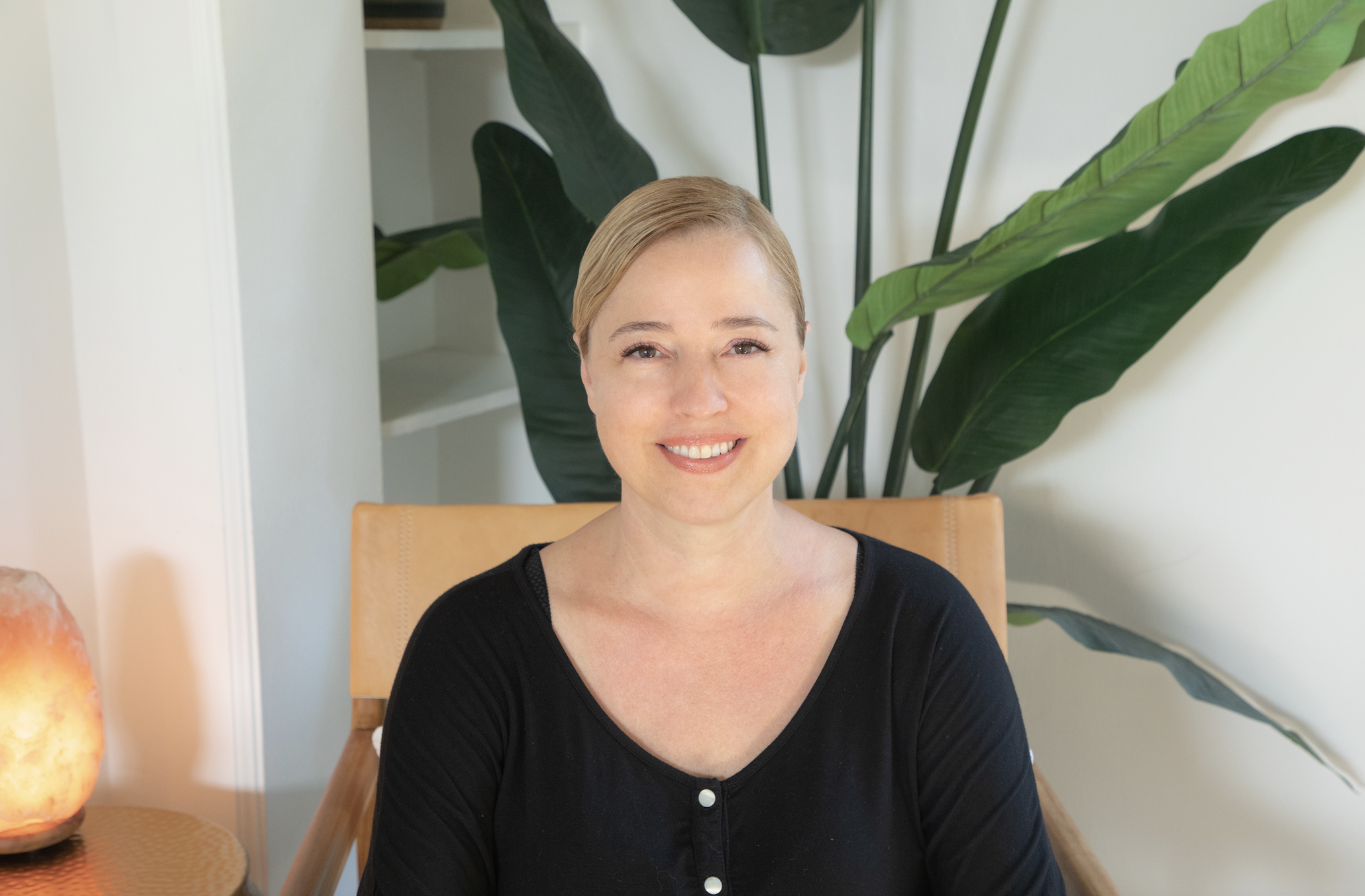
The Skin Master
Co-host | When Trina Renea became an esthetician she realized the key to success was lifelong learning - a goal that sets her apart from most skin care practitioners.
For over 30 years, she’s explored the fields of cosmetic chemistry, medical esthetics, dermatology, and plastic surgery, becoming an expert in a wide expanse of professional skin care brands, equipment, and treatments. She is a member of the Society of Cosmetic Chemists with three certifications in cosmetic sciences from UCLA and continues to attend spa, medical, esthetic, and scientific conferences worldwide.
Now considered a skin master due to her broad expertise, Trina is a consultant to the Southern California beauty industry and medical esthetic community, selecting and training staff, developing treatments, guiding product selection, and helping professionals best serve their clients.
In 2004, she founded the Facial Bungalow, a clinical spa offering advanced skin care technologies where she continues to work one-on-one with clients to this day. In 2008 she created Trina Renea Skincare.
Is Prescription Acne Treatment Now OTC?