Niacinamide Explained: Skin Barrier Repair, Hydration and Hyperpigmentation
If you've been paying attention to skincare trends over the past decade, you've likely noticed niacinamide appearing on ingredient lists everywhere. From major dermatology brands to independent esthetician-formulated lines, this powerhouse ingredient has earned its place as one of the most well-researched and versatile actives in modern skincare. In this episode of Facially Conscious, Niacinamide Explained: Skin Barrier Repair, Hydration, and Hyperpigmentation Support, cosmetic chemist Rebecca Gadberry and esthetician Trina Reneá break down exactly what niacinamide does, how much you need, and why it deserves a spot in nearly every skincare routine.
What Is Niacinamide?
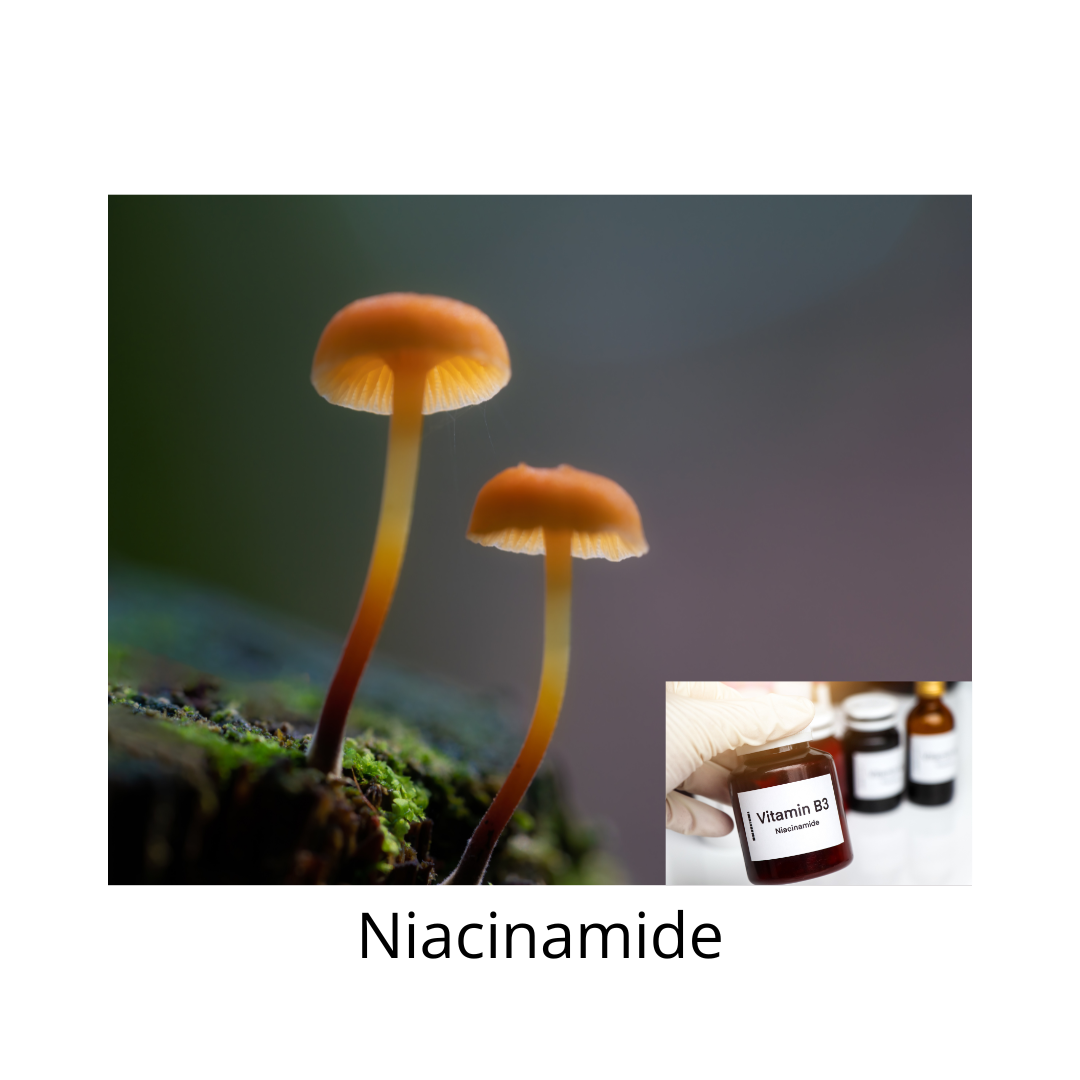
Niacinamide is the non-irritating form of vitamin B3, also known as niacin or nicotinamide. While these terms are often used interchangeably, niacinamide specifically refers to the gentle, topically effective form that works beautifully in skincare formulations. This ingredient has over forty functions in the human body, with thirty-six to thirty-seven of those directly benefiting the skin. That's an impressive resume for a single vitamin. What makes niacinamide particularly appealing for both skincare professionals and consumers is its affordability, stability in formulations, and compatibility with nearly all skin types. Whether you're dealing with barrier damage, hyperpigmentation, or signs of aging, niacinamide offers science-backed solutions. For anyone seeking ingredient deep dive content or esthetician tips grounded in real skincare education, understanding this multitasker isa must listen. .
Barrier Repair and Hydration: The Two Percent Solution
One of niacinamide's most celebrated benefits is its ability to repair and strengthen the skin barrier. At just two percent concentration, niacinamide stimulates the production of ceramides, the essential lipids that form the protective barrier in your stratum corneum. Think of ceramides as the mortar between bricks in a wall. When that mortar crumbles, your skin loses moisture, becomes sensitive, and struggles to protect itself from environmental stressors. Within one to two weeks of consistent use, niacinamide at two percent can restore proper cell-to-cell communication and create visibly smoother, more hydrated skin.
Rebecca references research from Dr. David Sinclair, a leading longevity scientist, who describes aging fundamentally as a communication problem between cells. As we age, our cells stop talking to each other effectively, leading to dysfunction and visible aging. Niacinamide helps restore that communication, allowing skin cells to behave more like their younger selves. This makes it particularly valuable for anyone with compromised barrier function, including those with rosacea, eczema-prone skin, or sensitivity from over-exfoliation. The two percent concentration offers these healthy skin habits benefits without irritation, making it an ideal starting point for anyone new to this ingredient or working with reactive skin.
Skin Lightening and Hyperpigmentation: The Five Percent Sweet Spot
When it comes to addressing hyperpigmentation, niacinamide truly shines at five percent concentration. This percentage has been clinically shown to lighten brown spots, melasma (often called the pregnancy mask), age spots, and hormonal darkening that commonly appears on the neck and chest. One particularly interesting benefit Rebecca discusses is niacinamide's ability to address lipofuscin buildup. Lipofuscin is a reddish-brown pigment that accumulates in skin cells over time, creating the characteristic darkening many people notice on their necks and décolletages as they age. Smokers may also notice a yellowish cast to their skin from lipofuscin, combined with other forms of oxidative damage.
Niacinamide works by inhibiting melanin transfer to skin cells and helping break down existing pigmentation. But it also addresses a lesser-known aging process called glycation. Rebecca describes this as the crème brûlée effect on your skin. Just as sugar caramelizes and hardens when heated, glucose in your bloodstream can bind to collagen proteins, making them stiff, yellow, and dysfunctional. This glycation process contributes to that crepey, aged appearance. Niacinamide helps prevent this sugar-protein binding, keeping collagen supple and functional. For visible results with hyperpigmentation, consistency is key. Most studies show significant improvement within twelve weeks of daily use. This makes 5% niacinamide an excellent choice for anyone seeking anti-aging skincare solutions.
Anti-Aging and Collagen Benefits
Beyond lightening and barrier repair, niacinamide offers impressive anti-aging benefits through its effect on fibroblast cells. These are the cells responsible for producing collagen and elastin, the structural proteins that keep skin firm and resilient. Unlike vitamin C, which can stimulate collagen production but often irritates sensitive skin, niacinamide encourages fibroblasts to produce healthy, well-formed collagen without the irritation. This translates to a visible reduction in fine lines, wrinkles, crow's feet, and marionette lines with consistent use.
The anti-glycation properties mentioned earlier also play a crucial role here. By preventing sugar-induced collagen stiffening, niacinamide helps maintain the flexibility and bounce that characterize youthful skin. Trina notes that clients often report improvements in overall skin texture and firmness, not just specific wrinkle reduction. This whole-skin improvement reflects niacinamide's multiple mechanisms of action working together.
Environmental Protection: UV, Pollution, and Blue Light
Niacinamide doesn't just repair existing damage. It also protects skin from ongoing environmental assault. Research shows it reduces photoimmunosuppression, the process by which UV radiation suppresses your skin's immune function and its ability to repair DNA damage. While niacinamide isn't a sunscreen replacement, it works alongside sun protection to minimize UV-related damage.
Perhaps even more relevant for modern life, niacinamide helps protect against particulate matter pollution, specifically PM2.5. These tiny particles from car exhaust, industrial emissions, and urban air pollution can penetrate skin and trigger inflammation and premature aging. Niacinamide interrupts this process, preventing particulates from causing as much damage. Rebecca mentions she's currently developing anti-pollution products that leverage this protective benefit.
There's also emerging research on blue light protection, though Rebecca notes this area needs more study. Blue light from screens and LED lighting may contribute to hyperpigmentation and oxidative stress in skin. While the jury is still out on the full extent of blue light damage, niacinamide's antioxidant properties offer some protective benefit. These environmental protections make niacinamide particularly valuable for anyone living in urban areas or spending significant time in front of screens, which describes most of us.
How to Find and Use Niacinamide
So how do you actually incorporate niacinamide into your routine? The key is finding products with the right concentration for your goals. For barrier repair, rosacea, or general skin health, look for 2%. For hyperpigmentation and more intensive anti-aging benefits, seek out 5%. Some products go up to 10%, but Rebecca cautions that higher concentrations can cause irritation, especially if your skin barrier is already compromised. 5% appears to be the sweet spot where you get maximum benefit without unnecessary risk of irritation.
Finding these specific percentages requires a bit of detective work. Many brands don't list the exact percentage on the front label. Rebecca offers a helpful tip: Google "five percent niacinamide images" and you'll find verified products that clearly state their concentration. You can also check the ingredient list. Niacinamide should appear among the first five to seven ingredients at a 5% concentration. The higher up the list, the higher the concentration.
Niacinamide plays well with other ingredients, particularly hyaluronic acid. Many effective serums combine both for hydration and barrier support. A simple five percent niacinamide serum typically retails for around fifteen dollars, making it one of the most affordable evidence-based skincare ingredients available. This accessibility is part of why estheticians and dermatologists recommend it so frequently. You don't need to spend a fortune to get real results.
Safety and Allergies
Is niacinamide safe for everyone? Generally, yes. True allergies to niacinamide are rare, though they can occur, particularly in individuals who are highly allergic to many substances. It's important to distinguish between irritation and allergy. Irritation typically presents as redness, stinging, or sensitivity, and often occurs when using a higher concentration on compromised skin. A true allergy involves an immune response and may include hives, swelling, or a persistent rash.
If you're new to niacinamide or have sensitive skin, start with 2% to build tolerance. Because niacinamide is a vitamin that our bodies naturally use and need, most people tolerate it exceptionally well. If you experience persistent irritation, reduce frequency or concentration rather than abandoning the ingredient entirely. The vast majority of users find niacinamide to be one of the gentlest, most well-tolerated actives in their skincare routine.
The Bottom Line
Niacinamide has been trending in skincare for fourteen years and shows no signs of slowing down. Dermatologists love it, cosmetic chemists formulate with it, and estheticians see real results in their treatment rooms. It repairs barriers, lightens hyperpigmentation, stimulates healthy collagen production, and protects against environmental damage. Few ingredients offer such comprehensive benefits with such minimal risk of irritation. Whether you're a skincare professional or simply someone who wants healthier, more resilient skin, niacinamide deserves your attention.
To dive deeper into ingredient education and skincare science, join the Facially Conscious community on Substack at https://faciallyconscious.substack.com/subscribe.
And for all things Facially Conscious, including podcast episodes, resources, and skincare education, visit https://linktr.ee/faciallyconscious.
For more insights from esthetician Trina Reneá, subscribe to her personal Substack at https://trinarenea.substack.com/.
The Skin Master
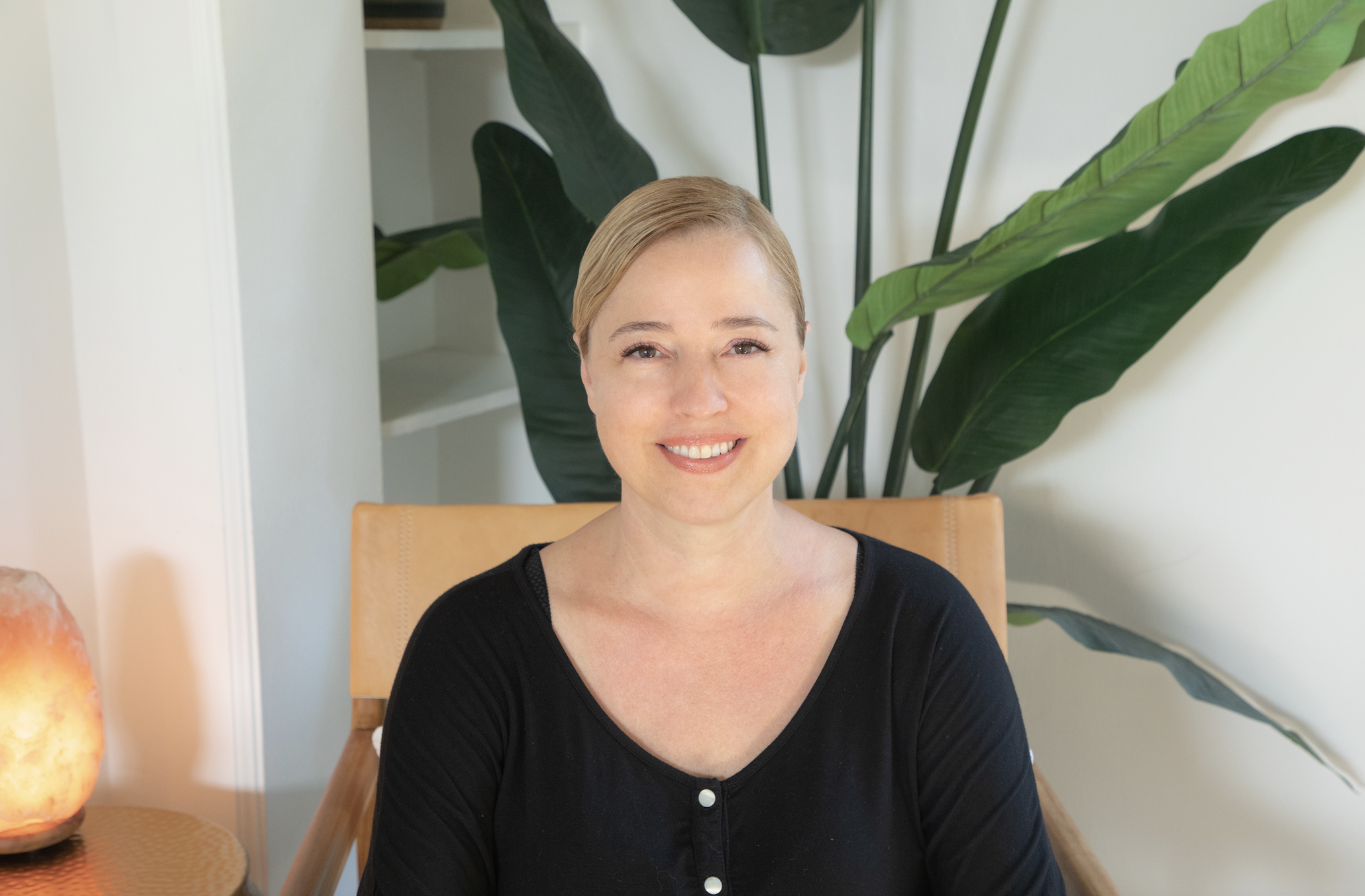
Co-host | When Trina Renea became an esthetician she realized the key to success was lifelong learning - a goal that sets her apart from most skin care practitioners.
For over 30 years, she’s explored the fields of cosmetic chemistry, medical esthetics, dermatology, and plastic surgery, becoming an expert in a wide expanse of professional skin care brands, equipment, and treatments. She is a member of the Society of Cosmetic Chemists with three certifications in cosmetic sciences from UCLA and continues to attend spa, medical, esthetic, and scientific conferences worldwide.
Now considered a skin master due to her broad expertise, Trina is a consultant to the Southern California beauty industry and medical esthetic community, selecting and training staff, developing treatments, guiding product selection, and helping professionals best serve their clients.
In 2004, she founded the Facial Bungalow, a clinical spa offering advanced skin care technologies where she continues to work one-on-one with clients to this day. In 2008 she created Trina Renea Skincare.