DAXXIFY vs Botox Explained, Dr. Doris Day on Fatigue
Listen to the full episode: Facially Conscious Podcast
When it comes to anti-aging skincare and aesthetic treatments, the conversation is constantly evolving. In this episode of the Facially Conscious podcast, board-certified dermatologist Dr. Doris Day joins hosts Trina Reneá, Dr. Vicki Rapaport, Julie Falls, and Rebecca Gadberry to break down the FDA-approved neuromodulator, DAXXIFY, and tackle a growing concern in the aesthetics world: filler fatigue. Dr. Day, a clinical professor at NYU Langone and author of Beyond Beautiful, brings her dermatology expertise and conservative aesthetic philosophy to help listeners understand how skincare works with injectables and what it means for achieving natural, healthy skin habits.
What Is DAXXIFY?
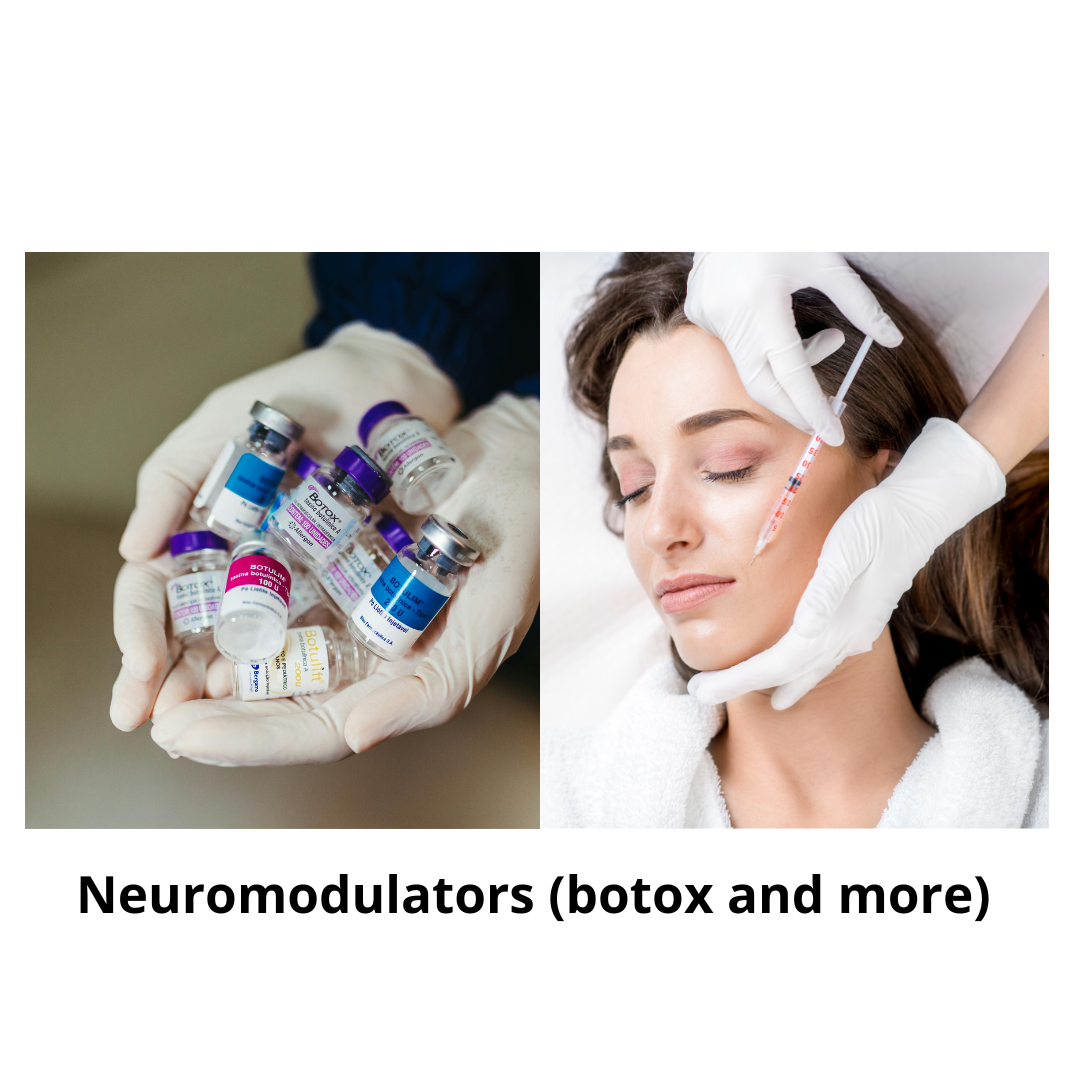
DAXXIFY is the fifth FDA-approved neuromodulator to enter the aesthetic medicine market, joining the ranks of Botox, Dysport, Jeuveau, and Xeomin. Developed by Revance Therapeutics, DAXXIFY began as a topical product before being reformulated for injection. What sets it apart from traditional Botox is its longevity. While most neuromodulators last approximately three to four months, DAXXIFY can last significantly longer in many patients.
But here's an important piece of skincare education that Dr. Day emphasizes: neuromodulators are not interchangeable. Think of them like different languages, each with its own unique recipe and pharmacological properties. You cannot directly compare units of Botox to units of DAXXIFY the same way you wouldn't translate English to French word-for-word and expect the same meaning. Each product has distinct characteristics that affect how it spreads, how long it lasts, and how it performs in different facial areas.
This matters because understanding how injectables work requires recognizing that one size does not fit all. The esthetician tips and dermatology insights shared in this episode remind us that effective treatment depends on matching the right product to the right patient and the right concern.
Why Doctors Choose Specific Neuromodulators
When it comes to selecting which neuromodulator to use, qualified practitioners base their decisions on individual patient needs rather than pricing or patient demand. Dr. Day explains that understanding the nuances of each product is essential for achieving optimal results.
DAXXIFY may be particularly useful for treating crow's feet, those fine lines that radiate from the outer corners of the eyes. These lines tend to fade faster than forehead lines when treated with traditional neuromodulators, making DAXXIFY's longer-lasting formula an attractive option. However, it's worth noting that FDA approval for specific treatment areas varies by product, and practitioners must work within those guidelines while also considering off-label applications based on their clinical experience.
The skincare advice here is clear: your doctor should choose products based on what works best for your unique facial anatomy, skin type, and aesthetic goals, not on what's newest or most heavily marketed.
The Trade-Off: Longer Results, Longer Side Effects
Here's where the conversation gets critical. While DAXXIFY's extended duration sounds appealing, there's an important trade-off to consider. If the product lasts longer, so do any potential side effects. Complications such as brow or eyelid droop, while rare when administered by skilled practitioners, will persist longer if they occur.
This is why Dr. Day advocates for a conservative approach when adopting new injectables. Rather than immediately using FDA-approved dosing, experienced practitioners often start with lower doses and carefully monitor results. This cautious methodology protects patients and allows doctors to understand how each individual responds to the treatment.
For anyone seeking anti-aging skincare solutions through injectables, this is essential skincare education: newer isn't always better, and longer-lasting isn't always ideal. The goal is to find what works safely and naturally for you.
What Is Filler Fatigue?
Filler fatigue has become one of the most discussed topics in aesthetic medicine, and Dr. Day provides a clear definition. It's not about the filler itself causing fatigue. Rather, it's the result of over-treatment, when patients receive filler injections on a fixed schedule rather than based on individual assessment and actual need.
Imagine repeatedly deflating and inflating a balloon. Eventually, it loses its shape and elasticity. The same principle applies to facial tissues that are repeatedly filled without consideration for how long the previous filler is actually lasting or whether more is truly needed.
What does filler fatigue look like? The telltale signs include duck lips, overfilled cheeks, dropped brows, small squinty eyes, exaggerated jawlines, and an overall appearance that looks more like a caricature than a natural face. It's the opposite of healthy skin habits and thoughtful aesthetic enhancement.
The root problem, as discussed in this in-depth dive into fillers, is treating schedules rather than people. The aesthetics industry often encourages patients to return every six months or annually for touch-ups, regardless of whether they actually need more product. This approach prioritizes patient retention over patient outcomes.
RHA Fillers and the New Generation
Not all fillers contribute to the fatigue problem. Dr. Day highlights RHA1 Redensity, a newer-generation hyaluronic acid filler from Revance, as a game-changing option. RHA fillers are designed to address fine lines around the mouth, like barcode lines and smoker's lines, without adding unwanted bulk or volume.
This represents an evolution in how skincare works at the filler level. Instead of simply plumping everything up, newer products aim for precision and natural movement, supporting the skin's structure without creating that overfilled look.
Smart Aesthetics: Understanding Facial Anatomy
One of the most valuable dermatology insights from this episode centers on facial anatomy. Dr. Day emphasizes that the forehead muscle plays a crucial role in elevating the brows. Overfreezing the forehead with neuromodulators can actually accelerate aging by causing the brows to drop and the eyes to appear smaller.
This is where esthetician tips meet medical expertise. Understanding how muscles work together, how skin moves, and how different areas of the face age differently is essential for achieving results that enhance rather than distort natural beauty.
The Multidimensional Approach to Aging
Dr. Day's philosophy extends far beyond injectables. True anti-aging skincare requires a comprehensive, multidimensional approach that includes high-quality skincare products, collagen restoration, devices such as Sofwave and Fotona, hormone replacement therapy when appropriate, and carefully chosen injectables.
Hormone replacement therapy deserves special mention. Dr. Day addresses the misinformation surrounding HRT, much of which stems from outdated research from the Women's Health Initiative. When properly dosed and administered by knowledgeable practitioners, HRT can support collagen production and overall health during menopause.
This holistic view represents the best skincare advice: no single treatment or product will solve everything. Healthy skin habits require addressing aging from multiple angles.
Finding a Qualified Practitioner
So, how do you find someone qualified to perform these treatments? Dr. Day recommends seeking referrals from trusted dermatologists and consulting resources like the American Society for Dermatologic Surgery (ASDS) and the American Academy of Dermatology (AAD). You can also call established dermatology practices and ask for recommendations.
The skincare education here is simple but vital: credentials matter, experience matters, and a conservative approach matters.
The Philosophy of Natural Results
Dr. Doris Day's guiding philosophy beautifully summarizes the entire conversation: the best aesthetic results are when friends say "you look great" without being able to identify exactly what was done. The goal isn't a dramatic transformation but a subtle, natural enhancement that maintains facial movement and proportion.
This is the heart of intelligent anti-aging skincare and aesthetic medicine. It's about looking like the best version of yourself, not like someone else entirely.
Ready to dive deeper into skincare education and dermatology insights?
👉 Join our Substack for exclusive content and updates from the Facially Conscious community.
👉 Read more from Trina Reneá and explore her personal insights on skincare, beauty, and wellness.
👉 Connect with us on Linktree for all our latest episodes, resources, and skincare advice.
For more episodes like this one, visit Facially Conscious and subscribe wherever you listen to podcasts.

The Skin Master
Co-host | When Trina Renea became an esthetician she realized the key to success was lifelong learning - a goal that sets her apart from most skin care practitioners.
For over 30 years, she’s explored the fields of cosmetic chemistry, medical esthetics, dermatology, and plastic surgery, becoming an expert in a wide expanse of professional skin care brands, equipment, and treatments. She is a member of the Society of Cosmetic Chemists with three certifications in cosmetic sciences from UCLA and continues to attend spa, medical, esthetic, and scientific conferences worldwide.
Now considered a skin master due to her broad expertise, Trina is a consultant to the Southern California beauty industry and medical esthetic community, selecting and training staff, developing treatments, guiding product selection, and helping professionals best serve their clients.
In 2004, she founded the Facial Bungalow, a clinical spa offering advanced skin care technologies where she continues to work one-on-one with clients to this day. In 2008 she created Trina Renea Skincare.