
Lutronic Derma V Laser Explained: Uses, Technology & Clinical Insight with Dr. James Wang
Listen to the full episode: Facially Conscious Podcast
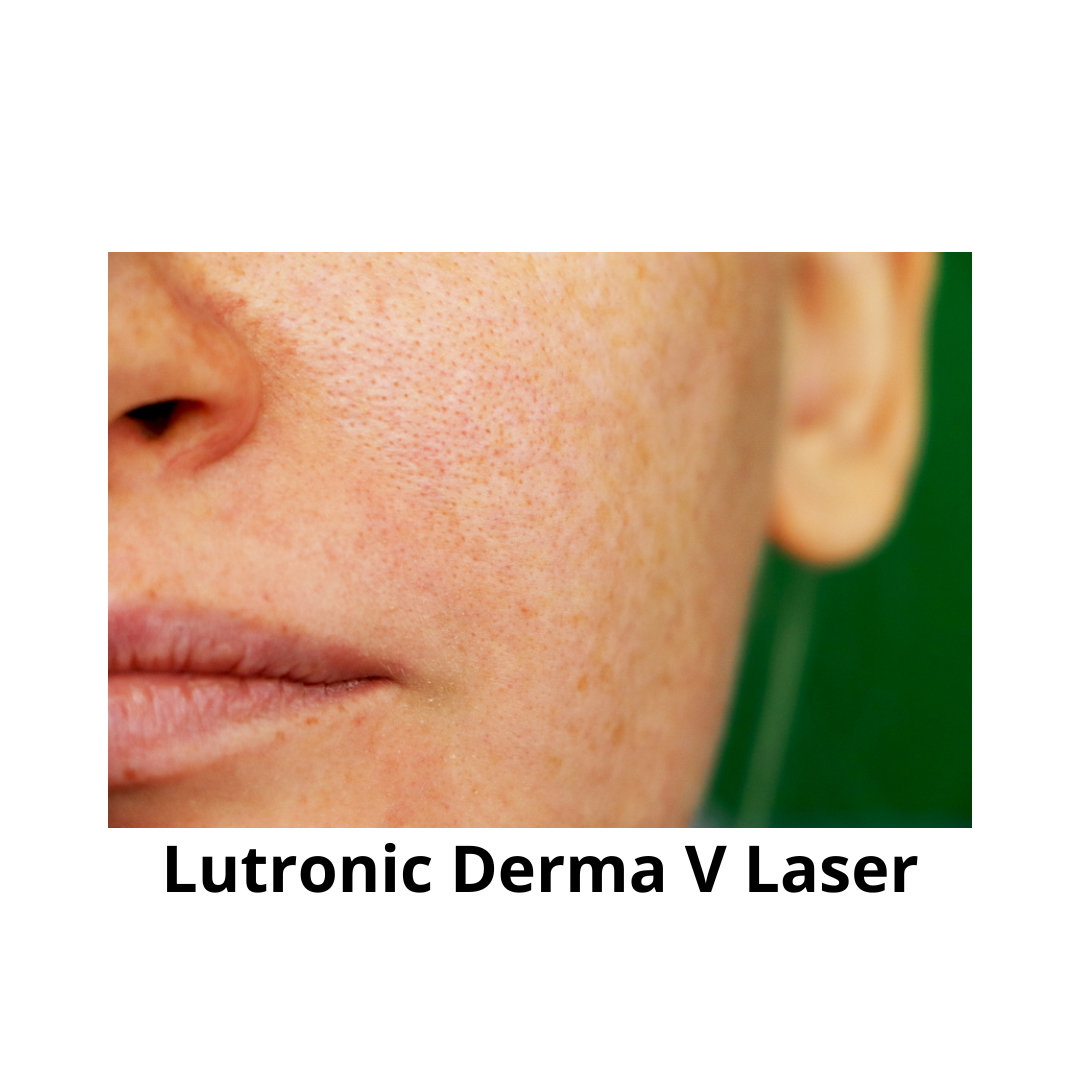
If you've ever looked in the mirror and noticed tiny red veins across your cheeks, stubborn spider veins on your legs, or persistent redness from rosacea, you've probably wondered if there's a safe, effective treatment that actually works. The answer might be the Lutronic Derma V laser, one of the newest and most advanced vascular laser technologies available today.
In this episode of the Facially Conscious podcast, our hosts sit down with board-certified dermatologist Dr. James Wang to break down everything you need to know about this cutting-edge laser treatment. From how it works to what it treats, and why professional dermatology care matters more than ever, this conversation offers essential skincare education for anyone curious about laser treatments for vascular lesions.
What Is the Derma V Laser?
The Lutronic Derma V is a vascular laser released in the past few years. It represents the next generation of laser technology designed specifically to treat blood vessels and vascular conditions in the skin. But what makes it different from the lasers that came before it?
According to Dr. Wang, the Derma V was developed to combine the strengths of previous laser platforms such as the PDL (pulsed dye laser), Vbeam, and Excel V while addressing their limitations. Older vascular lasers had significant drawbacks: the Vbeam often caused intense bruising that could last weeks, while the Excel V had higher complication rates and less effective cooling systems.
The Derma V takes the best features from each of these technologies and improves upon them with advanced cooling, dual-wavelength capability, and customizable settings that allow dermatologists to tailor treatments to each patient's unique skin type and concerns.
How the Derma V Laser Works: The Science Behind the Technology
Understanding how skincare works at a deeper level helps you make informed decisions about treatments. The Derma V uses two wavelengths of light: 1064 nanometers and 532 nanometers. These wavelengths are specifically chosen because they target the hemoglobin in blood vessels.
Here's how it works in simple terms: when the laser energy hits a blood vessel, it's absorbed by the red blood cells inside. This absorption creates heat that damages the lining of the blood vessel. Over time, your body naturally removes the damaged vessel, and the redness or visible vein disappears.
One of the most significant advances in the Derma V is its cryo cooling system, which uses liquid nitrogen to cool the skin before, during, and after each laser pulse. This cooling serves two important purposes: it protects the outer layer of your skin from heat damage, and it makes the treatment much more comfortable. Dr. Wang explains that this cooling technology is far superior to older systems, reducing the risk of complications like hyperpigmentation and making treatments safer for a wider range of skin types.
The laser pulse itself lasts less than one second, delivering precise energy exactly where it's needed without affecting surrounding tissue.
What Conditions Does the Derma V Treat?
The Derma V is incredibly versatile in treating vascular and pigmented skin concerns. During the podcast, Dr. Wang outlines the most common conditions he treats with this laser:
Facial redness and rosacea: Rosacea is a chronic skin condition that causes persistent redness, visible blood vessels, and sometimes bumps on the face. The Derma V can significantly reduce redness and improve skin texture, though Dr. Wang emphasizes that rosacea requires both medical management and cosmetic treatment for the best results.
Spider veins on the face and legs: These small, visible blood vessels can appear anywhere on the body. The Derma V treats both red and blue veins, which is a major advantage over older lasers that could only target red vessels.
Cherry angiomas: These bright red spots often appear on the torso and arms as we age. Dr. Wang shares that patients frequently worry these are skin cancer, but they're actually harmless collections of blood vessels that can be easily removed with the laser.
Blue veins around the eyes: The 1064-nanometer wavelength can penetrate deeper to treat bluish veins that show through thin skin around the eyes.
Pigmented sunspots and age spots: While primarily a vascular laser, the Derma V can also treat certain pigmented lesions caused by sun damage.
This range of applications makes the Derma V a valuable tool for anti-aging skincare and overall skin health.
Derma V vs. Other Vascular Lasers
If you've researched laser treatments before, you've probably heard of Vbeam, Excel V, or IPL (intense pulsed light). So how does the Derma V compare?
Derma V vs. Vbeam (PDL): The older Vbeam technology was effective but notorious for causing significant bruising that could last one to two weeks. Patients would often look like they had "eggplant-colored" bruises across their faces. The Derma V's superior cooling system dramatically reduces this bruising, with most patients experiencing minimal to no downtime.
Derma V vs. Excel V: While the Excel V could treat both red and blue veins, it had higher complication rates and less effective cooling. The Derma V offers better safety profiles and more customizable settings for different skin types.
Derma V vs. IPL: IPL is a broader-spectrum light technology that's less precise than laser treatment. The Derma V delivers more targeted energy with better results for vascular conditions.
Dr. Wang emphasizes that Derma V's ability to treat blue veins is particularly important, as previous-generation lasers couldn't effectively address these deeper vessels.
What to Expect: Your Derma V Treatment Experience
One of the most common questions about any laser treatment is: Will it hurt, and how much downtime will I have?
The good news is that Derma V treatments are relatively quick and comfortable. Each laser pulse lasts less than one second, and cryo-cooling makes the sensation tolerable for most patients. If you're concerned about discomfort, topical numbing cream is available, though many patients don't need it.
Unlike the old Vbeam treatments that left patients with significant bruising, the Derma V typically causes minimal downtime. You might have some temporary redness or slight swelling, but you can usually return to normal activities immediately.
For specific veins or cherry angiomas, Dr. Wang notes that results are often visible after just one or two sessions. However, conditions like rosacea may require multiple treatments spaced several weeks apart for optimal improvement.
This realistic approach to treatment expectations is part of the dermatology insights that make professional care so valuable.
Safety First: Understanding Risks and Side Effects
No medical treatment is without risks, and the Derma V is no exception. Dr. Wang is transparent about potential side effects, particularly post-inflammatory hyperpigmentation, which can occur when the skin produces extra melanin in response to laser treatment.
This risk is higher when treating leg veins, especially in patients with darker skin tones. That's why Dr. Wang always performs test spots first and waits four to six weeks to evaluate the skin's response before treating larger areas.
He also stresses the importance of medical evaluation before cosmetic treatment. Sometimes visible leg veins indicate underlying circulation issues that need to be addressed by a vascular specialist before laser treatment is appropriate.
This careful, methodical approach is what separates professional dermatology care from less qualified providers. The Derma V laser costs between $150,000 and $300,000 and is available only to board-certified dermatologists with the training and expertise to use it safely.
Investment in Professional Dermatology Care
Speaking of cost, what should you expect to pay for Derma V treatments?
Dr. Wang explains that pricing typically ranges from $350 to $750 per area, depending on the size and complexity of the treatment. While this might seem like a significant investment, it reflects the expertise, equipment, and safety protocols that come with professional dermatology care.
When you choose a board-certified dermatologist for laser treatments, you're not just paying for the laser itself. You're investing in years of medical training, proper diagnosis, customized treatment plans, and follow-up care that ensures the best possible outcomes.
This is particularly important for healthy skin habits in the long term. A properly trained dermatologist will evaluate your overall skin health, not just the specific concern you came in for.
Professional Ethics in Skincare Treatment
One of the most valuable parts of this podcast episode is Dr. Wang's discussion of ethics in aesthetic dermatology. He emphasizes that good doctors should ask patients what bothers them, rather than telling them what to fix.
"I always ask my patients, 'What bothers you when you look in the mirror?'" Dr. Wang explains. This patient-centered approach ensures that treatments address real concerns rather than creating insecurities to sell unnecessary procedures.
He also discusses the importance of customized settings for each patient's skin type, tone, and specific condition. There's no one-size-fits-all approach to laser treatments, and the Derma V's versatility allows dermatologists to adjust parameters for optimal safety and results.
This ethical framework is why the Derma V is limited to dermatologists rather than being available at med spas or other facilities where providers may lack proper training.
Key Takeaways from Dr. James Wang
As Trina Reneá, Dr. Vicki Rapaport, and Julie Falls discuss with Dr. Wang throughout the episode, several important points emerge:
The Derma V represents the safest and most effective vascular laser technology currently available, with minimal downtime and excellent results for a wide range of conditions.
Always request test spots, especially when treating leg veins, and be patient with the four to six-week follow-up period before proceeding with full treatment.
Rosacea requires a comprehensive approach that combines medical management with cosmetic treatments for the best results.
Professional dermatology care matters. The expertise, equipment, and ethical standards of board-certified dermatologists provide safety and outcomes that less qualified providers simply cannot match.
Realistic expectations are essential. While the Derma V is highly effective, it's not magic, and some conditions require multiple sessions or ongoing maintenance.
For anyone considering laser treatment for vascular lesions, this episode of the Facially Conscious podcast offers invaluable esthetician tips and skincare advice grounded in real clinical experience. The conversation demystifies laser technology and empowers listeners to make informed decisions about their skin health.
Whether you're dealing with rosacea, spider veins, or simply want to understand more about how skincare works at a professional level, this episode delivers the dermatology insights you need.
Ready to Learn More?
Join our Substack community for exclusive skincare education and expert insights:
Subscribe to Facially Conscious on Substack
Dive deeper into skincare science with Trina Reneá:
Read Trina's Substack
Connect with the Facially Conscious community:
Join us on Linktree

The Skin Master
Co-host | When Trina Renea became an esthetician she realized the key to success was lifelong learning - a goal that sets her apart from most skin care practitioners.
For over 30 years, she’s explored the fields of cosmetic chemistry, medical esthetics, dermatology, and plastic surgery, becoming an expert in a wide expanse of professional skin care brands, equipment, and treatments. She is a member of the Society of Cosmetic Chemists with three certifications in cosmetic sciences from UCLA and continues to attend spa, medical, esthetic, and scientific conferences worldwide.
Now considered a skin master due to her broad expertise, Trina is a consultant to the Southern California beauty industry and medical esthetic community, selecting and training staff, developing treatments, guiding product selection, and helping professionals best serve their clients.
In 2004, she founded the Facial Bungalow, a clinical spa offering advanced skin care technologies where she continues to work one-on-one with clients to this day. In 2008 she created Trina Renea Skincare.

What's Really in Your Sunscreen? A Cosmetic Chemist Breaks It Down