Advanced Laser Skin Treatments Explained: Hollywood Spectra MDF and Combination Therapy for Acne Scars and Pores
Why Are Laser Treatments Still So Confusing—for Professionals and Patients?
Despite rapid advancements in aesthetic technology, there remains a persistent question in both clinical and esthetic settings:
Why do some laser treatments deliver meaningful, long-term results while others fall short?
Part of the confusion stems from outdated expectations. Historically, treatments have focused on single concerns—pigmentation, texture, or acne scars—often at one level of the skin. Today, newer technologies challenge that model by working across multiple depths with greater precision.
In this episode of Facially Conscious, our panel explores two innovations reshaping this conversation:
- The Hollywood Spectra with MDF (Multi-Depth Focal) handpiece
- Combination treatment protocols, including RF microneedling with 1927 nm laser resurfacing
Together, they represent a more integrated, layered approach to skin health.
The Hollywood Spectra MDF Handpiece: Precision at Multiple Skin Depths
What Makes MDF Different?
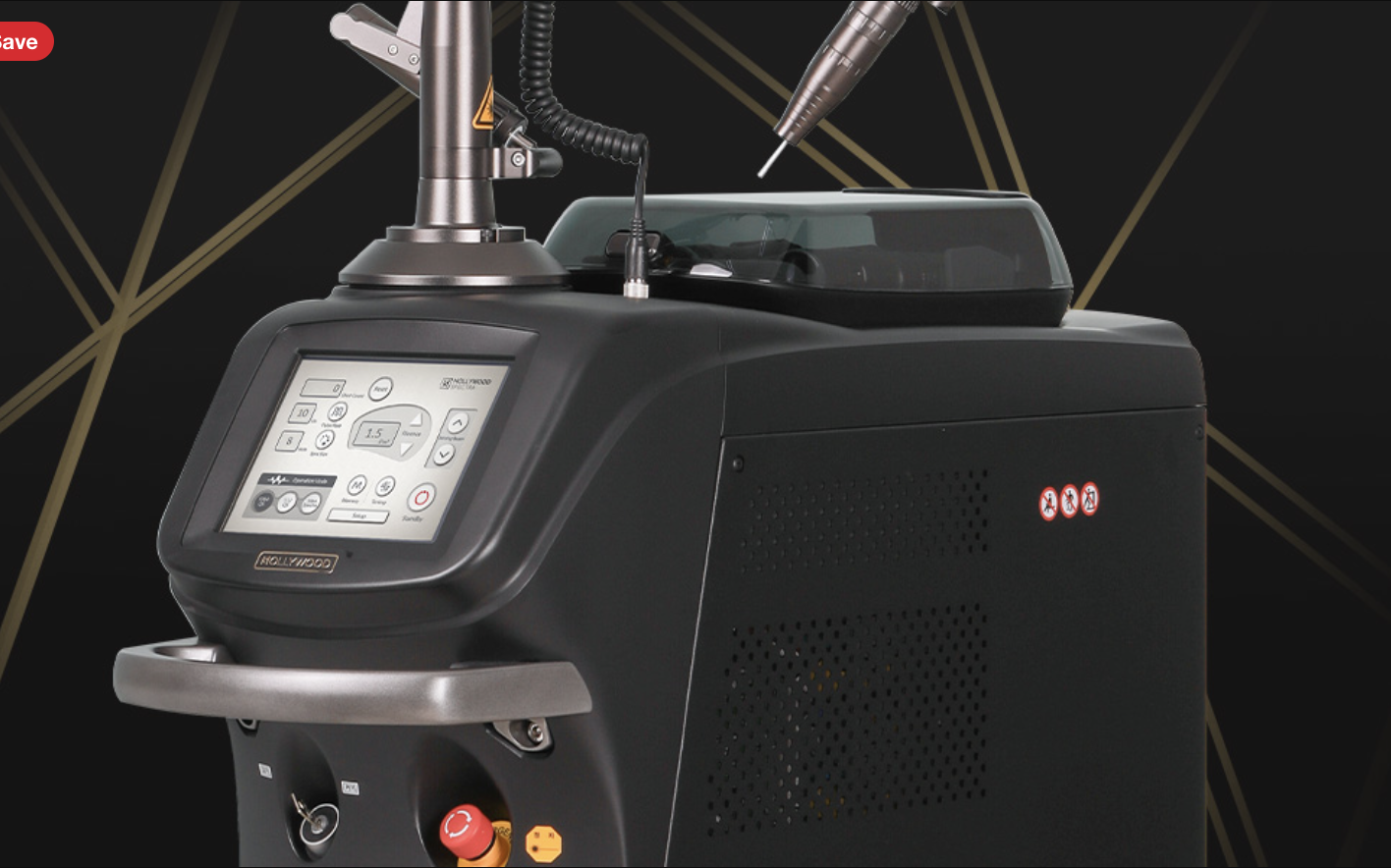
The Hollywood Spectra laser has long been used for toning and pigment concerns. The introduction of the MDF handpiece expands its capabilities significantly.
Using a 1064 nm wavelength, the MDF handpiece delivers energy in a grid of concentrated microbeams. These beams can be precisely controlled to target specific depths within the skin.
Why Depth Control Matters
Traditional resurfacing treatments often lack specificity in how deeply energy is delivered. With MDF, practitioners can:
- Target superficial layers for texture refinement
- Reach deeper dermal layers for collagen remodeling
- Adjust treatment based on scar type or skin condition
This creates a structured pattern of controlled micro-injury—stimulating collagen while preserving surrounding tissue integrity.
Clinical Relevance for Acne Scarring
For rolling scars and dermal depressions, this approach allows for:
- Gradual lifting of indented areas
- Improved dermal support through collagen regeneration
- More consistent outcomes compared to surface-only treatments
Can Laser Treatments Actually Reduce Pore Size?
A Longstanding Limitation in Skincare
In both cosmetic chemistry and clinical practice, pore size has traditionally been addressed only in terms of appearance, not structural change.
This distinction exists because:
- True structural changes require biological remodeling
- Most topical products cannot alter follicular architecture
How MDF Changes the Conversation
The MDF handpiece introduces a mechanism that may support true pore size reduction:
- Collagen production is stimulated around hair follicles
- Increased dermal support may compress follicular openings
- Results are based on structural change, not temporary swelling
This represents a meaningful shift in how professionals can approach pore-related concerns.
Combination Treatments: Why Multi-Layer Approaches Are More Effective
Moving Beyond Single-Modality Treatments
One of the most important insights from this discussion is the growing role of combination therapies in aesthetic medicine.
Dr. James Wang highlights a protocol often referred to as Total Skin Solutions, combining:
- RF Microneedling (Genius device)
- 1927 nm Laser Resurfacing (Ultra laser)
How These Technologies Work Together
Each modality targets a different layer:
RF Microneedling (Dermal Level)
- Delivers radiofrequency energy deep into the skin
- Creates controlled coagulation zones
- Stimulates long-term collagen production
1927 Laser (Epidermis + Superficial Dermis)
- Improves pigmentation and surface texture
- Enhances skin tone and clarity
- Creates microchannels in the skin
Why Combining Them Reduces Downtime
Interestingly, combining these treatments may reduce inflammation, not increase it.
- Microchannels from the laser allow heat dissipation
- This can lead to less swelling and faster recovery
- Patients often experience more efficient healing compared to RF microneedling alone
What Patients and Providers Can Expect
Treatment Experience and Timeline
- Procedure time: ~30 minutes
- Short-term effects:
- Mild redness (1–2 days)
- Temporary rough texture
- Visible improvements:
- 2–4 weeks (texture and radiance)
- Continued collagen remodeling:
- Up to 6 months
Suitability Across Skin Types
- Can be performed on a range of skin tones
- Darker skin types require:
- Conservative settings
- Careful provider selection
- Possibly more sessions
Frequency and Maintenance
- General maintenance: 1–2 treatments per year
- Acne scarring: may require a series of treatments
Choosing the Right Provider: A Critical Factor
Even the most advanced technologies depend heavily on clinical judgment and customization.
When evaluating a provider, consider:
- Experience with specific devices and protocols
- Ability to adjust settings for skin type and condition
- Willingness to explain treatment rationale and expectations
Technology alone does not determine outcomes—application does.
A Broader Shift in Aesthetic Medicine
These innovations reflect a larger transition in skincare:
- From isolated treatments → integrated protocols
- From surface-level correction → multi-depth remodeling
- From short-term results → long-term skin function improvement
For both professionals and patients, this requires a shift in thinking:
Effective treatments are no longer about intensity—but precision, layering, and biological response.
Key Takeaways
- The Spectra MDF handpiece allows precise, depth-controlled collagen stimulation
- Emerging evidence supports structural improvements in pore size
- Combination treatments can enhance results while reducing downtime
- Outcomes depend significantly on provider expertise and customization
- The future of skincare lies in multi-layer, evidence-informed approaches
Listen to the Full Episode
To hear the full discussion with Dr. James Wang and our Facially Conscious panel, including deeper insights into treatment protocols and clinical decision-making, we invite you to listen to the complete episode:
“The revolutionary Spectra FX Laser with Dr. James Wang”
Listening to the full conversation offers valuable context for both skincare professionals and curious listeners navigating today’s evolving treatment landscape.
Have a question? Send us an email at info@faciallyconscious.co
LIKE, FOLLOW & REVIEW US ON INSTAGRAM, & WHERE YOU LISTEN TO PODCASTS!
Visit our website www.faciallyconscious.com
Linktree | Facially Conscious
Join our new Patreon and Substack for more content from Facially Conscious
Follow Our Hosts On Instagram
Trina Renea - Medically-trained master esthetician and celebrities’ secret weapon
Linktree | Trina Renea, @trinareneaskincare, trinarenea.com and Substack
Julie Falls- Our educated consumer is here to represent you! @juliefdotcom
Dr. Vicki Rapaport -Board Certified dermatologist with practices in Beverly Hills and Culver City @rapaportdermatology and https://www.rapdermbh.com/
The Skin Master
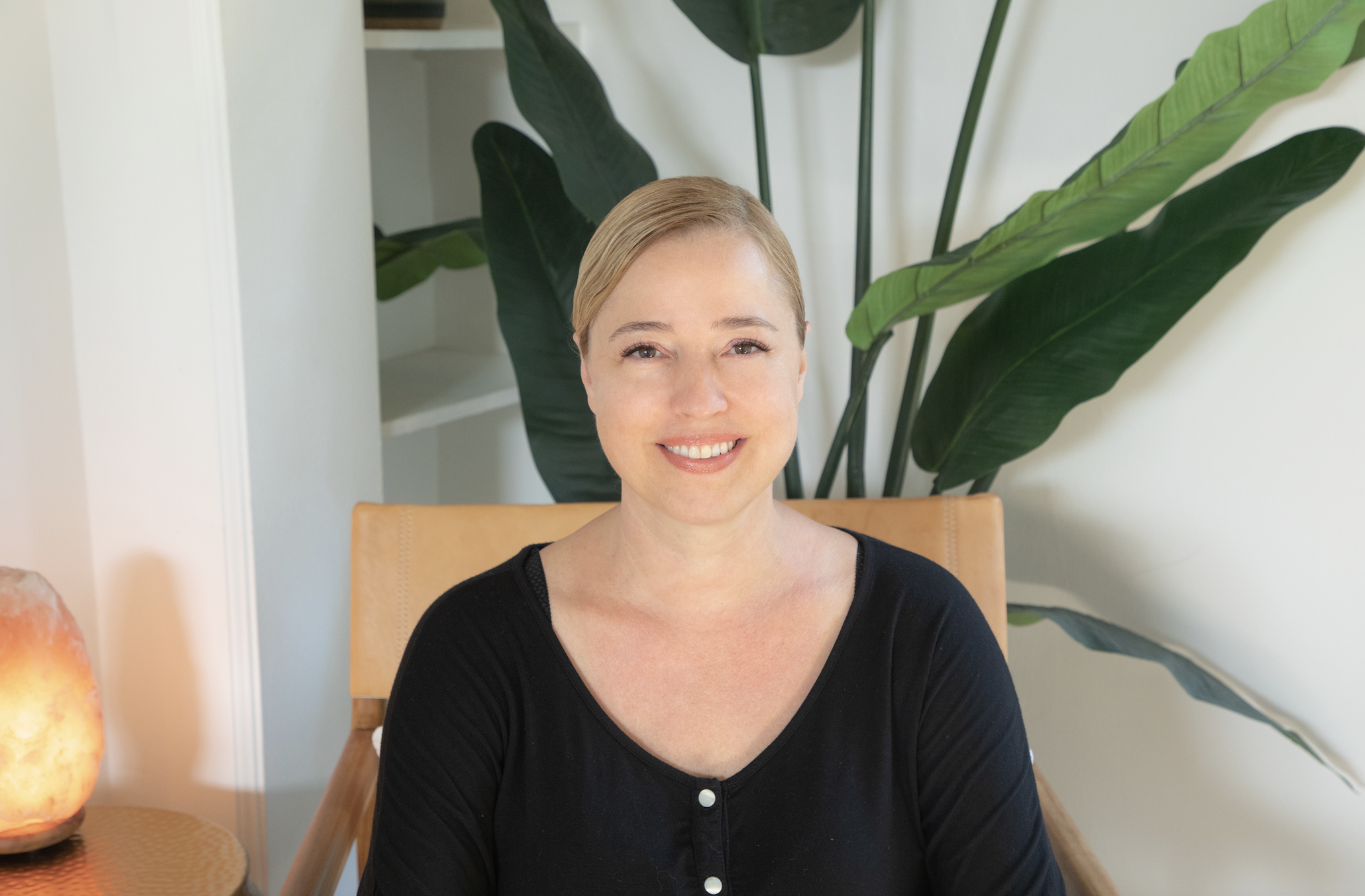
Co-host | When Trina Renea became an esthetician she realized the key to success was lifelong learning - a goal that sets her apart from most skin care practitioners.
For over 30 years, she’s explored the fields of cosmetic chemistry, medical esthetics, dermatology, and plastic surgery, becoming an expert in a wide expanse of professional skin care brands, equipment, and treatments. She is a member of the Society of Cosmetic Chemists with three certifications in cosmetic sciences from UCLA and continues to attend spa, medical, esthetic, and scientific conferences worldwide.
Now considered a skin master due to her broad expertise, Trina is a consultant to the Southern California beauty industry and medical esthetic community, selecting and training staff, developing treatments, guiding product selection, and helping professionals best serve their clients.
In 2004, she founded the Facial Bungalow, a clinical spa offering advanced skin care technologies where she continues to work one-on-one with clients to this day. In 2008 she created Trina Renea Skincare.