Behind the Scenes of Skincare Product Development: Safety, Stability, and Science Explained

Introduction: Why Skincare Product Development Is Often Misunderstood
There’s a growing tension in skincare conversations: natural vs. formulated, DIY vs. lab-developed, minimal vs. medically guided. For both professionals and consumers, the question remains—what actually makes a skincare product safe, effective, and worth using?
In this episode of Facially Conscious, our interdisciplinary panel—spanning cosmetic science, esthetics, and clinical insight—unpacks what truly happens behind the scenes of skincare product development. From formulation and stability testing to manufacturing and packaging, this discussion offers a grounded, evidence-informed look at an often oversimplified process.
The Reality of DIY Skincare vs. Professional Formulation
Why “Natural” Doesn’t Always Mean Safe
DIY skincare continues to gain attention, often framed as a more “natural” or accessible alternative to professionally developed products. But from both a scientific and clinical standpoint, this approach introduces significant risks.
Without proper formulation controls, products made outside of a lab environment can:
- Lack stability
- Harbor bacterial growth
- Deliver inconsistent or ineffective results
As discussed in the episode, ingredients are not inherently beneficial simply because they are recognizable. The way an ingredient is processed, stabilized, and delivered determines how it interacts with the skin.
Ingredient Example: Olive Oil vs. Squalane
A useful comparison is olive oil versus squalane. While both originate from similar sources, their function on the skin differs significantly.
- Olive oil (unprocessed): sits on the surface, can oxidize, limited penetration
- Squalane (lab-refined): stable, lightweight, designed for skin compatibility and absorption
This distinction highlights a central truth: formulation matters more than familiarity.
Why Stability and Preservation Are Essential in Skincare
What Is Stability Testing in Skincare?
Stability testing ensures that a product maintains its safety, efficacy, and integrity over time. This includes evaluating:
- Temperature tolerance
- Ingredient interactions
- Shelf life
- Microbial resistance
Without this step, even well-intended formulations can degrade or become unsafe.
The Role of Preservatives in Product Safety
Preservatives are often misunderstood in skincare conversations. While “preservative-free” claims may sound appealing, they can compromise product safety.
Proper preservation:
- Prevents bacterial and fungal growth
- Extends product usability
- Protects both the formula and the user
The discussion also highlights alternative preservation methods—such as specialized packaging systems—but these are often costly and less accessible.
The Skincare Product Development Process: From Idea to Shelf
For professionals considering launching a skincare line, understanding the full development timeline is essential.
Key Phases of Product Development
- Concept and ingredient selection
- Formulation and lab testing
- Stability and safety testing
- Packaging compatibility testing
- Manufacturing and scaling
This process can take months to years, depending on complexity and regulatory considerations.
Time and Financial Investment
Developing a skincare product is not only time-intensive but also financially demanding.
General considerations include:
- Initial development costs (starting around $5,000 for basic entry)
- Full-scale launches often ranging from $100,000–$200,000 per product
- Legal, regulatory, and marketing expenses
This reinforces the importance of planning, patience, and realistic expectations.
Choosing the Right Manufacturer and Packaging
Why Manufacturing Partnerships Matter
A qualified manufacturer plays a critical role in:
- Compounding formulations
- Ensuring consistency
- Managing production and quality control
Alignment between your vision and your manufacturer’s capabilities is essential for product success.
Packaging Is More Than Aesthetic
Packaging decisions directly impact product stability and usability.
Considerations include:
- Material compatibility with the formula
- Air exposure and contamination risk
- Supply chain timelines
In some cases, packaging delays can affect launch timelines just as much as formulation itself.
Private Label Skincare: A Strategic Entry Point
For those not ready to invest in full-scale product development, private labeling offers an alternative.
What Is Private Label Skincare?
Private labeling involves purchasing pre-formulated products and branding them as your own.
Benefits and Limitations
Benefits:
- Lower upfront cost
- Faster time to market
- Reduced development complexity
Limitations:
- Less formulation control
- Reduced product uniqueness
This approach is often used as a testing ground before investing in custom development.
Key Takeaways for Professionals and Skincare-Curious Readers
- Skincare product development is a highly controlled, scientific process
- Stability and preservation are non-negotiable for safety
- DIY skincare lacks the safeguards required for consistent results
- Time, cost, and expertise are essential factors in product creation
- Collaboration across disciplines leads to better, safer outcomes
A More Informed Approach to Skincare
Understanding what happens behind the scenes allows both professionals and consumers to make more informed decisions—whether that’s developing a product line or simply choosing what to apply to your skin.
This conversation reflects the value of interdisciplinary insight, where cosmetic science, clinical knowledge, and esthetic experience intersect to bring clarity to an often confusing space.
Listen to the Full Episode
For a deeper exploration of skincare product development—including real-world insights, professional perspectives, and nuanced discussion—listen to the full episode of Facially Conscious.
Follow, download, and stay connected for more conversations that bridge the gap between science, skin, and informed care.
Have a question? Send us an email at info@faciallyconscious.co
LIKE, FOLLOW & REVIEW US ON INSTAGRAM, & WHERE YOU LISTEN TO PODCASTS!
Visit our website www.faciallyconscious.com
Linktree | Facially Conscious
Join our new Patreon and Substack for more content from Facially Conscious
Follow Our Hosts On Instagram
Trina Renea - Medically-trained master esthetician and celebrities’ secret weapon
Linktree | Trina Renea, @trinareneaskincare, trinarenea.com and Substack
Julie Falls- Our educated consumer is here to represent you! @juliefdotcom
Dr. Vicki Rapaport -Board Certified dermatologist with practices in Beverly Hills and Culver City @rapaportdermatology and https://www.rapdermbh.com/
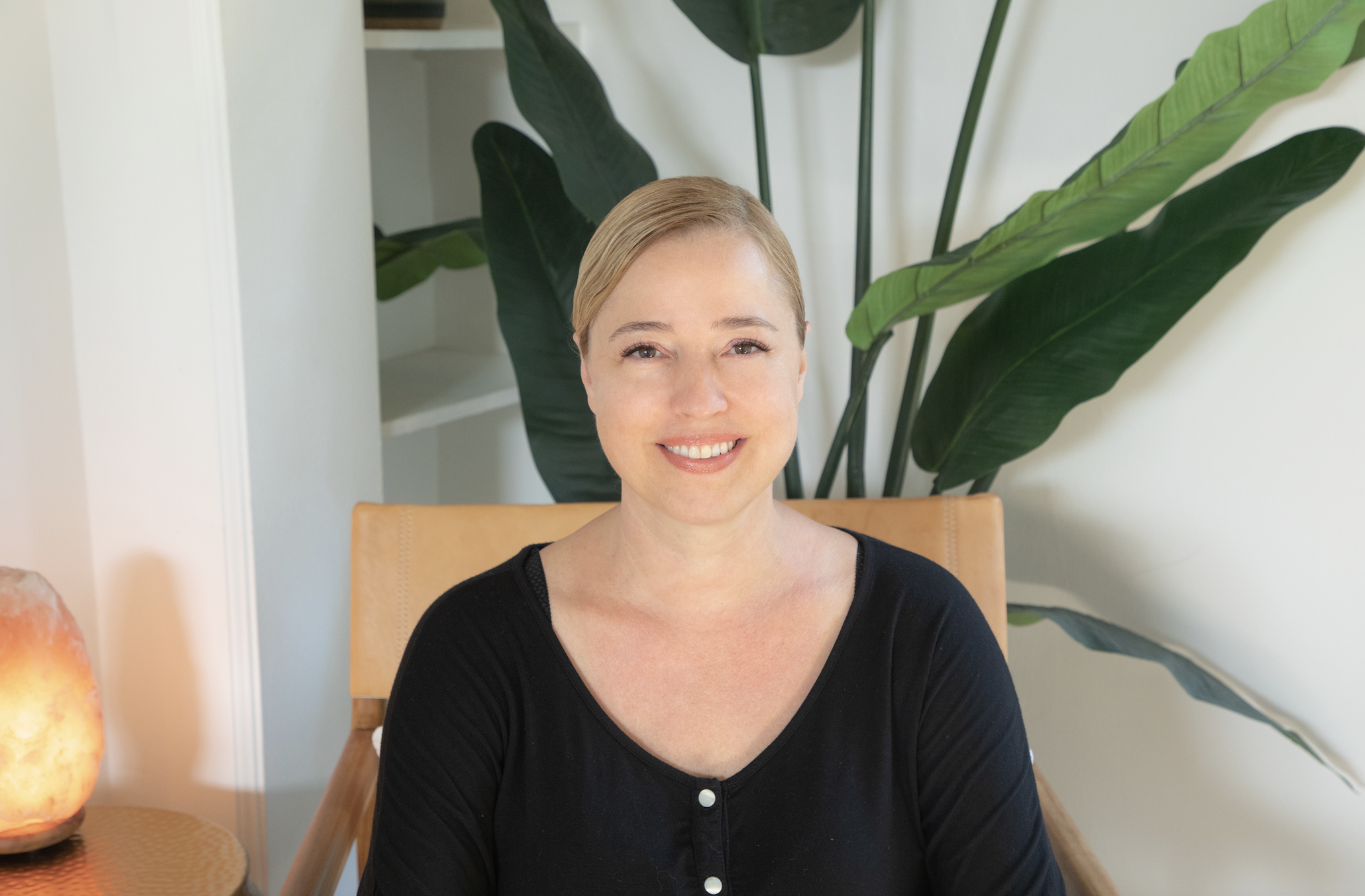
The Skin Master
Co-host | When Trina Renea became an esthetician she realized the key to success was lifelong learning - a goal that sets her apart from most skin care practitioners.
For over 30 years, she’s explored the fields of cosmetic chemistry, medical esthetics, dermatology, and plastic surgery, becoming an expert in a wide expanse of professional skin care brands, equipment, and treatments. She is a member of the Society of Cosmetic Chemists with three certifications in cosmetic sciences from UCLA and continues to attend spa, medical, esthetic, and scientific conferences worldwide.
Now considered a skin master due to her broad expertise, Trina is a consultant to the Southern California beauty industry and medical esthetic community, selecting and training staff, developing treatments, guiding product selection, and helping professionals best serve their clients.
In 2004, she founded the Facial Bungalow, a clinical spa offering advanced skin care technologies where she continues to work one-on-one with clients to this day. In 2008 she created Trina Renea Skincare.
A New Sunscreen Ingredient Is Coming. Is It Actually Better?