Botox and Neuromodulators Explained: Safety, Costs, and What to Know in 2025
Why Is Botox Still So Misunderstood?
If you’ve ever questioned whether Botox is safe, necessary, or even worth it—you’re not alone. Despite more than two decades of clinical use, confusion around neuromodulators remains widespread. Patients often ask: Is Botox a toxin? When should I start? Can it prevent aging?
In this episode of the Facially Conscious Podcast, a dermatologist, an esthetician, and a well-informed consumer explore these exact questions. Their discussion offers a grounded, interdisciplinary perspective—cutting through both marketing claims and misinformation to clarify what neuromodulators actually do, and when (or if) they make sense.
What Are Neuromodulators—and How Does Botox Work?
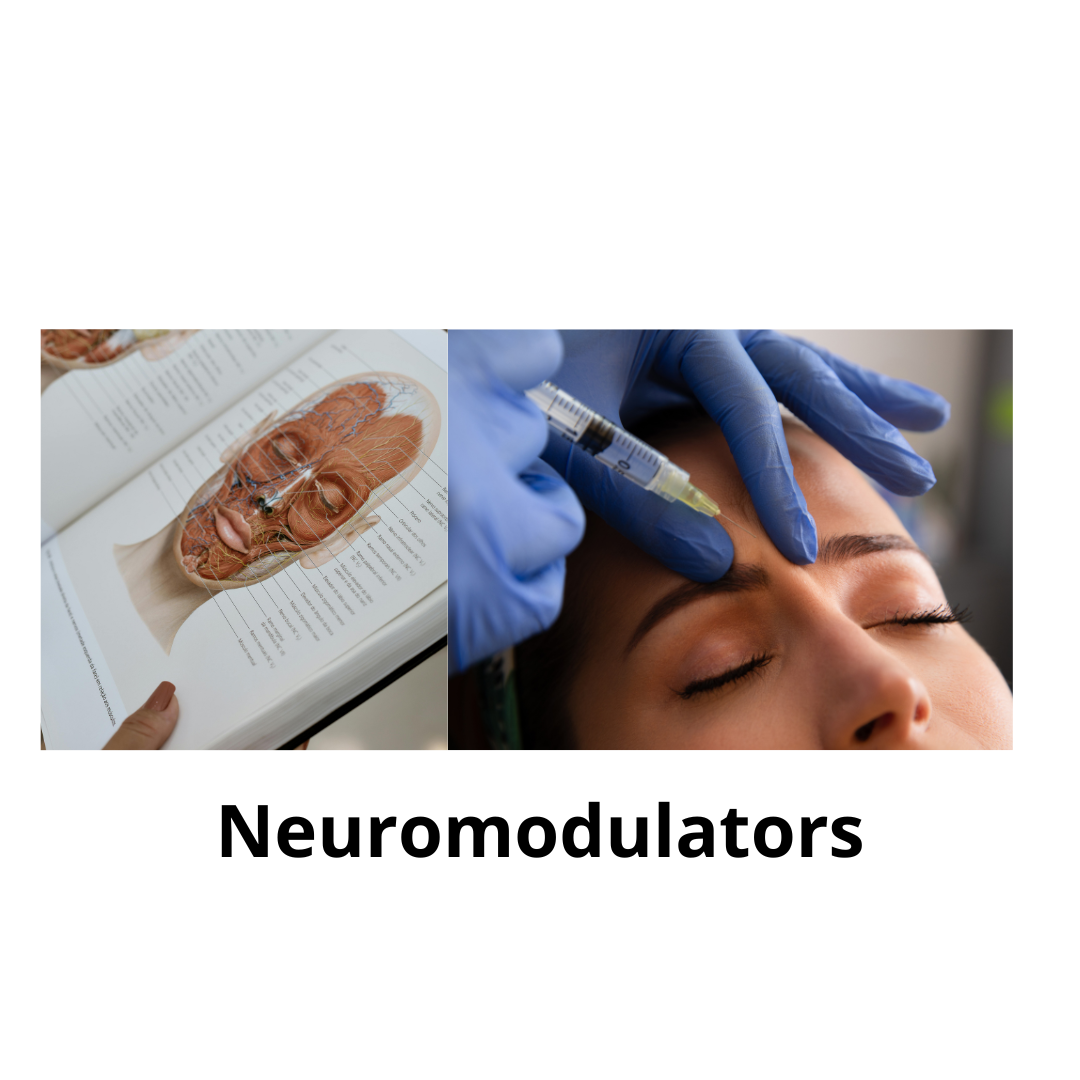
Neuromodulators like Botox are often misunderstood as fillers or harmful substances. In reality, they are purified, controlled proteins used to temporarily relax targeted muscles.
The Core Function
- Neuromodulators reduce dynamic wrinkles (lines caused by muscle movement)
- They work by interrupting nerve signals to specific facial muscles
- The result: softened expression lines, not added volume
They are:
- Not fillers
- Not permanent
- Highly studied and regulated
When administered correctly, they simply reduce the muscle activity responsible for wrinkles—nothing more.
Neuromodulator Options in 2025
While “Botox” is often used as a catch-all term, there are now multiple FDA-approved neuromodulators available.
Common Options
- Botox (onabotulinumtoxinA): The most established, widely researched
- Dysport: Slightly faster onset, broader diffusion
- Xeomin: Formulated without accessory proteins
- Jeuveau: Designed specifically for aesthetic use
- Daxxify: Longer-lasting results (up to ~6 months in some cases)
Key Takeaway:
The differences are subtle for most patients. Outcomes depend more on injector skill and facial anatomy than brand selection.
Beyond Aesthetics: Medical Uses of Neuromodulators
Neuromodulators are not limited to cosmetic treatments. They are widely used in medicine.
FDA-Approved Medical Applications
- Chronic migraines
- Excessive sweating (hyperhidrosis)
- Muscle spasms (dystonia)
- Bladder dysfunction
They are also used off-label for:
- TMJ discomfort
- Jaw clenching (masseter hypertrophy)
This dual role reinforces their reputation as a well-established medical tool, not just a cosmetic treatment.
Botox Cost in 2025: What Are You Really Paying For?
Pricing can vary significantly depending on:
- Provider expertise
- Geographic location
- Product used
Typical Range:
- $9–$25 per unit
- 20–40 units per area
Important Consideration:
Lower pricing does not necessarily mean better value. In many cases, it may reflect:
- Inconsistent dosing
- Lower experience levels
- High-volume treatment models
The most important factor is not price—it’s injector skill.
Preventative Botox: Necessary or Overhyped?
One of the most debated topics in aesthetics is preventative Botox.
The Reality
- Neuromodulators can soften existing lines
- There is limited evidence they prevent aging entirely
- Wrinkles form due to time, movement, and skin changes—not just muscle activity
A Practical Perspective:
If no visible line exists—and nothing concerns you—treatment may not be necessary.
Key Insight:
Aging is not something to “stop.” It’s something to understand.
Common Concerns About Botox Safety
Even with strong safety data, patients still have valid concerns.
Can Botox Cause Drooping?
Yes—but it’s rare and temporary. It can occur even with experienced injectors due to natural anatomical variation.
Can It Spread or Move?
The idea that Botox “travels” significantly (e.g., from lying down) is largely unsupported.
Can It Cause Serious Harm?
With proper administration, neuromodulators have a strong safety profile backed by decades of use.
When Should You Consider Neuromodulators?
A simple guideline emerged from the discussion:
Treat what genuinely bothers you—not what you’re told to fix.
Signs You Might Consider Treatment:
- A line remains visible at rest
- A specific expression line feels bothersome
- You’re seeking subtle softening—not transformation
Signs You May Not Need It:
- No visible concern
- External pressure (social media, unsolicited opinions)
- Curiosity without intention
Choosing the Right Injector Matters More Than Anything
The most consistent message across disciplines is this:
Prioritize Experience Over Price or Brand
Look for:
- Strong understanding of facial anatomy
- Medical oversight (dermatologist, plastic surgeon, or trained nurse injector)
- Natural-looking results
Best Practice:
- Start conservatively
- Adjust gradually
- Avoid overcorrection
Neuromodulators are technique-dependent treatments—results reflect the injector, not just the product.
The Bottom Line on Botox and Neuromodulators
Neuromodulators are:
- Temporary
- Well-studied
- Effective for dynamic wrinkles
They are not:
- A replacement for aging
- A necessity for everyone
- A one-size-fits-all solution
The most natural results are often the ones you don’t notice.
Listen to the Full Episode
This conversation only scratches the surface of what’s explored in the full episode. For a deeper, more nuanced understanding—from both medical and esthetic perspectives—listen to:
“Botox” on the Facially Conscious Podcast
Have a question? Send us an email at info@faciallyconscious.co
LIKE, FOLLOW & REVIEW US ON INSTAGRAM, & WHERE YOU LISTEN TO PODCASTS!
Visit our website www.faciallyconscious.com
Linktree | Facially Conscious
Join our new Patreon and Substack for more content from Facially Conscious
Follow Our Hosts On Instagram
Trina Renea - Medically-trained master esthetician and celebrities’ secret weapon
Linktree | Trina Renea, @trinareneaskincare, trinarenea.com and Substack
Julie Falls- Our educated consumer is here to represent you! @juliefdotcom
Dr. Vicki Rapaport -Board Certified dermatologist with practices in Beverly Hills and Culver City @rapaportdermatology and https://www.rapdermbh.com/
The Skin Master
Co-host | When Trina Renea became an esthetician she realized the key to success was lifelong learning - a goal that sets her apart from most skin care practitioners.
For over 30 years, she’s explored the fields of cosmetic chemistry, medical esthetics, dermatology, and plastic surgery, becoming an expert in a wide expanse of professional skin care brands, equipment, and treatments. She is a member of the Society of Cosmetic Chemists with three certifications in cosmetic sciences from UCLA and continues to attend spa, medical, esthetic, and scientific conferences worldwide.
Now considered a skin master due to her broad expertise, Trina is a consultant to the Southern California beauty industry and medical esthetic community, selecting and training staff, developing treatments, guiding product selection, and helping professionals best serve their clients.
In 2004, she founded the Facial Bungalow, a clinical spa offering advanced skin care technologies where she continues to work one-on-one with clients to this day. In 2008 she created Trina Renea Skincare.
What Happens to Your Face on GLP-1s? A Dermatologist and an Esthetician on "Ozempic Face"