Can Melasma Ever Really Go Away? Two Dermatologists and an Esthetician Explain

Melasma is one of the most common pigment problems we hear about, and one of the most misunderstood. It can darken slowly. It can ignore every product you throw at it. And just when it finally fades, it comes back in exactly the same place.
On this week's Facially Conscious episode, Can Melasma Ever Really Go Away?, board-certified dermatologist Dr. Vicki Rapaport, esthetician Trina Reneá, and consumer advocate Julie Falls sat down with board-certified dermatologist Dr. Christine Pham. Here's what you need to know.
What is melasma?
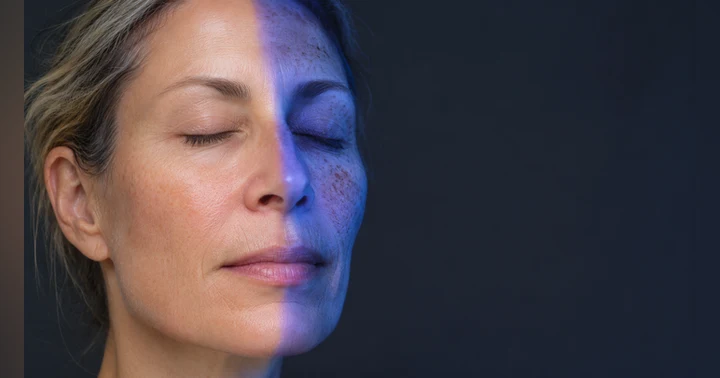
Dr. Pham defined it as a chronic pigment condition. Your melanocytes, the cells that produce pigment, get triggered and start overproducing melanin. That creates patchy brown or gray-brown discoloration, most often on the cheeks, forehead, upper lip, and jawline.
What triggers melasma?
This is why it's so hard to treat. There isn't one trigger. There are several:
UV light, from the sun.
Visible light, which comes from the sun and also from the lights inside your home.
Hormones: pregnancy, birth control pills, and menopause.
Heat.
Inflammation.
Dr. Pham described melasma as having a memory. Even after successful treatment, any of these triggers can reactivate those pigment cells quickly. "You kind of have to run after it and chase it," she said.
How do you know if it's melasma or sun damage?
Trina asked this for everyone listening at home. Dr. Pham looks at shape and placement. Sunspots, or solar lentigos, are small, well-defined, light brown spots. Melasma is larger and ill-defined, with blurry edges, often appearing on both cheeks or as large patches on the forehead, upper lip, or jawline. It's brown, sometimes gray-brown, and rarely pink.
Julie added that "melasma" often gets used as a catch-all for any dark spot. It's a specific condition, separate from freckles, sunspots, or the pink actinic keratoses she deals with herself.
Who gets melasma?
Women most often, but men get it too. Dr. Pham sees it more in skin of color, because darker skin types tend to have more active melanocytes, and genetics play a large role. If your family members have melasma, you're more likely to get it.
Dr. Vicki called it an estrogen-heavy pigment disorder, which is why it's nicknamed the mask of pregnancy. She finds that in men, with more testosterone than estrogen, melasma tends to clear more easily and come back less. She also noted that lighter skin types usually clear faster than darker skin types.
Melasma and pregnancy
Trina shared the advice she's heard Dr. Vicki give pregnant patients: wait to treat it. Dr. Vicki confirmed that the topicals that actually work aren't recommended during pregnancy, and pregnancy melasma sometimes fades on its own once hormones settle after breastfeeding.
Can a treatment cause melasma?
Yes, occasionally. Dr. Vicki explained that IPL can bring out melasma in a patient who never showed signs of it. It's rare, and it's listed on the consent form, because heat is a trigger. Dr. Pham added that birth control pills can be a trigger too.
How is melasma treated?
Sun protection, specifically tinted sunscreen. Dr. Pham is precise about this. The tint in tinted sunscreens comes from iron oxides, which protect against visible light, not just UV. Since both are triggers, a tinted sunscreen covers both.
Prescription lightening cream. Dr. Pham often starts with a triple cream that combines 4% hydroquinone, tretinoin, and a topical steroid. Use it for two months, take a one-month break, and repeat. Dr. Vicki uses the same schedule; the break is because of the steroid and possible irritation. Dr. Pham also warned that, paradoxically, these creams can sometimes make melasma worse, which is one more reason to work with a dermatologist.
Oral tranexamic acid. Originally used to help with heavy bleeding, it was found to help melasma too, and it has become a newer option over the past few years.
A sun-protection supplement. Dr. Pham recommends Heliocare, a daily supplement made from polypodium leucotomos extract, to help reduce UV damage. You'll find it in our favorites on ShopMy, linked at the bottom of this blog.
Over-the-counter brighteners. Vitamin C, kojic acid, azelaic acid (available by prescription and over the counter), and cysteamine. Dr. Pham especially likes vitamin C, which has strong research behind its antioxidant and anti-pigment effects.
Peels. TCA peels, pigment-focused peels, and, as Trina mentioned, Cosmelan. Dr. Vicki noted that a series of lactic, glycolic, salicylic, or mandelic peels can help a little, with the right counseling, often three to ten sessions.
Lasers, chosen carefully. Because heat can trigger melasma, Dr. Pham prefers a pico laser, which uses a photoacoustic mechanism rather than relying on heat, making it safer for melasma patients.
Where the esthetician fits in
Trina was candid. "Melasma is a different beast," she said. She helps her clients with hyperpigmentation, but she refers melasma to a dermatologist, keeps supporting the client's skin with facials, and works side by side with the doctor.
Dr. Vicki pointed out that many estheticians do treat melasma with peels, and that peels can help with patient education and patience. Trina explained why she still refers: after eight years working in Dr. Vicki's office, she knows how hard melasma is to move, and she doesn't want to keep charging a frustrated client for small peels when they need a stronger level of treatment. It's a good example of an esthetician knowing her scope, and of what it looks like when an esthetician and a dermatologist work together.
How long does melasma take to treat?
Dr. Pham asks for patience: give any topical a couple of months to absorb and work. Dr. Vicki's estimate is two to six months to see improvement, and possibly a full year before it feels completely under control.
Her most important tip: treat it early. The longer melasma sits in the skin, the deeper it can go, and deep melasma can be nearly impossible to treat. If over-the-counter products aren't helping, see a board-certified dermatologist for prescription options.
So, can melasma ever really go away?
It can calm down, and sometimes it clears completely. But Dr. Pham was honest: between the sun on the walk to your car, the heat, the lights indoors, and your hormones, triggers are everywhere. If it comes back, you go after it again. The tools are there.
Keep going
Listen to the full episode, Can Melasma Ever Really Go Away?
Join the Facially Conscious Substack for extended content and deeper dives
Read Trina's personal take on the episode, as the esthetician in the room, on her Substack
Links
The Skin Master
Co-host | When Trina Renea became an esthetician she realized the key to success was lifelong learning - a goal that sets her apart from most skin care practitioners.
For over 30 years, she’s explored the fields of cosmetic chemistry, medical esthetics, dermatology, and plastic surgery, becoming an expert in a wide expanse of professional skin care brands, equipment, and treatments. She is a member of the Society of Cosmetic Chemists with three certifications in cosmetic sciences from UCLA and continues to attend spa, medical, esthetic, and scientific conferences worldwide.
Now considered a skin master due to her broad expertise, Trina is a consultant to the Southern California beauty industry and medical esthetic community, selecting and training staff, developing treatments, guiding product selection, and helping professionals best serve their clients.
In 2004, she founded the Facial Bungalow, a clinical spa offering advanced skin care technologies where she continues to work one-on-one with clients to this day. In 2008 she created Trina Renea Skincare.
Which Laser Is Best for My Skin? What a Dermatologist With 35 Lasers Wants You to Know