Client Psychology in Skincare: How Estheticians Build Trust, Retention, and Long-Term Success

Why Understanding Clients Is Just as Important as Understanding Skin
One of the most common misunderstandings about skincare is that results come purely from products or treatments. In reality, long-term skin improvement often depends just as much on communication, trust, and understanding the client sitting in the treatment chair.
For estheticians, dermatologists, nurses, and skincare professionals alike, the consultation process can shape the entire client experience. When done thoughtfully, it builds confidence, reduces anxiety, and sets realistic expectations.
In this episode of the Facially Conscious podcast, our hosts sit down with Douglas Preston, a respected leader in professional esthetics, to explore the often-overlooked topic of client psychology in skincare—and how it influences everything from consultations to long-term client retention.
The Psychology Behind Successful Skincare Consultations
Many skincare professionals are trained extensively in ingredients, treatments, and skin physiology. But fewer are taught how to navigate the human side of skincare practice.
Douglas Preston has spent over four decades working in esthetics, spa management, and career mentoring. His perspective highlights a key truth:
Clients rarely return because of a product alone—they return because of how they felt during the experience.
Understanding client psychology helps professionals:
- Build trust quickly
- Reduce client anxiety during treatments
- Improve consultation accuracy
- Strengthen long-term client relationships
- Increase retention and loyalty
Listening carefully, reading subtle cues, and responding with empathy are all part of the professional skillset.
The Many Career Paths Within Esthetics
One of the themes discussed in the episode is how an esthetician's license opens doors far beyond the facial room.
Many people entering esthetics initially imagine a single career path, but the industry offers a wide range of opportunities.
Possible career directions include:
- Opening a private skincare studio
- Working in a medical or dermatology setting
- Joining a spa or wellness team
- Specializing in waxing or makeup artistry
- Collaborating with skincare product laboratories
- Participating in device or treatment development
- Working in skincare retail or education
During training and early career experiences, estheticians often discover which environment best fits their strengths and personality.
For some, that will be the one-on-one facial room.
For others, the ideal role may be product development, education, or spa management.
Why Consultation Skills Matter More Than Many Realize
A thoughtful consultation is often the foundation of effective skincare care.
Even when time is limited, a few well-chosen questions can provide essential information about a client’s skin health and treatment safety.
Important consultation questions often include:
- Do you have allergies to any skincare ingredients?
- Are you currently using prescription or topical medications on your face?
- Have you received Botox or dermal fillers within the past 24 hours?
These questions protect both the client and the professional while ensuring that treatments are appropriate and safe.
But beyond safety, consultations also serve another purpose: relationship building.
When clients feel heard and understood, they are far more likely to trust recommendations and return for future treatments.
Building Client Trust in the Facial Room
Client trust is built through small but meaningful actions.
According to Douglas Preston, experienced estheticians often focus on how the client feels before, during, and after the appointment.
Some helpful consultation practices include:
Sit Across From the Client First
Before beginning the treatment, sitting across from the client for a short consultation creates a sense of comfort and openness.
Break the Ice Before the Treatment
Many clients arrive feeling nervous. A calm conversation before beginning the facial can help reduce anxiety.
Adapt Your Approach for Different Clients
For example, teenagers often feel self-conscious about their skin. Asking fewer questions and guiding them quickly into the treatment can help them feel more comfortable.
Every client interaction is slightly different, which is why observation and emotional awareness are essential skills.
Improving Client Retention Through Communication
Retention is not only about skincare results—it is also about client experience.
Clients tend to return when they feel:
- Listened to
- Respected
- Comfortable asking questions
- Better emotionally and physically after the appointment
Douglas Preston often emphasizes that estheticians should experience treatments themselves as clients. Doing so provides valuable insight into what clients notice, appreciate, or find uncomfortable.
This perspective helps professionals refine their own consultation style and treatment approach.
Practicing Consultation Skills
Like any clinical or esthetic skill, consultations improve through practice.
Training programs that allow students to practice consultation questions, understand their purpose, and receive feedback can significantly improve confidence in the treatment room.
Over time, the consultation process becomes more natural and intuitive.
What begins as a list of questions evolves into a conversation that reveals the client’s goals, concerns, and lifestyle factors affecting their skin.
A Simple but Powerful Principle
One piece of advice shared in the episode stands out:
Never tell clients what you think is wrong with their skin.
Instead, begin by listening to their concerns and understanding their perspective. This creates collaboration rather than judgment, which is essential for building trust.
Skincare professionals ultimately succeed not just by offering treatments—but by helping clients feel understood and supported.
Key Takeaways from the Episode
- Successful estheticians understand both skin science and client psychology.
- Consultations are essential for safety, communication, and trust.
- Strong client relationships lead to better retention and long-term career success.
- Listening carefully is often the most valuable skill in the facial room.
- Esthetics offers many career paths beyond traditional spa work.
Continue the Conversation
If you’re interested in becoming an esthetician, I highly recommend reading this blog post and listening to our two-part podcast episode, "DEEP DIVE: The Esthetician's Path to Success: Unveiling Client Psychology with Douglas Preston."
To hear the episodes in full, visit:
The conversation explores the real-world dynamics of working with skincare clients and offers valuable insight for both new estheticians and experienced professionals.
Listening to the full discussion provides a deeper understanding of how psychology, consultation, and communication shape successful skincare careers.
Have a question? Send us an email at info@faciallyconscious.co
LIKE, FOLLOW & REVIEW US ON INSTAGRAM, & WHERE YOU LISTEN TO PODCASTS!
Visit our website www.faciallyconscious.com
Linktree | Facially Conscious
Join our new Patreon and Substack for more content from Facially Conscious
Follow Our Hosts On Instagram
Trina Renea - Medically-trained master esthetician and celebrities’ secret weapon
Linktree | Trina Renea, @trinareneaskincare, trinarenea.com and Substack
Julie Falls- Our educated consumer is here to represent you! @juliefdotcom
Dr. Vicki Rapaport -Board Certified dermatologist with practices in Beverly Hills and Culver City @rapaportdermatology and https://www.rapdermbh.com/
The Skin Master
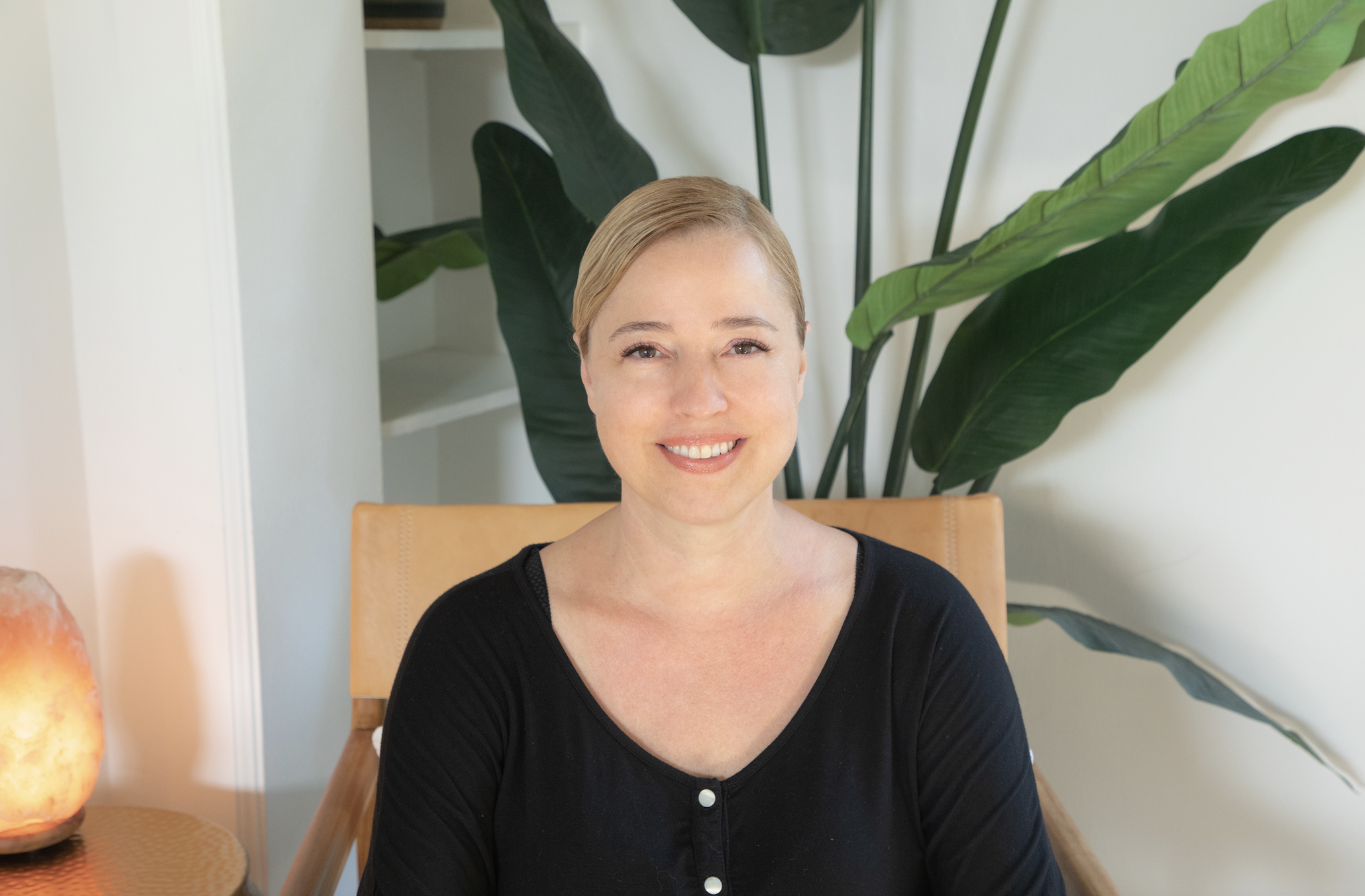
Co-host | When Trina Renea became an esthetician she realized the key to success was lifelong learning - a goal that sets her apart from most skin care practitioners.
For over 30 years, she’s explored the fields of cosmetic chemistry, medical esthetics, dermatology, and plastic surgery, becoming an expert in a wide expanse of professional skin care brands, equipment, and treatments. She is a member of the Society of Cosmetic Chemists with three certifications in cosmetic sciences from UCLA and continues to attend spa, medical, esthetic, and scientific conferences worldwide.
Now considered a skin master due to her broad expertise, Trina is a consultant to the Southern California beauty industry and medical esthetic community, selecting and training staff, developing treatments, guiding product selection, and helping professionals best serve their clients.
In 2004, she founded the Facial Bungalow, a clinical spa offering advanced skin care technologies where she continues to work one-on-one with clients to this day. In 2008 she created Trina Renea Skincare.
Do You Really Need Sunscreen Every Day? Answering the Questions People Actually Ask