Comedogenicity Explained: What Causes Clogged Pores, Blackheads, and Acne
Why Do Some Skincare Products Cause Breakouts?
If you’ve ever introduced a new skincare product and suddenly noticed blackheads, whiteheads, or unexpected congestion, you’re not alone. One of the most misunderstood concepts in skincare—among both consumers and professionals—is comedogenicity, or the potential of ingredients to clog pores.
In this episode of Facially Conscious, our four expert hosts—spanning medical and esthetic disciplines—explore what actually causes pore congestion, how ingredients behave on the skin, and why simplistic ingredient lists often miss the full picture.
What Does “Comedogenic” Really Mean?
Understanding Comedones in Dermatology
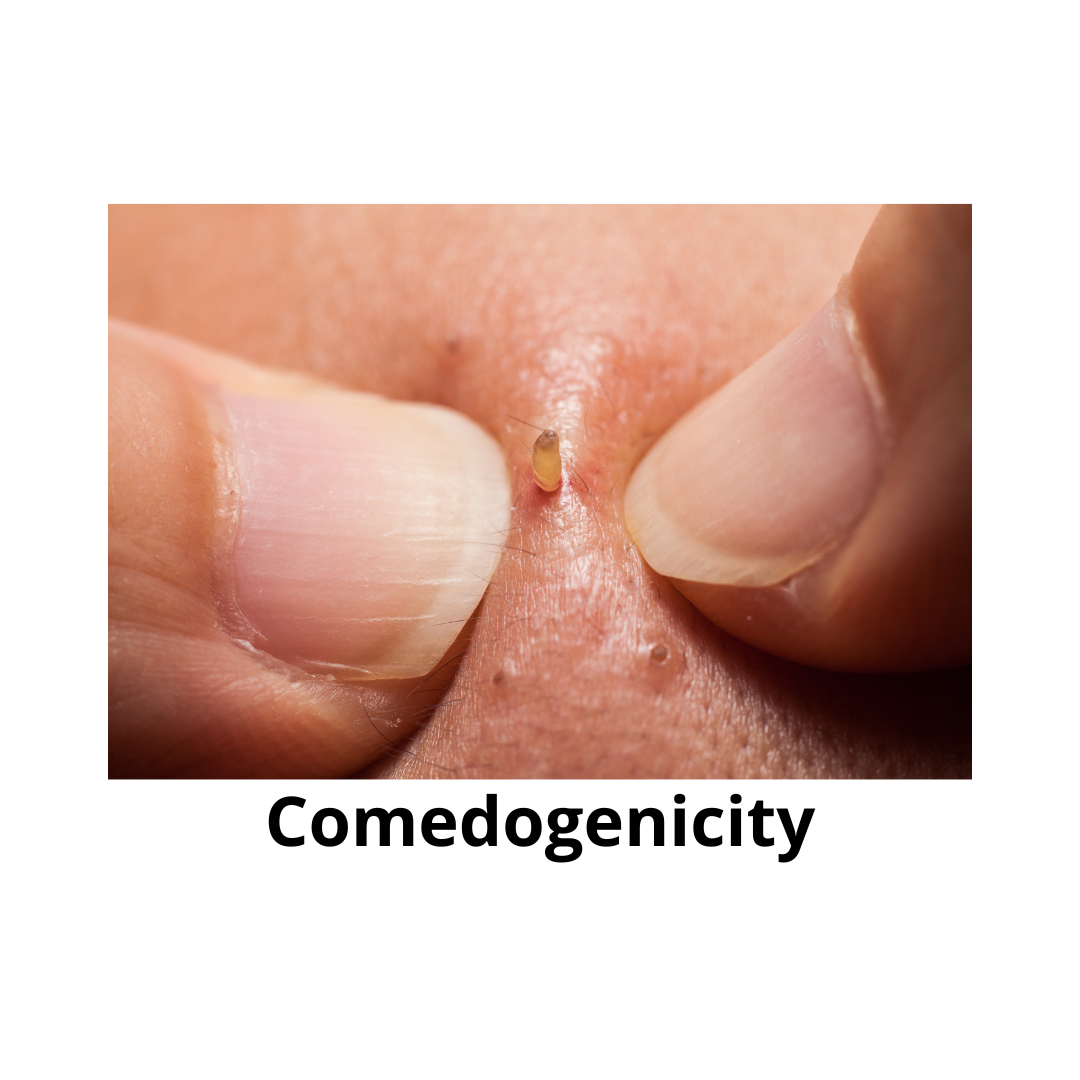
The term comedogenic comes from comedone, the clinical term for a clogged pore.
There are two primary types:
- Closed comedones (whiteheads): trapped beneath the skin’s surface
- Open comedones (blackheads): exposed to air and oxidized
When an ingredient is labeled “comedogenic,” it means it has the potential to contribute to pore blockage—but not always in every formula, concentration, or skin type.
Why Blackheads Turn Black: The Role of Oxidation
A helpful way to understand blackheads is through oxidation.
When sebum (your skin’s natural oil) becomes trapped in a pore and is exposed to oxygen, it oxidizes—similar to how a banana browns when exposed to air. This is what gives blackheads their dark appearance.
Key insight:
- The top of a blackhead is oxidized (dark)
- The deeper portion remains lighter because it hasn’t been exposed to air
This distinction helps clarify that blackheads are not “dirt,” but a natural biochemical process.
Professional vs. At-Home Extraction: A Clinical Perspective
There’s ongoing debate between medical and esthetic professionals about extraction.
What the Experts Agree On:
- Improper extraction can lead to scarring, inflammation, and infection
- Education and technique matter significantly
Clinical Considerations:
- Esthetic guidance may help prevent damage in habitual skin pickers
- Medical professionals often discourage self-extraction entirely
Important Caution:
- Pore strips can cause trauma and post-inflammatory hyperpigmentation, especially in melanin-rich skin
The 4 Factors That Determine Comedogenicity
One of the most valuable insights from this discussion is that comedogenicity is not ingredient-dependent alone—it’s context-dependent.
1. Ingredient Concentration
- Higher placement in ingredient lists = higher concentration
- Lower concentrations may not pose the same risk
2. Ingredient Combinations
- Multiple mildly comedogenic ingredients can have a cumulative effect
3. Occlusion and Skin Environment
- Ingredients sealed under occlusion may increase clogging risk
- Some ingredients (like certain silicones) may actually reduce oxidation
4. Time and Location on Skin
- Leave-on vs. rinse-off products behave differently
- Areas like the face, chest, and back are more prone to congestion
Environmental Factors That Contribute to Clogged Pores
Comedogenicity isn’t just about products—it’s also about your environment.
Oxidative Stressors:
- Tobacco smoke
- Air pollution and smog
These factors increase oxidation on the skin, contributing to:
- Blackhead formation
- Skin congestion
- Accelerated aging processes
Clinical insight: Nighttime cleansing helps remove environmental oxidants, but over-cleansing can disrupt the skin barrier.
Squalane vs. Squalene: A Critical Distinction
A small spelling difference can have a significant impact:
- Squalane (with “a”):
- Stable, non-oxidizing
- Non-comedogenic
- Suitable for acne-prone skin
- Squalene (with “e”):
- Highly oxidizable
- Can contribute to pore clogging
Simple way to remember:
“A” = anti-oxidizable
Common Comedogenic Ingredients (and Better Alternatives)
Ingredients Often Associated with Clogged Pores:
- Coconut oil
- Cocoa butter
Alternatives:
- Shea butter (generally non-comedogenic)
- Formulated blends designed for acne-prone skin
Important nuance:
Some ingredients labeled “comedogenic” (like ceramides) may still be beneficial when used in low concentrations within well-formulated products.
Can You Trust “Non-Comedogenic” Labels?
“Non-comedogenic” claims should be supported by testing, but not all brands follow consistent standards.
What to Consider:
- Ethical brands validate claims through studies
- Smaller brands may lack formal testing
- Regulatory oversight exists but varies in enforcement
Takeaway:
Use labels as guidance—not absolute truth.
How to Tell If a Product Is Clogging Your Pores
Comedogenic reactions are often delayed.
Typical Timeline:
- 3 to 6 weeks after starting a new product
Signs to Watch For:
- Breakouts in unusual areas
- Increased blackheads or whiteheads
- Skin congestion without inflammation
Practical Tip:
- Test new products on one side of the face to compare results
Key Takeaways: A Smarter Approach to Skincare
- Blackheads and comedones are common and normal
- Comedogenicity depends on formulation, not just ingredients
- Environment plays a role in skin congestion
- Ingredient labels require context and critical thinking
- Personalized observation is essential for skincare decisions
Listen to the Full Episode
This conversation only scratches the surface of how complex—and nuanced—comedogenicity truly is. For a deeper understanding shaped by both medical and esthetic expertise, listen to the full episode of Facially Conscious.
Have a question? Send us an email at info@faciallyconscious.co
LIKE, FOLLOW & REVIEW US ON INSTAGRAM, & WHERE YOU LISTEN TO PODCASTS!
Visit our website www.faciallyconscious.com
Linktree | Facially Conscious
Join our new Patreon and Substack for more content from Facially Conscious
Follow Our Hosts On Instagram
Trina Renea - Medically-trained master esthetician and celebrities’ secret weapon
Linktree | Trina Renea, @trinareneaskincare, trinarenea.com and Substack
Julie Falls- Our educated consumer is here to represent you! @juliefdotcom
Dr. Vicki Rapaport -Board Certified dermatologist with practices in Beverly Hills and Culver City @rapaportdermatology and https://www.rapdermbh.com/

The Skin Master
Co-host | When Trina Renea became an esthetician she realized the key to success was lifelong learning - a goal that sets her apart from most skin care practitioners.
For over 30 years, she’s explored the fields of cosmetic chemistry, medical esthetics, dermatology, and plastic surgery, becoming an expert in a wide expanse of professional skin care brands, equipment, and treatments. She is a member of the Society of Cosmetic Chemists with three certifications in cosmetic sciences from UCLA and continues to attend spa, medical, esthetic, and scientific conferences worldwide.
Now considered a skin master due to her broad expertise, Trina is a consultant to the Southern California beauty industry and medical esthetic community, selecting and training staff, developing treatments, guiding product selection, and helping professionals best serve their clients.
In 2004, she founded the Facial Bungalow, a clinical spa offering advanced skin care technologies where she continues to work one-on-one with clients to this day. In 2008 she created Trina Renea Skincare.
Is Prescription Acne Treatment Now OTC?