
Exosomes in Skincare: What They Are, How They Work, and Why Experts Are Paying Attention

Why Exosomes Are Creating So Much Conversation in Skincare
Exosomes have quickly become one of the most discussed topics in advanced skincare—but with that attention comes confusion. Are they truly regenerative, or just another trend? Are they safe? And how do they compare to other ingredients like growth factors?
In this episode of Facially Conscious, our panel—bringing together medical insight and esthetic expertise—explores what exosomes actually are, how they function in the skin, and where they may (and may not) belong in a thoughtful skincare approach.
What Are Exosomes? A Simple Explanation with Complex Implications
At their core, exosomes are microscopic vesicles that facilitate communication between cells. They carry signaling molecules—such as proteins, lipids, and genetic material—that help regulate how cells behave.
Think of them less as “ingredients” and more as messengers.
Why that matters for skin:
- They help coordinate cellular repair processes
- They support communication between skin cells
- They may influence inflammation and regeneration pathways
Exosomes are not unique to skincare—they exist throughout biology, in both plants and animals, and even play roles in gut and systemic health. Their presence in skincare is an extension of their natural function: communication and repair.
How Exosomes May Support Skin Regeneration
One of the most compelling aspects of exosomes is their potential role in supporting the skin’s natural repair mechanisms.
From a clinical and esthetic perspective, discussions around exosomes often center on their ability to:
- Support collagen production signaling
- Help reduce visible inflammation
- Assist in post-procedure recovery
- Encourage healthier skin cell function
Rather than forcing change, exosomes appear to work by guiding the skin toward balance—a concept that aligns with both regenerative medicine and holistic esthetics.
A Balanced Perspective: Medical + Esthetic Insight
A key theme from this episode is the importance of interdisciplinary understanding.
- From a medical perspective, exosomes are being studied for their regenerative signaling capabilities and broader therapeutic applications.
- From an esthetic perspective, they are viewed as supportive tools for improving skin resilience, recovery, and overall function.
This overlap is where meaningful progress happens—when treatment decisions are grounded in both science and real-world skin experience.
Are Exosomes Safe in Skincare?
Safety is one of the most important—and often misunderstood—topics surrounding exosomes.
Key considerations discussed in the episode:
- Source matters: Exosomes can be derived from different biological materials, and not all sources carry the same safety profile.
- Testing and transparency are essential: Products should be supported by rigorous testing and clear sourcing practices.
- Regulation is still evolving: This makes practitioner guidance even more important.
Rather than approaching exosomes with fear or blind trust, the conversation emphasizes discernment—understanding what you're using and why.
Exosomes vs. Growth Factors: Do You Need Both?
A common question in professional skincare is how exosomes compare to—or interact with—growth factors.
Key takeaway:
More is not always better.
While both exosomes and growth factors are associated with regenerative processes, layering multiple signaling-based products may not always benefit the skin—and in some cases, may overwhelm it.
Thoughtful formulation and professional guidance matter more than stacking actives.
Who Might Benefit from Exosomes?
Exosomes are often associated with aging skin, but the discussion highlights a broader range of potential applications.
They may be considered for:
- Early signs of skin aging
- Inflammation-prone skin (including acne)
- Barrier-compromised skin
- Support during skin recovery phases
This reinforces an important idea: regenerative support is not age-specific—it’s condition-specific.
Beyond Skin: Exosomes and Hair Health
Exosomes are also being explored in hair and scalp applications, particularly in relation to follicle signaling.
Emerging discussions suggest they may:
- Support healthier hair growth cycles
- Improve hair thickness and quality
- Contribute to scalp environment balance
While research continues to evolve, this represents an expanding area of interest within aesthetic and regenerative care.
Choosing an Exosome Product: What to Look For
Not all exosome-based products are created equally, and careful selection is critical.
Consider the following:
- Clear, transparent sourcing information
- Evidence of safety testing and quality control
- Alignment with professional recommendations
- Manufacturing standards that prioritize consistency and safety
When in doubt, consult a licensed professional who understands both formulation and skin behavior.
Key Takeaways from This Discussion
- Exosomes function as cellular messengers, not traditional active ingredients
- Their value lies in supporting communication and repair, not forcing outcomes
- Safety depends heavily on source, testing, and formulation
- They should be used thoughtfully—not excessively
- Interdisciplinary collaboration leads to better, more grounded skincare decisions
Continue the Conversation
If you’re navigating the evolving world of regenerative skincare, this episode offers a deeper, more nuanced exploration of exosomes—without hype or oversimplification.
Listen to the full episode of Facially Conscious featuring Dr. Greg Maguire and Steve McGee from NeoGenesis to hear the complete discussion and gain clarity from both medical and esthetic perspectives.
Follow the podcast for ongoing conversations designed to help you make informed, confident decisions about your skin.
Have a question? Send us an email at info@faciallyconscious.co
LIKE, FOLLOW & REVIEW US ON INSTAGRAM, & WHERE YOU LISTEN TO PODCASTS!
Visit our website www.faciallyconscious.com
Linktree | Facially Conscious
Join our new Patreon and Substack for more content from Facially Conscious
Follow Our Hosts On Instagram
Trina Renea - Medically-trained master esthetician and celebrities’ secret weapon
Linktree | Trina Renea, @trinareneaskincare, trinarenea.com and Substack
Julie Falls- Our educated consumer is here to represent you! @juliefdotcom
Dr. Vicki Rapaport -Board Certified dermatologist with practices in Beverly Hills and Culver City @rapaportdermatology and https://www.rapdermbh.com/
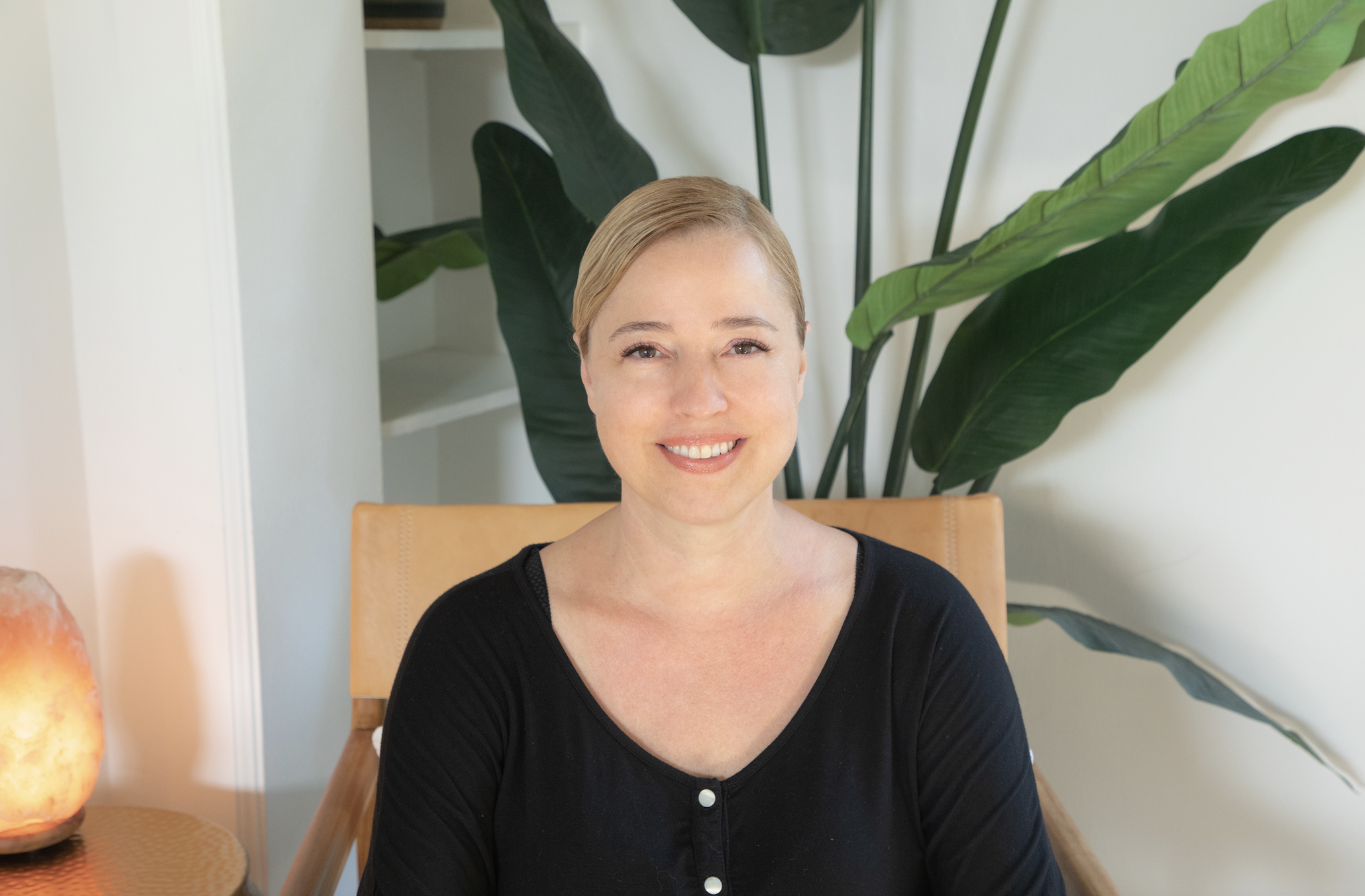
The Skin Master
Co-host | When Trina Renea became an esthetician she realized the key to success was lifelong learning - a goal that sets her apart from most skin care practitioners.
For over 30 years, she’s explored the fields of cosmetic chemistry, medical esthetics, dermatology, and plastic surgery, becoming an expert in a wide expanse of professional skin care brands, equipment, and treatments. She is a member of the Society of Cosmetic Chemists with three certifications in cosmetic sciences from UCLA and continues to attend spa, medical, esthetic, and scientific conferences worldwide.
Now considered a skin master due to her broad expertise, Trina is a consultant to the Southern California beauty industry and medical esthetic community, selecting and training staff, developing treatments, guiding product selection, and helping professionals best serve their clients.
In 2004, she founded the Facial Bungalow, a clinical spa offering advanced skin care technologies where she continues to work one-on-one with clients to this day. In 2008 she created Trina Renea Skincare.

A Plastic Surgeon’s Honest Perspective: Fillers, Lip Lifts, Threads, and What’s Actually Happening Inside Your Face


