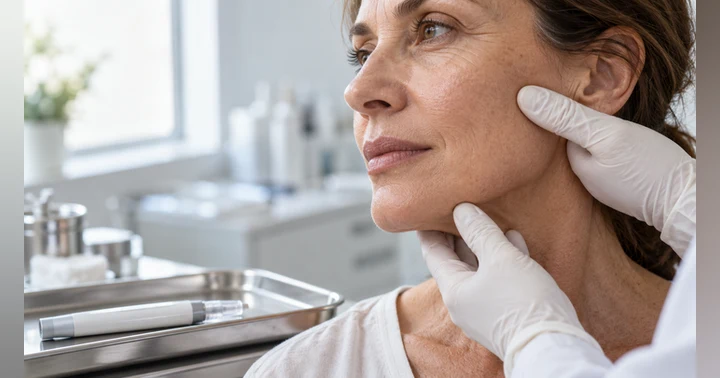
Fractional Laser Treatments Explained: Benefits, Risks, Downtime, and Who Should Avoid Them
Understanding Fractional Lasers: Why There’s So Much Confusion
If you’ve been researching treatments for acne scars, wrinkles, or uneven skin texture, fractional lasers are likely at the top of your list. But despite their popularity in dermatology and medical aesthetics, there’s still confusion around how they work, how they compare to other lasers, and—most importantly—who should actually get them.
From a clinical standpoint, fractional lasers can be powerful tools. From an esthetic perspective, they require thoughtful patient selection and realistic expectations. This balance is exactly where many people get lost.
In this discussion from the Facially Conscious podcast, our hosts—a dermatologist, esthetician, and consumer advocate—break down fractional laser treatments with clarity, nuance, and shared clinical insight.
What Is a Fractional Laser?
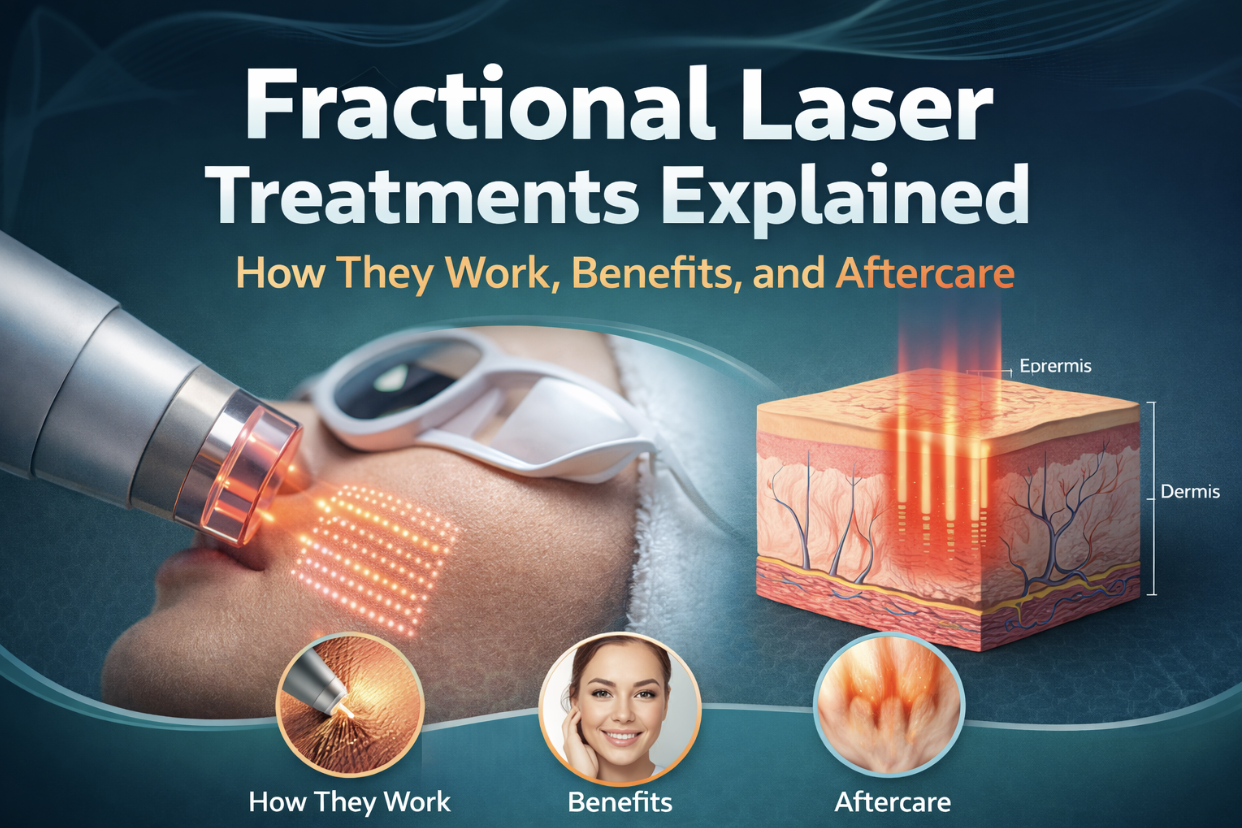
A fractional laser is a non-ablative skin resurfacing treatment that delivers controlled columns of heat into the skin.
The term fractional refers to how the laser energy is distributed:
- It treats the skin in microscopic columns
- Leaves surrounding tissue intact
- Allows for faster healing and reduced downtime
How It Works (Simplified)
Think of a checkerboard:
- Treated areas → stimulate collagen and tighten tissue
- Untreated areas → support faster healing
This approach allows the laser to reach deeper layers (dermis) without removing the entire surface of the skin.
What This Means Clinically
- Stimulates collagen remodeling
- Improves skin texture and tone
- Reduces visible scarring and fine lines
- Minimizes downtime compared to ablative lasers
Fractional Lasers vs. CO2 Lasers: A Critical Distinction
One of the most important points in laser education is understanding the difference between non-ablative fractional lasers and ablative CO2 lasers.
CO2 Lasers (Ablative)
- Remove the entire top layer of skin
- Target water in all skin cells
- Require significant downtime (weeks)
- Higher risk, but more dramatic results
Fractional Lasers (Non-Ablative)
- Create controlled thermal injury without removing the surface
- Faster healing (1–7 days typically)
- Lower risk profile
- More gradual results
Key Insight:
These are not interchangeable treatments. The choice depends on skin type, goals, and risk tolerance—not just desired results.
Types of Fractional Lasers: Fraxel vs. Clear + Brilliant
Not all fractional lasers deliver the same intensity or outcomes.
Fraxel (Stronger Option)
- Deeper penetration
- Typically requires a series (around 3 sessions)
- Better for:
- Acne scars
- Moderate wrinkles
- Noticeable texture issues
Clear + Brilliant (Gentler Option)
- Minimal downtime
- Subtle results
- Often requires ongoing sessions
Clinical Perspective:
For many patients, especially those with more advanced concerns, consistent use of retinoids may offer comparable or better long-term value than repeated low-intensity laser sessions.
Who Is a Good Candidate for Fractional Laser Treatments?
Patient selection is one of the most important—and often overlooked—factors.
Ideal Candidates
- Fitzpatrick skin types I–III
- Individuals with:
- Acne scars
- Fine lines
- Uneven texture
- Enlarged pores
Who Should Proceed with Caution or Avoid
- Fitzpatrick types IV–VI
- Patients prone to hyperpigmentation
- Individuals with a history of post-inflammatory pigmentation
Why This Matters
Darker skin types have a higher risk of:
- Hyperpigmentation (dark spots)
- Hypopigmentation (loss of pigment)
- Scarring
Shared Professional Insight:
Both dermatology and esthetic perspectives strongly align here—not every treatment is appropriate for every skin type, regardless of marketing claims.
What Fractional Lasers Treat Best
Fractional lasers are most effective for:
- Acne scars
- Skin texture irregularities
- Fine lines and wrinkles
- Enlarged pores
- Mild sun damage
What They Do Not Treat Well
- Pigmentation and brown spots
For pigmentation concerns, treatments like IPL or BBL are typically more targeted and effective.
What to Expect: Treatment and Downtime
During Treatment
- Numbing cream is commonly used
- Sensation: heat or small pinpricks
- Some providers offer additional comfort options
After Treatment
- Redness and roughness
- Mild peeling or sloughing
- Downtime: typically 1–7 days
Most patients can return to normal activities quickly, often using makeup within 24 hours.
Post-Treatment Care: Why Sun Protection Is Non-Negotiable
If there’s one universal agreement among professionals, it’s this:
Sun protection determines your outcome.
Essential Post-Laser Guidelines
- Daily broad-spectrum sunscreen
- Physical protection (hats, clothing)
- Avoid direct sun exposure
The Science Behind It
Laser treatments temporarily affect melanin behavior in the skin. Without proper protection:
- Pigment can return quickly
- Results can be reversed
- New discoloration may develop
Key Takeaway:
Laser treatments don’t replace good skin habits—they make them more important.
Choosing the Right Provider: A Critical Decision
The success of a fractional laser treatment depends heavily on provider expertise.
What to Look For
- Board-certified dermatologist or highly trained provider
- Real patient before-and-after results
- Thorough consultation and risk discussion
- Honest assessment of candidacy
Red Flags
- Overpromising results
- Discount-driven marketing
- Lack of individualized assessment
Important Insight:
Technology does not replace clinical judgment. Proper patient selection is everything.
Cost Considerations
Typical price ranges:
- Non-ablative fractional lasers: ~$1,000–$1,500 per session
- Ablative treatments (like CO2): ~$2,500+
Costs vary significantly by:
- Provider expertise
- Geographic location
- Treatment intensity
Prevention vs. Correction: The Bigger Conversation
While fractional lasers can improve the skin, all three experts emphasize a broader point:
Prevention is more powerful than correction.
Foundational Skin Practices
- Consistent sun protection
- Daily sunscreen use
- Retinoids (retinol or prescription Retin-A)
- Avoiding excessive sun exposure early in life
These habits reduce the need for more aggressive interventions later.
Final Thoughts: Are Fractional Lasers Worth It?
Fractional lasers can be highly effective for the right patient, under the right conditions, with the right provider.
But they are not:
- Universal
- Risk-free
- A replacement for foundational skincare
Understanding your skin type, risk factors, and long-term goals is essential before moving forward.
Listen for the Full Conversation
For a deeper, more nuanced discussion—including real patient scenarios, clinical considerations, and candid perspectives from both dermatology and esthetics—listen to the full episode of Facially Conscious.
Have a question? Send us an email at info@faciallyconscious.co
LIKE, FOLLOW & REVIEW US ON INSTAGRAM, & WHERE YOU LISTEN TO PODCASTS!
Visit our website www.faciallyconscious.com
Linktree | Facially Conscious
Join our new Patreon and Substack for more content from Facially Conscious
Follow Our Hosts On Instagram
Trina Renea - Medically-trained master esthetician and celebrities’ secret weapon
Linktree | Trina Renea, @trinareneaskincare, trinarenea.com and Substack
Julie Falls- Our educated consumer is here to represent you! @juliefdotcom
Dr. Vicki Rapaport -Board Certified dermatologist with practices in Beverly Hills and Culver City @rapaportdermatology and https://www.rapdermbh.com/
The Skin Master
Co-host | When Trina Renea became an esthetician she realized the key to success was lifelong learning - a goal that sets her apart from most skin care practitioners.
For over 30 years, she’s explored the fields of cosmetic chemistry, medical esthetics, dermatology, and plastic surgery, becoming an expert in a wide expanse of professional skin care brands, equipment, and treatments. She is a member of the Society of Cosmetic Chemists with three certifications in cosmetic sciences from UCLA and continues to attend spa, medical, esthetic, and scientific conferences worldwide.
Now considered a skin master due to her broad expertise, Trina is a consultant to the Southern California beauty industry and medical esthetic community, selecting and training staff, developing treatments, guiding product selection, and helping professionals best serve their clients.
In 2004, she founded the Facial Bungalow, a clinical spa offering advanced skin care technologies where she continues to work one-on-one with clients to this day. In 2008 she created Trina Renea Skincare.
Is Prescription Acne Treatment Now OTC?