GMOs in Skincare Explained: What Organic Experts Want You to Know About Ingredients, Safety, and Sustainability

Confusion around organic skincare, genetically modified organisms (GMOs), and cosmetic ingredient safety is common—even among skincare professionals. Consumers often hear conflicting advice: some claim GMO ingredients are harmful, while others say they are completely safe.
So what is the truth?
In this episode of the Facially Conscious Podcast, the hosts welcome back Gay Timmons of Oh, Oh Organic, who brings over three decades of experience in the organic industry. Together, they unpack how GMOs intersect with agriculture, cosmetic ingredient sourcing, and organic certification—while separating fact from assumption.
The conversation offers valuable context for doctors, nurses, estheticians, and skincare-curious consumers who want a deeper understanding of how ingredients actually make their way into modern skincare products.
What Are GMOs?
Genetically Modified Organisms (GMOs) are plants, animals, or microorganisms whose genetic material has been altered through laboratory techniques rather than natural breeding.
In agriculture, genetic modification is typically applied to major crop systems, including:
- Soy
- Corn
- Papaya
- Cotton
Scientists modify the DNA of these crops to introduce specific traits, such as:
- Resistance to pests
- Tolerance to herbicides
- Increased agricultural productivity
These changes are designed primarily to address agricultural efficiency and crop resilience rather than cosmetic applications. However, because many cosmetic ingredients originate from plant materials, the conversation about GMOs naturally extends into the skincare industry.
The Agricultural Context: Benefits and Concerns
Understanding GMOs in skincare requires first understanding their role in modern agriculture.
Potential Benefits of GMO Crops
Supporters of GMO agriculture often point to several advantages:
Higher Crop Yields
Genetic modifications can help crops resist pests and disease, improving productivity.
Reduced Chemical Applications
Some crops are engineered to resist herbicides or pests, potentially reducing additional chemical treatments.
Cost Efficiency for Farmers
Higher yields and reduced crop loss can improve economic stability for farming operations.
Concerns Associated with GMOs
At the same time, critics raise important questions about the long-term implications.
Reduced Genetic Diversity
Reliance on a small number of engineered seed varieties may reduce biodiversity within crop systems.
Seed Ownership and Dependence
Farmers may become dependent on large seed companies that control genetically modified seed supplies.
Environmental Considerations
The widespread use of herbicides such as glyphosate—often associated with GMO crop systems—has raised concerns regarding environmental impact and potential health risks.
These broader agricultural conversations influence how some consumers approach ingredient sourcing in skincare products.
How GMOs Enter the Skincare Industry
While GMOs are most commonly discussed in food systems, cosmetic ingredients can also originate from genetically modified crops.
Certain plant-derived ingredients used in cosmetic formulations may begin with GMO agricultural sources.
One example often discussed in cosmetic science is:
Propanediol
- A common humectant used in skincare
- Frequently derived from corn fermentation
- Found in ingredient lists as Zemea propanediol
Corn used in this process may be genetically modified, which raises questions for consumers interested in non-GMO or organic skincare products.
Fermentation, Biotechnology, and Cosmetic Ingredients
Modern cosmetic chemistry increasingly relies on biotechnology and fermentation processes to produce ingredients efficiently.
These processes may involve:
- Genetically modified microorganisms (GMMs)
- Fermentation systems
- Advanced ingredient stabilization methods
A well-known example discussed in the episode is Amyris-derived squalane, produced through fermentation technology.
Fermentation allows manufacturers to produce high-purity ingredients while reducing dependence on traditional resource extraction. However, it also introduces complexity into discussions around “natural,” “organic,” and “biotech-derived” skincare ingredients.
Are GMO-Derived Ingredients Safe in Skincare?
From a safety standpoint, cosmetic scientists generally agree on an important point:
By the time an ingredient reaches a finished cosmetic formula, it has undergone extensive processing.
This processing typically removes:
- DNA fragments
- Agricultural residues
- Glyphosate traces
The final ingredient is a highly purified chemical compound, meaning it no longer contains genetic material from the original crop.
For this reason, most experts consider GMO-derived cosmetic ingredients safe for topical use.
However, safety is not the only factor influencing consumer choices.
Why Some Consumers Still Prefer Non-GMO Skincare
Even though safety concerns are minimal in finished cosmetic ingredients, some consumers choose to avoid GMO-derived materials for environmental or agricultural reasons.
These considerations may include:
- Soil health
- Biodiversity preservation
- Agricultural sustainability
- Transparency in ingredient sourcing
For individuals who prioritize these factors, choosing certified organic skincare products can provide clarity.
Organic Certification and GMO Ingredients
One of the most important distinctions discussed in the episode is the role of organic certification standards.
Certified organic products cannot contain GMO materials.
This means:
- If a skincare product carries organic certification, GMO ingredients are not permitted.
- Additional “non-GMO” labeling is unnecessary for certified organic products.
Understanding this distinction helps both consumers and skincare professionals better interpret product labeling and ingredient claims.
Key Takeaways for Skincare Professionals and Consumers
When discussing GMOs in skincare, several points help clarify the conversation:
- GMO crops are primarily an agricultural issue, not a cosmetic safety issue.
- Many cosmetic ingredients derived from crops undergo extensive purification and processing.
- Fermentation technology plays a growing role in modern cosmetic ingredient development.
- Consumers concerned about GMOs can look for certified organic skincare products as a reliable indicator.
For professionals working in dermatology, aesthetics, or cosmetic formulation, understanding these distinctions helps guide more informed discussions with patients and clients.
Have a question? Send us an email at info@faciallyconscious.co
LIKE, FOLLOW & REVIEW US ON INSTAGRAM, & WHERE YOU LISTEN TO PODCASTS!
Visit our website www.faciallyconscious.com
Linktree | Facially Conscious
Join our new Patreon and Substack for more content from Facially Conscious
Follow Our Hosts On Instagram
Trina Renea - Medically-trained master esthetician and celebrities’ secret weapon
Linktree | Trina Renea, @trinareneaskincare, trinarenea.com and Substack
Julie Falls- Our educated consumer is here to represent you! @juliefdotcom
Dr. Vicki Rapaport -Board Certified dermatologist with practices in Beverly Hills and Culver City @rapaportdermatology and https://www.rapdermbh.com/
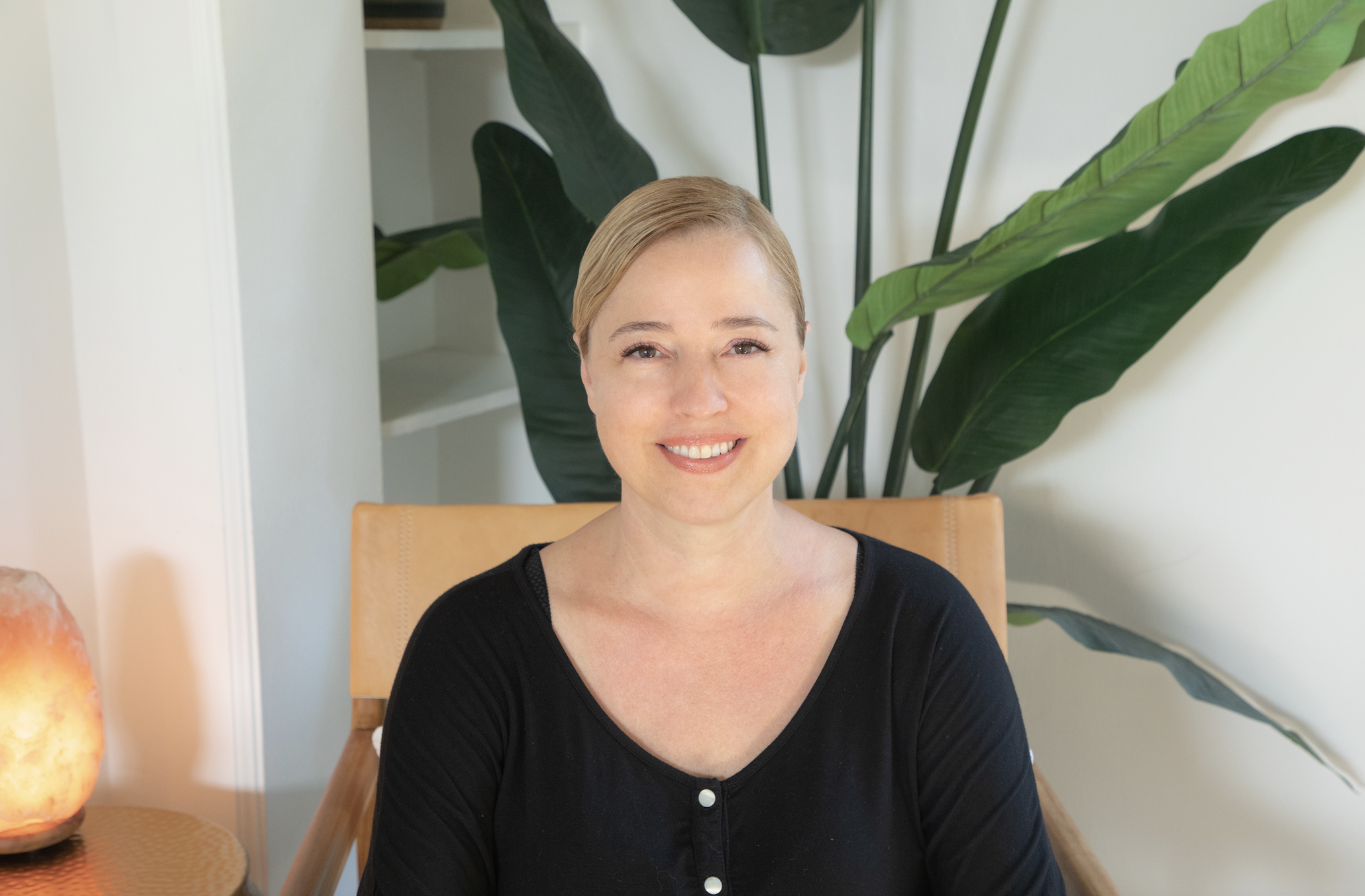
The Skin Master
Co-host | When Trina Renea became an esthetician she realized the key to success was lifelong learning - a goal that sets her apart from most skin care practitioners.
For over 30 years, she’s explored the fields of cosmetic chemistry, medical esthetics, dermatology, and plastic surgery, becoming an expert in a wide expanse of professional skin care brands, equipment, and treatments. She is a member of the Society of Cosmetic Chemists with three certifications in cosmetic sciences from UCLA and continues to attend spa, medical, esthetic, and scientific conferences worldwide.
Now considered a skin master due to her broad expertise, Trina is a consultant to the Southern California beauty industry and medical esthetic community, selecting and training staff, developing treatments, guiding product selection, and helping professionals best serve their clients.
In 2004, she founded the Facial Bungalow, a clinical spa offering advanced skin care technologies where she continues to work one-on-one with clients to this day. In 2008 she created Trina Renea Skincare.

Do You Really Need Sunscreen Every Day? Answering the Questions People Actually Ask