How Stress Affects Your Skin: The Science Behind Breakouts, Sensitivity, and Barrier Damage
Why Your Skin Suddenly Changes Under Stress
One of the most common—and confusing—experiences in skincare is when a routine that once worked suddenly stops delivering results. Products that felt soothing may begin to sting. Skin may appear more reactive, inflamed, or prone to breakouts without an obvious cause.
This shift is often attributed to “sensitive skin,” but the underlying driver is frequently physiological stress.
In this episode of the Facially Conscious Podcast, the discussion centers on a critical but often misunderstood concept: the direct biological relationship between stress and skin function. Drawing from both clinical science and hands-on esthetic experience, the conversation explores how stress alters the skin—and what can be done to restore balance.
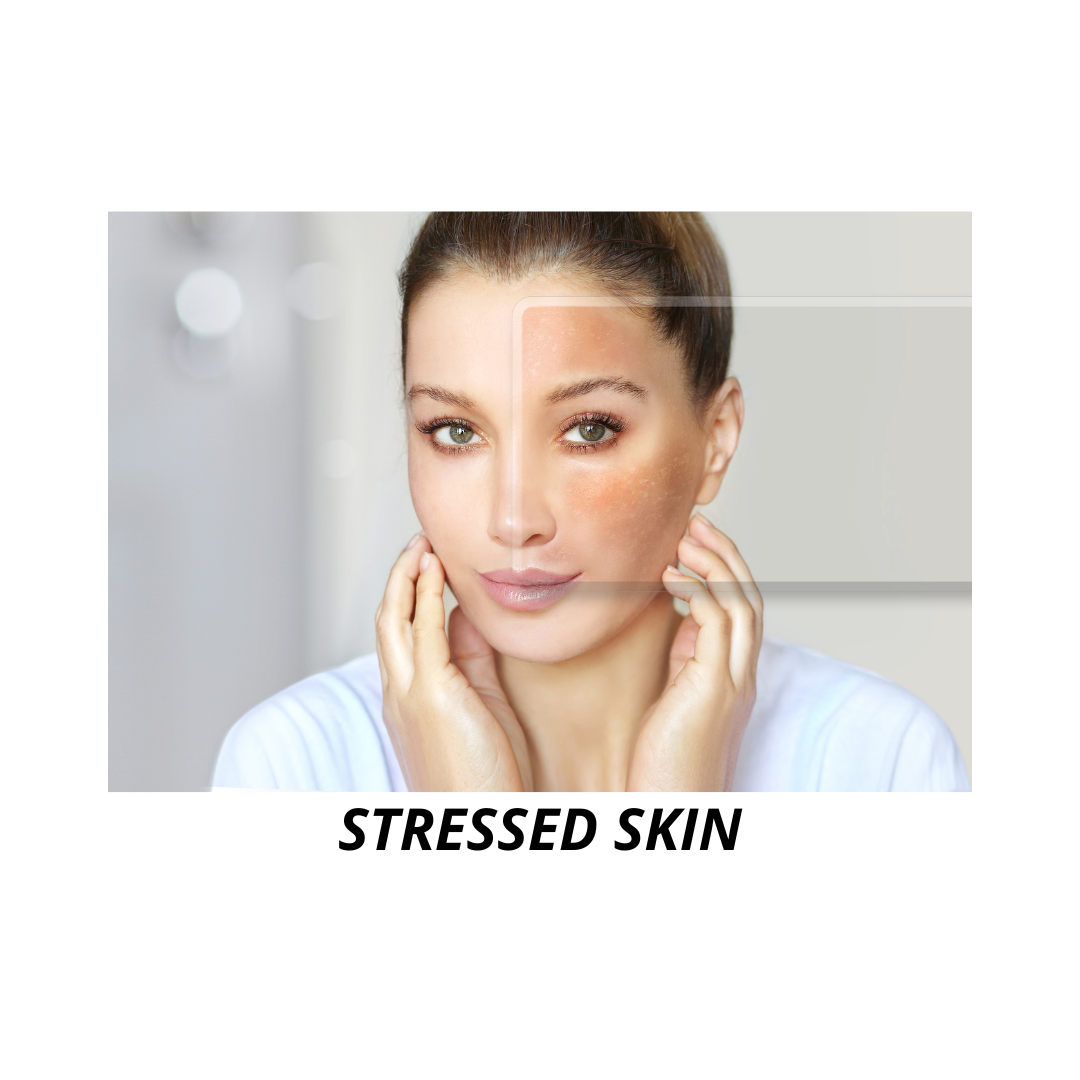
What “Stressed Skin” Actually Means
When Skincare Stops Working
A key early sign of stress-affected skin is a change in tolerance. Skin that once responded well to products may begin to react with:
- Redness
- Stinging or burning
- Increased dryness or flaking
- Breakouts or congestion
This is not random—it reflects changes happening beneath the surface.
Stress hormones, particularly cortisol and norepinephrine, influence multiple skin processes. These include increased inflammation, disrupted barrier function, and altered blood flow, all of which can make skin more reactive.
It’s important to distinguish this from popularized terms like “cortisol face.” While often used online, true cortisol-related facial changes are linked to specific medical conditions. For most individuals, stress manifests more subtly—but still significantly—through sensitivity, puffiness, and imbalance.
The Brain–Skin Connection: Understanding the HPA Axis
How Stress Signals Reach the Skin
The connection between emotional stress and skin health is not abstract—it is mediated by the hypothalamic-pituitary-adrenal (HPA) axis.
When stress is perceived, the brain activates this pathway, leading to the release of cortisol and other signaling molecules. These directly impact the skin by:
- Increasing inflammation and redness
- Accelerating collagen breakdown
- Disrupting the skin barrier
- Altering circulation (causing flushing or pallor)
From an esthetic perspective, these changes are often observed as:
- Increased treatment sensitivity
- Reduced tolerance to active ingredients
- Greater likelihood of post-treatment irritation
This reinforces an important principle: skin behavior is not isolated—it reflects systemic activity.
Why Stress Effects Persist in the Skin
The Role of Skin Cells in Prolonging Stress
One of the more significant insights discussed is that skin is not just a passive recipient of stress signals—it can actively sustain them.
Cells such as keratinocytes and fibroblasts are capable of producing stress-related hormones locally. This means that even after a stressful event has passed, the skin may continue to behave as though stress is ongoing.
Implication for treatment:
Waiting for stress to “go away” is often not sufficient. Targeted support—both topical and physiological—is necessary to interrupt this cycle.
Supporting Skin Through Stress: A Physiological Approach
The Role of Oxytocin in Skin Recovery
An important counterbalance to stress hormones is oxytocin, often associated with calm, connection, and regulation.
Oxytocin has been shown to help mitigate the effects of cortisol, making it relevant not only emotionally but also for skin health.
Ways to support oxytocin release include:
- Skin-to-skin contact (including facial massage)
- Gentle, sustained touch
- Interaction with animals
- Self-contact (such as placing a hand over the chest)
- Cooling techniques, such as applying a cold compress
For both professionals and individuals, this highlights the importance of touch-based care as a physiological intervention—not just a sensory experience.
Evidence-Based Ingredients for Stressed Skin
When skin is under stress, formulation matters. The goal is not stimulation, but restoration and regulation.
Key Ingredient Categories
1. Cortisol-Modulating Ingredients
- Helichrysum italicum
- Tephrosia purpurea
2. Antioxidants
Stress depletes antioxidant reserves. Replenishment supports resilience.
- Vitamin E
- Vitamin A
- Astaxanthin
3. Immune-Supporting Ingredients
- Beta-glucans (from oats, mushrooms, yeast)
4. Microbiome Support
- Prebiotics (e.g., inulin)
- Probiotics (e.g., lactobacillus, bifidus)
5. Barrier-Rebuilding Lipids
- Ceramides
- Omega fatty acids
- Squalane
- Cholesterol
- Niacinamide
Niacinamide, in particular, remains a well-supported ingredient for barrier repair, inflammation reduction, and overall skin resilience when properly formulated.
6. Foundational Soothing Ingredients
- Aloe vera (in high concentrations and properly formulated)
Adjusting Professional Treatments for Stressed Skin
Clinical and Esthetic Considerations
For practitioners, stressed skin requires a shift in approach—from correction to regulation and support.
Recommended adjustments include:
- Using non-stripping, gentle cleansers
- Avoiding aggressive massage techniques
- Maintaining consistent physical contact during treatments
- Prioritizing barrier-repair formulations
- Incorporating slow, rhythmic movements
A simplified protocol is often more effective:
- Cleanser
- Multi-functional serum
- Barrier-repair moisturizer
The broader takeaway is clear:
Stressed skin is not a problem to fix—it is a condition to support.
At-Home Strategies to Reduce Skin Stress
Integrating Nervous System Support into Skincare
Skin routines can be reframed as moments of regulation rather than routine maintenance.
Simple techniques include:
- Slow, intentional product application
- Breathwork (such as double inhale followed by slow exhale)
- Minimizing irritants like unnecessary fragrance
- Using mineral-based sun protection when sensitivity is elevated
These practices support both the nervous system and the skin simultaneously.
Rethinking Skincare as Wellness
A key theme throughout the discussion is the need to shift perspective.
Professional treatments and daily skincare are often framed as cosmetic or optional. In reality, they can serve as important tools for maintaining physiological balance, especially during periods of stress.
Supporting the skin is, in many ways, supporting the individual as a whole.
Listen to the Full Episode
This overview captures only part of a deeper, interdisciplinary conversation on how stress influences skin function—and how both professionals and individuals can respond thoughtfully.
To explore the full discussion and gain additional clinical and practical insights, listen to the complete episode of the Facially Conscious Podcast.
Have a question? Send us an email at info@faciallyconscious.co
LIKE, FOLLOW & REVIEW US ON INSTAGRAM, & WHERE YOU LISTEN TO PODCASTS!
Visit our website www.faciallyconscious.com
Linktree | Facially Conscious
Join our new Patreon and Substack for more content from Facially Conscious
Follow Our Hosts On Instagram
Trina Renea - Medically-trained master esthetician and celebrities’ secret weapon
Linktree | Trina Renea, @trinareneaskincare, trinarenea.com and Substack
Julie Falls- Our educated consumer is here to represent you! @juliefdotcom
Dr. Vicki Rapaport -Board Certified dermatologist with practices in Beverly Hills and Culver City @rapaportdermatology and https://www.rapdermbh.com/
The Skin Master
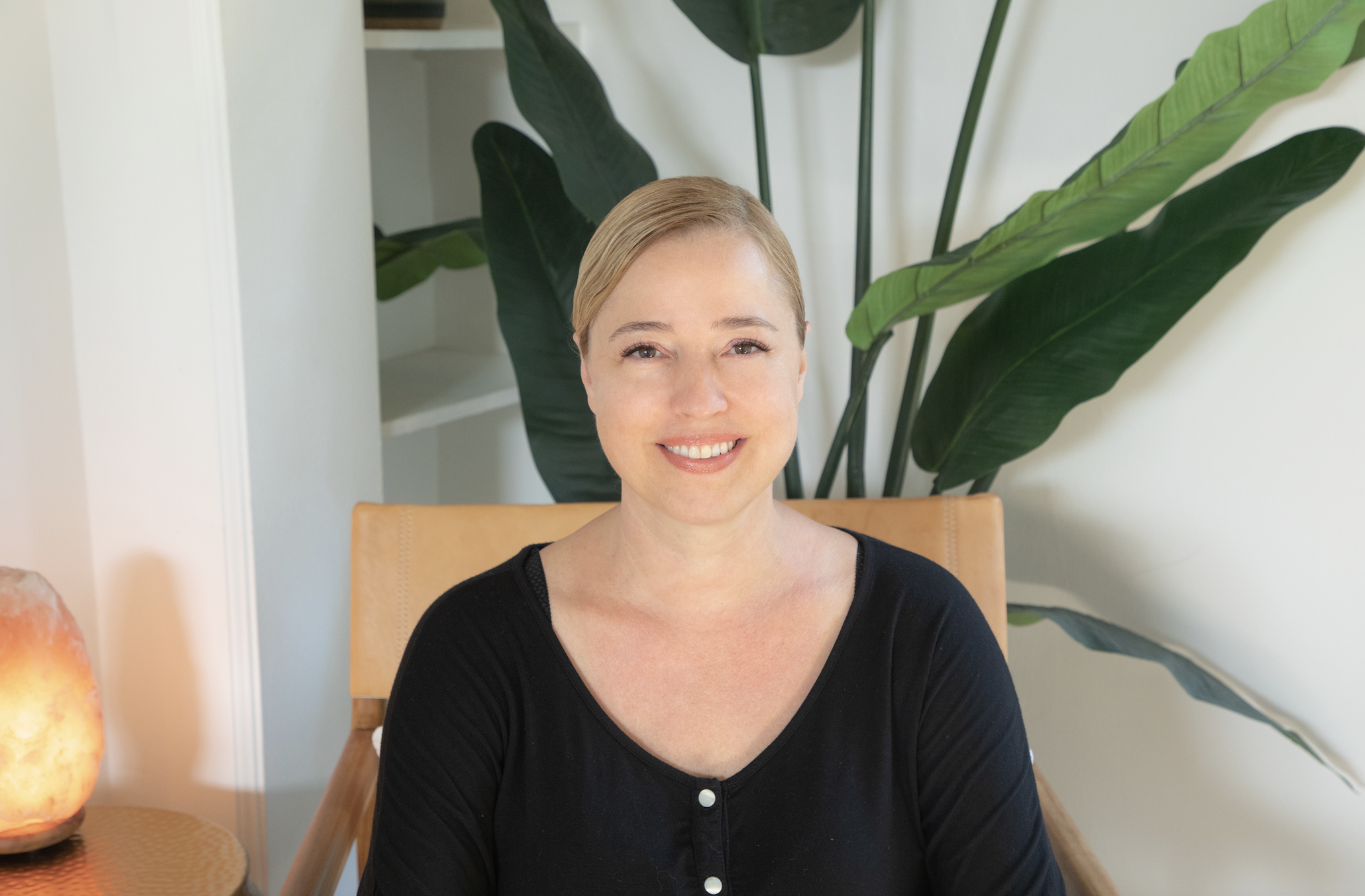
Co-host | When Trina Renea became an esthetician she realized the key to success was lifelong learning - a goal that sets her apart from most skin care practitioners.
For over 30 years, she’s explored the fields of cosmetic chemistry, medical esthetics, dermatology, and plastic surgery, becoming an expert in a wide expanse of professional skin care brands, equipment, and treatments. She is a member of the Society of Cosmetic Chemists with three certifications in cosmetic sciences from UCLA and continues to attend spa, medical, esthetic, and scientific conferences worldwide.
Now considered a skin master due to her broad expertise, Trina is a consultant to the Southern California beauty industry and medical esthetic community, selecting and training staff, developing treatments, guiding product selection, and helping professionals best serve their clients.
In 2004, she founded the Facial Bungalow, a clinical spa offering advanced skin care technologies where she continues to work one-on-one with clients to this day. In 2008 she created Trina Renea Skincare.
What Happens to Your Face on GLP-1s? A Dermatologist and an Esthetician on "Ozempic Face"