How to Care for Sensitive Skin, Eczema, and Psoriasis: A Clinical + Esthetic Guide

Understanding Reactive Skin: Why So Many Routines Fail
Sensitive skin, eczema, and psoriasis are often grouped together—but they are not the same condition, and treating them as such is where many routines go wrong.
A common frustration among both patients and professionals is this: why does a product that once worked suddenly trigger irritation, redness, or inflammation?
The answer often lies in the skin barrier. When the barrier is compromised, the skin becomes more reactive to ingredients, environmental stressors, and even water exposure. In this episode of Facially Conscious, our hosts explore how both clinical dermatology and esthetic practice approach this challenge—and where they align.
Sensitive Skin and the Skin Barrier
What “Sensitive Skin” Really Means
Sensitive skin is not just a skin type—it’s often a symptom of barrier dysfunction. In many cases, it overlaps with mild forms of atopic dermatitis.
When the barrier is weakened:
- Skin loses moisture more easily
- Irritants penetrate more quickly
- Inflammation becomes easier to trigger
This explains why clients often report that products they’ve used for years suddenly become intolerable.
Foundational Care for Sensitive Skin
From both medical and esthetic perspectives, the priority is clear: reduce stress on the skin and restore barrier function.
Key strategies include:
- Using gentle, fragrance-free cleansers
- Limiting exfoliation (chemical and physical)
- Avoiding overuse of actives like retinoids and strong acids
- Prioritizing consistent hydration and barrier repair
In practice, simplifying a routine is often more effective than adding more products.
Eczema (Atopic Dermatitis): More Than Dry Skin
Understanding Eczema as an Inflammatory Condition
Eczema is a chronic inflammatory skin condition, not just dryness. It is characterized by:
- Persistent itching
- Dry, compromised skin
- Periodic flare-ups
One of the most consistent gaps in care? Under-moisturizing.
Why Moisturizing Is a Primary Treatment
Moisturizing is not optional in eczema—it is foundational.
Best practices include:
- Applying moisturizer immediately after bathing (while skin is still slightly damp)
- Using occlusive or ointment-based products to lock in hydration
- Maintaining daily consistency—even when symptoms improve
This approach supports barrier repair and reduces flare frequency over time.
When to Seek Medical Treatment
While over-the-counter care can help mild cases, persistent eczema may require:
- Prescription topical treatments (including steroids or non-steroidal options)
- Professional evaluation to manage inflammation effectively
Early intervention can prevent prolonged discomfort and barrier damage.
Psoriasis: A Distinct Inflammatory Condition
How Psoriasis Differs from Eczema
Although often confused, psoriasis is a genetically influenced inflammatory condition with different underlying mechanisms.
Common characteristics include:
- Thick, scaly plaques
- Silvery appearance
- Less itch compared to eczema (but still impactful)
Treatment Considerations
Psoriasis management often includes:
- Topical therapies
- Systemic treatments in more advanced cases
- Biologic therapies for moderate to severe presentations
Even when symptoms feel manageable, treatment can significantly improve skin function and quality of life.
Practical Skincare Strategies Across Conditions
Daily Habits That Support Skin Health
Across sensitive skin, eczema, and psoriasis, several principles consistently apply:
- Cleanse once daily with a gentle formula
- Avoid hot water, which can worsen inflammation
- Moisturize consistently, not reactively
- Choose simple formulations with minimal irritants
Occlusion and Barrier Support
Occlusive methods (often referred to as “slugging”) can be particularly helpful for:
- Locking in hydration
- Supporting overnight barrier repair
- Reducing transepidermal water loss
While not new, this technique reflects a long-standing dermatologic principle: protect the barrier first.
Ingredients and Triggers to Approach Carefully
When the skin is reactive or inflamed, certain ingredients are more likely to exacerbate symptoms.
Common Triggers:
- Fragrance and essential oils
- Harsh exfoliants (physical or chemical)
- Certain preservatives (e.g., methylisothiazolinone)
- Highly acidic formulations
Even beneficial ingredients (like vitamin C) may need to be adjusted to less irritating forms depending on skin tolerance.
Medical and Esthetic Care: A Collaborative Approach
One of the most valuable insights from this discussion is the importance of interdisciplinary care.
- Dermatology provides diagnosis and medical treatment for inflammation
- Esthetics supports barrier repair, maintenance, and long-term skin health
Together, they offer a more complete and sustainable approach to managing chronic skin conditions.
Key Takeaways
- Sensitive skin is often a sign of barrier dysfunction, not just a skin type
- Eczema requires consistent moisturizing and inflammation management
- Psoriasis is a distinct condition that may require advanced medical treatment
- Simplifying routines is often more effective than adding more products
- Long-term skin health depends on consistency, not quick fixes
Continue the Conversation
This blog captures just part of the discussion. In the full episode of Facially Conscious, our hosts explore the nuances, clinical insights, and real-world experiences behind these conditions in greater depth.
If you’re looking for clarity in a space often filled with conflicting advice, we invite you to listen, download, and follow the podcast for ongoing, interdisciplinary skincare education.
Have a question? Send us an email at info@faciallyconscious.co
LIKE, FOLLOW & REVIEW US ON INSTAGRAM, & WHERE YOU LISTEN TO PODCASTS!
Visit our website www.faciallyconscious.com
Linktree | Facially Conscious
Join our new Patreon and Substack for more content from Facially Conscious
Follow Our Hosts On Instagram
Trina Renea - Medically-trained master esthetician and celebrities’ secret weapon
Linktree | Trina Renea, @trinareneaskincare, trinarenea.com and Substack
Julie Falls- Our educated consumer is here to represent you! @juliefdotcom
Dr. Vicki Rapaport -Board Certified dermatologist with practices in Beverly Hills and Culver City @rapaportdermatology and https://www.rapdermbh.com/
The Skin Master
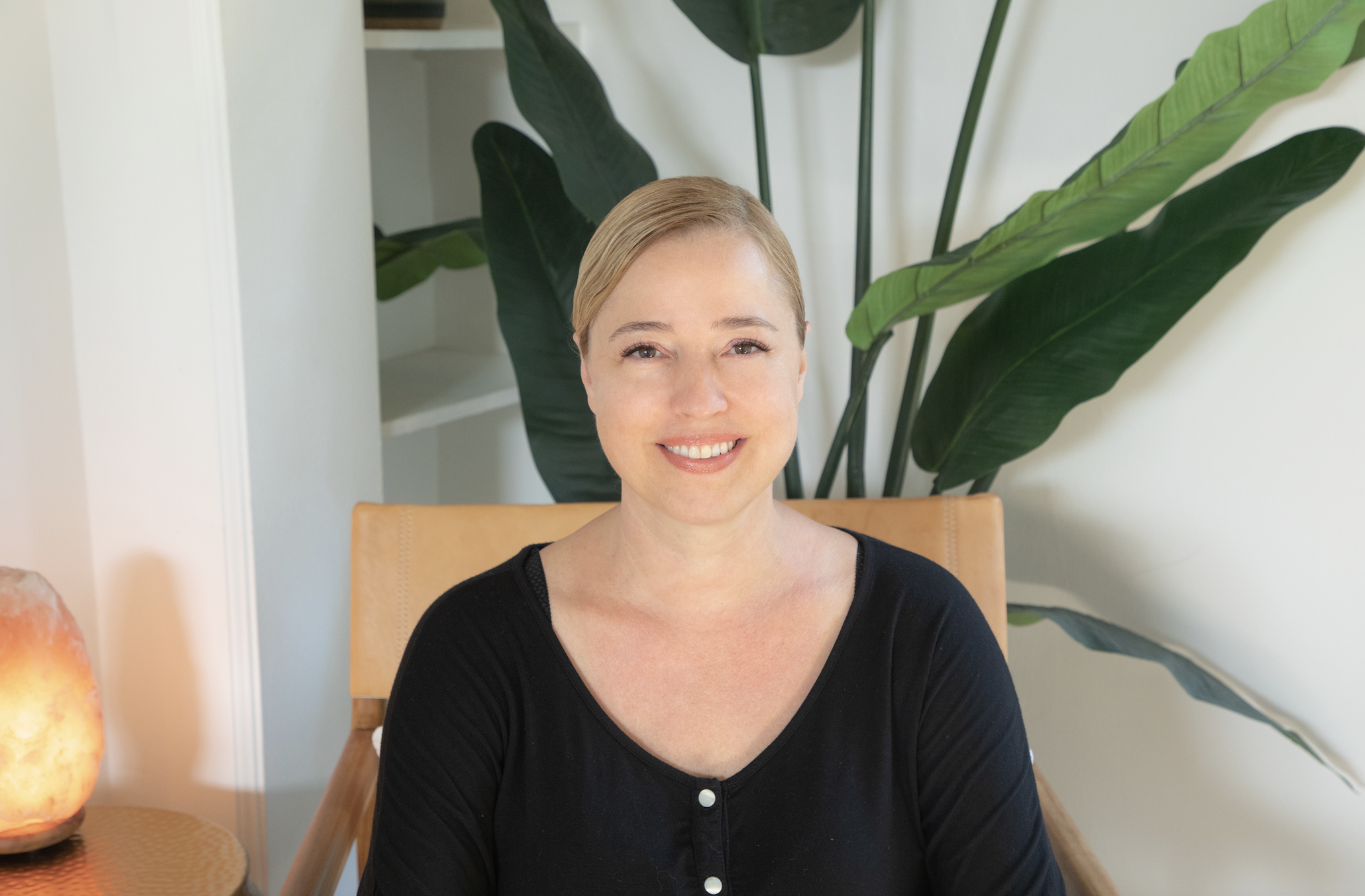
Co-host | When Trina Renea became an esthetician she realized the key to success was lifelong learning - a goal that sets her apart from most skin care practitioners.
For over 30 years, she’s explored the fields of cosmetic chemistry, medical esthetics, dermatology, and plastic surgery, becoming an expert in a wide expanse of professional skin care brands, equipment, and treatments. She is a member of the Society of Cosmetic Chemists with three certifications in cosmetic sciences from UCLA and continues to attend spa, medical, esthetic, and scientific conferences worldwide.
Now considered a skin master due to her broad expertise, Trina is a consultant to the Southern California beauty industry and medical esthetic community, selecting and training staff, developing treatments, guiding product selection, and helping professionals best serve their clients.
In 2004, she founded the Facial Bungalow, a clinical spa offering advanced skin care technologies where she continues to work one-on-one with clients to this day. In 2008 she created Trina Renea Skincare.

Do You Really Need Sunscreen Every Day? Answering the Questions People Actually Ask