Intrinsic vs. Extrinsic Aging: How Dermatologists and Estheticians Personalize Skincare for Aging Skin

Why Skin Aging Looks Different for Everyone
Few topics in skincare generate more confusion than aging skin. Patients, clients, and even professionals often debate whether wrinkles, laxity, and uneven texture are simply inevitable—or whether they can be meaningfully influenced by skincare and treatments.
The answer lies somewhere in between.
Skin aging is shaped by two overlapping forces: intrinsic aging, the natural biological process tied to time, and extrinsic aging, which results from environmental exposure and lifestyle factors. Understanding the difference between these two processes is essential for building a skincare strategy that is thoughtful, realistic, and personalized.
In this episode of the Facially Conscious podcast, the hosts sit down with respected dermatologist and skincare educator Dr. Mark Lees to explore how dermatology and esthetics approach aging skin. Their discussion highlights a critical idea: the most effective skincare plans are rarely universal—they are tailored to the individual.
Understanding Intrinsic vs. Extrinsic Aging
Intrinsic Aging: The Skin’s Natural Timeline
Intrinsic aging—sometimes referred to as “birthday aging”—is the biological process that occurs naturally over time.
This type of aging is influenced primarily by genetics and physiology. As the years pass, several structural changes occur within the skin:
- Reduced collagen and elastin production
- Slower cellular turnover
- Thinning of the epidermis
- Gradual loss of skin elasticity
These changes often appear as fine lines, mild sagging, and subtle texture changes. While intrinsic aging cannot be stopped, supportive skincare and professional treatments can help maintain skin health and resilience.
Extrinsic Aging: Environmental Stress on the Skin
Extrinsic aging results from external factors that accelerate visible skin aging.
Among these, sun exposure remains the most significant contributor, but other influences also play a role:
- UV radiation
- Pollution and environmental stressors
- Smoking and lifestyle factors
- Repeated skin inflammation or barrier damage
These external pressures can lead to more pronounced signs of aging, including:
- deeper wrinkles
- uneven pigmentation
- rough or thickened texture
- telangiectasia and vascular changes
Understanding the distinction between intrinsic and extrinsic aging helps professionals design skincare plans that address both biological aging and preventable environmental damage.
Why Personalized Skincare Matters
One of the central themes of the conversation with Dr. Lees is that aging skin cannot be treated with a single universal routine.
Each person’s skin reflects a unique combination of genetics, lifestyle habits, environmental exposure, and previous skincare choices. Effective treatment begins with careful assessment.
Evaluating the Current Routine
A common strategy used by experienced estheticians and dermatologists is to review what clients are already using.
Clients may bring their skincare products to appointments—or provide photos of their routines—so professionals can evaluate:
- ingredient overlap
- unnecessary products
- irritation triggers
- opportunities for simplification
This process helps professionals design targeted, personalized routines rather than adding more products without purpose.
Consistency Over Complexity
Another theme emphasized in the episode is the importance of consistent use.
Even highly effective ingredients cannot deliver results when used sporadically. Treatments such as tretinoin and other retinoids, for example, require patience and regular use to support long-term skin renewal.
In many cases, a simple, consistent routine is far more effective than an elaborate but inconsistent regimen.
Foundational Ingredients for Aging Skin
While personalized care is essential, several skincare categories consistently support healthier aging skin.
Sunscreen
Daily sunscreen remains the single most important preventative step in any skincare routine.
Professionals often emphasize finding a sunscreen that:
- feels comfortable on the skin
- works well under makeup or other products
- encourages daily compliance
Broad-spectrum formulas with SPF 30 or higher help protect against UV damage that accelerates extrinsic aging.
Alpha Hydroxy Acids (AHAs)
Alpha hydroxy acids—including glycolic acid and lactic acid—help improve skin texture by gently exfoliating the outermost layer of dead skin cells.
Regular use can support:
- smoother texture
- improved radiance
- enhanced product penetration
- gradual cellular turnover
For many patients, AHAs become a cornerstone ingredient for maintaining skin clarity and renewal.
Ceramides and Barrier Support
Healthy aging skin also depends on maintaining a strong skin barrier.
Ceramides play a critical role in preserving hydration and preventing transepidermal water loss. Dermatology research—including the well-known “brick-and-mortar” model of the skin barrier—has shown that ceramides help stabilize the outer layer of skin and maintain structural integrity.
Supporting the barrier becomes especially important as skin naturally becomes thinner and more sensitive with age.
Ingredients That Support Long-Term Skin Health
Beyond foundational skincare, certain ingredients may provide additional support for aging skin.
Peptides
Peptides are frequently incorporated into skincare formulations designed to support collagen signaling and skin resilience. Their role varies depending on the specific peptide structure, but many are used to encourage smoother, firmer-appearing skin.
Resveratrol
Resveratrol is a powerful antioxidant known for its ability to help neutralize oxidative stress. Antioxidants can play a supportive role in defending skin against environmental damage that contributes to extrinsic aging.
Anti-Glycation Ingredients
Glycation refers to the process in which sugars bind to proteins such as collagen, causing them to stiffen and lose flexibility.
Over time, this process can contribute to wrinkling and loss of elasticity. Ingredients designed to limit glycation may help preserve the skin’s structural proteins.
Professional Treatments: When Collaboration Matters
Another important discussion in the episode focuses on the collaborative relationship between estheticians and medical professionals.
Different treatments fall within different scopes of practice.
Treatments Often Performed by Estheticians
- superficial chemical peels
- exfoliating treatments
- barrier-supporting facials
- professional skincare guidance
Treatments Typically Managed by Physicians
- deeper chemical peels such as TCA
- laser resurfacing treatments (Fraxel, erbium, ablative lasers)
- vascular lasers for telangiectasia
When estheticians, dermatologists, and plastic surgeons work together, patients benefit from a more comprehensive treatment strategy.
Education and Client Compliance
A final theme emphasized in the conversation is education.
Clients often feel overwhelmed by conflicting skincare advice online. One of the most valuable roles professionals can play is helping people understand:
- how each product supports their skin
- why consistency matters
- what realistic outcomes look like
When clients understand the purpose of their routine, they are far more likely to follow it—and see meaningful improvements over time.
A Thoughtful Approach to Aging Skin
Aging skin is not a problem to “fix.” It is a biological process that can be supported with thoughtful care.
By understanding the difference between intrinsic and extrinsic aging, building personalized skincare routines, and encouraging collaboration between dermatology and esthetics, professionals can help individuals maintain healthy skin at every stage of life.
If you want to explore these ideas in greater depth, listen to the full conversation with Dr. Mark Lees on the Facially Conscious podcast, where the hosts discuss the science, professional perspectives, and real-world experience behind personalized skincare.
Have a question? Send us an email at info@faciallyconscious.co
LIKE, FOLLOW & REVIEW US ON INSTAGRAM, & WHERE YOU LISTEN TO PODCASTS!
Visit our website www.faciallyconscious.com
Linktree | Facially Conscious
Join our new Patreon and Substack for more content from Facially Conscious
Follow Our Hosts On Instagram
Trina Renea - Medically-trained master esthetician and celebrities’ secret weapon
Linktree | Trina Renea, @trinareneaskincare, trinarenea.com and Substack
Julie Falls- Our educated consumer is here to represent you! @juliefdotcom
Dr. Vicki Rapaport -Board Certified dermatologist with practices in Beverly Hills and Culver City @rapaportdermatology and https://www.rapdermbh.com/
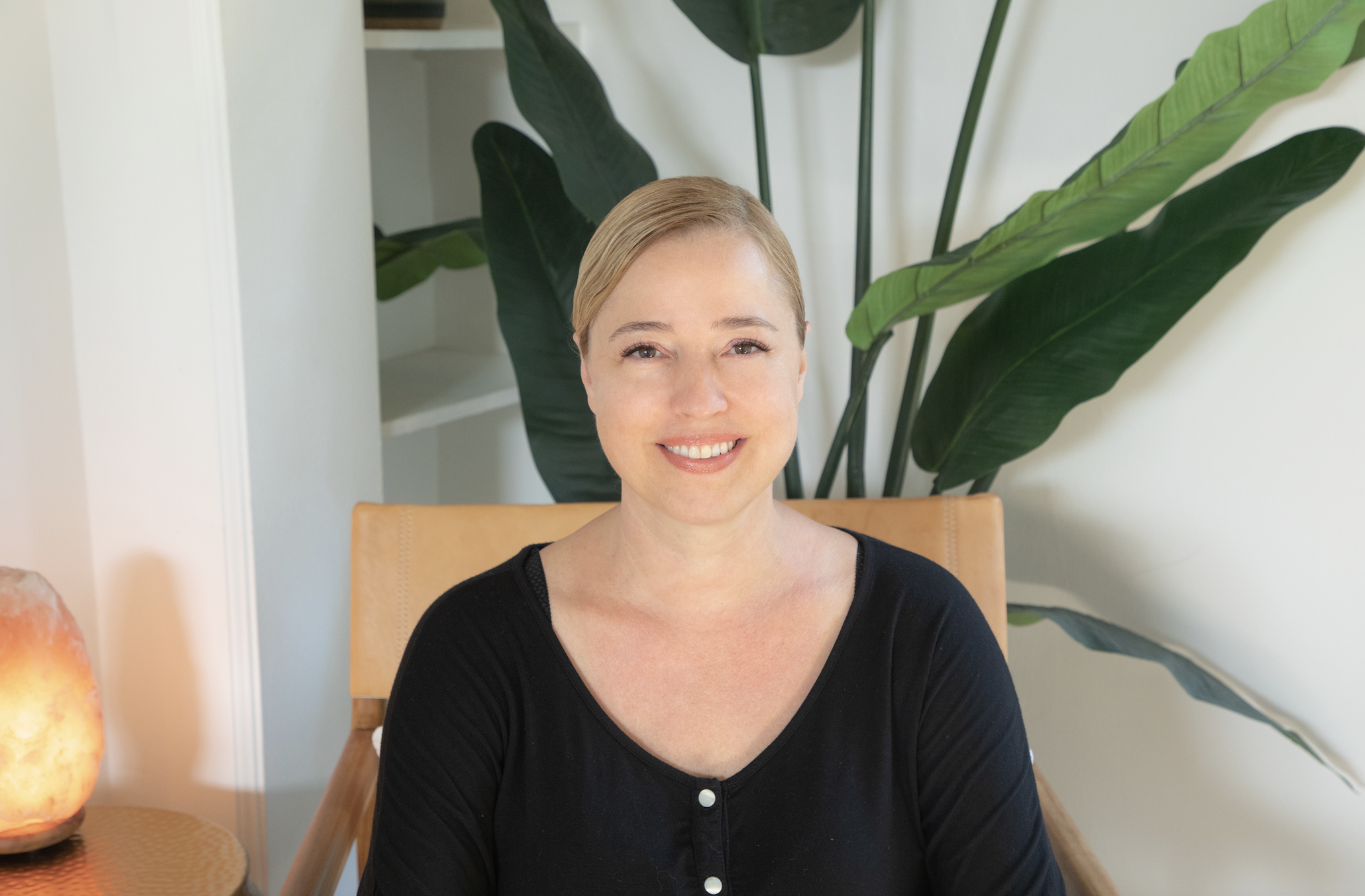
The Skin Master
Co-host | When Trina Renea became an esthetician she realized the key to success was lifelong learning - a goal that sets her apart from most skin care practitioners.
For over 30 years, she’s explored the fields of cosmetic chemistry, medical esthetics, dermatology, and plastic surgery, becoming an expert in a wide expanse of professional skin care brands, equipment, and treatments. She is a member of the Society of Cosmetic Chemists with three certifications in cosmetic sciences from UCLA and continues to attend spa, medical, esthetic, and scientific conferences worldwide.
Now considered a skin master due to her broad expertise, Trina is a consultant to the Southern California beauty industry and medical esthetic community, selecting and training staff, developing treatments, guiding product selection, and helping professionals best serve their clients.
In 2004, she founded the Facial Bungalow, a clinical spa offering advanced skin care technologies where she continues to work one-on-one with clients to this day. In 2008 she created Trina Renea Skincare.
Do You Really Need Sunscreen Every Day? Answering the Questions People Actually Ask