IPL vs BBL Photofacial Explained: Best Treatments for Brown Spots, Redness, and Uneven Skin
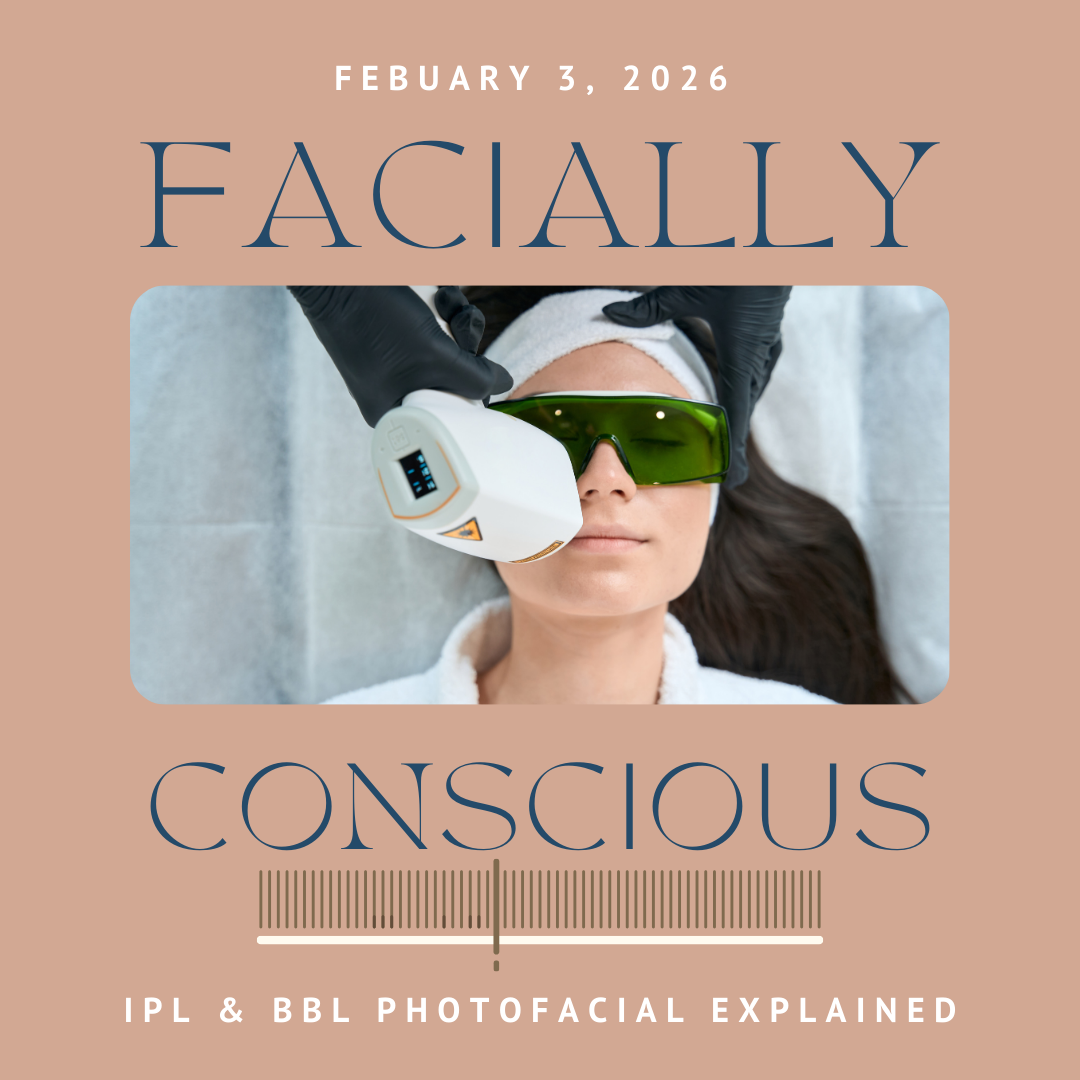
Why IPL vs BBL Is Still Confusing—Even for Skincare Professionals
When it comes to treating brown spots, redness, and uneven skin tone, few topics create more confusion than IPL vs BBL photofacials. Patients often hear these terms used interchangeably, while professionals debate differences in technology, outcomes, and safety across skin types.
So what actually matters—device, technique, or provider?
In this Facially Conscious episode, a board-certified dermatologist, licensed esthetician, and beauty industry expert come together to unpack the science and nuance behind these treatments. The result is a more grounded understanding of what IPL and BBL can realistically do—and where caution is needed.
What Is IPL (Intense Pulsed Light)?
IPL, or intense pulsed light therapy, is a non-ablative light-based treatment used to improve:
- Brown spots (sun damage, age spots)
- Redness (rosacea, broken capillaries)
- Uneven skin tone
- Overall skin clarity
Unlike traditional lasers that use a single wavelength, IPL emits a broad spectrum of light, allowing it to target multiple concerns in one session.
How It Works: Selective Photothermolysis
IPL works through selective photothermolysis, meaning light energy is absorbed by specific targets in the skin:
- Melanin → brown spots and pigmentation
- Hemoglobin → redness and visible vessels
- Water → general skin rejuvenation
The energy converts to heat, breaking down pigment or vessels while leaving surrounding tissue intact.
Why this matters: It’s what makes IPL both versatile and relatively low downtime compared to more aggressive laser treatments.
What Can IPL Treat?
One of the reasons IPL remains widely used is its range.
Most Common Indications:
- Sun damage and solar lentigines
- Facial redness and flushing
- Broken capillaries
- Early signs of photoaging
Additional Uses:
- Hair reduction (with specific settings)
- General “color correction” for more even skin tone
Many patients describe the end result as clearer, more uniform skin—often referred to clinically as improved skin tone homogeneity, rather than marketing-driven terms like “perfect skin.”
IPL vs Liquid Nitrogen: A More Controlled Approach
For isolated brown spots, liquid nitrogen (cryotherapy) is often used. But when pigmentation is widespread, this method has limitations.
Key Differences:
Liquid Nitrogen:
- Targets one spot at a time
- Risk of hypopigmentation (especially in darker skin)
- Less control over surrounding tissue
IPL:
- Treats larger areas evenly
- More controlled energy delivery
- Lower risk of uneven results when properly performed
From a dermatology perspective, IPL offers a more global correction strategy, rather than spot-by-spot treatment.
Does IPL Hurt?
Most patients describe IPL as a quick snapping sensation, similar to a rubber band against the skin.
- Typically tolerable without anesthesia
- Numbing cream may be used for sensitive areas
- Sessions usually last 15–30 minutes
Discomfort is brief—and notably less intense than ablative laser treatments.
How Many IPL Treatments Do You Need?
This is where expectations often become misaligned.
Typical Treatment Plan:
- 1–3 sessions spaced 6–8 weeks apart
- Annual maintenance treatments
Important Insight:
More sessions ≠ better results.
Some clinics offer packages with multiple low-energy treatments, which may prolong the process without improving outcomes. Fewer, appropriately calibrated treatments with an experienced provider are often more effective.
Cost of IPL Treatments
IPL pricing varies depending on:
- Provider expertise
- Geographic location
- Treatment area
Typical range: $200–$1,000 per session
In light-based treatments, cost often reflects experience and safety, not just the device used.
Who Is a Good Candidate for IPL?
IPL is best suited for Fitzpatrick skin types I–III (lighter skin tones).
Why Skin Type Matters:
Because IPL targets pigment, there’s a higher risk of:
- Hyperpigmentation
- Hypopigmentation
in darker skin types if not performed correctly.
Special Consideration: Melasma
Melasma remains unpredictable with light-based treatments.
Often referred to clinically as the “rule of thirds”:
- 1/3 improve
- 1/3 see no change
- 1/3 worsen
This makes careful patient selection and counseling essential.
What to Expect After IPL (Downtime & Healing)
IPL is non-ablative, but there is still a visible healing process.
Immediately After:
- Redness (like mild sunburn)
- Mild swelling
In the Days Following:
- Brown spots darken (“coffee ground” appearance)
- Gradual flaking over 7–10 days
Critical Aftercare:
- Daily broad-spectrum SPF 30+
- Strict sun avoidance for ~2 weeks
- Protective clothing (hats, shade)
Without proper sun protection, results can be compromised.
What Is BBL (BroadBand Light)?
BBL is often described as a more advanced version of IPL.
Key Differences:
- Uses dual xenon flash lamps
- More consistent energy delivery
- Potentially more customizable treatments
What It Treats:
- Brown spots
- Redness
- Broken capillaries
- Overall skin tone
Important Perspective:
Technology matters—but operator skill matters more.
An experienced IPL provider may achieve better results than an inexperienced provider using newer BBL technology.
IPL vs BBL: What Actually Matters?
Rather than focusing only on device differences, consider:
What Influences Outcomes Most:
- Provider experience
- Proper settings for your skin type
- Accurate diagnosis (pigment vs vascular vs melasma)
- Consistent aftercare
The device is just one part of a much larger clinical picture.
Key Takeaways: What Patients and Professionals Should Know
- IPL and BBL improve color, not structure
- Results are not permanent—maintenance is required
- Sun protection is essential to maintain outcomes
- Fair skin types respond most predictably
- Melasma requires cautious evaluation
- Provider experience is more important than technology
A More Thoughtful Approach to Light-Based Treatments
IPL and BBL photofacials can be powerful tools—but only when used with the right expectations, patient selection, and clinical judgment.
This is where interdisciplinary insight becomes valuable. Dermatology, esthetics, and real-world experience each offer a different lens—and when combined, they provide a more complete picture of what these treatments can and cannot do.
Listen to the Full Episode
To hear the full discussion—including nuanced perspectives, patient experiences, and clinical insights—listen to the complete episode:
“IPL vs BBL Explained: Photo Rejuvenation Treatments, Skin Concerns, and What to Expect”
Have a question? Send us an email at info@faciallyconscious.co
LIKE, FOLLOW & REVIEW US ON INSTAGRAM, & WHERE YOU LISTEN TO PODCASTS!
Visit our website www.faciallyconscious.com
Linktree | Facially Conscious
Join our new Patreon and Substack for more content from Facially Conscious
Follow Our Hosts On Instagram
Trina Renea - Medically-trained master esthetician and celebrities’ secret weapon
Linktree | Trina Renea, @trinareneaskincare, trinarenea.com and Substack
Julie Falls- Our educated consumer is here to represent you! @juliefdotcom
Dr. Vicki Rapaport -Board Certified dermatologist with practices in Beverly Hills and Culver City @rapaportdermatology and https://www.rapdermbh.com/
The Skin Master
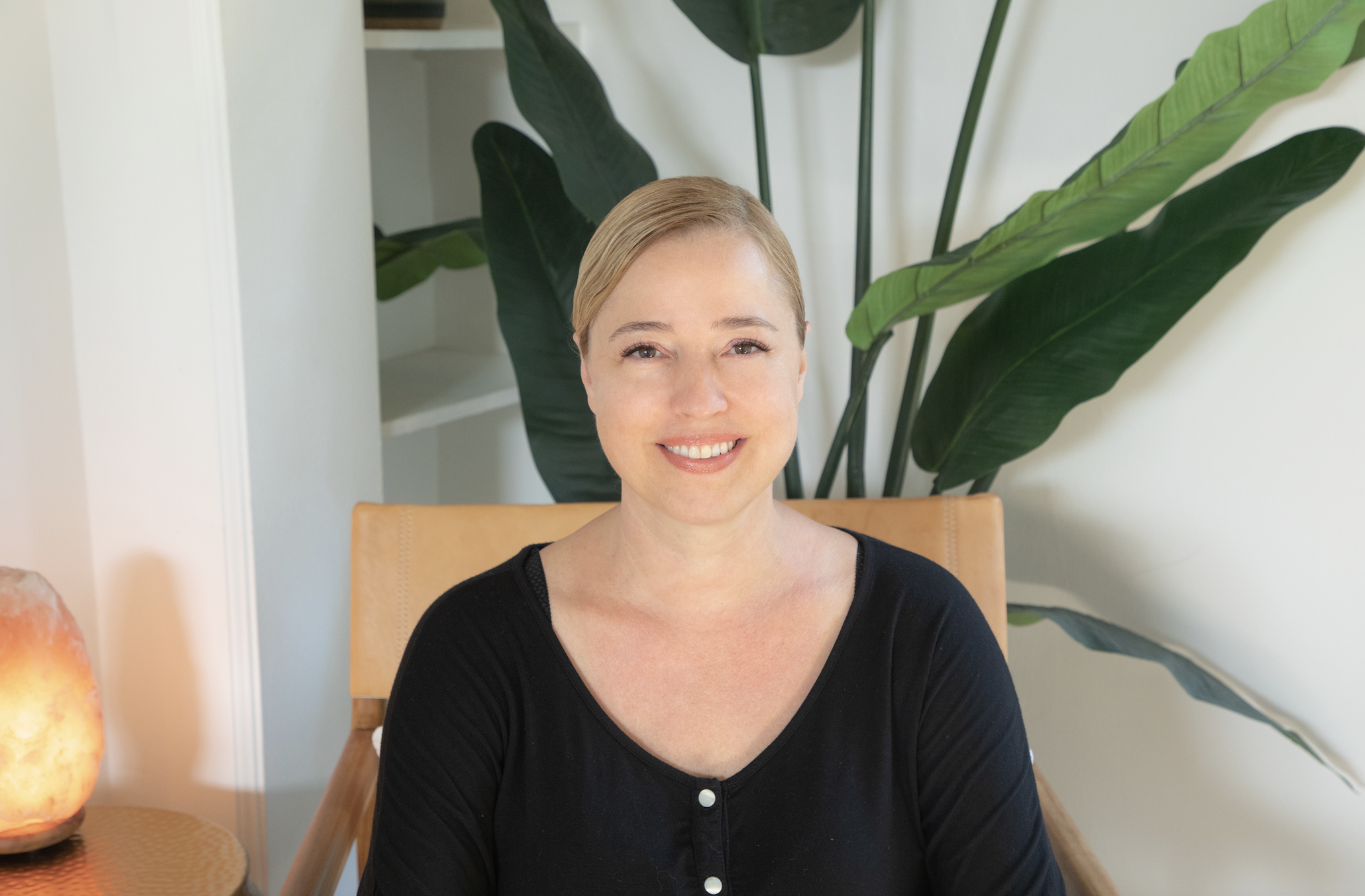
Co-host | When Trina Renea became an esthetician she realized the key to success was lifelong learning - a goal that sets her apart from most skin care practitioners.
For over 30 years, she’s explored the fields of cosmetic chemistry, medical esthetics, dermatology, and plastic surgery, becoming an expert in a wide expanse of professional skin care brands, equipment, and treatments. She is a member of the Society of Cosmetic Chemists with three certifications in cosmetic sciences from UCLA and continues to attend spa, medical, esthetic, and scientific conferences worldwide.
Now considered a skin master due to her broad expertise, Trina is a consultant to the Southern California beauty industry and medical esthetic community, selecting and training staff, developing treatments, guiding product selection, and helping professionals best serve their clients.
In 2004, she founded the Facial Bungalow, a clinical spa offering advanced skin care technologies where she continues to work one-on-one with clients to this day. In 2008 she created Trina Renea Skincare.
Is Prescription Acne Treatment Now OTC?