Is Prescription Acne Treatment Now OTC?
Acne treatment doesn't change much from year to year. New lasers and devices come along now and then, but they rarely change what an ordinary person can do at home. This year is different. On this episode of Facially Conscious, board-certified dermatologist Dr. Vicki Rapaport, esthetician Trina Renea, and consumer advocate Julie Falls walk through the latest in acne and rosacea care. That means what's genuinely new, what's worth the money, and what's just a clever Instagram name.
A Former Prescription Acne Gel Is Now Over the Counter
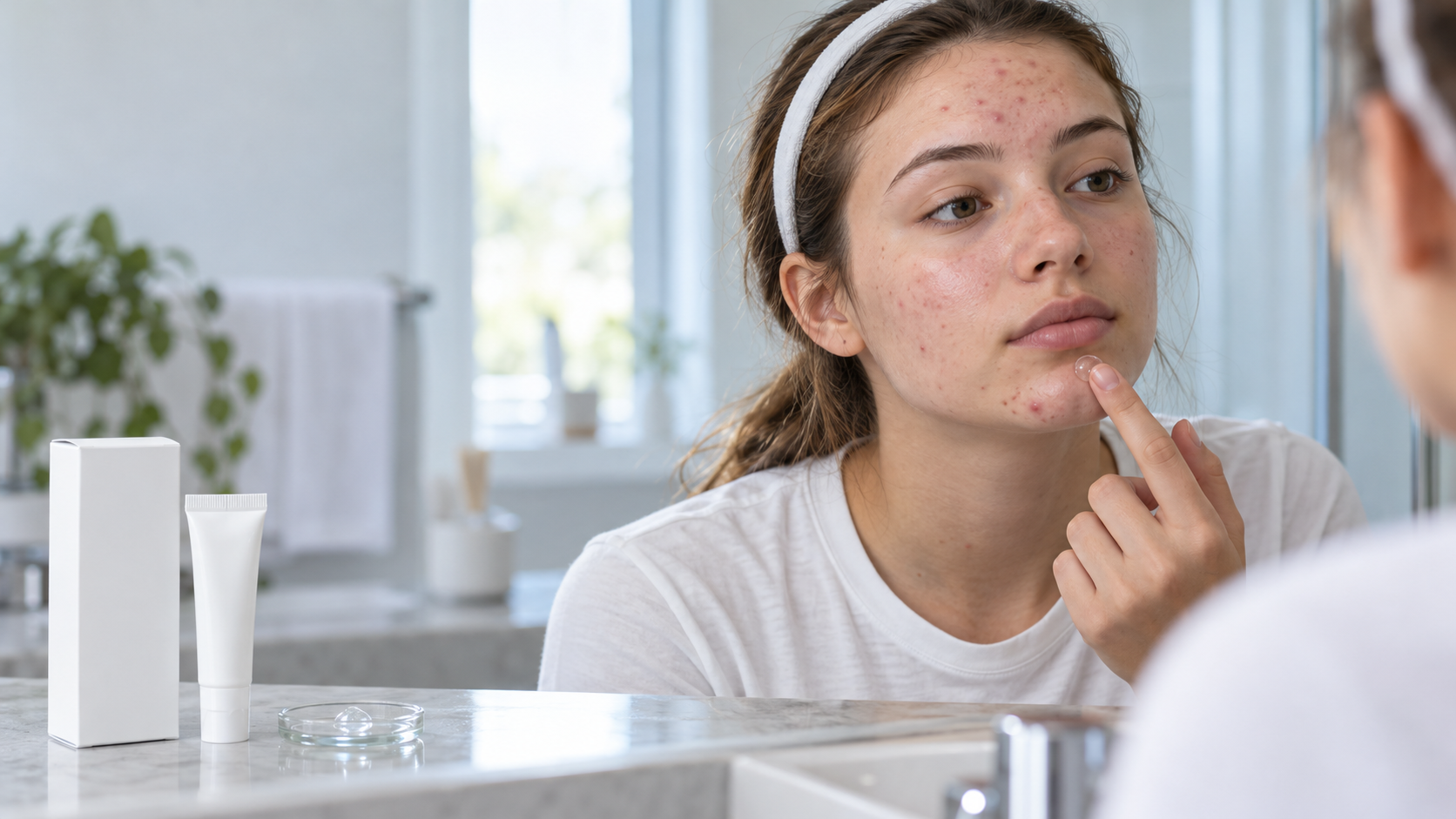
Dr. Vicki called it the biggest news in dermatology. Epiduo combines adapalene (the retinoid sold as Differin) with benzoyl peroxide, and it used to require a prescription from a dermatologist, pediatrician, or internist. Now anyone can buy it over the counter, and Dr. Vicki noted it runs about $29.99 and lasts a long time.
Each ingredient has been sold separately for a while. What's new is having both in one convenient product. For the roughly 30 million Americans with acne, many of whom can't get a dermatology appointment, that's a big deal.
Two honest caveats from Dr. Vicki:
-
It can be drying and irritating. Start slowly.
-
A cleanser is not a cure. She said many patients come in saying they've "tried everything," and it turns out they tried a cleanser. If your acne is moderate to severe, or this over-the-counter option doesn't clear it, that's when you need a dermatologist.
Where the Esthetician Fits
Julie asked Trina what's changed in her treatment room. Trina's answer explains how acne care works best. "I work alongside the dermatologist," she said. She does extractions and keeps the skin clear and calm "so that the medication can work better." When a client can't see a doctor, she uses lower-strength retinols and benzoyl peroxide and manages inflammation while those work. Some clients need more, and she sends them to the dermatologist for Accutane or spironolactone so they can treat them side by side.
"My job is still the same," Trina said. New medications don't replace professional care. They work better with it.
What Actually Causes Acne?
Dr. Vicki has noticed something new over the last two years. Young patients want to know the root cause of their acne, and she loves that conversation. The answer isn't "Cheetos and Doritos," and it isn't "you don't drink enough water." Acne is hormonal, inflammatory, and familial (genetic). In her words, the three drivers are oil, hormones, and bacteria. Sometimes you have to treat all three. Sometimes knocking out one is enough.
She also said dermatologists now talk about nutrition in a way they used to laugh off. Dairy, its hormones, and ultra-processed foods may play a role for some people. The research isn't settled, but she'll give patients options instead of dismissing the question.
The Microbiome Question
The episode opened with Trina sharing something that surprised everyone: she washes her face with cleanser only once a week. She rinses with water morning and night, applies her products, and has done it for a year with no breakouts and no blackheads. She learned it from Dr. Thomas Hitchcock, a former guest and co-author of a book on the skin microbiome with Dr. Doris Day, Rebooting the Biome. The idea is that your skin's microbiome feeds on the natural oils on your face.
Trina was clear that this isn't for everyone. If you wear makeup, wash your face. If you have acne, wash your face. If you feel oily, cleanse at night. Dr. Vicki washes twice a day because she's oily and doesn't feel clean otherwise. Julie splashes with water in the morning, and double cleanses at night.
That ties into a real tension in acne care, which Dr. Vicki explained. With acne, you do need to reduce bacteria and calm the oil glands, and doing that disrupts the microbiome. Probiotic sprays that put healthy bacteria back on the skin are being studied, though none is FDA-approved yet. As Dr. Vicki put it: "There's no magic wand."
Accutane Is Being Used More, Not Less
When Julie asked if dermatologists have backed off Accutane, Dr. Vicki said the opposite is true. "We're not afraid of Accutane," she said. Doctors now have years of data, a well-understood safety record, and "incredible results." She doesn't rush patients onto it, but when a patient wants it, she feels confident they'll do well.
AviClear and Accure: The Acne Lasers
Trina asked about the two FDA-approved acne lasers. Both are 1726-nanometer lasers that heat and shrink the oil glands, and because they target the oil-gland side of acne, they can actually cure it. One is essentially painless.
The catch is the price. They aren't covered by insurance, and patients need three to four sessions at roughly $800 to $900 each. Dr. Vicki has seen quotes as high as $2,500 to $4,000 per session. Trina didn't mince words: "I'm not a fan. It's outrageous. You can treat acne in so many other ways." Since acne mostly affects teenagers, she added, "No mother's going to pay that kind of money for their teen to get a laser when you could do it with meds." Dr. Vicki agrees the lasers have a place for patients who can't or won't use medication, and thinks they'd be used far more if insurance covered them.
Rosacea: What's New and What Works
Rosacea used to be considered a bacterial problem. Today it's understood as inflammatory and genetic. You have to be predisposed, often with very fair skin and Northern European ancestry. Then something triggers it: menopause, starting or stopping birth control, pregnancy, stress, or, in men, sometimes alcohol.
Yes, mites are real. Everyone has microscopic Demodex mites, but rosacea patients tend to have more. Lowering the mite count, usually with topical ivermectin, often calms the inflammation. (Trina has seen the "cute little mite" in a picture. Julie joked that Trina, the once-a-week washer, has "a little mite farm.")
New oral options: A low-dose minocycline was recently approved for rosacea. It joins low-dose doxycycline, and both can be used longer term with fewer risks than full-dose antibiotics.
Microdosed Accutane: For patients who haven't responded to topicals, oral medications, or lasers, Dr. Vicki calls very low-dose Accutane "a miracle for rosacea." Patients take one pill a week, sometimes one a month, compared with twice a day for acne. Side effects are minimal. She describes Accutane as "an oral laser": it shrinks the oil glands so inflammation and bacteria can't thrive. Both Julie and Trina named this as their favorite takeaway.
The redness creams Dr. Vicki no longer loves: Topical vasoconstrictors like Mirvaso and Rhofade erase redness quickly, but over time the blood vessels can over-dilate, and the redness comes back worse. Dr. Vicki now saves them for brides and photo shoots.
The habit that makes the difference: Julie, who has rosacea, uses a prescription sulfa cleanser on her red areas two or three nights a week and azelaic acid every morning. Her key insight: "I don't wait to get inflamed anymore." Dr. Vicki said that's the whole game. Treating rosacea only when it flares keeps you in a vicious cycle. Consistency breaks it.
Rosacea and Blue Light
Dr. Vicki explained that rosacea can react to all kinds of light, including the blue light from phones and computers. For rosacea, she prefers a mineral sunscreen (zinc oxide and titanium dioxide) over a chemical one, and she's a fan of a green-tinted formula because green neutralizes red. Julie prefers a tinted mineral sunscreen that also blocks blue light. You can find both on our ShopMy page, linked at the bottom of this blog.
Julie also has a sunscreen rule we love: "You don't put it on because you're going outside. Put it on because you're waking up in the morning."
Consumer Corner: K1-Jet
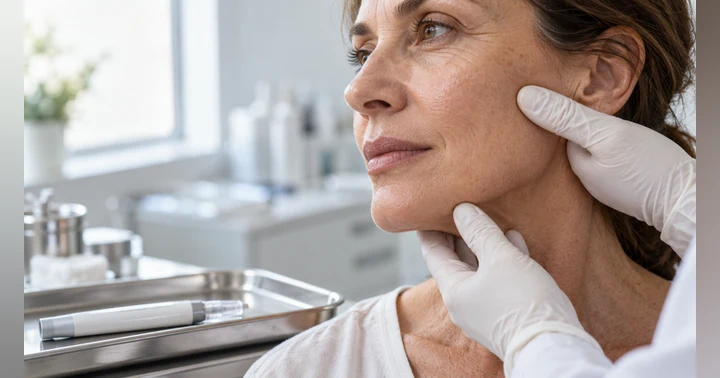
Julie brought in a viral Instagram video of K1-Jet, a pen-like device promising a "snatched jawline" in about 60 seconds. Trina researched it. It's a high-pressure air device that blasts liquid onto the skin's surface. It moves some lymphatic fluid and puffs the skin, which gives a temporary tightened look. "It's not permanent at all. It's not getting rid of fat," Trina said, and she doubts anyone past their younger years would see a difference.
Dr. Vicki sees one upside: it could push in a regenerative serum like PDRN (salmon DNA) or growth factors without needles. But for now, it mostly vibrates product into the surface of the skin. Our verdict: wait and see.
The Takeaway
Acne care just got more accessible, rosacea care just got smarter, and the most expensive option still isn't automatically the best one. Treat consistently, use the right sunscreen, and when over-the-counter care isn't enough, see a dermatologist and an esthetician who work together.
Want extended content and deeper dives? Join the Facially Conscious Substack →
Want the esthetician's view? Read Trina's personal take on this episode on her Substack →
Facially Conscious Linktree | Trina Renea Skincare Linktree | ShopMy
The Skin Master
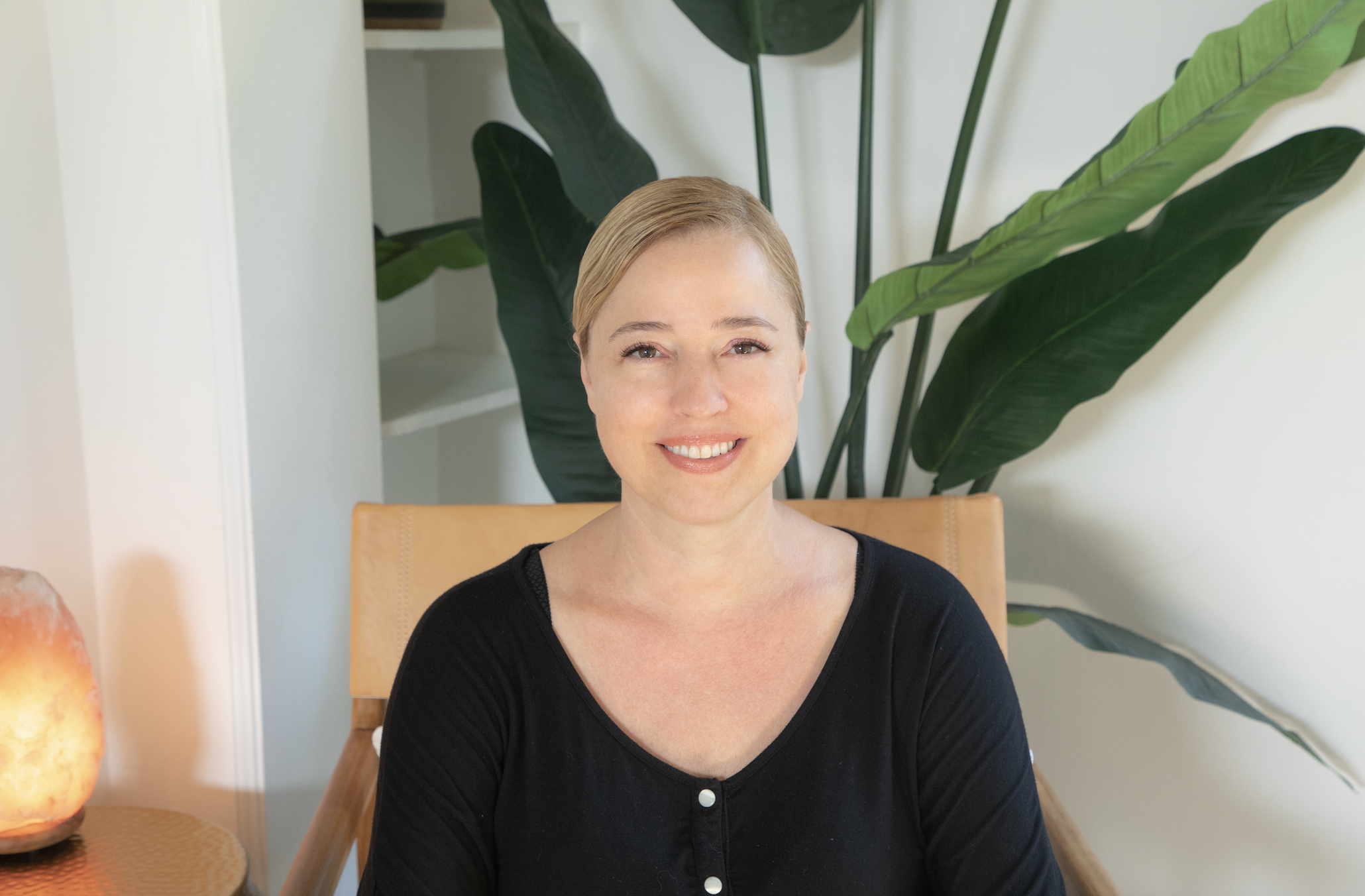
Co-host | When Trina Renea became an esthetician she realized the key to success was lifelong learning - a goal that sets her apart from most skin care practitioners.
For over 30 years, she’s explored the fields of cosmetic chemistry, medical esthetics, dermatology, and plastic surgery, becoming an expert in a wide expanse of professional skin care brands, equipment, and treatments. She is a member of the Society of Cosmetic Chemists with three certifications in cosmetic sciences from UCLA and continues to attend spa, medical, esthetic, and scientific conferences worldwide.
Now considered a skin master due to her broad expertise, Trina is a consultant to the Southern California beauty industry and medical esthetic community, selecting and training staff, developing treatments, guiding product selection, and helping professionals best serve their clients.
In 2004, she founded the Facial Bungalow, a clinical spa offering advanced skin care technologies where she continues to work one-on-one with clients to this day. In 2008 she created Trina Renea Skincare.
What Happens to Your Face on GLP-1s? A Dermatologist and an Esthetician on "Ozempic Face"