Menopause and Skin Health: How Hormonal Changes Transform the Skin (Expert Insights from Dermatology & Women’s Health)

Menopause is often discussed in terms of hot flashes, sleep disruption, or hormonal fluctuations—but one of the most visible and widely debated effects occurs in the skin.
For dermatologists, estheticians, and medically informed skincare professionals, menopause raises important questions:
How does declining estrogen influence collagen production? Why does skin suddenly feel thinner or drier? And what approaches actually support skin health during this stage of life?
In this episode of Facially Conscious, the hosts are joined by Dr. Suzanne Beth Gilberg-Lenz, an OB-GYN and diplomate of the American College of Obstetrics and Gynecology. Together, they explore the biological realities of menopause and how hormonal changes affect the skin’s structure, resilience, and long-term health.
Rather than viewing menopause as a problem to “fix,” the conversation reframes it as a complex physiological transition that benefits from education, interdisciplinary care, and thoughtful lifestyle support.
Menopause Is More Than Hormones
Menopause is often simplified as the end of menstrual cycles, but biologically, it represents a broader shift in the body’s hormonal environment.
As estrogen levels decline, many systems are affected, including:
- Skin structure and thickness
- Collagen and elastin production
- Hydration and barrier function
- Bone density
- Sleep regulation
- Metabolism and energy balance
Because the skin is highly responsive to hormonal signaling, it often becomes one of the first places people notice change.
Dr. Gilberg-Lenz emphasizes that understanding these biological processes can help replace confusion or stigma with informed, proactive care.
Why Menopause Changes the Skin
Estrogen plays a significant role in maintaining the skin’s structural integrity.
During the menopausal transition, declining estrogen levels can influence several key aspects of skin physiology:
Collagen Decline
Collagen is responsible for the skin’s strength and structure. Research suggests that collagen production can decline significantly in the early years of menopause.
This shift may contribute to:
- Increased skin laxity
- Thinning of the dermis
- Reduced resilience
Loss of Elasticity
Elastin fibers help skin return to its shape after stretching. As hormonal support decreases, skin may appear less firm or more prone to sagging.
Reduced Hydration
Hormonal shifts can alter the skin’s ability to retain moisture, leading to:
- dryness
- increased sensitivity
- compromised barrier function
For many people, this combination of changes creates the feeling that skin aging has suddenly accelerated.
Understanding the biology behind these changes allows both clinicians and skincare professionals to approach the issue with context rather than confusion.
A Holistic Perspective on Menopause and Skin Health
One of the central themes of the episode is that menopause cannot be understood through a single lens.
Skin health during this stage is influenced by a range of interconnected factors:
Lifestyle Foundations
Dr. Gilberg-Lenz highlights several lifestyle elements that play a meaningful role in supporting overall health during menopause:
- Sleep quality
- Hydration
- Nutritional balance
- Healthy fats in the diet
- Stress management
These foundational factors influence systemic health and can indirectly support the skin’s ability to maintain hydration, resilience, and repair.
Thoughtful Skincare Adjustments
As the skin’s needs evolve, skincare routines may benefit from gentle adjustments.
Some individuals may find that richer formulations—such as facial oils or lipid-supporting serums—help compensate for reduced natural oil production.
The goal is not to chase trends, but to support the skin’s changing physiology with appropriate hydration, barrier support, and consistent care.
Addressing the Misinformation Around Menopause
Despite affecting half the population, menopause has historically been surrounded by misinformation, stigma, and limited public conversation.
This episode highlights the importance of:
- questioning outdated narratives
- encouraging open discussion about women’s health
- supporting evidence-based education
Journalists, clinicians, and researchers—including voices such as Susan Dominus and other leaders in women’s health research—have increasingly called attention to the ways menopause has been misunderstood or under-discussed.
Creating space for informed conversations helps individuals approach this stage of life with clarity rather than fear.
Reframing Menopause as a Transition
A key takeaway from Dr. Gilberg-Lenz is that menopause should not be framed as the end of vitality or beauty.
Instead, it represents a natural biological transition that can be approached with knowledge, preparation, and support.
When individuals understand what is happening within their bodies, they can make thoughtful decisions about:
- lifestyle choices
- skincare adjustments
- medical guidance
- community support
Education transforms menopause from something mysterious or intimidating into a stage of life that can be navigated with confidence.
Resources Mentioned in the Episode
For those interested in exploring the topic further, the episode references several resources related to menopause and women’s health:
- Menopause Boot Camp – Dr. Suzanne Gilberg-Lenz
- Estrogen Matters – Avrum Bluming, MD & Carol Tavris, PhD
Additional discussions in the episode touch on topics such as:
- ovarian aging
- evolving research in women’s health
- integrative approaches to wellness during menopause
Listen to the Full Conversation
Menopause sits at the intersection of dermatology, women’s health, lifestyle medicine, and esthetic care. Conversations like this one help bridge those perspectives so that both professionals and curious listeners can better understand the biological realities of skin aging during this stage of life.
To hear the full discussion and explore Dr. Gilberg-Lenz’s insights in depth, listen to the full episode of Facially Conscious:
“Ageless Beauty: Unveiling the Secrets of Skin and Menopause.”
Following the podcast helps support more thoughtful conversations at the intersection of skincare science, medicine, and esthetic expertise.
Have a question? Send us an email at info@faciallyconscious.co
LIKE, FOLLOW & REVIEW US ON INSTAGRAM, & WHERE YOU LISTEN TO PODCASTS!
Visit our website www.faciallyconscious.com
Linktree | Facially Conscious
Join our new Patreon and Substack for more content from Facially Conscious
Follow Our Hosts On Instagram
Trina Renea - Medically-trained master esthetician and celebrities’ secret weapon
Linktree | Trina Renea, @trinareneaskincare, trinarenea.com and Substack
Julie Falls- Our educated consumer is here to represent you! @juliefdotcom
Dr. Vicki Rapaport -Board Certified dermatologist with practices in Beverly Hills and Culver City @rapaportdermatology and https://www.rapdermbh.com/
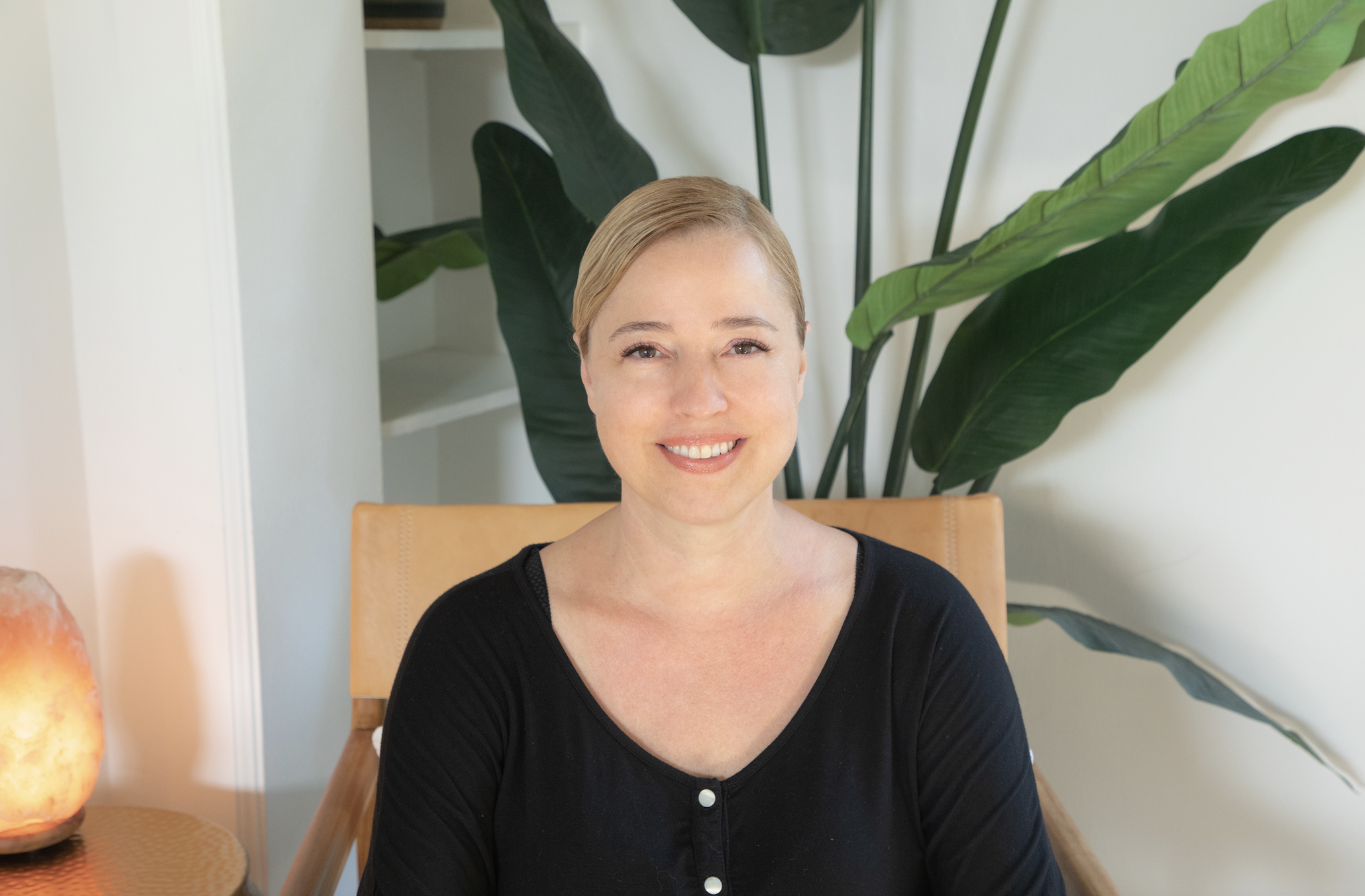
The Skin Master
Co-host | When Trina Renea became an esthetician she realized the key to success was lifelong learning - a goal that sets her apart from most skin care practitioners.
For over 30 years, she’s explored the fields of cosmetic chemistry, medical esthetics, dermatology, and plastic surgery, becoming an expert in a wide expanse of professional skin care brands, equipment, and treatments. She is a member of the Society of Cosmetic Chemists with three certifications in cosmetic sciences from UCLA and continues to attend spa, medical, esthetic, and scientific conferences worldwide.
Now considered a skin master due to her broad expertise, Trina is a consultant to the Southern California beauty industry and medical esthetic community, selecting and training staff, developing treatments, guiding product selection, and helping professionals best serve their clients.
In 2004, she founded the Facial Bungalow, a clinical spa offering advanced skin care technologies where she continues to work one-on-one with clients to this day. In 2008 she created Trina Renea Skincare.
Is Prescription Acne Treatment Now OTC?