Ozempic Face Explained: Causes, Prevention, and Skin Health During Weight Loss
Is “Ozempic Face” Really Caused by Medication?
The term “Ozempic face” has quickly entered both clinical conversations and public discourse—but it often creates confusion. Is facial aging truly caused by GLP-1 medications like Ozempic or Mounjaro, or is something else happening beneath the surface?
From a medical and esthetic perspective, the answer is clear: the medication is not the root cause—rapid weight loss is.
In this episode of the Facially Conscious Podcast, expert hosts combine clinical insight and skincare science to unpack what’s really happening to the skin during weight loss—and how to approach it in a way that supports long-term skin health.
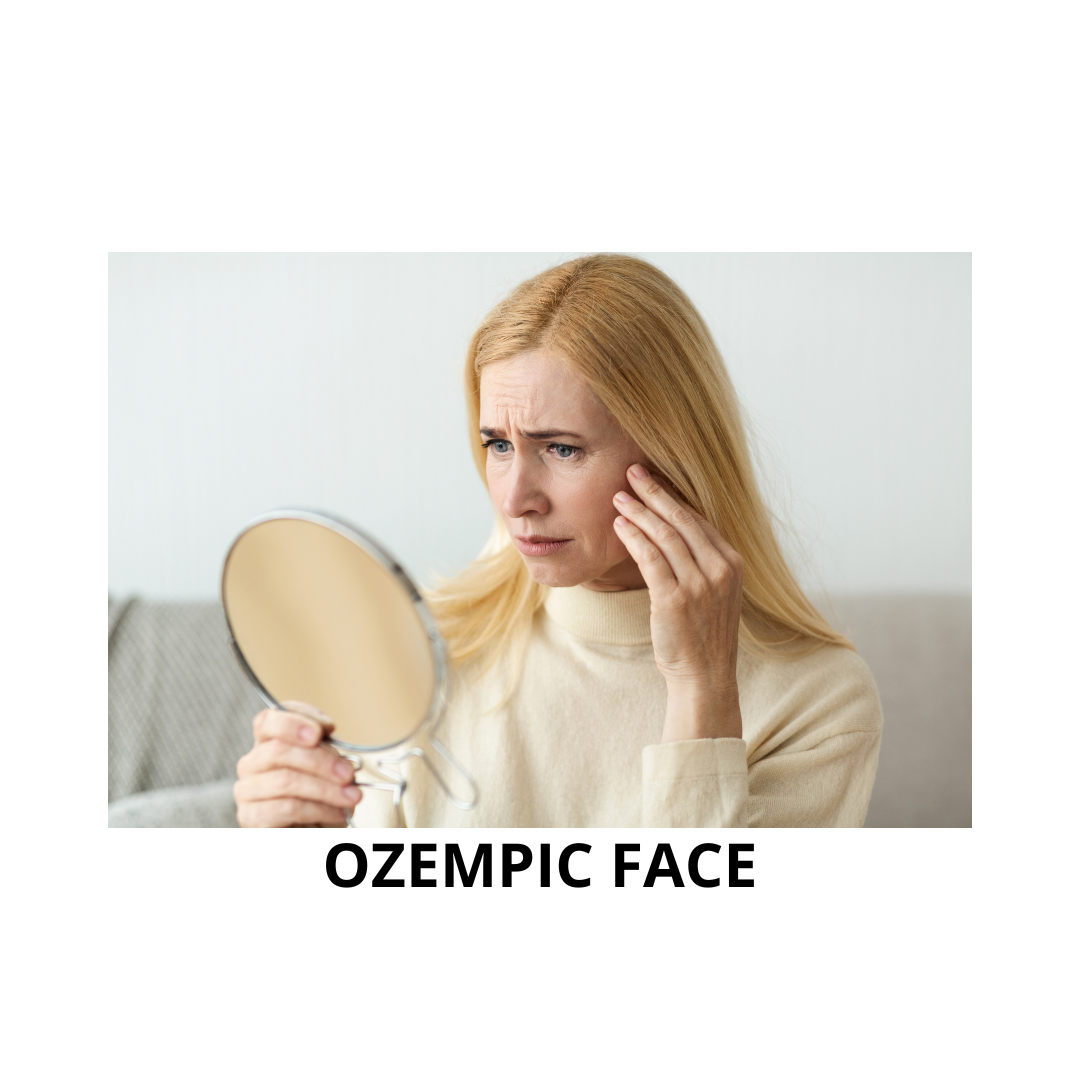
What Is Ozempic Face?
“Ozempic face” refers to a visible loss of facial volume, often described as:
- Hollowing under the eyes
- Flattened cheeks
- Increased skin laxity
- A more aged or gaunt appearance
While commonly associated with GLP-1 medications, this effect is not unique to Ozempic. It can occur with:
- Rapid weight loss
- Aggressive dieting
- Improper intermittent fasting
- Significant caloric restriction without nutritional support
The Underlying Cause: Subcutaneous Fat Loss
Facial structure depends heavily on subcutaneous fat pads, which:
- Provide volume and contour
- Support skin from beneath
- Contribute to a youthful appearance
When these fat pads diminish too quickly, the skin cannot adapt at the same rate—resulting in visible collapse and laxity.
Why Rapid Weight Loss Affects Skin Aging
Skin Is an Adaptive Organ—But It Needs Time
Skin is elastic, but not infinitely so. When weight loss occurs too quickly:
- Collagen and elastin cannot remodel efficiently
- Skin support structures weaken
- Recovery becomes slower and less predictable
A helpful analogy: releasing air from a stretched balloon. The structure doesn’t immediately return to its original state.
Factors That Influence Skin Recovery
Recovery from facial volume loss varies based on:
- Age: Younger skin has greater regenerative capacity
- Rate of weight loss: Faster loss = greater structural stress
- Total weight lost: Larger losses require longer adaptation
- Genetics: Skin elasticity differs significantly between individuals
- Nutrition: A primary determinant of skin resilience
The Role of Nutrition in Preventing Ozempic Face
1. Protein: Essential for Collagen and Skin Structure
Adequate protein intake is critical during weight loss to support:
- Collagen synthesis
- Elastin integrity
- Tissue repair
High-quality protein sources include:
- Eggs
- Fish
- Dairy
- Soy
- Legumes (especially when combined with grains for complete amino acids)
Consistency matters—protein should be present across meals, not concentrated in one.
2. Healthy Fats: Supporting the Skin Barrier
Fat restriction is a common mistake during weight loss.
Healthy fats are essential for:
- Maintaining the lipid barrier
- Preventing transepidermal water loss
- Supporting cell membrane function
Examples of beneficial fats:
- Olive oil
- Avocado
- Nuts and seeds
- Whole-food dairy fats
3. Hydration and Electrolytes
Dehydration amplifies visible aging by:
- Increasing skin crepiness
- Reducing elasticity
- Compromising skin function
Signs of inadequate hydration:
- Tight, dull skin
- Reduced bounce-back
- Darker urine
Electrolyte balance also plays a role in cellular hydration and skin performance.
Skincare Strategies to Support Skin During Weight Loss
While nutrition forms the foundation, topical support can enhance skin resilience.
Key Ingredient Categories
Peptides
Support signaling pathways for collagen and elastin production.
Growth Factors
Encourage skin repair and regeneration through cellular communication.
Retinoids
Promote collagen synthesis and improve structural integrity over time.
Niacinamide (4–7%)
Supports barrier function, reduces inflammation, and improves overall skin health.
Ceramides
Help maintain hydration and reinforce the skin barrier during physiological stress.
Emerging Technologies (e.g., Exosomes)
Support protein synthesis and cellular communication in the skin.
What Not to Rely On: A Note on Neuromodulators
A common misconception is that injectables like Botox can correct “Ozempic face.”
However:
- Neuromodulators relax muscles
- They do not restore lost volume
- In some cases, they may accentuate sagging
Structural concerns related to volume loss require a different approach—and ideally, prevention.
A Smarter Approach to Weight Loss and Skin Health
Balanced, Sustainable Weight Loss
From both medical and esthetic perspectives, the most effective strategy includes:
- Gradual weight loss
- Balanced macronutrients at each meal
- Consistent protein intake
- Inclusion of healthy fats
- Adequate micronutrients
Dietary frameworks such as Mediterranean-style or diabetic-friendly nutrition plans support both metabolic and skin health.
If Using GLP-1 Medications
A skin-conscious approach includes:
- Starting with conservative dosing
- Allowing time for physiological adaptation
- Supporting the skin before and during weight loss
- Monitoring early signs of skin laxity
Recovery: Can Skin Bounce Back?
Recovery is possible—but not immediate.
General Recovery Timeline:
- Younger individuals (modest weight loss): ~3–6 months
- Significant weight loss or mature skin: up to 12–18 months
Continued nutritional support and consistent skincare play a key role in recovery outcomes.
Key Takeaways
- “Ozempic face” is not caused by medication—it’s a result of rapid fat loss and inadequate support
- Skin health during weight loss depends heavily on nutrition, pacing, and consistency
- Protein, healthy fats, and hydration are foundational—not optional
- Skincare can support the process, but cannot replace internal nutrition
- Prevention is significantly more effective than correction
Listen to the Full Expert Discussion
This topic reflects a broader conversation happening across medical and esthetic fields—one that requires nuance, not quick fixes.
For a deeper, clinically informed discussion on Ozempic face, skin physiology, and evidence-based prevention strategies, listen to the full episode of the Facially Conscious Podcast.
Have a question? Send us an email at info@faciallyconscious.co
LIKE, FOLLOW & REVIEW US ON INSTAGRAM, & WHERE YOU LISTEN TO PODCASTS!
Visit our website www.faciallyconscious.com
Linktree | Facially Conscious
Join our new Patreon and Substack for more content from Facially Conscious
Follow Our Hosts On Instagram
Trina Renea - Medically-trained master esthetician and celebrities’ secret weapon
Linktree | Trina Renea, @trinareneaskincare, trinarenea.com and Substack
Julie Falls- Our educated consumer is here to represent you! @juliefdotcom
Dr. Vicki Rapaport -Board Certified dermatologist with practices in Beverly Hills and Culver City @rapaportdermatology and https://www.rapdermbh.com/
The Skin Master
Co-host | When Trina Renea became an esthetician she realized the key to success was lifelong learning - a goal that sets her apart from most skin care practitioners.
For over 30 years, she’s explored the fields of cosmetic chemistry, medical esthetics, dermatology, and plastic surgery, becoming an expert in a wide expanse of professional skin care brands, equipment, and treatments. She is a member of the Society of Cosmetic Chemists with three certifications in cosmetic sciences from UCLA and continues to attend spa, medical, esthetic, and scientific conferences worldwide.
Now considered a skin master due to her broad expertise, Trina is a consultant to the Southern California beauty industry and medical esthetic community, selecting and training staff, developing treatments, guiding product selection, and helping professionals best serve their clients.
In 2004, she founded the Facial Bungalow, a clinical spa offering advanced skin care technologies where she continues to work one-on-one with clients to this day. In 2008 she created Trina Renea Skincare.
Is Prescription Acne Treatment Now OTC?