Pregnancy-Safe Skincare: What Experts Really Say About Ingredients, Risks, and the Unknown

Introduction: Why Pregnancy Skincare Feels So Unclear
What skincare is actually safe during pregnancy?
For patients and professionals alike, this question often leads to conflicting answers. Dermatology guidelines, ingredient databases, brand claims, and online advice rarely align—and much of the uncertainty stems from a deeper issue: a lack of definitive research.
In this episode of the Facially Conscious Podcast, the conversation moves beyond simplified “safe vs. unsafe” lists and explores the real complexity behind pregnancy-safe skincare. Hosts and expert guest Holly Moore examine the ethical limitations of research, how risk is assessed without data, and why this topic remains one of the most nuanced areas in skincare science.
The Core Problem: Why Pregnancy Skincare Lacks Clear Answers
Ethical Limits in Clinical Research
One of the most important realities shaping pregnancy skincare guidance is this:
Clinical testing on pregnant individuals is largely considered unethical.
This creates a fundamental gap:
- We cannot test ingredients directly during pregnancy
- Without testing, we cannot conclusively prove safety
As a result, much of what we “know” is based on indirect evidence, observational data, or extrapolation from oral studies—not topical skincare use.
The Precautionary Principle in Skincare
Because of this uncertainty, professionals often rely on the precautionary principle:
If an ingredient might pose a risk, it is treated as unsafe until proven otherwise.
This approach prioritizes fetal safety—but it also contributes to confusion, inconsistency, and overly broad restrictions in skincare recommendations.
Historical Context: Why Caution Runs Deep
The conversation around pregnancy-safe skincare cannot be separated from history.
The thalidomide tragedy of the mid-20th century demonstrated that:
- Substances considered safe for the mother
- Can still have devastating effects on fetal development
This event continues to influence modern medical and regulatory caution, reinforcing a bias toward avoiding uncertainty rather than defining safety.
What We Know vs. What We Don’t
Oral vs. Topical Exposure
Much of the concern around skincare ingredients comes from oral exposure data, not topical use.
For example:
- Retinoids (vitamin A derivatives) are known to cause fetal harm when taken orally
- This risk has been extended to topical forms, even though absorption levels differ significantly
This pattern—applying oral data to topical skincare—is common, but not always precise.
The Result: Broad “Avoid Lists”
Because science cannot definitively rule out risk, many ingredients are categorized conservatively.
This leads to:
- Blanket recommendations
- Inconsistent global guidelines
- Confusion for both professionals and consumers
Ingredients Commonly Approached with Caution
While definitive evidence may be limited, several ingredient categories are widely approached with caution in pregnancy skincare:
- Retinoids (retinol, tretinoin, adapalene)
- Hydroquinone
- Formaldehyde-releasing preservatives
- Resorcinol
- Certain essential oils (e.g., rosemary, sage, thyme)
- PFAS compounds (often identified by “fluoro” in ingredient lists)
A Note on Salicylic Acid
Salicylic acid highlights how inconsistent guidance can be:
- Some medical organizations consider low concentrations (≤2%) acceptable
- Others classify it as a potential endocrine disruptor
This discrepancy reflects the broader issue: interpretation often depends on the governing body, not definitive evidence.
Ingredients Often Considered Lower Risk
Rather than focusing only on restriction, the discussion also explores ingredients commonly viewed as lower risk based on current understanding:
- Niacinamide – supports acne and pigmentation concerns
- Alpha Hydroxy Acids (AHAs) – such as glycolic acid (at appropriate strengths)
- Vitamin C – particularly stable derivatives
- Hyaluronic Acid – minimal penetration due to molecular size
- Silicones – remain on the skin’s surface
These ingredients are often used to simplify routines while maintaining efficacy.
The Problem with “Pregnancy-Safe” Marketing
A critical insight from the episode is the growing use of “pregnancy-safe” claims in skincare marketing.
From a scientific perspective, this raises important concerns:
- There is no standardized definition of “pregnancy-safe”
- Most brands lack the data required to substantiate the claim
- Larger companies often avoid the claim entirely due to liability
This creates a paradox:
- The products most confidently labeled “safe”
- May not be the most scientifically supported
How Professionals Navigate the Gray Area
Without definitive answers, decision-making becomes individualized and context-dependent.
Key considerations include:
- Risk tolerance (personal or clinical)
- Trimester timing (early development carries greater sensitivity)
- Ingredient concentration and formulation
- Application area (localized vs. full-body use)
- Patient/client concerns and history
This reflects a shift away from rigid rules toward informed, collaborative decision-making.
Looking Ahead: Can Science Close the Gap?
Emerging technologies may help address current limitations.
Predictive tools such as:
- Computational modeling
- AI-driven ingredient analysis
Could eventually assess whether topical ingredients:
- Penetrate the skin
- Enter systemic circulation
- Cross the placental barrier
While still developing, these approaches represent a future where guidance may become more precise and evidence-based.
Key Takeaways for Pregnancy-Safe Skincare
- There is no universally definitive list of safe or unsafe skincare ingredients
- Most guidance is based on risk management, not certainty
- The precautionary principle drives many current recommendations
- Marketing claims often exceed available evidence
- Simplified routines with well-understood ingredients can reduce uncertainty
A More Thoughtful Approach to Skincare During Pregnancy
Pregnancy skincare is not just a clinical question—it’s a convergence of ethics, science, and personal decision-making.
For professionals, it requires:
- Transparency about uncertainty
- Respect for individual comfort levels
- Interdisciplinary collaboration
For individuals, it means:
- Moving beyond fear-based messaging
- Understanding the limits of current knowledge
- Making informed, supported choices
Continue the Conversation
This discussion only scratches the surface of a deeply nuanced topic.
To hear the full conversation—including deeper insights from Holly Moore and the Facially Conscious hosts—listen to the complete episode:
“Pregnancy Safe Skin Care with Holly Moore”
Explore the science, the questions, and the conversations shaping the future of skincare education.
Have a question? Send us an email at info@faciallyconscious.co
LIKE, FOLLOW & REVIEW US ON INSTAGRAM, & WHERE YOU LISTEN TO PODCASTS!
Visit our website www.faciallyconscious.com
Linktree | Facially Conscious
Join our new Patreon and Substack for more content from Facially Conscious
Follow Our Hosts On Instagram
Trina Renea - Medically-trained master esthetician and celebrities’ secret weapon
Linktree | Trina Renea, @trinareneaskincare, trinarenea.com and Substack
Julie Falls- Our educated consumer is here to represent you! @juliefdotcom
Dr. Vicki Rapaport -Board Certified dermatologist with practices in Beverly Hills and Culver City @rapaportdermatology and https://www.rapdermbh.com/
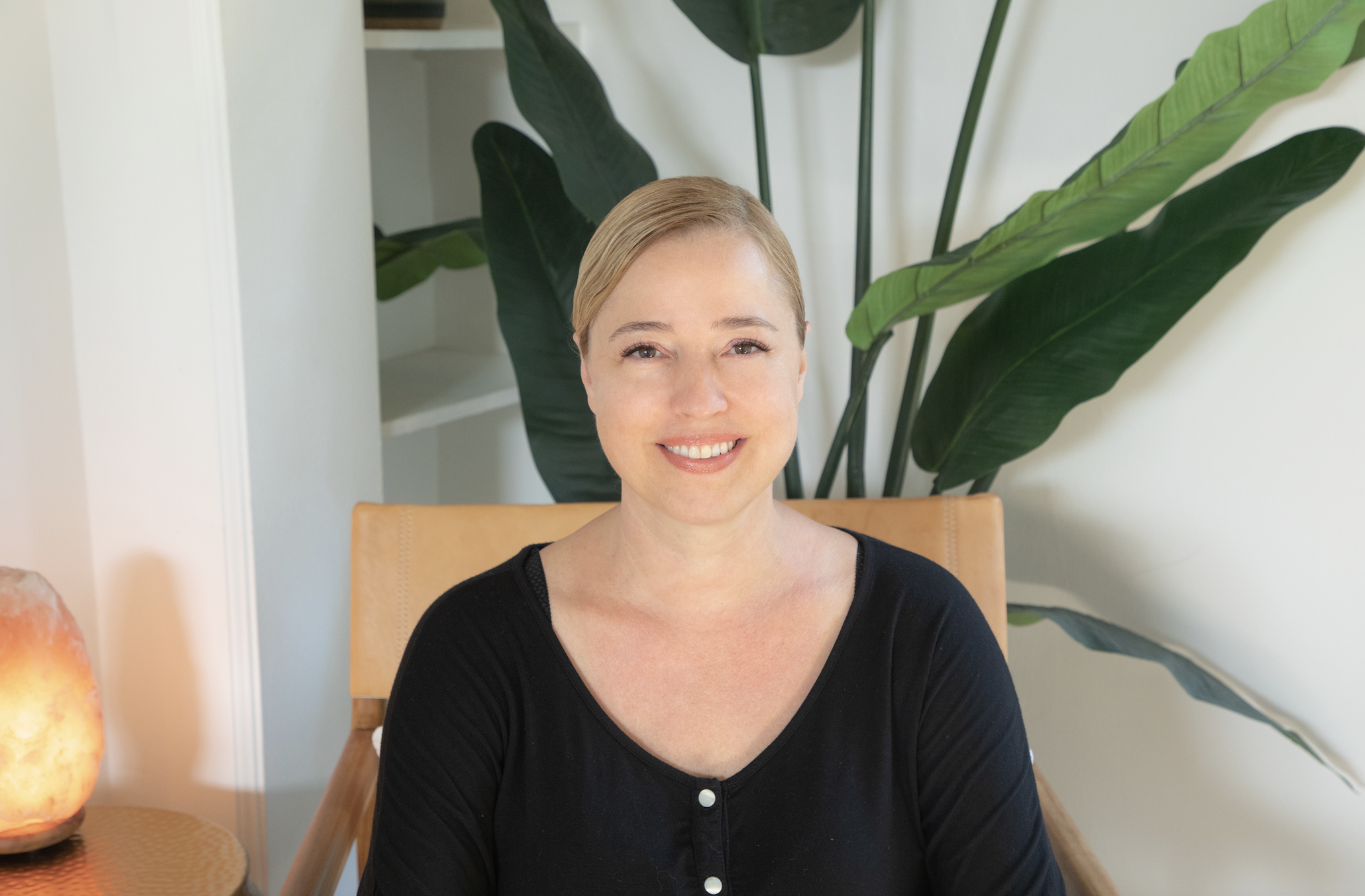
The Skin Master
Co-host | When Trina Renea became an esthetician she realized the key to success was lifelong learning - a goal that sets her apart from most skin care practitioners.
For over 30 years, she’s explored the fields of cosmetic chemistry, medical esthetics, dermatology, and plastic surgery, becoming an expert in a wide expanse of professional skin care brands, equipment, and treatments. She is a member of the Society of Cosmetic Chemists with three certifications in cosmetic sciences from UCLA and continues to attend spa, medical, esthetic, and scientific conferences worldwide.
Now considered a skin master due to her broad expertise, Trina is a consultant to the Southern California beauty industry and medical esthetic community, selecting and training staff, developing treatments, guiding product selection, and helping professionals best serve their clients.
In 2004, she founded the Facial Bungalow, a clinical spa offering advanced skin care technologies where she continues to work one-on-one with clients to this day. In 2008 she created Trina Renea Skincare.