Rebecca Gadberry on Skincare Science, Ingredients, and Industry Myths: Insights from a Cosmetic Expert
Why Skincare Science Still Feels Confusing
Despite decades of research, skincare remains one of the most misunderstood areas of health and wellness. Patients, clients, and even professionals often encounter conflicting advice—particularly around ingredients, “clean beauty,” and what actually supports long-term skin health.
So where does clarity come from?
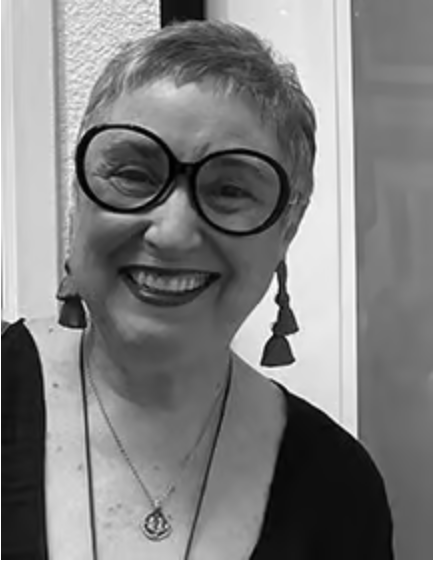
In this episode of the Facially Conscious Podcast, Rebecca Gadberry—cosmetic scientist, educator, and regulatory expert—offers a rare, deeply informed perspective shaped by over six decades in the skincare industry. Joined by dermatologist Dr. Vicki Rapaport, master esthetician Trina Renea, and consumer advocate Julie Falls, the conversation bridges science, clinical care, and real-world application.
From Early Exposure to Industry Authority
Rebecca Gadberry’s path into skincare began unusually early. Growing up in one of California’s first Mary Kay households, she was immersed in product education and client interaction by age 10.
By her teens, she was contributing financially to her household—an experience that shaped both her work ethic and her ability to communicate complex ideas clearly.
Interestingly, her academic path initially led elsewhere. With studies in anthropology, archaeology, and linguistics, she had no intention of entering the skincare field. But when she stepped in to support her mother’s business, her aptitude for explaining skincare science became unmistakable.
A Pioneer in Cosmetic Science and Education
Early Industry Milestones
Rebecca holds the distinction of being the 13th licensed esthetician in California, placing her at the forefront of modern skincare practice.
Contributions to the Industry
Her work spans multiple disciplines:
- Development of 1,500+ cosmetic products
- Publication of 600+ professional articles
- Longstanding educator in UCLA’s cosmetic science program
- Recognition across journalism, research, and product innovation
This combination of formulation expertise and education is what makes her perspective especially valuable—she understands both how products are created and how they are interpreted in the market.
Ingredient Myths and the Problem with Simplified Skincare
One of the most consistent themes in Rebecca’s work is the persistence of misinformation.
Many modern skincare narratives—especially within “clean beauty”—echo misconceptions that have existed for decades.
These ideas often:
- Oversimplify ingredient safety
- Misrepresent formulation science
- Prioritize marketing language over function
Rather than focusing on individual “good” or “bad” ingredients, Rebecca emphasizes understanding how ingredients work together within a formula.
A Smarter Approach to Skincare Formulation
Moving Beyond the “Hero Ingredient” Model
Instead of relying on a single standout ingredient, effective skincare addresses multiple biological pathways at once.
This includes:
- Inflammation
- Barrier function
- Oxidative stress
- Cellular turnover
- Microbial balance
Key Ingredients Highlighted
Rebecca’s preferred ingredients reflect this systems-based approach:
- Retinaldehyde – a potent, accessible form of vitamin A
- Glycerin (5%) – essential for barrier repair and hydration
- Niacinamide (2–10%) – supports multiple skin functions
- Tetrahexyldecyl ascorbate – a stable, lipid-soluble vitamin C
- Multi-antioxidant combinations – addressing oxidative stress from multiple angles
These choices are not trend-driven—they are grounded in formulation logic and biological relevance.
Longevity in Skincare: A Shift in Perspective
From “Anti-Aging” to Cellular Longevity
Rather than focusing on reversing visible signs of aging, Rebecca highlights a more advanced concept: supporting cellular lifespan and function.
This approach is informed by research into the Hallmarks of Aging, which identify key biological processes involved in aging.
Her current work explores formulations designed to address multiple aging pathways simultaneously—moving skincare closer to preventative and supportive care.
The Role of the Microbiome and Personalization
Skin is not a uniform system—and neither are skincare needs.
Rebecca emphasizes that:
- Each person’s microbiome is unique
- Future skincare may be tailored to individual biological profiles
- Supporting beneficial bacteria may be as important as targeting skin cells
This represents a shift toward more personalized, adaptive skincare strategies.
Sustainability and Innovation Through Fermentation
Emerging technologies are also reshaping ingredient sourcing.
Fermentation allows for:
- Sustainable production of complex compounds
- Reduced environmental strain
- Access to ingredients previously limited by natural supply
This intersection of biotechnology and skincare reflects a broader evolution toward responsible innovation.
Why Interdisciplinary Perspectives Matter in Skincare
One of the strengths of the Facially Conscious Podcast is its structure.
Each episode brings together:
- A dermatologist (medical insight)
- An esthetician (practical application)
- A scientist (formulation and research)
- A consumer perspective (real-world experience)
This collaborative approach helps clarify where perspectives align—and where nuance is needed.
Key Takeaways for Professionals and Curious Consumers
- Skincare science is often oversimplified in mainstream messaging
- Ingredient effectiveness depends on formulation, not isolation
- Longevity-focused skincare is shaping the future of the industry
- The microbiome and personalization will play increasing roles
- Education—not trends—is essential for informed decision-making
Continue the Conversation
For those seeking a deeper understanding of skincare science, ingredient function, and evolving industry standards, this episode offers a rare level of clarity.
Listen to the full conversation with Rebecca Gadberry on the Facially Conscious Podcast to explore these topics in greater depth—and gain insights that go beyond surface-level skincare advice.
Follow, download, and stay connected for ongoing discussions that bring together medical, esthetic, and scientific perspectives in skincare.
Have a question? Send us an email at info@faciallyconscious.co
LIKE, FOLLOW & REVIEW US ON INSTAGRAM, & WHERE YOU LISTEN TO PODCASTS!
Visit our website www.faciallyconscious.com
Linktree | Facially Conscious
Join our new Patreon and Substack for more content from Facially Conscious
Follow Our Hosts On Instagram
Trina Renea - Medically-trained master esthetician and celebrities’ secret weapon
Linktree | Trina Renea, @trinareneaskincare, trinarenea.com and Substack
Julie Falls- Our educated consumer is here to represent you! @juliefdotcom
Dr. Vicki Rapaport -Board Certified dermatologist with practices in Beverly Hills and Culver City @rapaportdermatology and https://www.rapdermbh.com/
The Skin Master
Co-host | When Trina Renea became an esthetician she realized the key to success was lifelong learning - a goal that sets her apart from most skin care practitioners.
For over 30 years, she’s explored the fields of cosmetic chemistry, medical esthetics, dermatology, and plastic surgery, becoming an expert in a wide expanse of professional skin care brands, equipment, and treatments. She is a member of the Society of Cosmetic Chemists with three certifications in cosmetic sciences from UCLA and continues to attend spa, medical, esthetic, and scientific conferences worldwide.
Now considered a skin master due to her broad expertise, Trina is a consultant to the Southern California beauty industry and medical esthetic community, selecting and training staff, developing treatments, guiding product selection, and helping professionals best serve their clients.
In 2004, she founded the Facial Bungalow, a clinical spa offering advanced skin care technologies where she continues to work one-on-one with clients to this day. In 2008 she created Trina Renea Skincare.
What Happens to Your Face on GLP-1s? A Dermatologist and an Esthetician on "Ozempic Face"