Rosacea Explained: Symptoms, Triggers, Diagnosis, and Effective Treatment Options

Why Rosacea Is Often Misunderstood
Persistent facial redness is one of the most common—and most confusing—skin concerns. It’s frequently mistaken for acne, sensitivity, or even temporary irritation. But when redness lingers, flares unpredictably, or appears alongside bumps or irritation, rosacea becomes a strong possibility.
From both dermatologic and esthetic perspectives, rosacea is not just a cosmetic concern—it’s a chronic inflammatory skin condition that requires thoughtful, individualized management. In this episode of the Facially Conscious Podcast, our four hosts explore how rosacea presents, how it’s identified, and how to approach treatment without oversimplification.
What Is Rosacea?
Rosacea is a chronic inflammatory skin disorder that primarily affects the central face. While commonly associated with redness, its presentation exists on a spectrum.
Common Signs and Symptoms
- Persistent facial redness (especially cheeks and nose)
- Flushing that lingers longer than expected
- Acne-like bumps (without blackheads)
- Visible blood vessels (telangiectasia)
- Skin thickening in advanced cases (rhinophyma)
- Eye irritation (ocular rosacea)
For some, rosacea begins subtly—an occasional flush that gradually becomes more persistent. For others, it may include inflammatory breakouts or sensitivity that doesn’t respond to typical acne treatments.
The Challenge of Diagnosis: Rosacea vs Acne
One of the most important clinical distinctions is between rosacea and acne.
Key Differences:
- Rosacea: Redness + pustules, typically no blackheads
- Acne: Includes blackheads, clogged pores, and oil imbalance
Dermatologists sometimes refer to obvious cases as a “doorway diagnosis”—recognizable immediately. However, many cases are more nuanced, requiring careful evaluation.
From an esthetic standpoint, misidentification can lead to inappropriate treatments—particularly the use of aggressive acne products that worsen inflammation.
Understanding the Progression of Rosacea
Rosacea often develops in stages:
- Flushing Stage – Temporary redness that lingers
- Persistent Redness – More constant facial erythema with possible bumps
- Visible Blood Vessels – Broken capillaries become more apparent
- Skin Thickening – Rare, more advanced cases (commonly affecting the nose)
Not every individual progresses through all stages, but understanding the spectrum helps guide early intervention and management.
What Triggers Rosacea Flare-Ups?
Rosacea is highly individual, but certain triggers are consistently reported.
Common Triggers:
- Heat and sun exposure
- Spicy foods
- Alcohol (especially red wine)
- Exercise and overheating
- Stress
- Certain skincare ingredients (e.g., strong acids)
A key theme across both medical and esthetic perspectives: trigger awareness is foundational. Without identifying personal triggers, even the best treatments may fall short.
The Role of Genetics and Hormones
Rosacea often has a genetic component. Individuals with a family history may be more predisposed, and symptoms frequently emerge in adulthood.
Hormonal shifts—particularly around midlife—can also influence onset or flare-ups. Even a single episode of rosacea-like symptoms may indicate an underlying predisposition.
Evidence-Based Treatment Options
Managing rosacea typically requires a combination of clinical treatments and supportive skincare.
Medical Treatments
Topicals:
- Azelaic acid
- Prescription anti-inflammatory creams
- Targeted therapies (e.g., ivermectin for Demodex-related inflammation)
Oral Medications:
- Low-dose antibiotics (e.g., doxycycline) for inflammation control
Emerging Options:
- Encapsulated benzoyl peroxide formulations designed to minimize irritation
Procedural Treatments
- Laser therapy (Vbeam)
- Intense Pulsed Light (IPL)
These are often used for persistent redness and visible vessels, though accessibility and cost can be limiting factors.
The Role of Demodex Mites
An often-overlooked factor in rosacea is the presence of Demodex mites—microscopic organisms that naturally live on the skin.
In some individuals, an overgrowth may contribute to inflammation. Targeted treatments can significantly improve symptoms in these cases, reinforcing the importance of accurate diagnosis.
Skincare for Rosacea-Prone Skin
From an esthetic perspective, skincare plays a critical supportive role—but it must be approached with restraint and intention.
Key Principles:
- Prioritize barrier repair over active treatments
- Avoid harsh exfoliation and aggressive ingredients
- Use gentle, non-irritating formulations
Beneficial Ingredients:
- Azelaic acid
- Mandelic acid (in low concentrations)
- Antioxidants
- Soothing agents
Daily Habits That Support Rosacea Management
Small, consistent habits often make the greatest difference.
Practical Strategies:
- Wear sunscreen daily (mineral-based preferred)
- Avoid overheating (hot showers, saunas, prolonged sun exposure)
- Track triggers with a skin journal
- Adjust diet if certain foods or alcohol worsen symptoms
These lifestyle considerations complement clinical care and help reduce flare frequency over time.
Key Takeaways
- Rosacea is a chronic inflammatory condition, not just temporary redness
- Misdiagnosis is common—especially confusion with acne
- Triggers vary by individual and require awareness
- Effective management combines medical treatment + gentle skincare
- A collaborative approach between dermatology and esthetics leads to better outcomes
A Thoughtful Approach to Living with Rosacea
Rosacea management is less about quick fixes and more about understanding patterns—how your skin responds, what it needs, and when to intervene. With the right combination of professional guidance, skincare, and lifestyle awareness, it becomes far more manageable.
Listen to the Full Episode
For a deeper, more nuanced discussion—including real-life experiences and clinical insights from all four hosts—listen to the full episode of the Facially Conscious Podcast.
Follow, download, and stay connected for more interdisciplinary conversations that bring clarity to complex skincare topics.
Have a question? Send us an email at info@faciallyconscious.co
LIKE, FOLLOW & REVIEW US ON INSTAGRAM, & WHERE YOU LISTEN TO PODCASTS!
Visit our website www.faciallyconscious.com
Linktree | Facially Conscious
Join our new Patreon and Substack for more content from Facially Conscious
Follow Our Hosts On Instagram
Trina Renea - Medically-trained master esthetician and celebrities’ secret weapon
Linktree | Trina Renea, @trinareneaskincare, trinarenea.com and Substack
Julie Falls- Our educated consumer is here to represent you! @juliefdotcom
Dr. Vicki Rapaport -Board Certified dermatologist with practices in Beverly Hills and Culver City @rapaportdermatology and https://www.rapdermbh.com/
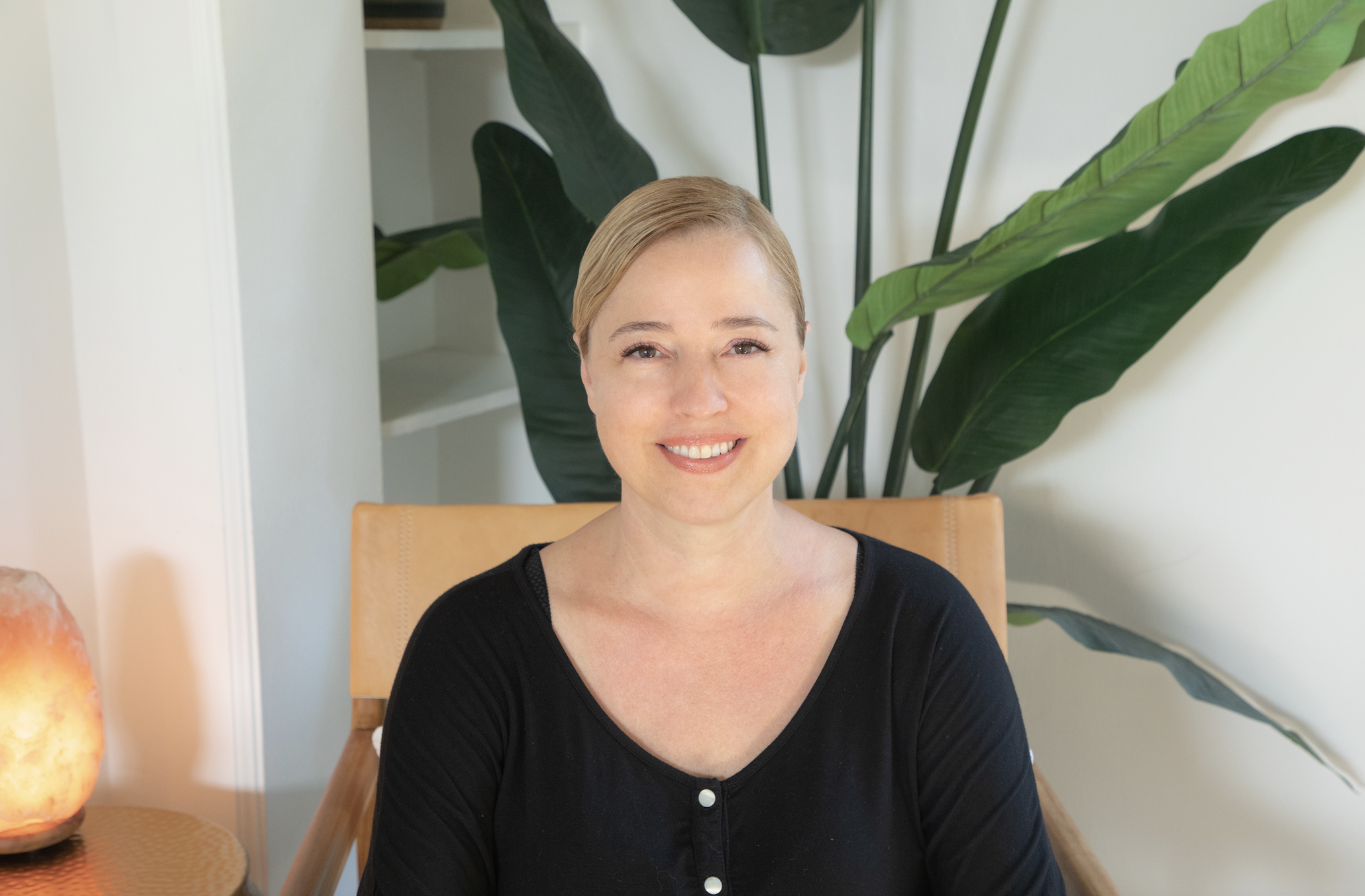
The Skin Master
Co-host | When Trina Renea became an esthetician she realized the key to success was lifelong learning - a goal that sets her apart from most skin care practitioners.
For over 30 years, she’s explored the fields of cosmetic chemistry, medical esthetics, dermatology, and plastic surgery, becoming an expert in a wide expanse of professional skin care brands, equipment, and treatments. She is a member of the Society of Cosmetic Chemists with three certifications in cosmetic sciences from UCLA and continues to attend spa, medical, esthetic, and scientific conferences worldwide.
Now considered a skin master due to her broad expertise, Trina is a consultant to the Southern California beauty industry and medical esthetic community, selecting and training staff, developing treatments, guiding product selection, and helping professionals best serve their clients.
In 2004, she founded the Facial Bungalow, a clinical spa offering advanced skin care technologies where she continues to work one-on-one with clients to this day. In 2008 she created Trina Renea Skincare.
What's Really in Your Sunscreen? A Cosmetic Chemist Breaks It Down