Scar Management and Healing: Evidence-Based Strategies from a Facial Plastic Surgeon

Introduction: Why Scar Management Is Often Misunderstood
Scar management is one of the most debated topics in skincare and post-procedure care. Patients are often told to “keep it dry,” “use antibiotic ointments,” or “just wait it out”—advice that can conflict with current medical understanding of wound healing.
In this episode of Facially Conscious, our panel of experts sits down with Dr. Brandyn Dunn, a facial plastic and reconstructive surgeon specializing in skin cancer reconstruction, to clarify what actually supports optimal scar healing. This conversation bridges clinical precision and esthetic insight—offering a more complete, practical framework for treating scars at every stage.
What Is a Scar? Understanding the Skin’s Healing Response
A scar is not a flaw—it is the skin’s natural response to injury.
Whether caused by acne, surgery, or trauma, scars form as the body repairs itself. However, the final appearance of a scar depends on several factors:
Key Factors That Influence Scarring
- Genetics and individual healing response
- Skin type and tone
- Location on the body (e.g., chest vs face)
- Depth and severity of the injury
- Early wound care practices
One of the most important takeaways from Dr. Dunn: no two scars are the same, and effective scar management requires individualized care.
The Science of Scar Healing: What Happens Beneath the Skin
Understanding how scars evolve helps guide better treatment decisions.
The Two Phases of Collagen Remodeling
- Early Phase: Type III collagen forms quickly but is disorganized, often creating firmness or nodules
- Remodeling Phase: Over weeks to months, this transitions into Type I collagen, which is stronger and more structured
This process can take several months to a full year, reinforcing a key principle:
Scar management is a long-term process, not an immediate fix
Early Scar Care: Why the First Two Weeks Matter Most
The initial healing phase is where the greatest impact on scar outcome can occur.
Evidence-Based Early Wound Care
- Clean gently with soap and water
- Avoid prolonged use of hydrogen peroxide (can damage healthy cells)
- Keep the wound consistently moist, not dry
Dr. Dunn emphasizes a commonly misunderstood point:
Moisture—not dryness—is essential for optimal healing.
Recommended Approach:
- Use occlusive products like Vaseline or Aquaphor
- Avoid routine use of antibiotic ointments unless infection is present
This simple shift can significantly reduce inflammation and improve healing quality.
Silicone Therapy: A Gold Standard in Scar Management
Once the wound has closed, treatment should evolve.
Why Silicone Works
Silicone gel and sheets:
- Maintain hydration
- Apply gentle pressure
- Help regulate collagen production
Practical Application Strategy
- Day: Silicone gel
- Night: Silicone sheets
- Duration: 6–8 weeks minimum
This method is widely supported in clinical settings for improving:
- Scar texture
- Height (flattening raised scars)
- Pigmentation irregularities
Scar Massage: Supporting Collagen Remodeling
As scars mature, mechanical stimulation becomes beneficial.
The “Crushing Massage” Technique
Unlike traditional massage, this method involves:
- Applying steady downward pressure
- Targeting deeper scar tissue
- Encouraging collagen realignment
Some discomfort is expected—but excessive pain is a signal to ease pressure.
This technique highlights an important principle:
Scar treatment is not only topical—it can also be mechanical
Hypertrophic Scars vs. Keloids: Why Identification Matters
Not all raised scars behave the same way.
Key Differences
- Hypertrophic scars: Stay within the original wound boundary
- Keloids: Extend beyond the wound and may continue growing
Treatment Implications
- Hypertrophic scars often respond to topical care and silicone
- Keloids may require:
- Steroid injections
- Surgical removal
- Radiation therapy (in select cases)
Accurate identification is critical for choosing the right intervention.
A Practical At-Home Scar Care Routine
For minor wounds and early scars, a consistent routine can make a meaningful difference:
Step-by-Step Approach
- Cleanse: Gentle soap and water
- Moisturize (Weeks 1–2): Vaseline or Aquaphor
- Introduce Silicone: After wound closure
- Protect from Sun: SPF 30+ daily for up to one year
- Monitor Progress: Watch for abnormal thickening or spreading
The Role of Prevention in Long-Term Skin Outcomes
One of the strongest themes from this discussion is prevention.
Early, informed care can:
- Reduce inflammation
- Improve collagen organization
- Minimize long-term visibility of scars
For both clinicians and estheticians, this reinforces the importance of patient education and early intervention.
Looking Ahead: The Future of Scar Treatment
Emerging research is exploring:
- Growth factors
- Advanced regenerative therapies
- Improved healing modulation
While promising, these innovations are still evolving. For now, consistent, evidence-based care remains the foundation of effective scar management.
Key Takeaways from This Episode
- Scars are a natural, variable part of healing
- Moist wound care is critical in early stages
- Silicone therapy remains a gold standard
- Scar massage can support remodeling
- Proper diagnosis (keloid vs hypertrophic) changes treatment approach
- Patience is essential—healing can take up to a year
Listen to the Full Episode
This conversation offers a deeper look into the collaboration between medical and esthetic perspectives—something that’s often missing in traditional skincare education.
If you’re navigating scar concerns or guiding others through healing, this episode provides clarity grounded in real clinical experience.
Listen, download, and follow Facially Conscious to continue building a more informed, balanced understanding of skin health.
Final Reflection
Scar management is not about eliminating marks—it’s about supporting the skin’s natural healing process with intention and consistency. Through interdisciplinary insight, we can move beyond myths and toward care that is both practical and evidence-based.
Have a question? Send us an email at info@faciallyconscious.co
LIKE, FOLLOW & REVIEW US ON INSTAGRAM, & WHERE YOU LISTEN TO PODCASTS!
Visit our website www.faciallyconscious.com
Linktree | Facially Conscious
Join our new Patreon and Substack for more content from Facially Conscious
Follow Our Hosts On Instagram
Trina Renea - Medically-trained master esthetician and celebrities’ secret weapon
Linktree | Trina Renea, @trinareneaskincare, trinarenea.com and Substack
Julie Falls- Our educated consumer is here to represent you! @juliefdotcom
Dr. Vicki Rapaport -Board Certified dermatologist with practices in Beverly Hills and Culver City @rapaportdermatology and https://www.rapdermbh.com/
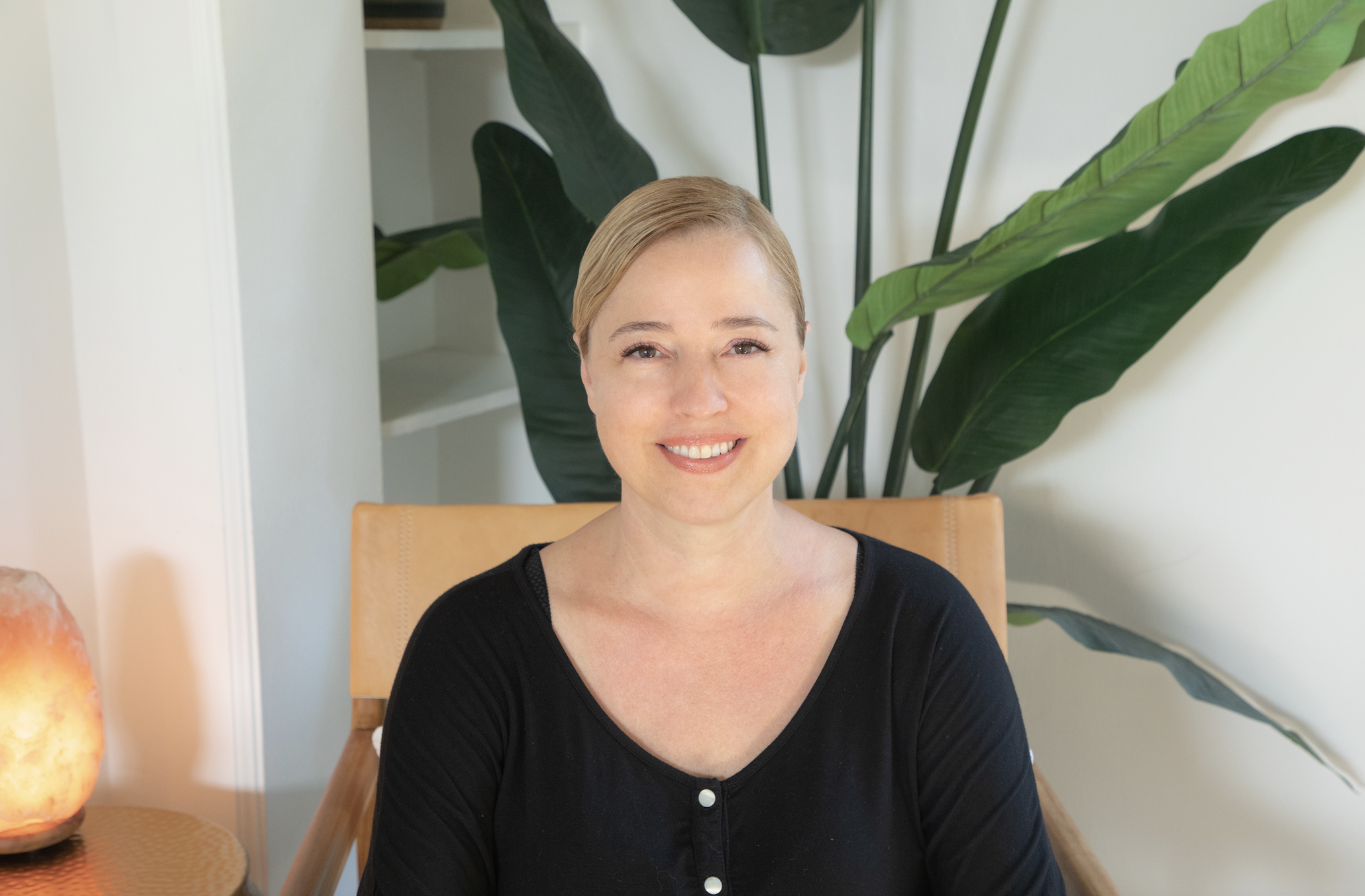
The Skin Master
Co-host | When Trina Renea became an esthetician she realized the key to success was lifelong learning - a goal that sets her apart from most skin care practitioners.
For over 30 years, she’s explored the fields of cosmetic chemistry, medical esthetics, dermatology, and plastic surgery, becoming an expert in a wide expanse of professional skin care brands, equipment, and treatments. She is a member of the Society of Cosmetic Chemists with three certifications in cosmetic sciences from UCLA and continues to attend spa, medical, esthetic, and scientific conferences worldwide.
Now considered a skin master due to her broad expertise, Trina is a consultant to the Southern California beauty industry and medical esthetic community, selecting and training staff, developing treatments, guiding product selection, and helping professionals best serve their clients.
In 2004, she founded the Facial Bungalow, a clinical spa offering advanced skin care technologies where she continues to work one-on-one with clients to this day. In 2008 she created Trina Renea Skincare.
What's Really in Your Sunscreen? A Cosmetic Chemist Breaks It Down