Skin Barrier Repair: What It Is, Why It Fails, and How to Restore It Effectively
Why So Many Skin Routines Fail
One of the most common frustrations in skincare—both for professionals and consumers—is this: why does skin suddenly become reactive, dry, or intolerant to products that once worked?
The answer often lies not in the products themselves, but in the condition of the skin barrier.
In this episode of the Facially Conscious Podcast, esthetician Trina Renea, dermatologist Dr. Vicki Rapaport, cosmetic ingredient expert Rebecca Gadberry, and consumer advocate Julie Falls explore the science and nuance behind skin barrier function. Their discussion highlights a critical truth: without a healthy barrier, even the most advanced skincare routine cannot perform effectively.
What Is the Skin Barrier (and Why It Matters)?
The Structure: More Than a Surface Layer
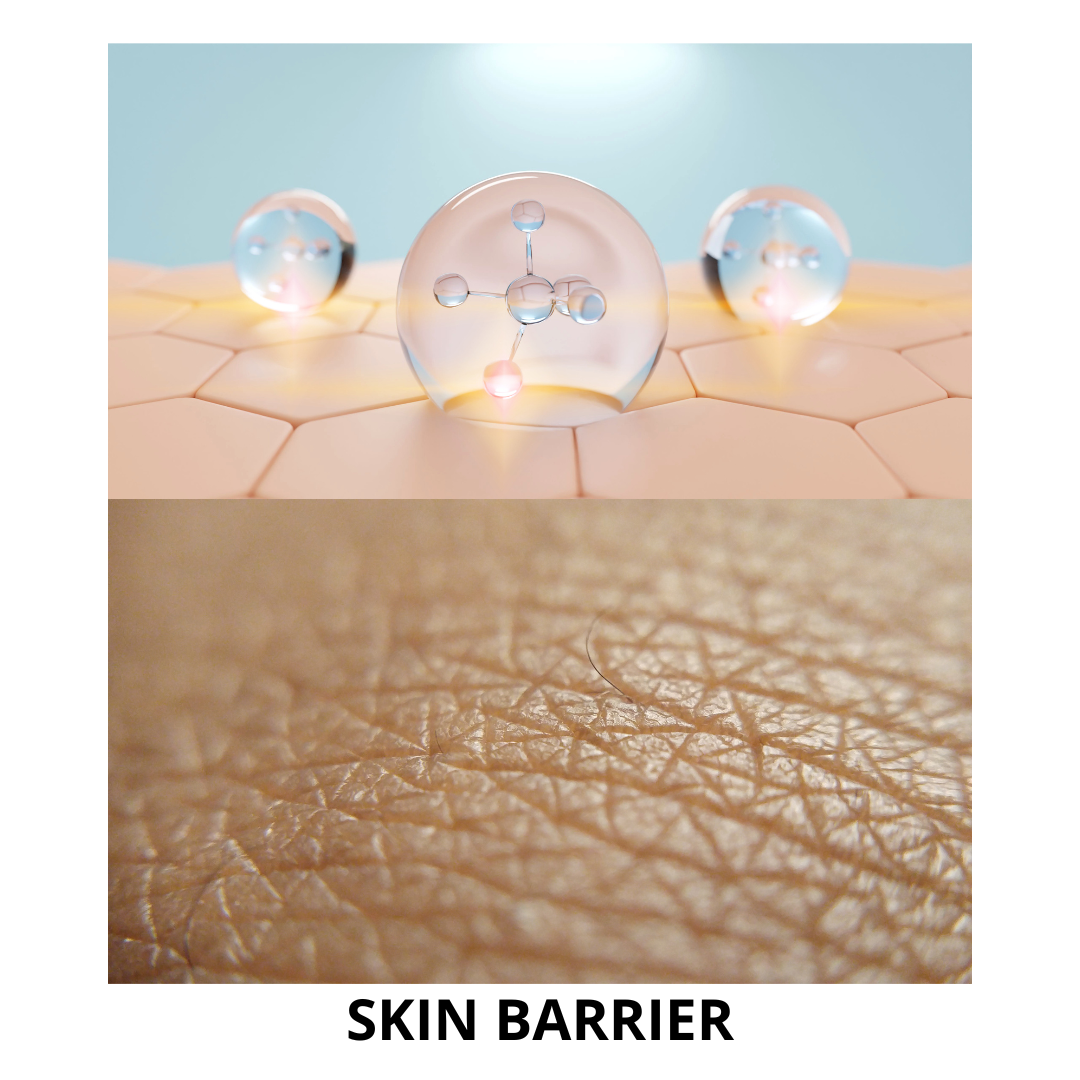
The skin barrier—technically known as the stratum corneum—is the outermost layer of the skin. Rather than acting as a sealed covering, it functions as a selectively permeable system.
A helpful framework often used in dermatology and esthetics is the “brick and mortar” model:
- Bricks: Skin cells (corneocytes)
- Mortar: Lipids (ceramides, cholesterol, fatty acids)
When this structure is intact, the skin can:
- Retain moisture efficiently
- Maintain a stable pH
- Defend against environmental irritants and microbes
The Function: Regulation, Not Just Protection
A healthy skin barrier regulates:
- Transepidermal water loss (TEWL)
- Penetration of active ingredients
- Inflammatory responses
When compromised, this regulation fails—leading to sensitivity, dehydration, and unpredictable skin behavior.
Signs of a Damaged Skin Barrier
Barrier dysfunction often presents in subtle ways before becoming severe. Common signs include:
- Persistent tightness, especially after cleansing
- Stinging or burning with previously tolerated products
- Dryness that does not improve with moisturizers
- Flaking or visible peeling
- Redness or inflammation
- Increased sensitivity to environmental changes
- Rough or uneven texture
When multiple symptoms appear simultaneously, it often indicates impaired barrier function rather than a single product issue.
What Causes Skin Barrier Damage?
1. Over-Exfoliation and Excessive Actives
Modern skincare formulations are increasingly potent. Combining acids, retinoids, and exfoliating tools without adequate recovery time can disrupt lipid structure.
2. Harsh Cleansing Practices
Cleansers that strip natural oils—especially traditional soaps without clear formulations—can degrade barrier lipids over time.
3. Over-Cleansing
Frequent washing, even with gentle products, can weaken the barrier if not balanced with proper replenishment.
4. Environmental Stressors
Cold weather, low humidity, and seasonal transitions can increase TEWL and stress barrier integrity.
5. Lifestyle Factors
Smoking, in particular, has a profound impact on barrier repair and collagen integrity, impairing the skin’s ability to recover.
6. Inflexible Skincare Routines
Skin is dynamic. A routine that does not adapt to climate, hormonal changes, or stress can unintentionally contribute to barrier disruption.
How to Repair the Skin Barrier (Evidence-Based Strategies)
Simplify First
When the barrier is compromised, complexity often worsens the condition. A simplified routine should focus on:
- Gentle cleansing
- Barrier-supportive moisturization
- Daily sun protection
Rebuild Lipids with Targeted Ingredients
Ceramides, cholesterol, and fatty acids are essential for restoring the “mortar” between skin cells. Look for formulations designed to replenish—not just hydrate.
Use Occlusives Strategically
Occlusive ingredients, such as petrolatum, can significantly reduce water loss and create an environment conducive to repair. Clinical research has shown that occlusion can accelerate barrier recovery when used appropriately.
Rethink Exfoliation
While overuse damages the barrier, controlled use of certain ingredients—like lactic acid at appropriate concentrations—may support barrier function over time by improving cellular turnover and hydration.
Choose Less Irritating Actives
Not all active ingredients behave the same. For example:
- Stable vitamin C derivatives may offer antioxidant support with less irritation
- Lower concentrations of actives can maintain efficacy while preserving barrier integrity
Building Tolerance Without Damaging the Barrier
A key insight from the discussion is the importance of gradual adaptation.
Practical Approach:
- Introduce one active at a time
- Start with low frequency (1–2 times per week)
- Increase only as tolerated
- Adjust seasonally and contextually
Skin tolerance is not fixed—it shifts based on environment, stress, and overall skin health.
Professional Perspective: Why Barrier Health Comes First
From both dermatologic and esthetic viewpoints, the skin barrier is foundational.
Without it:
- Active ingredients become unpredictable
- Sensitivity increases
- Treatment outcomes decline
With it:
- Skin becomes more resilient
- Treatments perform more effectively
- Long-term skin health improves
This shared understanding across disciplines reinforces the importance of barrier-first skincare.
Key Takeaways
- The skin barrier is dynamic and constantly changing
- Early signs of damage should not be ignored
- Overuse of actives is a leading cause of dysfunction
- Lipid replenishment is essential for repair
- Consistency and restraint are more effective than intensity
- Professional guidance can help address persistent issues
A Final Thought: Skin Health Over Skin Trends
Understanding the skin barrier shifts the focus from chasing results to supporting function. When the barrier is intact, skin becomes more predictable, resilient, and responsive.
For a deeper, interdisciplinary discussion on this topic—including clinical insights and real-world applications—this episode offers valuable perspective.
Listen to the Full Episode
To hear the full conversation and explore the nuances behind these insights, listen to the full episode of the Facially Conscious Podcast.
Have a question? Send us an email at info@faciallyconscious.co
LIKE, FOLLOW & REVIEW US ON INSTAGRAM, & WHERE YOU LISTEN TO PODCASTS!
Visit our website www.faciallyconscious.com
Linktree | Facially Conscious
Join our new Patreon and Substack for more content from Facially Conscious
Follow Our Hosts On Instagram
Trina Renea - Medically-trained master esthetician and celebrities’ secret weapon
Linktree | Trina Renea, @trinareneaskincare, trinarenea.com and Substack
Julie Falls- Our educated consumer is here to represent you! @juliefdotcom
Dr. Vicki Rapaport -Board Certified dermatologist with practices in Beverly Hills and Culver City @rapaportdermatology and https://www.rapdermbh.com/

The Skin Master
Co-host | When Trina Renea became an esthetician she realized the key to success was lifelong learning - a goal that sets her apart from most skin care practitioners.
For over 30 years, she’s explored the fields of cosmetic chemistry, medical esthetics, dermatology, and plastic surgery, becoming an expert in a wide expanse of professional skin care brands, equipment, and treatments. She is a member of the Society of Cosmetic Chemists with three certifications in cosmetic sciences from UCLA and continues to attend spa, medical, esthetic, and scientific conferences worldwide.
Now considered a skin master due to her broad expertise, Trina is a consultant to the Southern California beauty industry and medical esthetic community, selecting and training staff, developing treatments, guiding product selection, and helping professionals best serve their clients.
In 2004, she founded the Facial Bungalow, a clinical spa offering advanced skin care technologies where she continues to work one-on-one with clients to this day. In 2008 she created Trina Renea Skincare.
Is Prescription Acne Treatment Now OTC?