Sunscreen Myths Debunked: 8 Evidence-Based Truths About SPF, Skin Cancer, and Daily Protection

Why Sunscreen Advice Feels So Confusing
Few areas of skincare generate as much conflicting advice as sunscreen. Patients and clients routinely hear opposing claims—about how much to apply, whether SPF in makeup is sufficient, or even whether sunscreen is necessary at all.
From both clinical and esthetic perspectives, this confusion is not harmless. Misunderstanding how sunscreen works can lead to cumulative UV damage, accelerated skin aging, and increased long-term risk.
In this episode of Facially Conscious, our hosts—bringing together expertise in cosmetic chemistry, dermatology, and clinical esthetics—examine eight of the most persistent sunscreen myths and clarify what current science and real-world practice actually support.
Myth 1: The “Two-Finger Rule” Is Just Marketing
What the Science Actually Says
The two-finger rule—applying sunscreen in two full lines along the index and middle fingers—is not arbitrary. It reflects the exact application amount used in SPF testing.
SPF values on packaging are determined under controlled conditions using a standardized thickness of product. When less sunscreen is applied, the level of protection decreases significantly.
Why This Matters Clinically
- Under-application is one of the most common causes of sunscreen failure
- Reduced SPF coverage increases cumulative UV exposure
- This applies across all skin types and ages
If sunscreen feels heavy or leaves a cast, the issue is not the amount—it’s the formulation.
Myth 2: SPF in Makeup Provides Enough Protection
The Real-World Application Problem
While many cosmetic products contain SPF, they are not applied in sufficient quantities to deliver labeled protection.
To reach the stated SPF:
- Foundation would need to be applied far more heavily than typical use
- Lip products would require unrealistic amounts
- Powder sunscreens often do not perform to labeled SPF in independent testing
Practical Takeaway
- Use a dedicated broad-spectrum sunscreen (SPF 30–50+) as your base layer
- Makeup with SPF can be considered supplemental, not primary protection
Myth 3: Sunscreen Prevents Skin Cancer Completely
Understanding the Distinction
Sunscreen plays an important role in reducing UV exposure—but it does not block 100% of UV radiation.
This is why regulatory bodies do not allow sunscreen to be marketed as “preventing” skin cancer.
What It Does Do
- Reduces cumulative UV damage
- Slows photoaging
- Lowers overall risk when used consistently
Why This Matters
Overestimating sunscreen’s protection can lead to longer sun exposure and unintended risk.
Myth 4: Sunscreen Causes Cancer
Evaluating the Evidence
Claims linking sunscreen ingredients to cancer are often based on misinterpreted or non-clinical data.
Current scientific consensus does not support the idea that approved sunscreen ingredients, when used as directed, are carcinogenic.
Key Perspective
- UV radiation is a well-established carcinogen
- Sunscreen reduces exposure to that known risk factor
Myth 5: A “Safe Tan” Is Possible
What Happens Biologically
A tan is not a sign of skin health—it is a visible response to DNA damage.
When skin darkens:
- Melanin production increases as a defense mechanism
- Cellular damage has already occurred
Important Clarification
This applies to all skin tones. Any visible tanning indicates UV-induced stress.
Myth 6: People with Rosacea Can’t Wear Sunscreen
Matching Sunscreen to Skin Physiology
Some individuals with rosacea experience irritation from certain sunscreen formulations—particularly those that convert UV energy into heat.
Better Options
- Mineral sunscreens (zinc oxide, titanium dioxide)
- Non-irritating, barrier-supportive formulations
Zinc oxide, in particular, is often well-tolerated and may have calming properties.
Myth 7: Sunscreen Is Harmful to Marine Life
Context Matters
Concerns about environmental impact often stem from laboratory conditions that do not reflect real-world ocean environments.
Broader environmental factors—such as agricultural runoff—play a far more significant role in ecosystem damage.
Thoughtful Approach
For those concerned:
- Mineral sunscreens are widely considered a lower-impact option
- Responsible environmental practices extend beyond sunscreen alone
Myth 8: You Can Stay in the Sun After Getting Burned
Why This Is Risky
A sunburn indicates that maximum UV tolerance has already been exceeded.
Continuing exposure—even with sunscreen—adds to existing damage.
Immediate Response
- Remove yourself from sun exposure
- Use physical protection (shade, clothing, UPF fabrics)
- Allow the skin to recover before further exposure
Key Takeaways from a Clinical + Esthetic Perspective
- SPF effectiveness depends heavily on correct application amount
- Sunscreen is risk-reducing, not risk-eliminating
- No cosmetic product replaces a dedicated sunscreen
- UV damage is cumulative and often invisible in early stages
- Formulation matters—especially for sensitive or reactive skin
Why Professional Guidance Matters
In an environment saturated with skincare advice, distinctions between opinion and evidence can become blurred.
This conversation reflects a collaborative perspective:
- Clinical dermatologic experience
- Cosmetic chemistry expertise
- Real-world esthetic practice
Together, these disciplines offer a more complete understanding of how sunscreen functions—not just in theory, but in daily life.
Continue the Conversation
If this topic raised new questions or clarified existing ones, the full episode expands on these discussions in greater depth.
Listen to “8 Sunscreen Myths, Busted” on Facially Conscious to hear the complete interdisciplinary conversation and gain a more nuanced understanding of sun protection.
Have a question? Send us an email at info@faciallyconscious.co
LIKE, FOLLOW & REVIEW US ON INSTAGRAM, & WHERE YOU LISTEN TO PODCASTS!
Visit our website www.faciallyconscious.com
Linktree | Facially Conscious
Join our new Patreon and Substack for more content from Facially Conscious
Follow Our Hosts On Instagram
Trina Renea - Medically-trained master esthetician and celebrities’ secret weapon
Linktree | Trina Renea, @trinareneaskincare, trinarenea.com and Substack
Julie Falls- Our educated consumer is here to represent you! @juliefdotcom
Dr. Vicki Rapaport -Board Certified dermatologist with practices in Beverly Hills and Culver City @rapaportdermatology and https://www.rapdermbh.com/
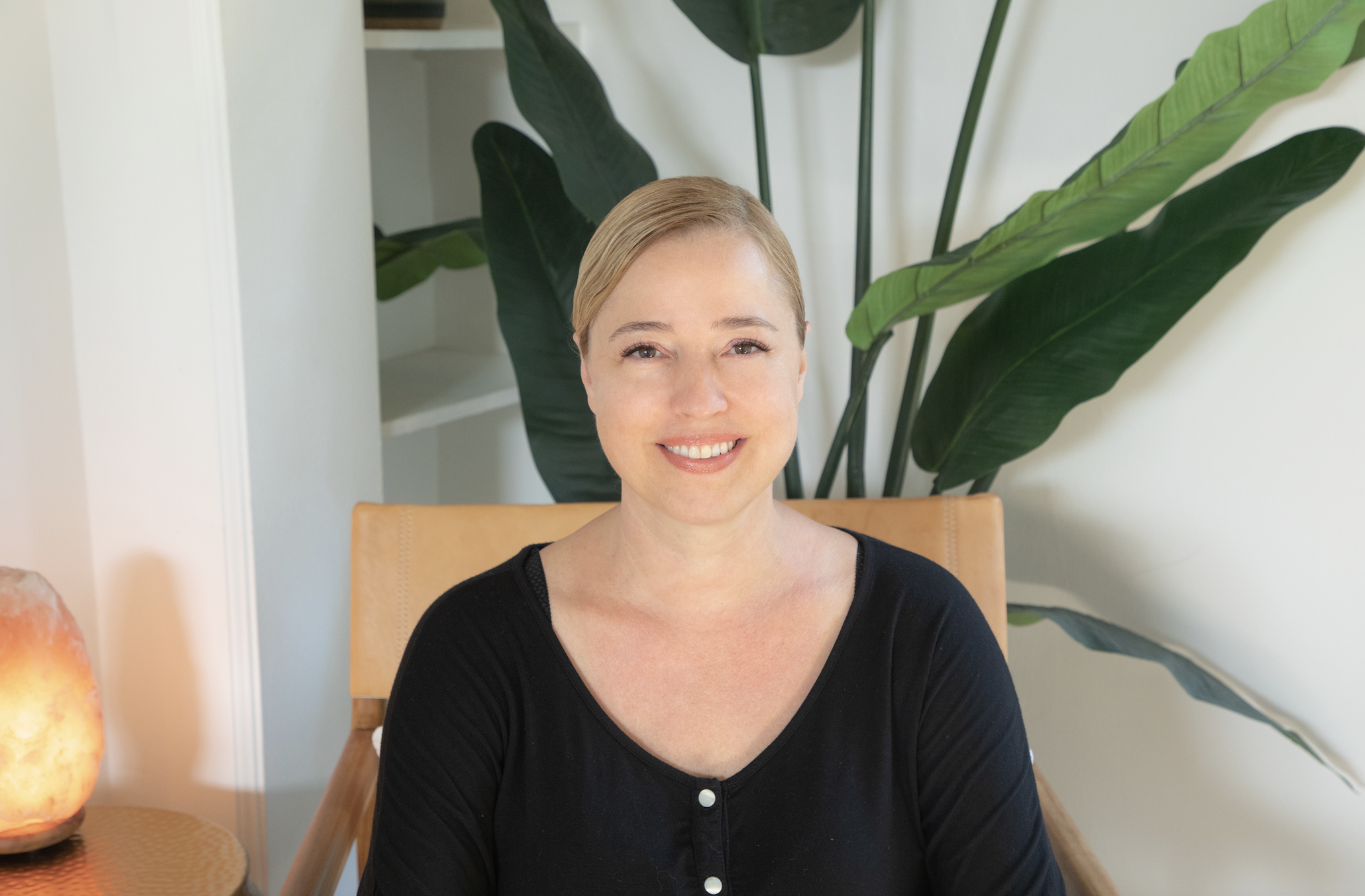
The Skin Master
Co-host | When Trina Renea became an esthetician she realized the key to success was lifelong learning - a goal that sets her apart from most skin care practitioners.
For over 30 years, she’s explored the fields of cosmetic chemistry, medical esthetics, dermatology, and plastic surgery, becoming an expert in a wide expanse of professional skin care brands, equipment, and treatments. She is a member of the Society of Cosmetic Chemists with three certifications in cosmetic sciences from UCLA and continues to attend spa, medical, esthetic, and scientific conferences worldwide.
Now considered a skin master due to her broad expertise, Trina is a consultant to the Southern California beauty industry and medical esthetic community, selecting and training staff, developing treatments, guiding product selection, and helping professionals best serve their clients.
In 2004, she founded the Facial Bungalow, a clinical spa offering advanced skin care technologies where she continues to work one-on-one with clients to this day. In 2008 she created Trina Renea Skincare.