Taming Cellulite: Exploring Plastic Surgery and Dermatology Options with Dr. Payman Danielpour

Why Cellulite Remains One of the Most Misunderstood Skin Concerns
Cellulite is often framed as a simple cosmetic issue—but in clinical reality, it sits at the intersection of structural anatomy, hormonal influence, and connective tissue behavior. Patients frequently encounter conflicting advice: some are told topical products are enough, while others are directed toward aggressive procedures.
This lack of clarity raises an important question: what actually works—and why?
In this episode of the Facially Conscious Podcast, the conversation brings together interdisciplinary insight, featuring plastic surgeon Dr. Payman Danielpour, to explore cellulite through both dermatologic and surgical lenses. The discussion moves beyond quick fixes, focusing instead on mechanism, realistic outcomes, and thoughtful treatment selection.
What Causes Cellulite? A Structural and Hormonal Perspective
The Role of Fibrous Septae
Cellulite is not simply “fat under the skin.” Its characteristic dimpling comes from fibrous connective bands (septae) that tether the skin downward while surrounding fat pushes upward.
- This creates the uneven, dimpled surface
- The structure—not just fat—is the primary issue
- Treating fat alone often fails to address the root cause
Why Cellulite Is More Common in Women
Hormonal and structural differences play a significant role:
- Estrogen influences fat distribution and connective tissue integrity
- Women tend to have vertically oriented septae, which predispose to dimpling
- Genetics strongly determine severity and distribution
Additional contributing factors include:
- Weight fluctuations
- Pregnancy-related changes
- Skin laxity over time
Minimally Invasive Cellulite Treatments: What Actually Helps?
Many patients begin with non-invasive or low-downtime options. While these approaches may not fully release fibrous bands, they can offer incremental improvements.
Surface-Level and Circulatory Approaches
- Topical creams (temporary smoothing effects)
- Dry brushing (short-term circulation benefits)
These methods may support skin appearance, but results are typically modest and require consistency.
Energy-Based Treatments for Collagen Stimulation
Technologies designed to stimulate collagen and improve skin texture include:
- Radiofrequency (RF) devices
- Endermologie® (mechanical stimulation)
- Acoustic Shockwave Therapy
Clinical insight: These treatments may improve skin firmness and microcirculation, but do not directly release the septae responsible for deeper dimpling.
The Role of Exercise
Building muscle can improve overall contour and skin support, but:
- It does not eliminate fibrous bands
- It works best as a supportive—not primary—strategy
Procedural Treatments: Targeting the Root Cause
For patients seeking more significant improvement, procedural approaches aim to address the underlying structural tension.
Subcision-Based Treatments
These procedures physically release fibrous septae:
- Cellfina (mechanical subcision)
- Cellulaze (laser-assisted)
- Aveli (precision-guided release using light visualization)
Key takeaway: Subcision remains one of the most direct methods for treating cellulite at its structural source.
Liposuction: A Nuanced Consideration
A common misconception is that fat removal improves cellulite.
- Traditional liposuction may worsen the appearance if septae remain intact
- Some laser-assisted techniques may offer modest benefit
This highlights the importance of treatment selection based on anatomy—not assumptions.
Injectable and Volume-Based Options
Certain cases may benefit from:
- Hyaluronic acid fillers
- Biostimulatory injectables like Sculptra
- Fat transfer (preferred by some surgeons for natural integration)
These approaches aim to improve contour and smooth transitions, rather than release tension.
Recovery, Expectations, and Long-Term Outcomes
Across treatment types, patients should understand:
- Bruising and downtime vary depending on procedure depth
- Results are typically improvement-focused, not perfection-driven
- Maintenance of weight and overall health supports longevity
Additional considerations:
- Avoid nicotine, especially in fat transfer procedures
- Skin quality and elasticity influence outcomes
Choosing the Right Approach: Why a Multidisciplinary View Matters
No single treatment addresses all aspects of cellulite. Effective management often requires:
- Understanding structural vs. superficial concerns
- Combining modalities when appropriate
- Aligning patient expectations with realistic outcomes
A provider offering multiple treatment options—rather than a single modality—can better tailor care to individual needs.
A Balanced Perspective on Cellulite
An important theme throughout the discussion is perspective.
Cellulite is:
- Common
- Multifactorial
- Not fully “erasable”
Most meaningful results fall within a 50–70% improvement range, depending on the approach and individual factors. This reframes treatment from chasing perfection to achieving informed, intentional improvement.
Have a question? Send us an email at info@faciallyconscious.co
LIKE, FOLLOW & REVIEW US ON INSTAGRAM, & WHERE YOU LISTEN TO PODCASTS!
Visit our website www.faciallyconscious.com
Linktree | Facially Conscious
Join our new Patreon and Substack for more content from Facially Conscious
Follow Our Hosts On Instagram
Trina Renea - Medically-trained master esthetician and celebrities’ secret weapon
Linktree | Trina Renea, @trinareneaskincare, trinarenea.com and Substack
Julie Falls- Our educated consumer is here to represent you! @juliefdotcom
Dr. Vicki Rapaport -Board Certified dermatologist with practices in Beverly Hills and Culver City @rapaportdermatology and https://www.rapdermbh.com/
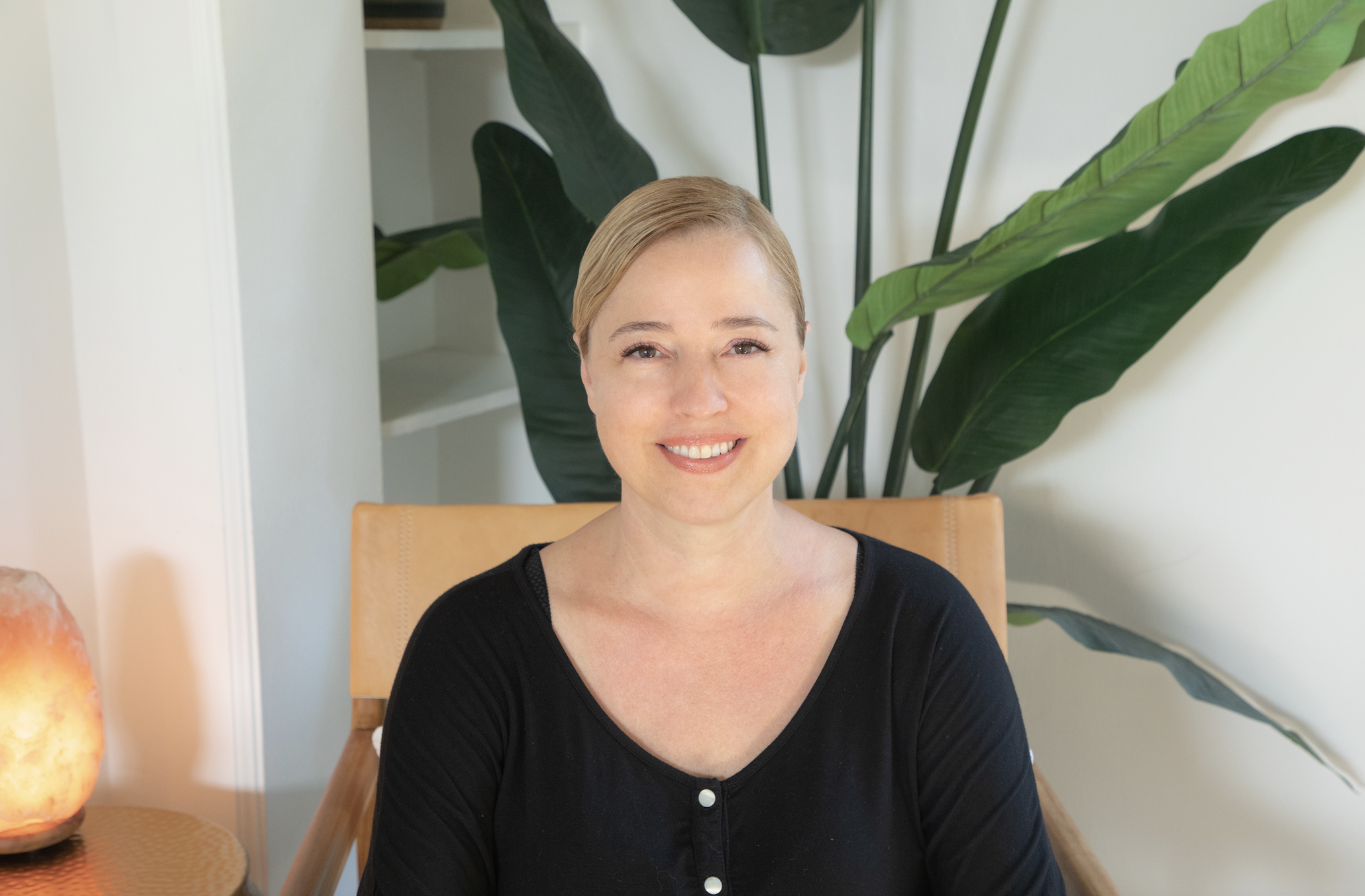
The Skin Master
Co-host | When Trina Renea became an esthetician she realized the key to success was lifelong learning - a goal that sets her apart from most skin care practitioners.
For over 30 years, she’s explored the fields of cosmetic chemistry, medical esthetics, dermatology, and plastic surgery, becoming an expert in a wide expanse of professional skin care brands, equipment, and treatments. She is a member of the Society of Cosmetic Chemists with three certifications in cosmetic sciences from UCLA and continues to attend spa, medical, esthetic, and scientific conferences worldwide.
Now considered a skin master due to her broad expertise, Trina is a consultant to the Southern California beauty industry and medical esthetic community, selecting and training staff, developing treatments, guiding product selection, and helping professionals best serve their clients.
In 2004, she founded the Facial Bungalow, a clinical spa offering advanced skin care technologies where she continues to work one-on-one with clients to this day. In 2008 she created Trina Renea Skincare.

Do You Really Need Sunscreen Every Day? Answering the Questions People Actually Ask