Teenage vs Adult Acne: Key Differences, Causes, and Treatment Strategies Explained

Why Acne Isn’t the Same at Every Age
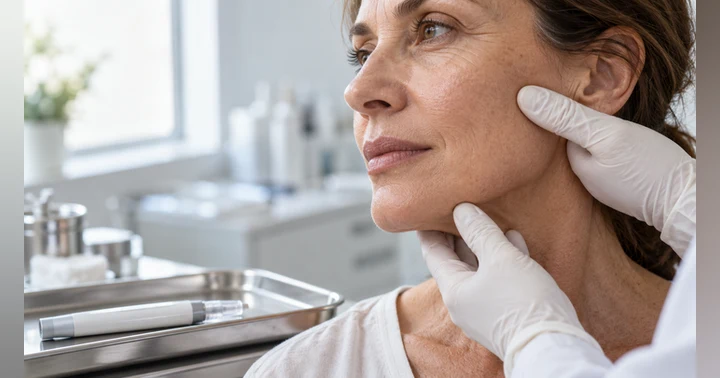
Acne is often discussed as a universal condition, but in clinical practice, teenage and adult acne present very differently. This distinction matters—not just for understanding breakouts, but for choosing effective treatment strategies.
In this episode of the Facially Conscious Podcast, a board-certified dermatologist, medically trained esthetician, and skincare scientist explore a central question in skincare:
Is acne the same condition across all ages, or does it require a different approach over time?
Their answer is clear—while the underlying mechanisms are consistent, the triggers, patterns, and treatment considerations evolve significantly.
The Core Biology of Acne
At its foundation, acne develops through three interconnected processes:
- Excess sebum (oil) production
- Bacterial overgrowth (Cutibacterium acnes)
- Inflammation within the skin
These mechanisms remain constant whether someone is 15 or 45. However, what drives them—and how they manifest—changes with age.
From a scientific perspective, inflammation plays a central role. As bacteria interact with oil in the follicle, enzymatic activity contributes to irritation and immune response, leading to visible breakouts.
What Defines Teenage vs Adult Acne?
Teenage Acne
Teenage acne is typically driven by:
- Puberty-related hormonal surges
- Increased oil production
- Congestion across the forehead, cheeks, and T-zone
It often presents as a mix of:
- Blackheads and whiteheads
- Inflamed papules and pustules
Adult Acne
Adult acne is generally defined as acne occurring after age 25, whether persistent or newly developed.
Common characteristics include:
- Breakouts along the jawline, chin, and lower face
- Increased likelihood of cystic or inflammatory lesions
- Greater prevalence in women, often due to hormonal fluctuations
Hormonal shifts related to menstrual cycles, pregnancy, menopause, or contraceptive changes can significantly influence oil production and breakouts.
Hormones and Adult Acne: A Key Difference
One of the most important distinctions is the role of hormones.
In adult women especially, fluctuations in androgens can:
- Stimulate sebaceous glands
- Increase oil production
- Create an environment prone to inflammation and clogging
This is why adult acne often requires a broader, more systemic perspective—beyond just topical treatment.
Understanding Cystic Acne (and Why Not to Pick It)
Cystic acne is more commonly associated with adult breakouts and can be particularly frustrating.
These lesions are:
- Deep within the skin
- Painful and inflamed
- Not easily extractable
Key guidance:
- Avoid squeezing or manipulating cysts
- Use warm compresses to support circulation
- Seek professional care when needed
Treatment options may include:
- Cortisone injections from a dermatologist
- Targeted in-clinic treatments from an esthetician
- Carefully selected topical or systemic therapies
Attempting to extract cysts at home often increases the risk of scarring and prolonged inflammation.
Treatment Approaches: Teen vs Adult Acne
While the foundational treatments overlap, application and emphasis differ.
Common First-Line Treatments
- Topical retinoids (support cell turnover)
- Benzoyl peroxide (targets bacteria)
Teenage Acne Approach
- Often responds well to topical therapy alone
- Oral antibiotics may be introduced if needed
Adult Acne Considerations
- May require hormonal support, such as:
- Spironolactone
- Birth control evaluation
- Greater attention to:
- Skin sensitivity
- Long-term maintenance
Severe or Resistant Acne
- Isotretinoin (Accutane) may be considered
- Particularly effective in preventing long-term scarring when appropriate
Why Acne Treatments Fail (Even When They Work)
A critical insight from the discussion is that many acne treatments fail due to inconsistent use, not inefficacy.
Common challenges include:
- Stopping treatment due to dryness or irritation
- Expecting immediate results
- Not using products long enough (typical timeline: 6–12 weeks)
A more realistic approach:
- Adjust frequency instead of quitting
- Maintain communication with providers
- Focus on consistency over perfection
Lifestyle Factors That Influence Acne
While not the sole cause, lifestyle plays a meaningful role in acne severity.
Potential Contributors:
- High sugar and refined carbohydrate intake
- Dairy sensitivity in some individuals
- Chronic stress
Supportive Strategies:
- Emphasize whole, minimally processed foods
- Maintain balanced nutrition
- Observe individual triggers rather than assuming universal rules
Diet alone rarely resolves acne—but it can influence overall skin behavior.
The Value of Collaborative Care
One of the most important themes from this episode is the value of interdisciplinary care.
Effective acne management often involves:
- Dermatological diagnosis and medical treatment
- Esthetic support for barrier health and maintenance
- Scientific understanding of ingredient function and skin response
This collaborative approach allows for more nuanced, individualized care—especially in persistent or complex cases.
Key Takeaways
- Acne is not a one-size-fits-all condition
- Teenage and adult acne share biology but differ in triggers and patterns
- Hormones play a larger role in adult acne, especially in women
- Consistency is essential for treatment success
- Professional guidance significantly improves outcomes
Continue the Conversation
This article offers a clinical overview, but the full discussion brings deeper nuance, real-world context, and interdisciplinary insight.
To hear the complete conversation and expand your understanding of acne across life stages, listen to the full episode of the Facially Conscious Podcast.
Explore the episode, download it for later, and follow along for ongoing conversations that bring clarity to complex skincare topics.
Have a question? Send us an email at info@faciallyconscious.co
LIKE, FOLLOW & REVIEW US ON INSTAGRAM, & WHERE YOU LISTEN TO PODCASTS!
Visit our website www.faciallyconscious.com
Linktree | Facially Conscious
Join our new Patreon and Substack for more content from Facially Conscious
Follow Our Hosts On Instagram
Trina Renea - Medically-trained master esthetician and celebrities’ secret weapon
Linktree | Trina Renea, @trinareneaskincare, trinarenea.com and Substack
Julie Falls- Our educated consumer is here to represent you! @juliefdotcom
Dr. Vicki Rapaport -Board Certified dermatologist with practices in Beverly Hills and Culver City @rapaportdermatology and https://www.rapdermbh.com/
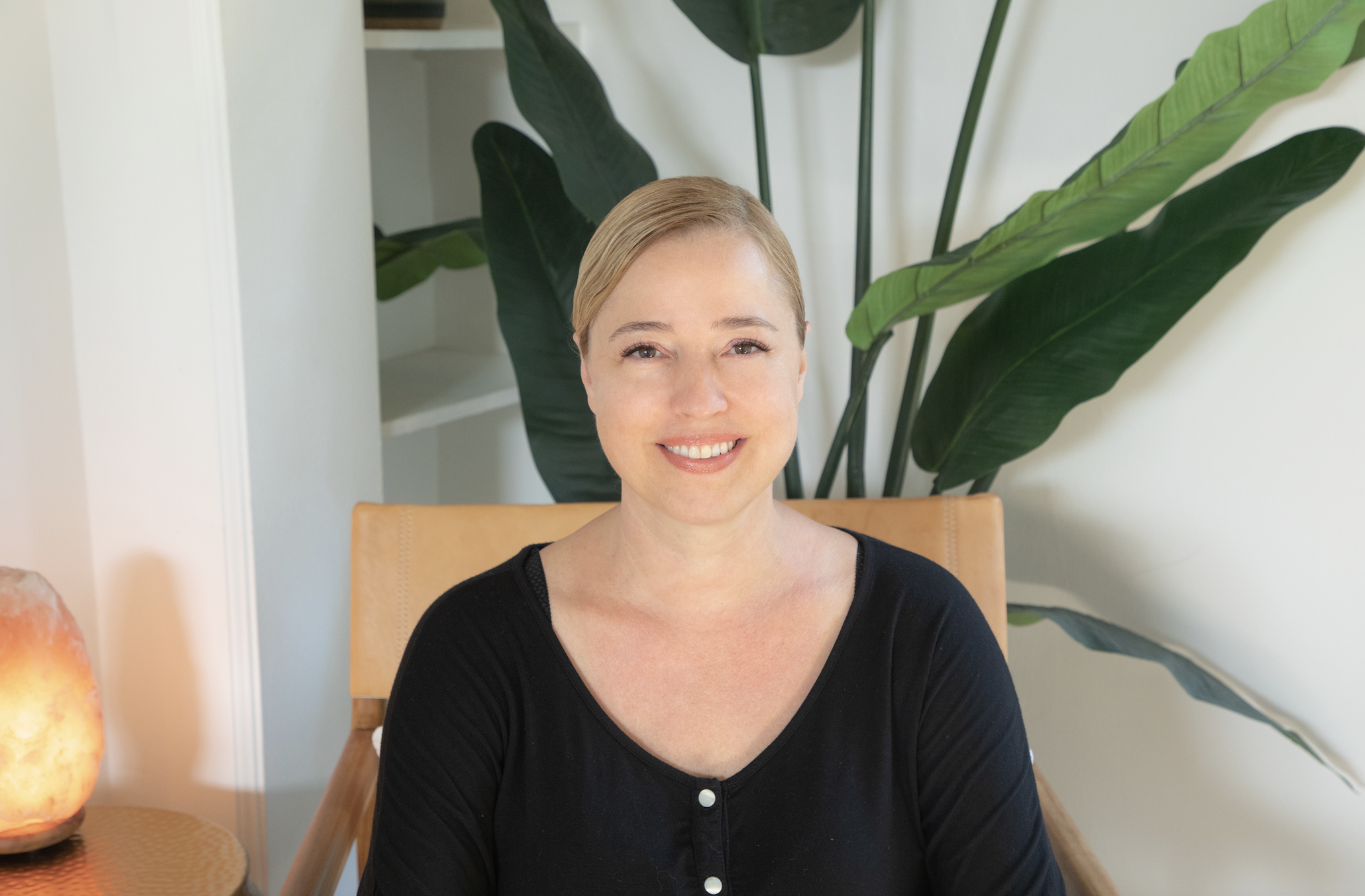
The Skin Master
Co-host | When Trina Renea became an esthetician she realized the key to success was lifelong learning - a goal that sets her apart from most skin care practitioners.
For over 30 years, she’s explored the fields of cosmetic chemistry, medical esthetics, dermatology, and plastic surgery, becoming an expert in a wide expanse of professional skin care brands, equipment, and treatments. She is a member of the Society of Cosmetic Chemists with three certifications in cosmetic sciences from UCLA and continues to attend spa, medical, esthetic, and scientific conferences worldwide.
Now considered a skin master due to her broad expertise, Trina is a consultant to the Southern California beauty industry and medical esthetic community, selecting and training staff, developing treatments, guiding product selection, and helping professionals best serve their clients.
In 2004, she founded the Facial Bungalow, a clinical spa offering advanced skin care technologies where she continues to work one-on-one with clients to this day. In 2008 she created Trina Renea Skincare.
Is Prescription Acne Treatment Now OTC?