The Psychology of Beauty: How Social Media Shapes Self-Image and Skincare Decisions

Why Are Skincare Choices Increasingly Driven by Social Media?
In both clinical and treatment room settings, a common question continues to surface: Why are patients and clients making skincare decisions based on social media rather than professional guidance?
From retinol misuse in teenagers to unrealistic expectations about skin texture, the influence of digital beauty culture has become impossible to ignore. Social media platforms are not just shaping trends—they are actively influencing self-image, self-esteem, and perceptions of what “healthy” or “beautiful” skin should look like.
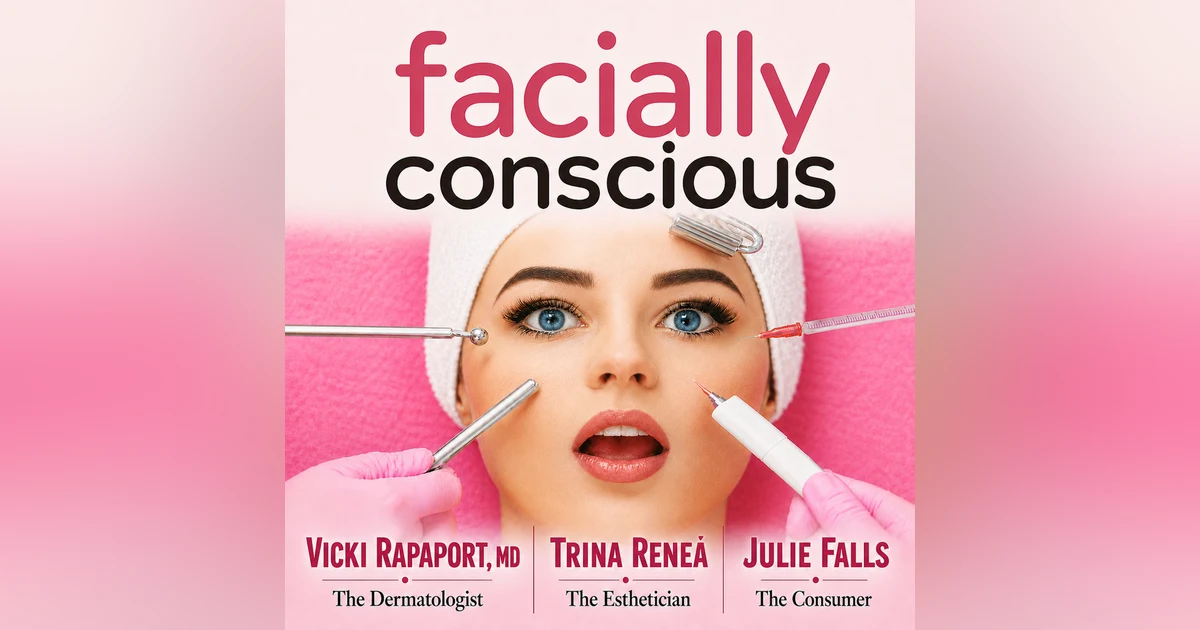
In this episode of Facially Conscious, our interdisciplinary panel—spanning psychology, dermatology, and esthetics—explores the deeper psychological mechanisms behind these shifts, and what they mean for both professionals and the individuals they serve.
The Psychological Foundation of Beauty and Self-Image
When Appearance Meets Identity
Psychologist Dr. Sarah Dihmes, with training from Johns Hopkins and Stanford, brings a critical lens to this conversation: beauty is not just visual—it is psychological.
Her work highlights a key distinction:
- It is not only how someone looks
- But how they feel about how they look
This distinction becomes especially clear in vulnerable populations. During her research with breast cancer patients, even small interventions—like basic skincare or makeup support—led to measurable improvements in self-esteem.
Key Insight
- Appearance can act as a gateway to identity restoration
- But it does not define identity itself
This reinforces an important clinical and esthetic principle: skincare is not purely cosmetic—it can intersect meaningfully with emotional well-being when approached responsibly.
Social Media and the Evolution of Beauty Standards
From Representation to Comparison
Social media has transformed beauty from something observed to something constantly measured. Users are no longer passive viewers—they are active participants in comparison.
A growing concern across disciplines:
- Increasing dissatisfaction at younger ages
- Rising interest in cosmetic procedures under 30
- Exposure to edited, filtered, and curated appearances
These platforms subtly redefine what it means to be:
- Confident
- Attractive
- Accepted
Often, these definitions are shaped by individuals without clinical or esthetic expertise.
The Influence of Non-Expert Guidance
Professionals are increasingly encountering clients who:
- Prioritize influencer advice over evidence-based care
- Use products inappropriate for their age or skin condition
- Expect unrealistic results based on filtered imagery
This disconnect is not simply informational—it is psychological. Trust is being redirected from trained professionals to perceived relatability and visibility.
The Timing Factor: Why Social Media Hits Harder at Night
One of the more nuanced insights from this discussion involves when people engage with social media.
Late-night scrolling appears to intensify:
- Comparison behaviors
- Emotional vulnerability
- Negative self-perception
From a psychological perspective, this aligns with:
- Reduced cognitive regulation
- Increased emotional sensitivity
- Disrupted restorative processes
For both practitioners and parents, this raises an important consideration: timing of exposure matters as much as content.
Skincare Confusion in the Age of Digital Influence
A Growing Professional Challenge
Across dermatology and esthetics, a shared frustration is emerging:
- Personalized treatment plans are being disregarded
- Evidence-based recommendations are questioned
- Trends are prioritized over skin physiology
This is not due to lack of intelligence or care—it reflects the overwhelming volume of conflicting information online.
What Clients Are Experiencing
- Information overload
- Difficulty distinguishing marketing from education
- Pressure to “keep up” with trends
What Professionals Are Navigating
- Re-education of misinformation
- Resetting unrealistic expectations
- Rebuilding trust in clinical expertise
Parenting and Early Exposure to Beauty Standards
A New Layer of Influence
Today’s adolescents are introduced to advanced skincare concepts far earlier than previous generations.
Parents now face:
- Exposure through peers, not just platforms
- Requests for active ingredients like retinol at inappropriate ages
- Difficulty controlling digital environments
This creates a complex dynamic where:
- Knowledge is accessible
- But context and appropriateness are often missing
Reframing Self-Esteem Beyond Appearance
Dr. Dihmes outlines five foundational components of self-esteem:
- Competence
- Belonging
- Identity
- Confidence
- Safety
Appearance can interact with these—but it should not dominate them.
Practical Integration: Skincare as a Grounding Ritual
Rather than eliminating beauty routines, the discussion suggests reframing them:
- Use mirror time for neutral or positive self-recognition
- Pair routines with affirming internal dialogue
- Shift focus from correction to care
This approach supports both psychological well-being and sustainable skincare habits.
Key Takeaways for Professionals and Individuals
For Skincare Professionals
- Prioritize patient education over correction
- Address psychological drivers, not just skin concerns
- Reinforce realistic, individualized outcomes
For Parents
- Encourage media literacy conversations
- Focus on identity beyond appearance
-
Be present rather than purely restrictive
For Individuals
- Notice when comparison replaces curiosity
- Question the source of skincare advice
- Separate appearance from self-worth
Moving Toward a More Conscious Approach to Beauty
The intersection of psychology, dermatology, and esthetics reveals a shared truth:
Beauty is not the problem—unexamined influence is.
Social media is not inherently harmful, but without context, it can distort perception, decision-making, and self-esteem. As professionals and individuals, the goal is not to reject beauty—but to understand it more clearly.
Listen to the Full Episode
This conversation only begins to unpack the complexity of how social media shapes self-image and skincare behavior.
For a deeper exploration of psycho-aesthetics, clinical insight, and real-world experiences, listen to the full episode of Facially Conscious featuring Dr. Sarah Dihmes.
Have a question? Send us an email at info@faciallyconscious.co
LIKE, FOLLOW & REVIEW US ON INSTAGRAM, & WHERE YOU LISTEN TO PODCASTS!
Visit our website www.faciallyconscious.com
Linktree | Facially Conscious
Join our new Patreon and Substack for more content from Facially Conscious
Follow Our Hosts On Instagram
Trina Renea - Medically-trained master esthetician and celebrities’ secret weapon
Linktree | Trina Renea, @trinareneaskincare, trinarenea.com and Substack
Julie Falls- Our educated consumer is here to represent you! @juliefdotcom
Dr. Vicki Rapaport -Board Certified dermatologist with practices in Beverly Hills and Culver City @rapaportdermatology and https://www.rapdermbh.com/
The Skin Master
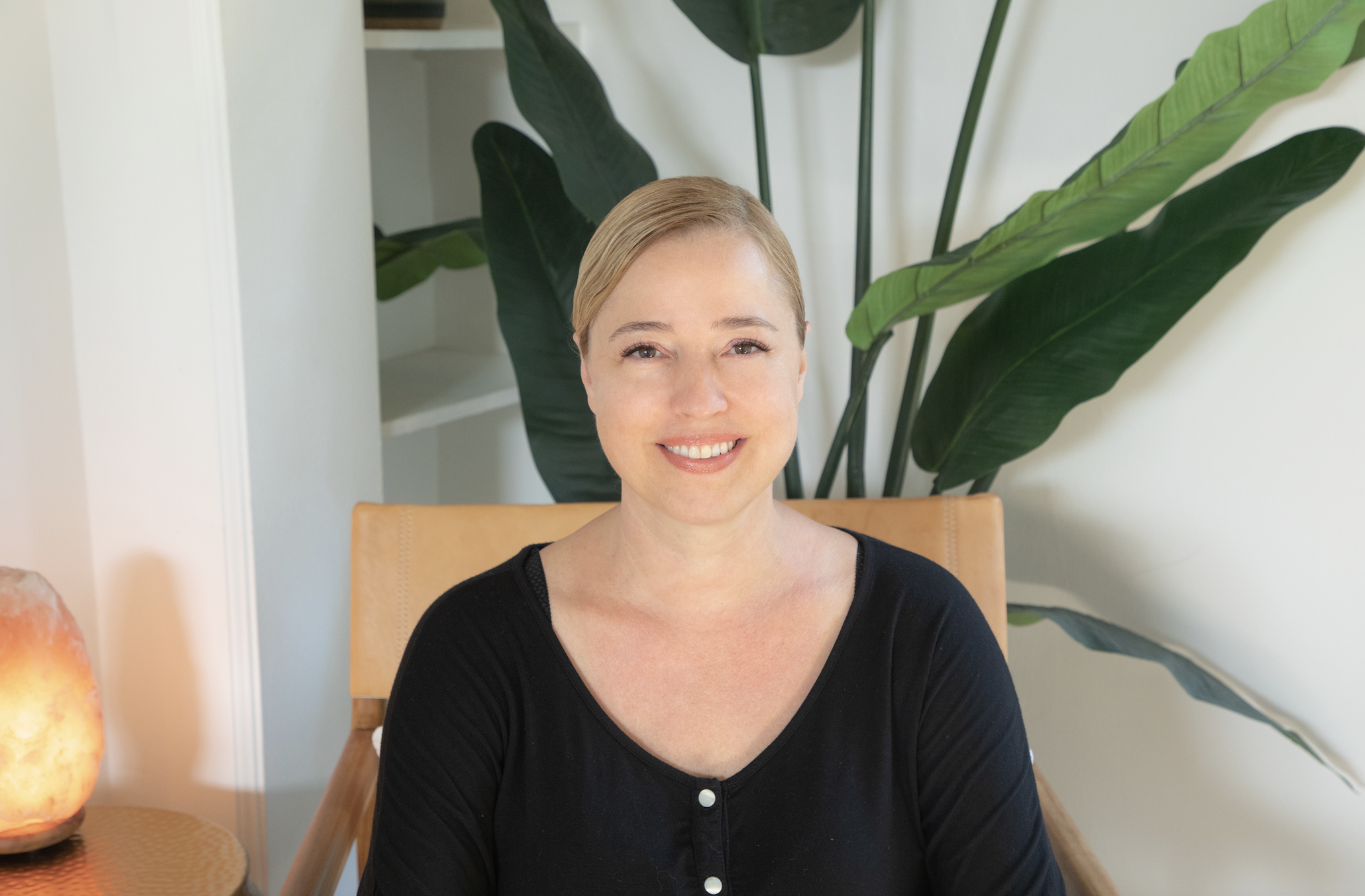
Co-host | When Trina Renea became an esthetician she realized the key to success was lifelong learning - a goal that sets her apart from most skin care practitioners.
For over 30 years, she’s explored the fields of cosmetic chemistry, medical esthetics, dermatology, and plastic surgery, becoming an expert in a wide expanse of professional skin care brands, equipment, and treatments. She is a member of the Society of Cosmetic Chemists with three certifications in cosmetic sciences from UCLA and continues to attend spa, medical, esthetic, and scientific conferences worldwide.
Now considered a skin master due to her broad expertise, Trina is a consultant to the Southern California beauty industry and medical esthetic community, selecting and training staff, developing treatments, guiding product selection, and helping professionals best serve their clients.
In 2004, she founded the Facial Bungalow, a clinical spa offering advanced skin care technologies where she continues to work one-on-one with clients to this day. In 2008 she created Trina Renea Skincare.