The Skin Microbiome Explained: Expert Insights from Dermatologists and Estheticians

Introduction: Why the Skin Microbiome Is Reshaping Skincare
For years, skincare conversations focused on active ingredients, exfoliation, and product routines. But a growing body of dermatology and microbiome research suggests something deeper may be influencing skin health: the skin microbiome.
The skin microbiome refers to the ecosystem of bacteria, fungi, and microorganisms that live naturally on the skin’s surface. When balanced, these microorganisms help regulate inflammation, strengthen the skin barrier, and protect against harmful pathogens.
But modern skincare habits—over-exfoliation, harsh ingredients, and complicated routines—may disrupt that balance.
In this episode of the Facially Conscious podcast, our hosts reflect on a fascinating conversation with dermatologist Dr. Doris Day and microbiome researcher Dr. Thomas M. Hitchcock, Ph.D., authors of Rebooting the Biome. Together, they explore what the microbiome means for everyday skincare and why many experts are reconsidering how we care for our skin.
Understanding the Skin Microbiome
What Is the Skin Microbiome?
The skin microbiome is composed of trillions of microorganisms—including species such as Propionibacterium and Corynebacterium—that coexist with the skin barrier.
Rather than being harmful, many of these microbes serve critical functions:
- Supporting immune defense
- Maintaining skin barrier integrity
- Regulating inflammation
- Preventing pathogenic bacteria from dominating
When this microbial ecosystem becomes disrupted—sometimes called microbiome dysbiosis—skin conditions such as rosacea, acne, pustules, and inflammatory skin disorders can emerge.
Understanding this balance is a key focus of modern dermatology and microbiome research.
A “Less-Is-More” Philosophy in Skincare
Are Modern Skincare Routines Too Aggressive?
One of the strongest themes from the conversation was the idea that many skincare routines have become overly complicated and aggressive.
Our hosts discussed a growing awareness within dermatology and esthetics that excessive exfoliation and constant product layering may disrupt the skin’s natural microbial balance.
This shift toward gentler routines is gaining traction across the skincare industry. A recent Vogue article on “Sensitivity Training” highlighted the growing interest in minimalist skincare routines that prioritize barrier health.
The takeaway? More products do not necessarily mean healthier skin.
Instead, supporting the microbiome often means simplifying routines and allowing the skin’s natural ecosystem to function properly.
Dermatology Perspective: Clinical Observations
When Skincare Habits Work Against the Skin
Board-certified dermatologist Dr. Vicki Rapaport shared a perspective she sees frequently in clinical practice: patients often arrive with irritated, inflamed skin caused by overuse of exfoliants and harsh treatments.
Common patterns include:
- Excessive chemical exfoliation
- Frequent use of strong acids
- Combining too many active ingredients
- Disrupting the skin barrier through aggressive treatments
In one patient case involving rosacea, simplifying the skincare routine and restoring barrier health played a crucial role in calming inflammation.
For dermatologists, this reinforces a key principle: healthy skin often requires balance, not intensity.
The Esthetician Perspective: Individualized Skin Care
Why Every Microbiome Is Unique
Master esthetician Trina Renea emphasized that skincare should always be individualized.
No two microbiomes are identical. Genetics, environment, diet, lifestyle, and skincare habits all shape the microbial ecosystem of the skin.
This means that skincare solutions should be tailored rather than standardized.
From an esthetic perspective, supporting the microbiome often includes:
- Avoiding unnecessary irritation
- Protecting the skin barrier
- Using lipid-rich creams and glycerin-based moisturizers
- Listening carefully to how the skin responds
Rather than forcing the skin into a rigid routine, the goal is to work with the skin’s biology instead of against it.
The Gut–Skin Connection
How Diet Influences the Skin Microbiome
Another fascinating part of the discussion focused on the relationship between gut health and skin health.
Emerging research suggests the gut microbiome and skin microbiome communicate through immune and inflammatory pathways, sometimes referred to as the gut-skin axis.
Dr. Rapaport highlighted the value of dietary balance, recommending:
- Fiber-rich foods
- Omega-3 fatty acids
- Cruciferous vegetables
- Nutrients that support anti-inflammatory pathways
Lifestyle factors like sleep regulation and overall metabolic health can also influence systemic inflammation and, in turn, skin conditions.
While diet alone cannot solve every skin issue, it remains an important piece of the broader picture.
Emerging Treatments and Microbiome Science
Supporting the Skin Without Disrupting It
The microbiome conversation has also sparked interest in new approaches to skincare products and treatments.
Some areas explored in the episode include:
Hypochlorous Acid
Hypochlorous acid has gained attention for its antibacterial properties that can help control harmful bacteria without severely disrupting the skin microbiome.
Probiotic and Microbiome-Focused Skincare
Products such as probiotic creams and microbiota-focused treatments aim to support beneficial bacteria on the skin.
Microbiome-Inspired Innovations
Technologies like Biojuve cream and research involving bacteria such as Acnes defendens are exploring ways to restore microbial balance rather than simply eliminate bacteria.
While research in this area continues to evolve, the core idea remains consistent: healthy skin depends on a balanced microbial ecosystem.
Key Takeaways from the Microbiome Discussion
Across dermatology, esthetics, and microbiome research, several themes emerged:
Healthy skin is an ecosystem.
The microorganisms living on the skin play a crucial protective role.
Over-treatment can disrupt balance.
Too many active ingredients may weaken the skin barrier and microbiome.
Less can sometimes be more.
Gentle routines often support long-term skin health.
Skin health connects to whole-body health.
Diet, sleep, and systemic inflammation influence the skin microbiome.
Individualization matters.
Every person’s skin microbiota is unique.
Have a question? Send us an email at info@faciallyconscious.co
LIKE, FOLLOW & REVIEW US ON INSTAGRAM, & WHERE YOU LISTEN TO PODCASTS!
Visit our website www.faciallyconscious.com
Linktree | Facially Conscious
Join our new Patreon and Substack for more content from Facially Conscious
Follow Our Hosts On Instagram
Trina Renea - Medically-trained master esthetician and celebrities’ secret weapon
Linktree | Trina Renea, @trinareneaskincare, trinarenea.com and Substack
Julie Falls- Our educated consumer is here to represent you! @juliefdotcom
Dr. Vicki Rapaport -Board Certified dermatologist with practices in Beverly Hills and Culver City @rapaportdermatology and https://www.rapdermbh.com/
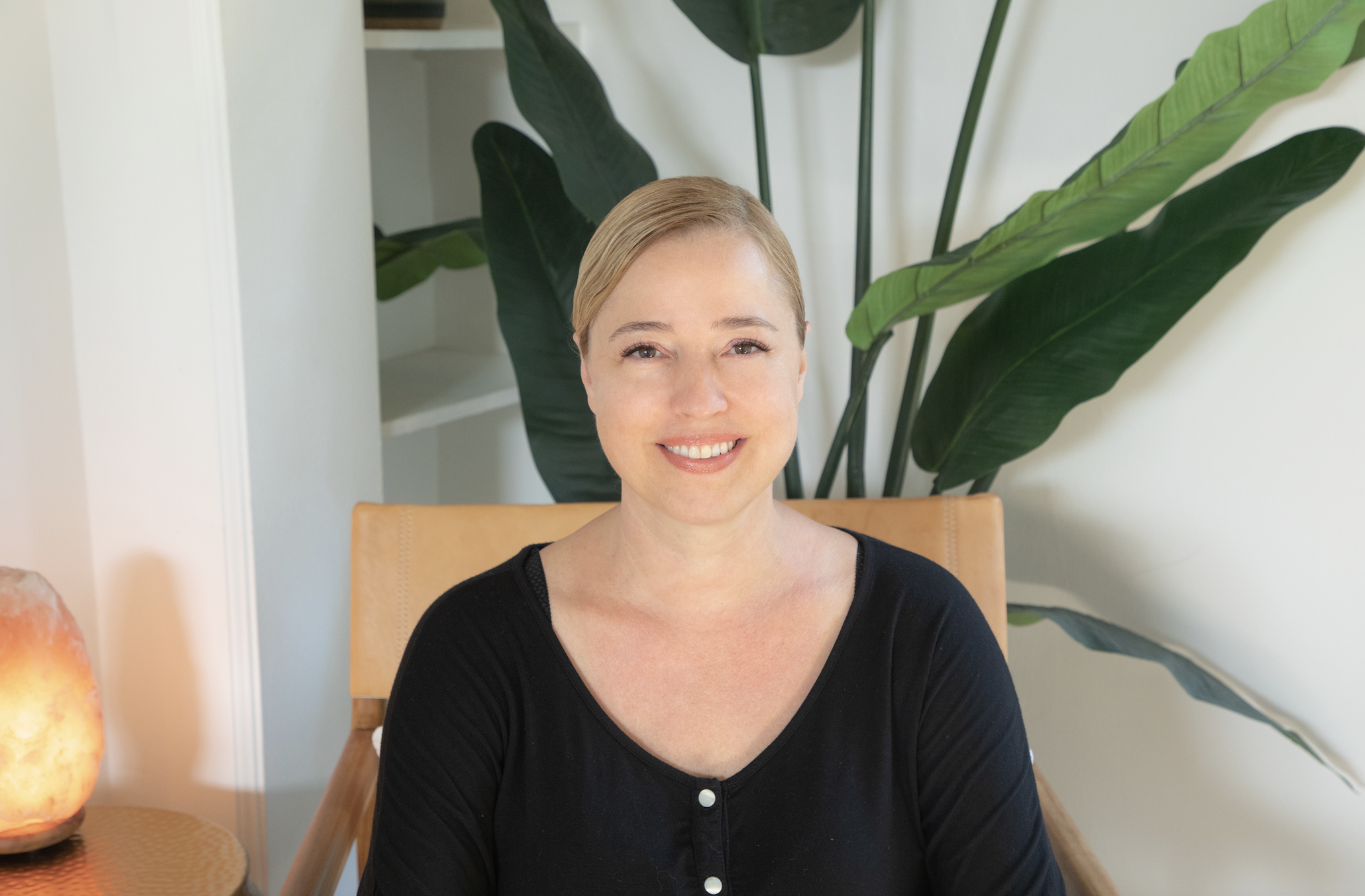
The Skin Master
Co-host | When Trina Renea became an esthetician she realized the key to success was lifelong learning - a goal that sets her apart from most skin care practitioners.
For over 30 years, she’s explored the fields of cosmetic chemistry, medical esthetics, dermatology, and plastic surgery, becoming an expert in a wide expanse of professional skin care brands, equipment, and treatments. She is a member of the Society of Cosmetic Chemists with three certifications in cosmetic sciences from UCLA and continues to attend spa, medical, esthetic, and scientific conferences worldwide.
Now considered a skin master due to her broad expertise, Trina is a consultant to the Southern California beauty industry and medical esthetic community, selecting and training staff, developing treatments, guiding product selection, and helping professionals best serve their clients.
In 2004, she founded the Facial Bungalow, a clinical spa offering advanced skin care technologies where she continues to work one-on-one with clients to this day. In 2008 she created Trina Renea Skincare.
Is Prescription Acne Treatment Now OTC?