Topical Estrogen for Skin: Benefits, Risks, and What Experts Want You to Know
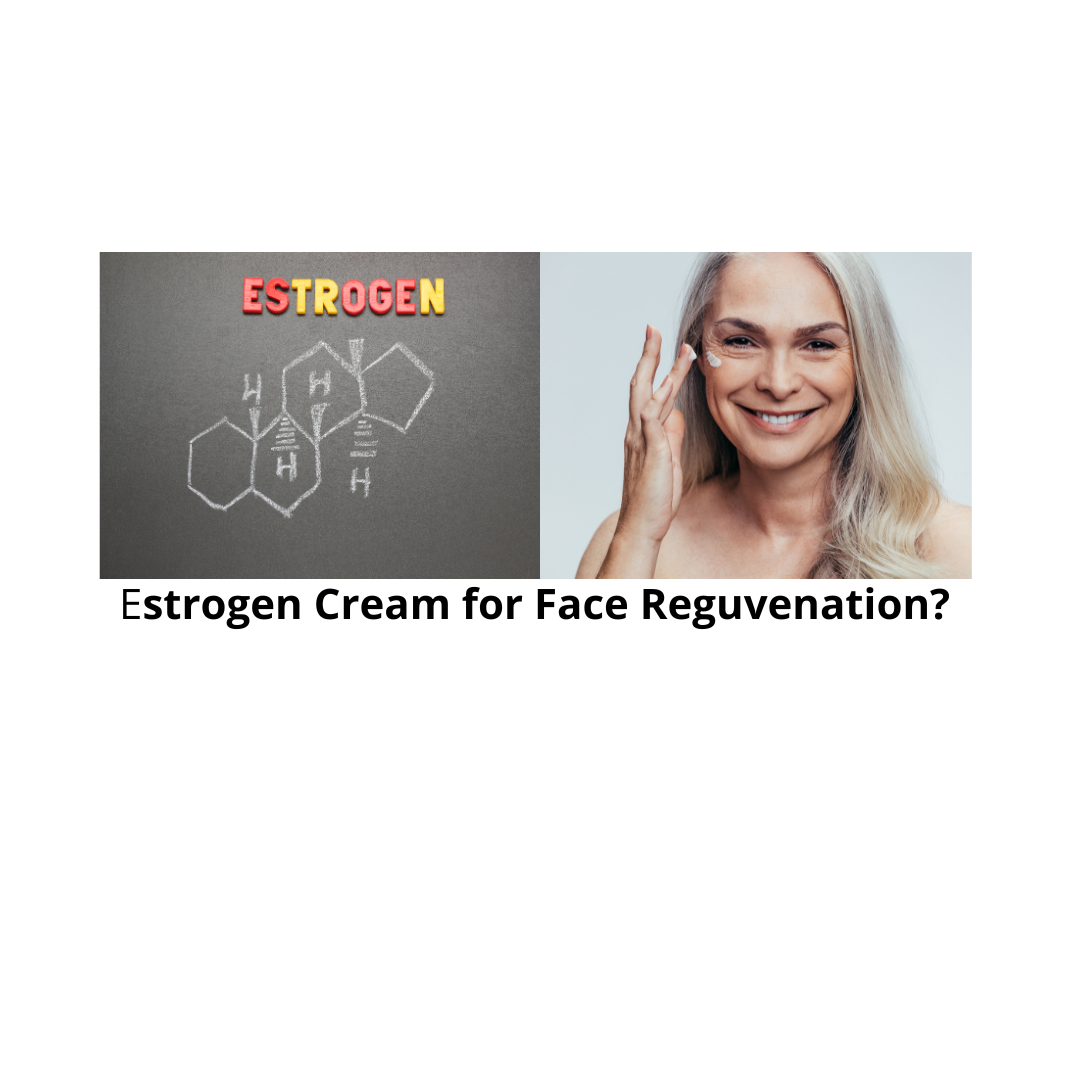
Why Is Everyone Talking About Estrogen in Skincare?
As conversations around anti-aging skincare evolve, a new question is emerging among both professionals and consumers:
Can topical estrogen safely improve aging skin?
While ingredients like peptides, growth factors, and exosomes have dominated recent discussions, estrogen introduces a different category altogether—a biologically active hormone with systemic implications.
This raises important considerations:
- Is topical estrogen truly effective for skin health?
- How much is absorbed into the body?
- And where is the line between skincare and medical treatment?
In this episode of the Facially Conscious Podcast, a panel of experts—including an OB-GYN and experienced skincare professionals—explores the science, safety, and real-world implications of estrogen-based skincare.
The Science: How Estrogen Affects Skin Health
From a physiological standpoint, estrogen plays a significant role in maintaining skin quality.
Key Skin Benefits of Estrogen
- Stimulates collagen production
- Improves skin thickness and elasticity
- Enhances moisture retention
- Supports wound healing
As natural estrogen levels decline with age, many individuals experience:
- Thinner skin
- Increased dryness
- Reduced elasticity
- Slower healing
This is where topical estrogen becomes compelling—it theoretically targets these exact changes at the source.
From a medical perspective, these effects are not new. Estrogen’s role in skin health is well-documented in clinical literature, particularly in the context of hormone replacement therapy (HRT).
Transdermal Absorption: Why Delivery Matters
One of the most important distinctions in this conversation is how estrogen is absorbed.
Estrogen delivered through the skin (transdermal delivery) is:
- Highly effective
- Commonly used in medical treatments
- Capable of entering systemic circulation
This is where skincare and medicine begin to overlap.
Key Insight:
Topical does not necessarily mean superficial. The skin is an active absorption pathway, not just a barrier.
Not All Estrogen Creams Are the Same
A critical point discussed in the episode is the difference between formulations and concentrations.
Higher-Concentration Estrogen (Prescription Use)
- Typically used in hormone replacement therapy
- Designed for systemic absorption
- Requires medical supervision
- May require progesterone balancing (for patients with a uterus)
Why it matters:
Unbalanced systemic estrogen can affect the uterine lining and increase health risks if not properly managed.
Lower-Concentration Estrogen (Localized Use)
- Often used for specific conditions like vaginal atrophy
- Lower systemic absorption
- Long history of controlled, monitored use
These formulations are sometimes perceived as safer—but context and total exposure still matter.
The Growing Concern: Over-the-Counter Estrogen Skincare
As estrogen enters the skincare market, over-the-counter formulations are becoming more accessible.
This introduces a new challenge:
The Cumulative Absorption Problem
- Applying estrogen to multiple areas increases total exposure
- Repeated use can lead to unintended systemic effects
- Users may unknowingly exceed safe thresholds
Important Consideration:
Even low concentrations can become significant when used frequently or across large surface areas.
Real-World Observations: Individual Responses Vary
Hormones are highly individualized.
In clinical and personal experiences shared during the discussion:
- Some individuals see improvements in skin quality
- Others may experience unexpected reactions (e.g., breakouts or hormonal shifts)
This variability highlights a key principle:
Hormonal skincare is not one-size-fits-all.
The body can metabolize hormones differently, sometimes converting them into other compounds that produce unintended effects.
What Practitioners Need to Understand
For estheticians, nurses, and medical providers, topical estrogen presents both opportunity and responsibility.
Key Professional Considerations
- Understand different estrogen types (estradiol, estriol, estrone)
- Recognize potency differences
- Screen for contraindications
- Encourage medical consultation when appropriate
Clients Who Require Extra Caution
- History of hormone-sensitive cancers
- Current hormone replacement therapy
- Patients with a uterus (in higher-dose scenarios)
- Individuals on multiple medications or supplements
Professional takeaway:
This is not simply an ingredient—it is a hormonal intervention.
Where Skincare Meets Medicine
One of the most nuanced discussions in the episode centers on how estrogen is already being used medically—and how that overlaps with cosmetic interest.
For patients already prescribed estrogen:
- Some may consider applying it to the face or neck
- This does not necessarily increase total dosage
- But it still requires physician awareness and monitoring
This reflects a broader shift in skincare:
Moving from surface-level treatment toward biologically active therapies.
The Future of Estrogen in Skincare
As research evolves, estrogen may become more integrated into aesthetic treatments.
Possibilities being explored include:
- More targeted topical formulations
- Controlled-release delivery systems
- Expanded crossover between dermatology and hormone therapy
However, the consensus remains grounded:
Innovation must be matched with clinical responsibility.
Key Takeaways
- Estrogen plays a significant role in maintaining skin structure and hydration
- Topical estrogen can be absorbed systemically—not just locally
- Concentration, dosage, and total exposure matter
- Not all users will respond the same way
- Medical guidance is essential, especially for long-term use
A More Thoughtful Approach to Skincare
The conversation around topical estrogen reflects a larger shift in the industry:
From trends → to biological understanding
From products → to systems thinking
For both professionals and consumers, the goal isn’t to rush toward new solutions—but to better understand them.
Listen to the Full Conversation
This discussion only scratches the surface of a much deeper conversation around hormones, skin health, and clinical responsibility.
To hear the full expert dialogue—including nuanced perspectives from both medical and esthetic viewpoints—listen to the full episode of the Facially Conscious Podcast.
Have a question? Send us an email at info@faciallyconscious.co
LIKE, FOLLOW & REVIEW US ON INSTAGRAM, & WHERE YOU LISTEN TO PODCASTS!
Visit our website www.faciallyconscious.com
Linktree | Facially Conscious
Join our new Patreon and Substack for more content from Facially Conscious
Follow Our Hosts On Instagram
Trina Renea - Medically-trained master esthetician and celebrities’ secret weapon
Linktree | Trina Renea, @trinareneaskincare, trinarenea.com and Substack
Julie Falls- Our educated consumer is here to represent you! @juliefdotcom
Dr. Vicki Rapaport -Board Certified dermatologist with practices in Beverly Hills and Culver City @rapaportdermatology and https://www.rapdermbh.com/

The Skin Master
Co-host | When Trina Renea became an esthetician she realized the key to success was lifelong learning - a goal that sets her apart from most skin care practitioners.
For over 30 years, she’s explored the fields of cosmetic chemistry, medical esthetics, dermatology, and plastic surgery, becoming an expert in a wide expanse of professional skin care brands, equipment, and treatments. She is a member of the Society of Cosmetic Chemists with three certifications in cosmetic sciences from UCLA and continues to attend spa, medical, esthetic, and scientific conferences worldwide.
Now considered a skin master due to her broad expertise, Trina is a consultant to the Southern California beauty industry and medical esthetic community, selecting and training staff, developing treatments, guiding product selection, and helping professionals best serve their clients.
In 2004, she founded the Facial Bungalow, a clinical spa offering advanced skin care technologies where she continues to work one-on-one with clients to this day. In 2008 she created Trina Renea Skincare.