Understanding Exosomes and Stem Cell Technology in Skincare: Science, Safety, and Skin Regeneration

Introduction: Why Exosomes Are Generating So Much Discussion in Skincare
Few topics in modern skincare spark as much curiosity—and confusion—as exosomes and stem cell–derived technologies.
Across dermatology clinics, aesthetic practices, and professional skincare communities, exosomes are frequently discussed as the next frontier of regenerative skin science. Yet many people are unclear about what exosomes actually are, how they interact with skin cells, and where they realistically fit within both medical and esthetic treatments.
In this episode of Facially Conscious, the hosts sit down with Dr. Greg Maguire, neuroscientist, biophysicist, and co-founder of NeoGenesis, to explore the science behind exosome technology and its potential applications in skin health.
Together, they unpack the biological role of exosomes, how stem cell research led to their discovery in skincare, and why safety, sourcing, and scientific transparency matter as this technology evolves.
What Are Exosomes?
At their core, exosomes are not cells.
They are extracellular vesicles—tiny particles released by cells that act as communication vehicles between tissues throughout the body.
Inside these microscopic vesicles are bioactive molecules that help regulate cellular behavior.
Key Components Often Found in Exosomes
Exosomes may contain:
- Growth factors
- Immune-modulating proteins
- Antioxidants
- Heat shock proteins
- Signaling molecules that influence cellular repair
Rather than functioning as living stem cells, exosomes operate more like biological messengers, delivering instructions that help guide cellular responses.
In the context of skin, this signaling capacity is what makes them particularly interesting for regenerative dermatology and aesthetic medicine.
How Stem Cell Research Led to Exosome Technology
Dr. Maguire’s interest in exosomes began in a very different area of medicine: neurological research.
While studying stem cell therapies for brain conditions, scientists discovered that many therapeutic benefits appeared to come not from the stem cells themselves, but from the molecules they released.
This realization shifted scientific attention toward the secreted factors surrounding stem cells, including:
- Extracellular vesicles (exosomes)
- Soluble proteins
- Growth factors
- Cellular signaling molecules
Over time, researchers began exploring whether these signaling systems could support skin repair, inflammation regulation, and tissue recovery.
Why Exosomes Are Being Studied in Skincare and Dermatology
The skin is an incredibly active biological system that constantly repairs itself. Exosomes may play a role in supporting this process because they can help influence how cells communicate with one another.
Potential Areas of Interest in Skin Science
Researchers are currently studying exosomes for their possible role in:
- Skin regeneration
- Wound healing
- Inflammation reduction
- Hair follicle signaling
- Post-procedure recovery
In clinical and aesthetic settings, they are sometimes explored alongside procedures such as:
- Laser resurfacing
- Microneedling or microchanneling
- Surgical recovery
- Treatments addressing inflammatory skin conditions
The idea is that exosomes may help support cellular repair pathways already active in the skin.
However, as the hosts emphasize in the discussion, this area of science is still developing and requires careful interpretation.
The Importance of Safety and Regulation
As with many emerging technologies, not all products labeled as “exosomes” are created equally.
One of the most important topics discussed in the episode is product sourcing and safety standards.
Currently, regulatory oversight for exosome-based products can vary significantly depending on where they are produced. Some products circulating globally may not undergo the same rigorous safety testing expected in medical or clinical environments.
Important Safety Considerations
Professionals and consumers should consider:
- The source of exosomes
- Manufacturing standards
- Biological testing procedures
- Transparency around formulation and purification
Scientific safety tests often referenced in research environments include:
- Ames testing (mutagenicity screening)
- Human repeat insult patch testing (HRIPT)
- Evaluations for oncogenic or mutagenic risk
Responsible development of regenerative skincare technologies depends on clear science, transparent research, and careful regulation.
How Exosomes May Be Used in Clinical and Aesthetic Settings
Another topic explored in the episode is the versatility of exosome-related research.
While skincare is one area of exploration, exosomes are also being studied across multiple medical fields.
Possible Applications Being Investigated
Research is exploring potential uses in areas such as:
- Skin barrier repair
- Anti-inflammatory skin responses
- Fibrosis and scar modulation
- Radiation dermatitis
- Atopic dermatitis and eczema
- Hair loss and dermal papilla signaling
- Recovery after ablative laser treatments
Some clinicians are also investigating whether exosomes may support post-procedure healing, helping reduce downtime or inflammation after treatments.
However, the hosts emphasize that responsible application requires scientific understanding rather than hype.
Understanding Dosage and Delivery
Exosome-based skincare products are typically used topically, although other medical delivery methods may exist in clinical research environments.
According to Dr. Maguire, dosage and application strategies can vary depending on:
- The condition being addressed
- The formulation used
- The concentration of signaling molecules present
Some approaches involve initially higher concentrations, followed by adjustments as the skin responds.
Because exosome technology interacts with complex cellular signaling pathways, individual responses may vary, which reinforces the need for professional guidance and thoughtful use.
Why Researchers Are Studying Exosomes Alongside Soluble Factors
Another important insight from the conversation is that exosomes may not act alone.
Cells release a variety of molecules into their surrounding environment, including soluble proteins and signaling factors that exist outside the vesicles themselves.
Some scientists believe the most effective regenerative approaches may involve a combination of exosomes and these soluble molecules, working synergistically to support tissue repair.
This broader system of signaling is sometimes described as physiological renormalization, where cellular communication helps guide tissues back toward balanced function.
The Future of Regenerative Skincare Science
While exosome research is still evolving, it represents a fascinating example of how medicine, biology, and skincare science intersect.
Understanding how cells communicate with one another opens the door to new approaches for addressing:
- Inflammation
- Tissue repair
- Skin barrier function
- Hair follicle signaling
- Recovery after medical procedures
But as the Facially Conscious hosts consistently emphasize, responsible curiosity matters.
Advancing skincare science requires a balance of enthusiasm, rigorous research, and thoughtful collaboration between dermatology, medical science, and professional esthetics.
Listen to the Full Conversation
In this episode of Facially Conscious, the hosts explore these ideas in depth with Dr. Greg Maguire, whose work bridges neuroscience, regenerative medicine, and skin biology.
If you’re curious about how exosomes actually work, where stem cell technology intersects with skincare, and what professionals should consider before adopting emerging treatments, this conversation offers a thoughtful place to start.
🎧 Listen to the full episode to explore the science behind exosomes and regenerative skincare technologies.
Have a question? Send us an email at info@faciallyconscious.co
LIKE, FOLLOW & REVIEW US ON INSTAGRAM, & WHERE YOU LISTEN TO PODCASTS!
Visit our website www.faciallyconscious.com
Linktree | Facially Conscious
Join our new Patreon and Substack for more content from Facially Conscious
Follow Our Hosts On Instagram
Trina Renea - Medically-trained master esthetician and celebrities’ secret weapon
Linktree | Trina Renea, @trinareneaskincare, trinarenea.com and Substack
Julie Falls- Our educated consumer is here to represent you! @juliefdotcom
Dr. Vicki Rapaport -Board Certified dermatologist with practices in Beverly Hills and Culver City @rapaportdermatology and https://www.rapdermbh.com/
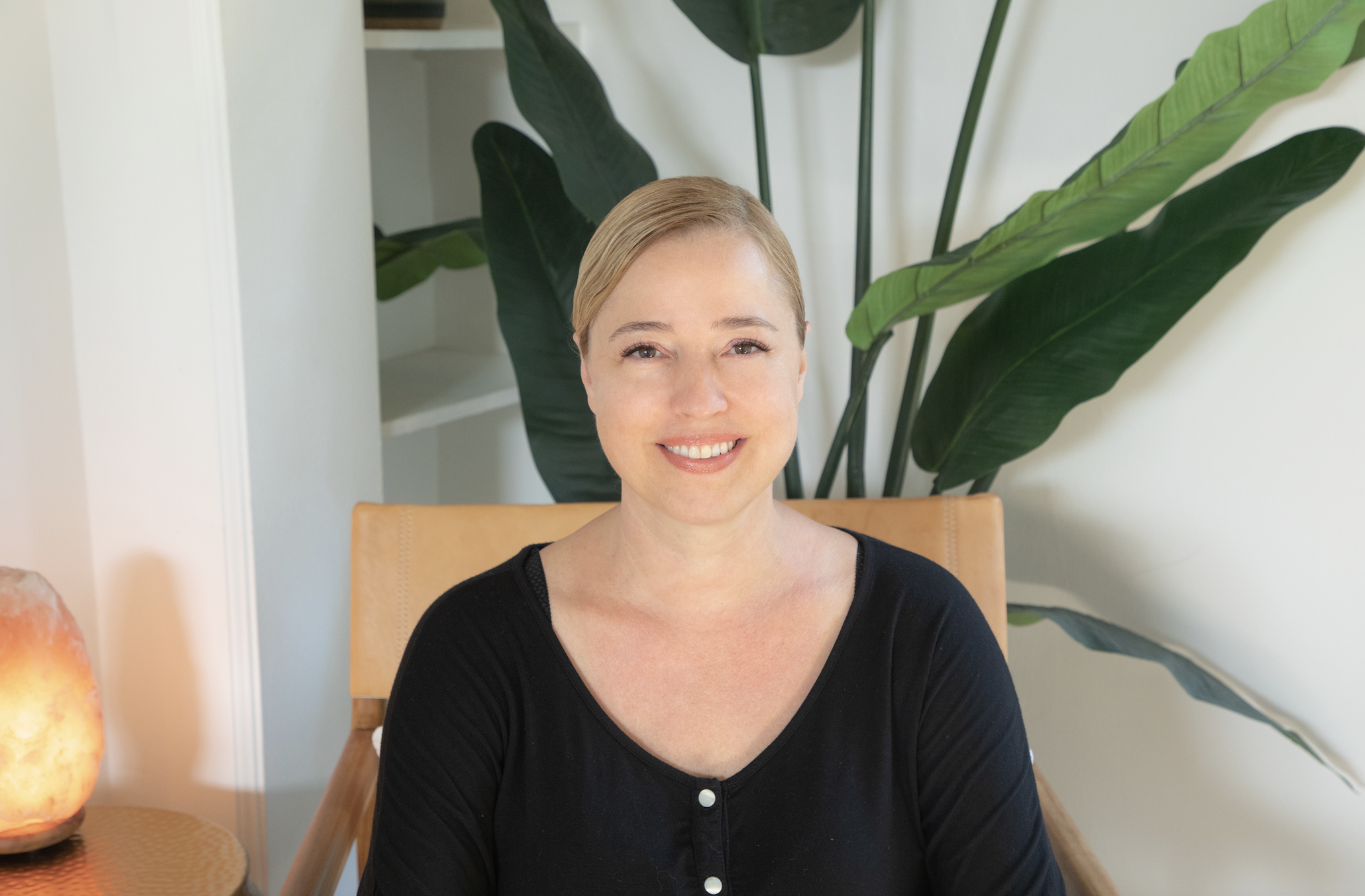
The Skin Master
Co-host | When Trina Renea became an esthetician she realized the key to success was lifelong learning - a goal that sets her apart from most skin care practitioners.
For over 30 years, she’s explored the fields of cosmetic chemistry, medical esthetics, dermatology, and plastic surgery, becoming an expert in a wide expanse of professional skin care brands, equipment, and treatments. She is a member of the Society of Cosmetic Chemists with three certifications in cosmetic sciences from UCLA and continues to attend spa, medical, esthetic, and scientific conferences worldwide.
Now considered a skin master due to her broad expertise, Trina is a consultant to the Southern California beauty industry and medical esthetic community, selecting and training staff, developing treatments, guiding product selection, and helping professionals best serve their clients.
In 2004, she founded the Facial Bungalow, a clinical spa offering advanced skin care technologies where she continues to work one-on-one with clients to this day. In 2008 she created Trina Renea Skincare.
Is Prescription Acne Treatment Now OTC?