What Are Organic Cosmetics? Understanding Certifications, Myths, and Sustainability in Skincare

Introduction: Why “Organic” in Skincare Causes So Much Confusion
The word “organic” appears everywhere in the beauty industry—on skincare labels, ingredient lists, and marketing claims. Yet for many consumers and even skincare professionals, the term remains surprisingly unclear.
Does organic skincare mean safer ingredients?
Is it the same as “natural”?
And how do certifications actually work in cosmetics?
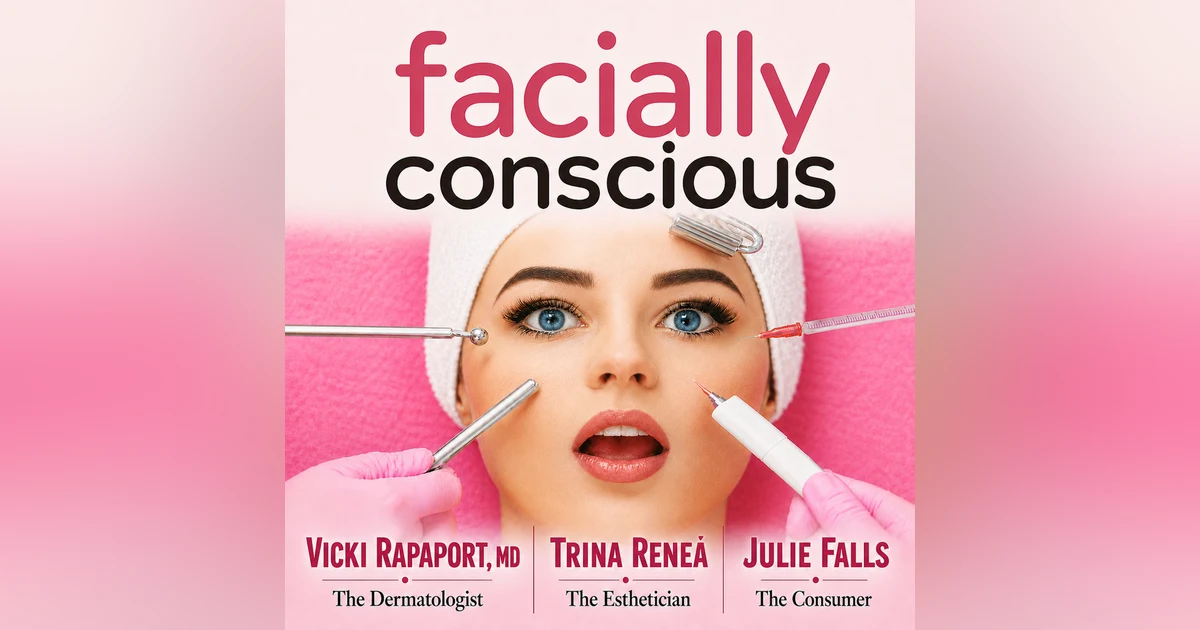
In this episode of the Facially Conscious Podcast, the hosts explore these questions with Gay Timmons, a pioneer in the organic cosmetics sector with more than four decades of experience in ingredient sourcing and regulatory standards.
Together with Dr. Vicki Rapaport, board-certified dermatologist, and Trina Renea, medically trained master esthetician, the discussion offers a deeper look at how organic certifications, ingredient sourcing, sustainability, and regulation shape the modern skincare landscape.
For professionals and skincare-curious listeners alike, understanding what “organic” truly means helps cut through industry noise and marketing claims.
Understanding Organic Cosmetics
What Does “Organic” Mean in Beauty Products?
In food, the term organic has a widely recognized meaning tied to agricultural practices. In cosmetics, however, the definition is more nuanced.
According to Gay Timmons, organic cosmetics can fall into several different categories depending on how ingredients are grown, processed, and certified.
Common frameworks include:
- USDA Organic Certification
- COSMOS certification
- NSF/ANSI 305 standards
- Other private certification systems used internationally
Each of these standards evaluates factors such as:
- Farming practices
- Ingredient sourcing
- Processing methods
- Environmental impact
- Transparency in labeling
This means a cosmetic product labeled “organic” may contain different levels of certified organic ingredients, depending on which certification system it follows.
Organic vs Natural: A Critical Distinction
One of the most common misconceptions in skincare is that “natural” and “organic” mean the same thing.
They do not.
Natural Cosmetics
“Natural” typically refers to ingredients derived from plants, minerals, or naturally occurring sources. However, there is no universal regulatory definition for natural cosmetics in many markets.
Organic Cosmetics
Organic ingredients, on the other hand, must meet specific agricultural and certification standards.
This distinction matters because:
- Natural ingredients can still undergo significant processing.
- Organic ingredients must follow regulated farming and handling practices.
- Certifications provide traceability and verification that natural claims alone may not.
Understanding the difference helps consumers and professionals evaluate skincare labels more critically.
The Sustainability Dimension of Organic Skincare
Beyond ingredient purity, organic cosmetics are often connected to broader environmental goals.
According to Timmons, certified organic farming practices can support sustainability efforts in several ways:
Environmental Benefits of Organic Ingredient Production
• Carbon sequestration in soil through organic farming methods
• Reduced reliance on synthetic pesticides and petrochemicals
• Lower greenhouse gas emissions associated with certain agricultural practices
• Support for biodiversity and soil health
For skincare brands and formulators, sourcing certified organic ingredients may align with a broader commitment to sustainable cosmetic development.
For consumers, choosing certified products can also contribute to supporting environmentally responsible agriculture.
Organic Cosmetic Regulations: More Structured Than Many Think
A common assumption is that the organic cosmetics industry lacks oversight. In reality, organic certification systems involve rigorous regulatory frameworks.
Gay Timmons explained that certified organic cosmetic ingredients often undergo:
- Annual inspections
- Documentation of farming practices
- Ingredient traceability verification
- Compliance reviews by certifying bodies
Organizations and regulatory frameworks involved include:
- USDA National Organic Program (NOP)
- Federal Trade Commission (FTC) guidelines
- Private certification systems like COSMOS and NSF
These standards help distinguish genuine organic claims from loosely applied marketing language.
Ingredient Processing and Green Chemistry
Organic cosmetic ingredients still undergo processing to become usable in skincare formulations.
Examples of common processing techniques include:
- Fractionation
- Esterification
- Transesterification
These processes help transform raw botanical materials into functional ingredients such as:
- stearic acid
- lauric acid
- glycerin
- plant-derived esters
The goal within organic cosmetic development is often to align these processes with the principles of green chemistry, which prioritize:
- renewable resources
- reduced environmental impact
- safer chemical processes
Understanding this balance between nature and formulation science is essential when evaluating organic cosmetic products.
Why Ingredient Transparency Matters
For skincare professionals and educated consumers, ingredient transparency is one of the most important factors in evaluating organic cosmetics.
Timmons emphasized the importance of reviewing:
- ingredient statements
- certification labels
- sourcing practices
- environmental impact claims
Certain synthetic additives commonly discussed in organic cosmetic debates include:
- BHA and BHT
- petrochemical derivatives
- solvent residues such as hexane or propylene glycol
Understanding how ingredients are sourced, processed, and regulated allows both consumers and professionals to make more informed product decisions.
Key Takeaways from the Conversation
1. “Organic” Has Specific Certification Standards
Not all organic claims are equal—look for recognized certification systems.
2. Organic and Natural Are Not the Same
Natural ingredients may still undergo extensive processing, while organic ingredients must meet agricultural and regulatory requirements.
3. Sustainability Is a Major Factor
Organic farming practices can support environmental health and carbon sequestration.
4. Regulation Exists—But Understanding It Matters
Certification systems like USDA Organic, COSMOS, and NSF help maintain accountability.
5. Transparency Supports Better Choices
Reading ingredient lists and understanding sourcing practices helps consumers navigate the complex beauty marketplace.
A Thoughtful Conversation on Organic Skincare
The growing interest in organic cosmetics reflects a broader shift in how people think about skincare, ingredient sourcing, and environmental responsibility.
But as this conversation reveals, the topic is far more complex than a label on a product.
Through the combined perspectives of dermatology, esthetics, ingredient science, and consumer advocacy, this episode offers a grounded look at how organic cosmetics fit within modern skincare.
If you want to explore the topic more deeply—including the regulatory history, formulation science, and evolving standards shaping organic beauty—this episode provides valuable insight.
Listen to the Full Episode
To hear the full conversation with Gay Timmons and the Facially Conscious hosts, listen to the full episode on your preferred podcast platform.
You’ll gain deeper insight into:
- how organic cosmetic standards developed
- the science behind ingredient sourcing
- and how professionals evaluate organic skincare products today.
Have a question? Send us an email at info@faciallyconscious.co
LIKE, FOLLOW & REVIEW US ON INSTAGRAM, & WHERE YOU LISTEN TO PODCASTS!
Visit our website www.faciallyconscious.com
Linktree | Facially Conscious
Join our new Patreon and Substack for more content from Facially Conscious
Follow Our Hosts On Instagram
Trina Renea - Medically-trained master esthetician and celebrities’ secret weapon
Linktree | Trina Renea, @trinareneaskincare, trinarenea.com and Substack
Julie Falls- Our educated consumer is here to represent you! @juliefdotcom
Dr. Vicki Rapaport -Board Certified dermatologist with practices in Beverly Hills and Culver City @rapaportdermatology and https://www.rapdermbh.com/
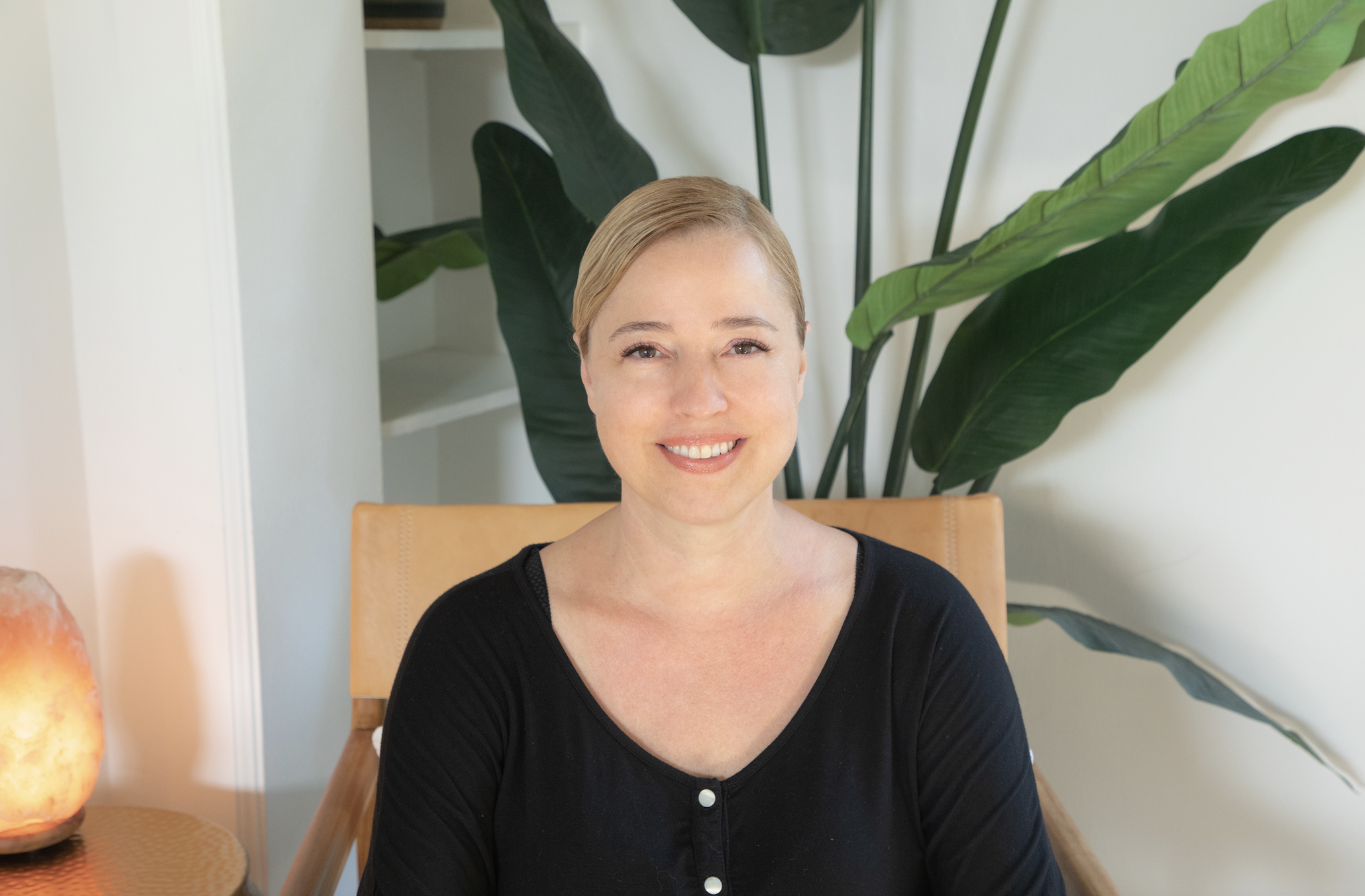
The Skin Master
Co-host | When Trina Renea became an esthetician she realized the key to success was lifelong learning - a goal that sets her apart from most skin care practitioners.
For over 30 years, she’s explored the fields of cosmetic chemistry, medical esthetics, dermatology, and plastic surgery, becoming an expert in a wide expanse of professional skin care brands, equipment, and treatments. She is a member of the Society of Cosmetic Chemists with three certifications in cosmetic sciences from UCLA and continues to attend spa, medical, esthetic, and scientific conferences worldwide.
Now considered a skin master due to her broad expertise, Trina is a consultant to the Southern California beauty industry and medical esthetic community, selecting and training staff, developing treatments, guiding product selection, and helping professionals best serve their clients.
In 2004, she founded the Facial Bungalow, a clinical spa offering advanced skin care technologies where she continues to work one-on-one with clients to this day. In 2008 she created Trina Renea Skincare.
Is Prescription Acne Treatment Now OTC?