What Does an Esthetician Really Do? Understanding Scope, Licensing, and Skincare Expertise

Introduction: Why the Role of an Esthetician Is Often Misunderstood
In today’s skincare landscape, many people struggle to understand the difference between dermatologists, estheticians, and other skincare professionals. Advice online often blurs these roles, creating confusion about who treats what—and what training is required.
One of the most commonly asked questions is simple but important:
What does an esthetician actually do?
In this episode of the Facially Conscious Podcast, the hosts explore the professional role of estheticians with longtime skincare educator Dr. Mark Lees. Together, they discuss licensing standards, scope of practice, and why education and credentials matter when it comes to skin health and aesthetic treatments.
The conversation offers clarity for consumers seeking trustworthy skincare guidance and professionals navigating the evolving esthetics field.
The Professional Role of an Esthetician
What Estheticians Are Trained to Do
Estheticians specialize in the appearance and care of the skin, focusing primarily on aesthetic concerns rather than medical conditions.
Their work typically includes treatments designed to:
- Improve skin texture and appearance
- Support healthy skin maintenance
- Address cosmetic concerns such as congestion, dullness, or uneven tone
Common services performed by licensed estheticians may include:
- Facials and customized skincare treatments
- Superficial and medium-depth chemical peels (depending on state regulations)
- Microdermabrasion
- Microcurrent treatments
- Skin analysis and product guidance
While these treatments can significantly improve the look and feel of skin, estheticians operate within a defined scope of practice that varies depending on state regulations.
Licensing and Regulation in the Esthetics Profession
Why Licensing Requirements Matter
One of the key themes in this discussion is the importance of licensing and regulatory oversight in skincare services.
Esthetic licensing exists to ensure that practitioners have been trained in:
- sanitation and infection control
- skin anatomy and physiology
- treatment safety
- proper use of professional equipment
Regulation protects both the practitioner and the client, helping ensure treatments are performed safely and responsibly.
However, licensing standards vary significantly across states, which can create confusion.
Examples of Differences in State Regulations
Depending on the state, estheticians may have different permissions regarding:
- chemical peel depth
- laser treatments
- advanced devices and technologies
- medical supervision requirements
For example, certain procedures allowed in one state may require physician oversight—or be restricted entirely—in another.
Understanding these regulatory differences helps both consumers and professionals make informed decisions about skincare treatments.
Specializations Within the Esthetics Field
A Broad and Evolving Profession
The esthetics profession includes a wide range of specialties and career paths. Some estheticians focus on:
- acne care
- corrective skincare treatments
- spa and relaxation therapies
- advanced skin technologies
- education and product development
Dr. Lees emphasizes that while estheticians treat cosmetic concerns, collaboration with medical professionals is sometimes necessary when skin conditions move beyond aesthetic care.
This collaborative approach helps create a balanced relationship between medical dermatology and esthetic skin care.
Advanced Training and Global Certifications
The Importance of Continuing Education
Beyond basic licensing, many estheticians pursue advanced training and certifications to deepen their expertise.
One of the most respected credentials discussed in the episode is CIDESCO, an internationally recognized certification in esthetics education.
CIDESCO training emphasizes:
- standardized global education
- rigorous professional standards
- advanced skincare knowledge
Dr. Lees shares insights from his experience with CIDESCO and its mission to elevate professional education in esthetics worldwide.
Advanced certifications help ensure practitioners stay informed about:
- evolving treatment technologies
- safety protocols
- international education standards
The Confusion Around “Medical Esthetician”
Why Titles Can Be Misleading
Another topic explored in the conversation is the widespread use of the term “medical esthetician.”
Despite its popularity, the title often lacks formal regulatory definition in many states.
This means that:
- the term may refer to workplace setting rather than education
- training levels can vary widely
- credentials should always be verified independently
For both consumers and professionals, checking licenses, certifications, and training history remains the most reliable way to evaluate qualifications.
How Consumers Can Choose a Qualified Esthetician
Selecting a skincare professional can feel overwhelming, especially when credentials and terminology vary.
The hosts suggest several practical ways to evaluate an esthetician’s qualifications.
What to Look For
- A valid state license displayed in the treatment space
- Certifications from recognized training programs
- Professional referrals or recommendations
- Transparent discussion of treatment options and limitations
Consumers can also consult state boards of cosmetology to verify licensing information.
Ultimately, the goal is to build a relationship with a practitioner who prioritizes safety, education, and thoughtful skincare guidance.
Why Education and Collaboration Matter in Skincare
One of the underlying themes of this episode is the value of interdisciplinary collaboration in skin health.
Dermatologists, estheticians, nurses, and skincare educators all bring different perspectives to the conversation. When these viewpoints come together, clients benefit from a more balanced and informed approach to skincare.
Understanding each professional’s role helps create clear expectations, safer treatments, and better long-term skin outcomes.
Listen to the Full Conversation
To hear the full discussion on esthetician education, licensing, and professional scope, listen to the complete episode of the Facially Conscious Podcast featuring Dr. Mark Lees.
The episode offers thoughtful insight for anyone interested in:
- pursuing a career in esthetics
- understanding skincare professional roles
- navigating the complex world of skincare advice
Listening to the conversation provides deeper context behind the topics explored here—and highlights why informed skincare education matters.
Have a question? Send us an email at info@faciallyconscious.co
LIKE, FOLLOW & REVIEW US ON INSTAGRAM, & WHERE YOU LISTEN TO PODCASTS!
Visit our website www.faciallyconscious.com
Linktree | Facially Conscious
Join our new Patreon and Substack for more content from Facially Conscious
Follow Our Hosts On Instagram
Trina Renea - Medically-trained master esthetician and celebrities’ secret weapon
Linktree | Trina Renea, @trinareneaskincare, trinarenea.com and Substack
Julie Falls- Our educated consumer is here to represent you! @juliefdotcom
Dr. Vicki Rapaport -Board Certified dermatologist with practices in Beverly Hills and Culver City @rapaportdermatology and https://www.rapdermbh.com/
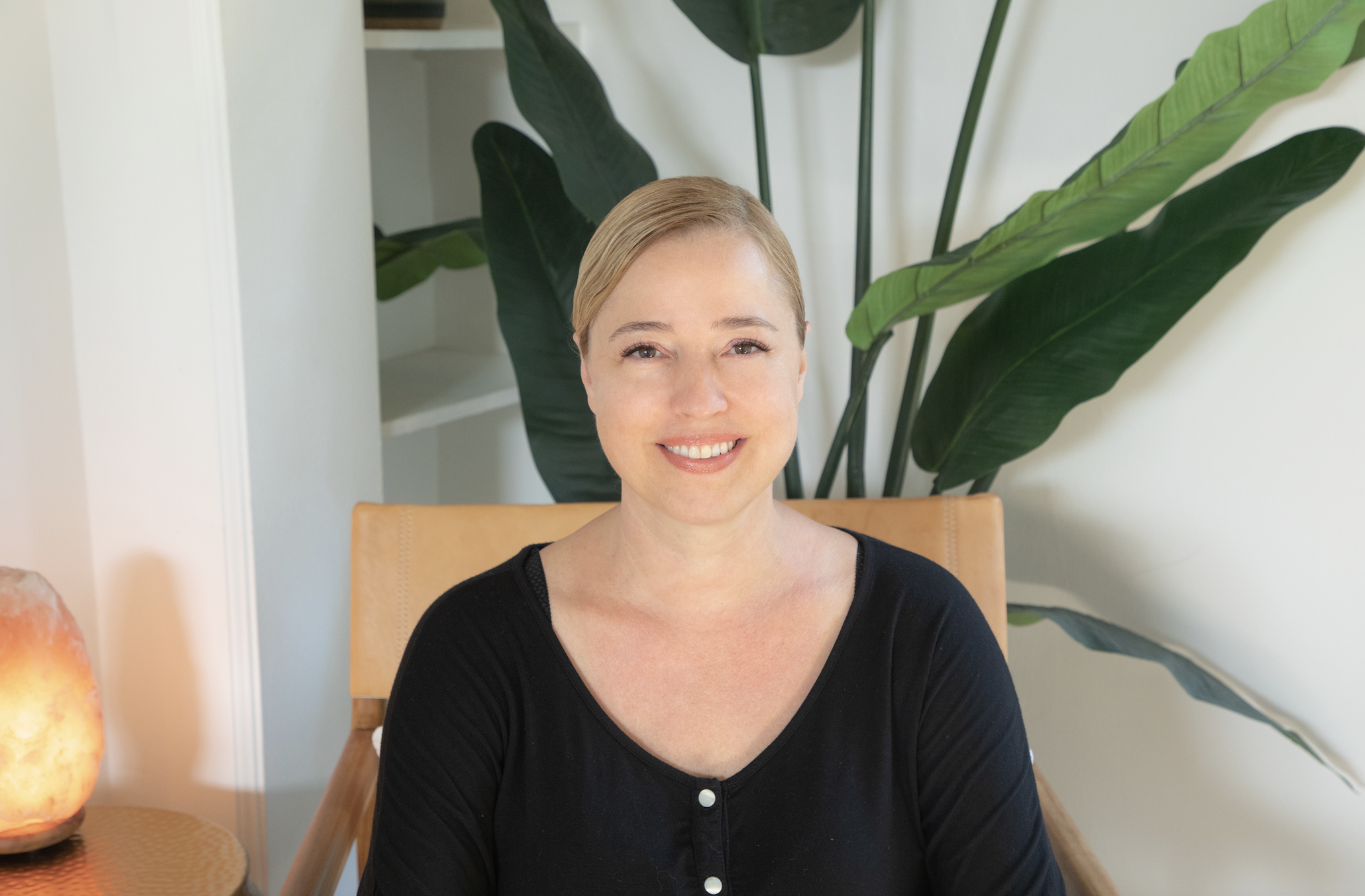
The Skin Master
Co-host | When Trina Renea became an esthetician she realized the key to success was lifelong learning - a goal that sets her apart from most skin care practitioners.
For over 30 years, she’s explored the fields of cosmetic chemistry, medical esthetics, dermatology, and plastic surgery, becoming an expert in a wide expanse of professional skin care brands, equipment, and treatments. She is a member of the Society of Cosmetic Chemists with three certifications in cosmetic sciences from UCLA and continues to attend spa, medical, esthetic, and scientific conferences worldwide.
Now considered a skin master due to her broad expertise, Trina is a consultant to the Southern California beauty industry and medical esthetic community, selecting and training staff, developing treatments, guiding product selection, and helping professionals best serve their clients.
In 2004, she founded the Facial Bungalow, a clinical spa offering advanced skin care technologies where she continues to work one-on-one with clients to this day. In 2008 she created Trina Renea Skincare.
Is Prescription Acne Treatment Now OTC?