Why Skincare Ingredient Lists Aren’t Enough: 8 Hidden Factors That Impact Your Skin
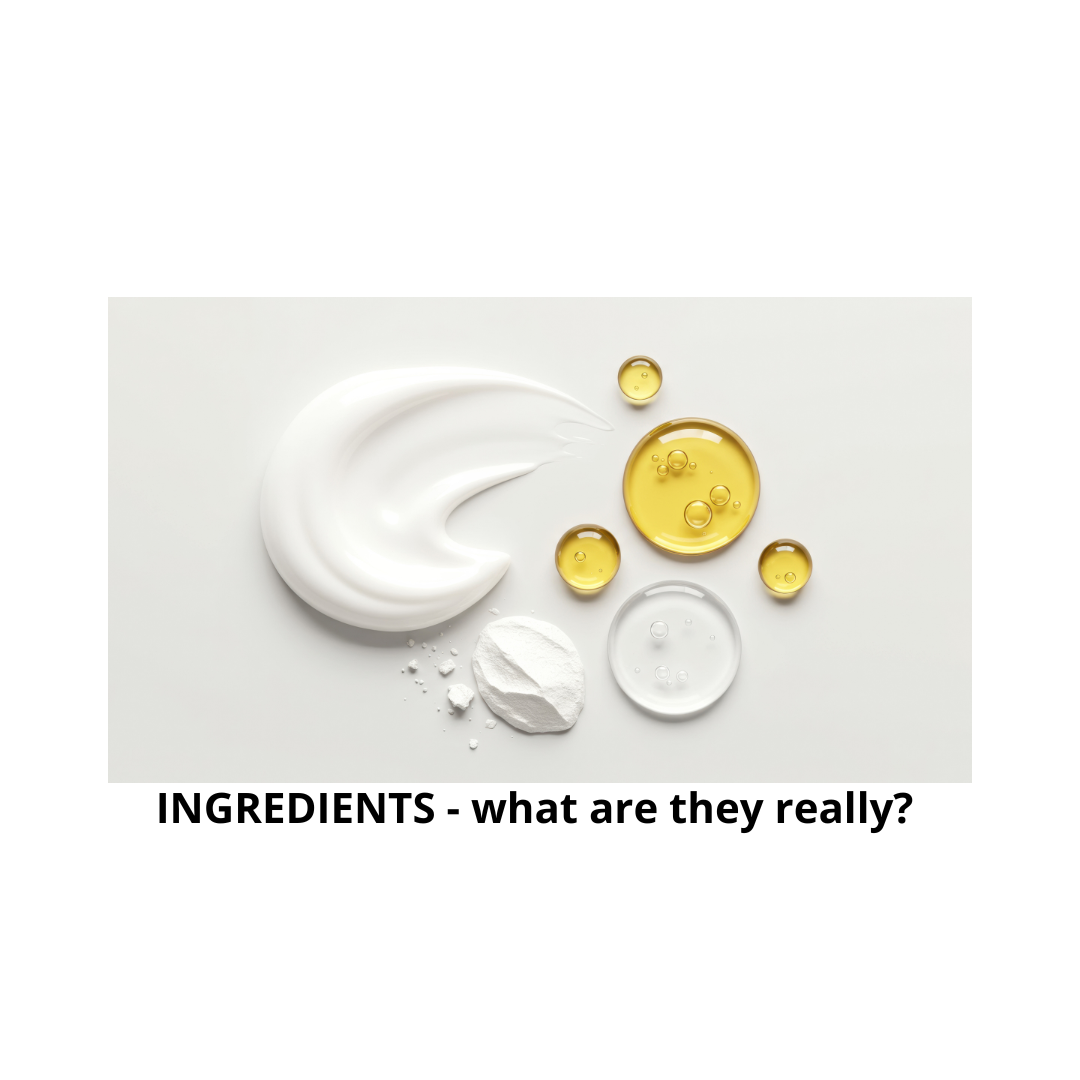
The Limits of Reading Skincare Labels
If you’ve ever stood in the skincare aisle analyzing ingredient lists, you’re not alone. Many consumers—and even professionals—are taught that understanding skincare starts with decoding labels. But here’s the reality: a skincare ingredient list cannot fully explain how a product performs, how safe it is, or how it will interact with your skin.
This is a growing point of discussion among dermatology, cosmetic chemistry, and esthetic professionals. In this episode of the Facially Conscious Podcast, our expert hosts explore what ingredient lists don’t tell you—and why relying on them alone can lead to incomplete or misleading conclusions.
The Ingredient List: Helpful, But Incomplete
Ingredient labeling laws were designed to support consumer safety—primarily by identifying allergens and known irritants. But over time, ingredient lists have been treated as the ultimate authority in skincare decision-making.
As cosmetic chemist Rebecca Gadberry explains, ingredient lists are often viewed as definitive—but even experts cannot fully evaluate a product based on the label alone. The missing context lies in formulation, sourcing, processing, and validation.
8 Things You Can’t Learn From a Skincare Ingredient List
1. Ingredient Quality and Purity
Not all ingredients are created equal—even when they share the same name.
For example, a common cleansing agent like cocamidopropyl betaine can exist in multiple grades:
- Technical (industrial use)
- Cosmetic grade
- Pharmaceutical (USP) grade
These variations significantly impact safety and skin compatibility, yet ingredient lists do not disclose purity levels.
2. Ingredient Source and Origin
An ingredient like glycerin may be:
- Plant-derived
- Animal-derived
- Petroleum-derived
Each source has different implications for sustainability, skin compatibility, and formulation philosophy. However, this information is not required on labels, making it invisible to both consumers and professionals.
3. Consistency of Plant Extracts
Botanical ingredients are often perceived as stable and uniform—but in reality, they are highly variable.
Factors that influence plant extracts include:
- Soil conditions
- Climate and geography
- Harvest timing
- Processing methods
Without proper standardization, two products containing the “same” extract may behave very differently on the skin.
4. Impurities and Contaminants
Certain ingredients—particularly surfactants and emulsifiers—can contain trace impurities such as 1,4-dioxane. While responsible manufacturers remove these during production, ingredient labels do not indicate whether purification has occurred.
5. Ethical and Sustainable Sourcing
Ingredients like palm oil may be sustainably sourced—or not.
The ingredient list does not reveal:
- Environmental impact
- Labor practices
- Certification standards
Understanding sourcing requires deeper investigation beyond the label.
6. Ingredient Percentages and Functional Use
While ingredients are listed in descending order, this rule changes after 1%.
This means:
- Ingredients under 1% can appear in any order
- “Hero ingredients” may be present in minimal amounts
- Higher percentages are not always better
For example, hyaluronic acid is typically effective at low concentrations—higher amounts can actually disrupt hydration balance.
7. Fragrance Composition
The term “fragrance” or “parfum” is legally protected as a trade secret.
This can include:
- Dozens of undisclosed compounds
- Synthetic or natural components
- Carriers and stabilizers
As a result, you cannot fully assess irritation potential or composition from the label alone.
8. Green Chemistry and Manufacturing Practices
Modern cosmetic science increasingly emphasizes green chemistry—a framework focused on:
- Sustainable ingredient sourcing
- Environmentally responsible production
- Safe degradation and disposal
However, ingredient lists do not indicate whether these principles were followed, making it difficult to assess a product’s broader impact.
A More Thoughtful Approach to Evaluating Skincare
So if ingredient lists aren’t enough—what should you rely on?
Ask Better Questions
Instead of only analyzing labels, consider:
- How does the brand validate product safety?
- What standards are used for ingredient sourcing and purity?
- How is consistency maintained across batches?
Look for Transparency, Not Just Claims
Brands that prioritize education and openness often provide:
- Detailed formulation insights
- Clear sourcing information
- Evidence of testing and validation
Combine Perspectives
Effective skincare evaluation benefits from multiple disciplines:
- Medical insight (skin physiology, safety)
- Esthetic expertise (skin response, treatment compatibility)
- Cosmetic chemistry (formulation and stability)
Key Takeaways
- Ingredient lists are a starting point—not a complete evaluation tool
- Quality, sourcing, and formulation details are not visible on labels
- Both professionals and consumers benefit from asking deeper questions
- Interdisciplinary understanding leads to better skincare decisions
Continue the Conversation
This discussion is just the beginning. In the full podcast episode, our hosts explore these concepts in greater depth—offering real-world context, professional insights, and practical guidance for navigating skincare with clarity.
Listen to “7 Things You Can’t Determine from the Ingredient List” on the Facially Conscious Podcast to deepen your understanding of what truly matters in skincare.
Follow, download, and stay connected for more thoughtful, expert-led conversations that bridge science and skin.
Have a question? Send us an email at info@faciallyconscious.co
LIKE, FOLLOW & REVIEW US ON INSTAGRAM, & WHERE YOU LISTEN TO PODCASTS!
Visit our website www.faciallyconscious.com
Linktree | Facially Conscious
Join our new Patreon and Substack for more content from Facially Conscious
Follow Our Hosts On Instagram
Trina Renea - Medically-trained master esthetician and celebrities’ secret weapon
Linktree | Trina Renea, @trinareneaskincare, trinarenea.com and Substack
Julie Falls- Our educated consumer is here to represent you! @juliefdotcom
Dr. Vicki Rapaport -Board Certified dermatologist with practices in Beverly Hills and Culver City @rapaportdermatology and https://www.rapdermbh.com/

The Skin Master
Co-host | When Trina Renea became an esthetician she realized the key to success was lifelong learning - a goal that sets her apart from most skin care practitioners.
For over 30 years, she’s explored the fields of cosmetic chemistry, medical esthetics, dermatology, and plastic surgery, becoming an expert in a wide expanse of professional skin care brands, equipment, and treatments. She is a member of the Society of Cosmetic Chemists with three certifications in cosmetic sciences from UCLA and continues to attend spa, medical, esthetic, and scientific conferences worldwide.
Now considered a skin master due to her broad expertise, Trina is a consultant to the Southern California beauty industry and medical esthetic community, selecting and training staff, developing treatments, guiding product selection, and helping professionals best serve their clients.
In 2004, she founded the Facial Bungalow, a clinical spa offering advanced skin care technologies where she continues to work one-on-one with clients to this day. In 2008 she created Trina Renea Skincare.
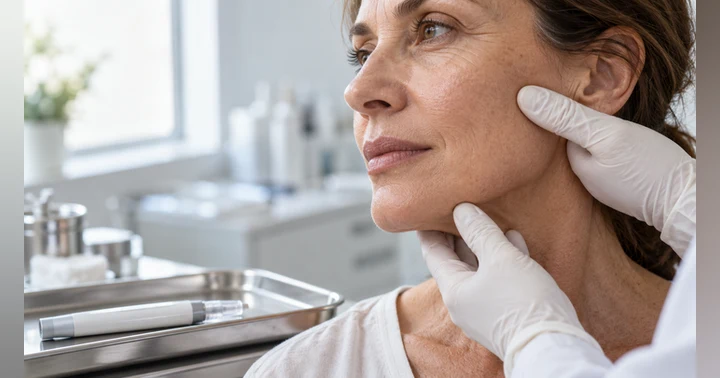
What Happens to Your Face on GLP-1s? A Dermatologist and an Esthetician on "Ozempic Face"