Why Your Acne Routine Isn’t Working: 6 Mistakes Dermatologists and Estheticians See Every Day

Acne is one of the most researched skin conditions in dermatology—yet it remains one of the most misunderstood.
Patients often feel frustrated when they follow a skincare routine, buy recommended products, and still experience breakouts. Meanwhile, skincare professionals frequently see the same patterns repeated: well-intentioned routines that unknowingly work against the skin instead of supporting it.
In this episode of the Facially Conscious Podcast, hosts Rebecca Gadberry and Trina Renea sit down with renowned acne specialist Dr. Mark Lees to explore the most common mistakes people make in their acne programs. Drawing from decades of dermatology and clinical esthetics experience, the conversation highlights how small missteps—ingredient choices, inconsistent routines, or short-term thinking—can derail progress.
The discussion offers a grounded, professional perspective on acne care that moves beyond quick fixes and focuses on long-term skin health.
The Hidden Complexity of Acne Treatment
Acne is rarely just about the blemish you can see.
It’s a condition influenced by multiple biological factors, including:
- Micro-comedone formation beneath the skin
- Oil production
- Bacteria involved in acne development
- Inflammation
- Hormonal influence
- Product compatibility with the skin
Because acne develops below the surface long before it appears visibly, effective treatment often requires addressing the entire skin environment—not just individual breakouts.
Dr. Lees and the Facially Conscious hosts discuss six ways acne routines often fail, and how a more thoughtful strategy can improve outcomes.
1. Treating Only the Pimples You Can See
One of the most common acne treatment mistakes is focusing only on visible blemishes.
By the time a pimple appears, the underlying micro-comedone may have been developing for weeks. Treating only active breakouts ignores the early stages of acne formation happening beneath the skin.
Dermatologists and estheticians often recommend preventive treatment across acne-prone areas, rather than spot-treating individual lesions.
Common professional approaches include:
- Using benzoyl peroxide across affected areas
- Incorporating alpha hydroxy acids to help exfoliate pore buildup
- Supporting healthy skin turnover
This broader treatment strategy can help address micro-comedones before they become visible breakouts.
2. Using Pore-Clogging Skincare Products
Many people unknowingly sabotage their acne routine by using comedogenic ingredients.
Comedogenic ingredients can contribute to clogged pores and acne formation. These ingredients often include certain:
- Waxes
- Heavy oils
- Fatty esters
- Occlusive ingredients that trap debris in pores
While comedogenicity varies depending on the formulation, professionals frequently advise choosing lightweight, non-comedogenic products when treating acne.
Dr. Lees notes that evaluating product ingredients carefully is essential, and modern analysis methods can even assess molecular structures to predict whether an ingredient may clog pores.
For acne-prone skin, product selection matters just as much as treatment strength.
3. Mismanaging Benzoyl Peroxide
Benzoyl peroxide remains one of the most widely used and studied acne treatments. It helps reduce acne-causing bacteria and prevent clogged pores.
However, misuse can lead to irritation, dryness, and reduced compliance.
In the episode, Trina Renea shares guidance from dermatologist Dr. Vicki Rapaport:
Applying moisturizer before benzoyl peroxide can help reduce irritation while maintaining treatment effectiveness.
Dr. Lees also suggests alternating treatments, such as:
- Benzoyl peroxide on some nights
- Hydrating, non-comedogenic skincare on others
This approach helps maintain treatment benefits while supporting the skin barrier.
4. Skipping Professional Guidance
Acne is not a one-size-fits-all condition.
Different types of acne—including:
- hormonal acne
- inflammatory acne
- cystic acne
- comedonal acne
often require different treatment strategies.
Trina Renea emphasizes the importance of working with qualified professionals such as:
- Dermatologists
- Medical estheticians
- Acne specialists
Professional guidance can help determine:
- the grade and type of acne
- the most effective treatment plan
- appropriate ingredients and medications
Without this guidance, many people cycle through products that may not address their specific condition.
5. Inconsistent Skincare Routines
Even the most carefully designed acne routine will fail without consistency.
Acne treatment typically requires weeks to months before visible improvement occurs. Stopping and starting treatments disrupts progress and can prolong breakouts.
This issue is particularly common among teenagers and individuals overwhelmed by the number of skincare options available.
Consistency helps treatments:
- regulate oil production
- prevent clogged pores
- reduce acne-causing bacteria
- support skin turnover
When routines are inconsistent, acne often persists.
6. Failing to Plan for Long-Term Skin Health
Many acne routines fail because they are reactive rather than strategic.
Impulse product purchases, frequent routine changes, and unrealistic expectations can create cycles of irritation and breakouts.
Instead, Dr. Lees and the Facially Conscious hosts advocate for long-term acne management plans developed with skincare professionals.
Long-term planning allows treatments to:
- work gradually and safely
- support skin barrier health
- reduce recurring breakouts
As Trina Renea emphasizes, sticking with a well-designed plan often leads to the most reliable results.
A More Thoughtful Approach to Acne Care
Managing acne effectively requires more than strong ingredients or trending products.
It involves:
- understanding how acne forms
- choosing non-comedogenic formulations
- applying treatments consistently
- collaborating with skincare professionals
- maintaining a long-term plan
The conversation with Dr. Mark Lees offers valuable insight for both skincare professionals and anyone navigating acne treatment.
Listen to the Full Conversation
In this episode of the Facially Conscious Podcast, the hosts and Dr. Mark Lees explore these six acne program mistakes in greater depth—sharing clinical insight, practical treatment strategies, and real-world experience from dermatology and esthetic practice.
If you’ve ever wondered why your acne routine isn’t working, this discussion offers thoughtful guidance from professionals who treat acne every day.
🎧 Listen to the full episode wherever you get your podcasts.
For further details and in-depth information on acne care, check out Dr. Mark Lees' books, "Clearing Concepts" and "Skincare Beyond the Basics" available on Amazon.
Have a question? Send us an email at info@faciallyconscious.co
LIKE, FOLLOW & REVIEW US ON INSTAGRAM, & WHERE YOU LISTEN TO PODCASTS!
Visit our website www.faciallyconscious.com
Linktree | Facially Conscious
Join our new Patreon and Substack for more content from Facially Conscious
Follow Our Hosts On Instagram
Trina Renea - Medically-trained master esthetician and celebrities’ secret weapon
Linktree | Trina Renea, @trinareneaskincare, trinarenea.com and Substack
Julie Falls- Our educated consumer is here to represent you! @juliefdotcom
Dr. Vicki Rapaport -Board Certified dermatologist with practices in Beverly Hills and Culver City @rapaportdermatology and https://www.rapdermbh.com/
The Skin Master
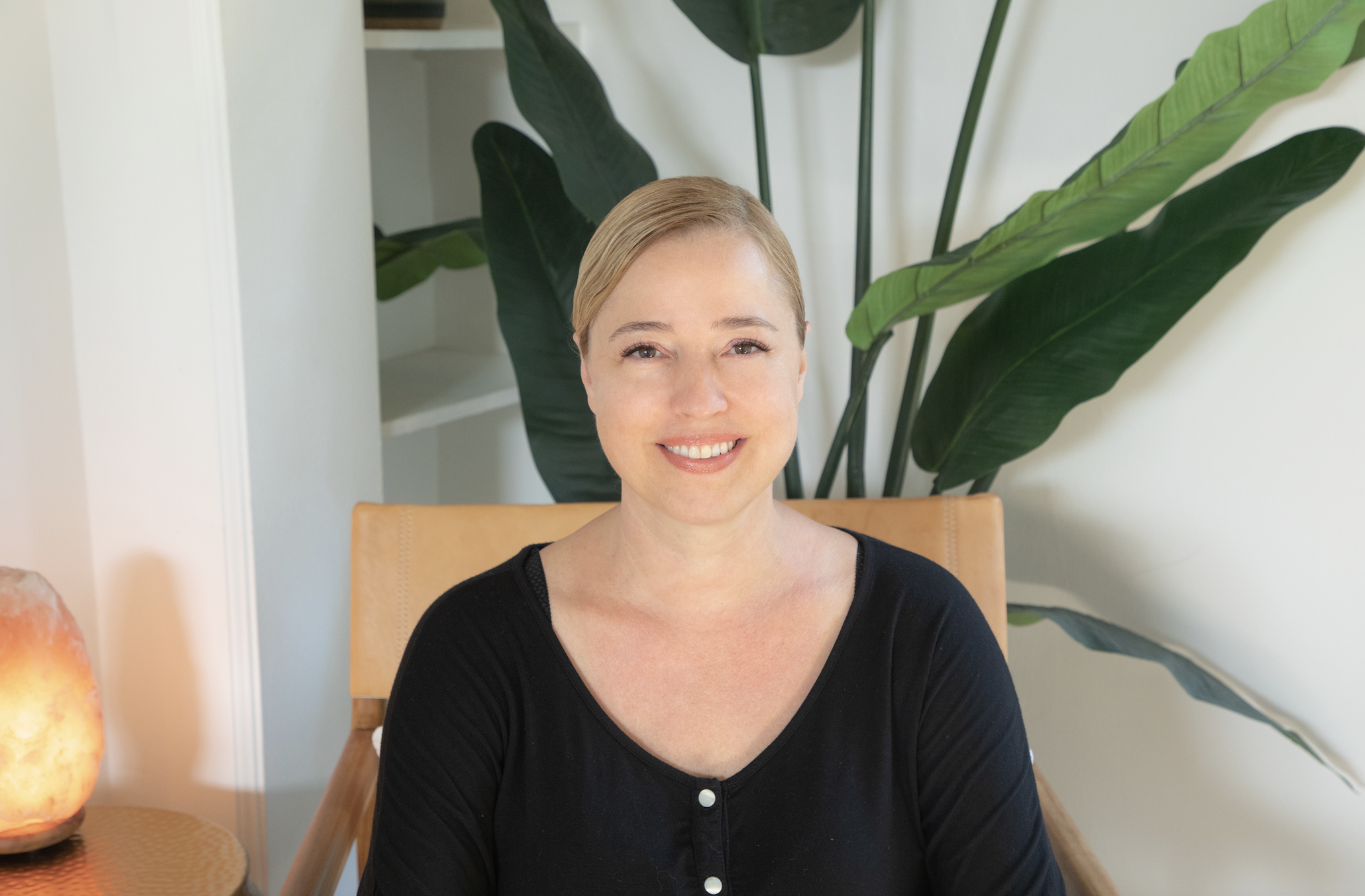
Co-host | When Trina Renea became an esthetician she realized the key to success was lifelong learning - a goal that sets her apart from most skin care practitioners.
For over 30 years, she’s explored the fields of cosmetic chemistry, medical esthetics, dermatology, and plastic surgery, becoming an expert in a wide expanse of professional skin care brands, equipment, and treatments. She is a member of the Society of Cosmetic Chemists with three certifications in cosmetic sciences from UCLA and continues to attend spa, medical, esthetic, and scientific conferences worldwide.
Now considered a skin master due to her broad expertise, Trina is a consultant to the Southern California beauty industry and medical esthetic community, selecting and training staff, developing treatments, guiding product selection, and helping professionals best serve their clients.
In 2004, she founded the Facial Bungalow, a clinical spa offering advanced skin care technologies where she continues to work one-on-one with clients to this day. In 2008 she created Trina Renea Skincare.
Is Prescription Acne Treatment Now OTC?