Clean Beauty Under the Microscope: FDA Regulation, Fragrance Safety, and the Truth About Preservatives (Part 2)

Clean vs Green Beauty: Understanding the Difference, Definitions & What Labels Really Mean (Part 2)
May 24, 2022 Episode Release Date
Decoding the Clean Beauty Conversation
Few terms in skincare generate as much discussion—and confusion—as “clean beauty.”
For some, it represents safer products. For others, it signals environmental responsibility. Yet within dermatology, cosmetic chemistry, and professional esthetics, the term often raises an important question: what does “clean” actually mean in skincare formulation and regulation?
In this episode of the Facially Conscious podcast, our interdisciplinary panel explores the topic from multiple perspectives. Master esthetician Trina Renea, dermatologist Dr. Vicki Rapaport, cosmetic scientist and regulatory expert Rebecca Gadberry, and educated consumer Julie Falls unpack the science, regulatory realities, and ingredient debates shaping the clean beauty conversation.
Their discussion moves beyond marketing claims to explore how cosmetics are regulated, how fragrance labeling works, what sustainability really requires, and why preservatives remain essential in skincare formulations.
Understanding Cosmetic Regulation in the United States
Why Are Cosmetics Regulated Differently Than Drugs?
One of the first questions raised in the episode is a common one among both professionals and consumers: Why doesn’t the FDA regulate cosmetics more strictly?
Rebecca Gadberry provides historical context for how cosmetic regulation in the United States developed. Unlike pharmaceuticals, cosmetics are regulated under a framework established in the 1930s Federal Food, Drug, and Cosmetic Act.
Under this framework, the FDA focuses primarily on two key mandates:
- Products cannot be adulterated (meaning harmful or contaminated)
- Products cannot make misleading claims
This means cosmetics do not require the same pre-market approval as drugs. Instead, safety responsibility largely rests with manufacturers.
What Does “Harm” Mean in Cosmetic Regulation?
The conversation also highlights how regulatory definitions of harm influence ingredient discussions. What constitutes damage or safety concerns in cosmetics is often tied to evidence of actual harm, not hypothetical risk.
Through historical examples of problematic products, the panel illustrates how regulation has evolved—and why updating cosmetic legislation remains complex.
Fragrance in Skincare: More Complex Than It Appears
Why Is Fragrance Labeling So Broad?
Fragrance is one of the most commonly misunderstood components of skincare products.
Rebecca Gadberry explains that the term “fragrance” on an ingredient label can represent thousands of potential compounds. In fact, there are more than 6,000 fragrance ingredients used across cosmetic formulations.
To protect proprietary formulas, regulatory frameworks often allow these compounds to be grouped under a single label designation.
Fragrance Allergies and Skin Reactions
From a dermatology perspective, Dr. Vicki Rapaport shares a memorable clinical example involving phytophotodermatitis, a reaction that occurs when certain plant compounds—like lime juice—interact with sunlight.
This story illustrates an important takeaway:
- Not all skin reactions come from synthetic chemicals
- Natural ingredients can trigger powerful reactions as well
Understanding how fragrance compounds and plant extracts interact with the skin is part of responsible ingredient education for both professionals and consumers.
Green Beauty and the Reality of Sustainability
What Does “Sustainable Beauty” Actually Mean?
Sustainability is another term frequently linked with clean beauty, but the panel emphasizes that true sustainability is far more complex than a label suggests.
Rebecca Gadberry explores the broader considerations behind sustainable ingredients, including:
- agricultural sourcing
- environmental impact
- biodiversity protection
- manufacturing practices
One widely discussed example is palm oil, an ingredient associated with both functional benefits in formulation and environmental concerns tied to deforestation.
Environmental Responsibility vs. Practical Use
Dr. Rapaport shares a personal anecdote involving a green deodorant packaged in environmentally conscious materials. While the intention was admirable, the packaging proved difficult to use.
This moment highlights a practical reality of product development:
sustainability often involves trade-offs between environmental responsibility, functionality, and consumer expectations.
Preservatives and Parabens: Separating Fear From Function
Why Preservatives Are Essential in Skincare
Preservatives are one of the most debated topics in clean beauty discussions.
Julie Falls raises a common consumer concern: Are preservatives in skincare harmful?
Rebecca Gadberry explains that preservatives serve a critical function: they prevent microbial contamination, protecting products from bacteria, mold, and yeast growth.
Without effective preservatives, many skincare products would become unsafe long before their expiration dates.
The Paraben Debate
Parabens have become a focal point of ingredient fear within the clean beauty movement. However, the panel discusses how much of the concern stems from misinterpretation of early studies and simplified messaging in marketing campaigns.
Important context includes:
- parabens have been widely studied in cosmetic science
- they are effective, stable preservatives
- regulatory agencies worldwide continue to evaluate their safety
Rather than focusing on single “good” or “bad” ingredients, the panel encourages listeners to understand how formulation, concentration, and context determine ingredient safety.
Key Takeaways From the Conversation
The clean beauty discussion often becomes polarized, but the panel emphasizes a more balanced perspective rooted in education.
Important insights from this episode include:
- “Clean beauty” has no universal regulatory definition
- Cosmetic safety involves formulation, concentration, and usage, not just ingredient lists
- Fragrance labeling reflects both safety considerations and proprietary protections
- Sustainability claims require complex supply chain evaluation
- Preservatives remain essential for product safety
Ultimately, informed skincare decisions benefit from scientific understanding, clinical experience, and practical formulation knowledge.
Have a question? Send us an email at info@faciallyconscious.co
LIKE, FOLLOW & REVIEW US ON INSTAGRAM, & WHERE YOU LISTEN TO PODCASTS!
Visit our website www.faciallyconscious.com
Linktree | Facially Conscious
Join our new Patreon and Substack for more content from Facially Conscious
Follow Our Hosts On Instagram
Trina Renea - Medically-trained master esthetician and celebrities’ secret weapon
Linktree | Trina Renea, @trinareneaskincare, trinarenea.com and Substack
Julie Falls- Our educated consumer is here to represent you! @juliefdotcom
Dr. Vicki Rapaport -Board Certified dermatologist with practices in Beverly Hills and Culver City @rapaportdermatology and https://www.rapdermbh.com/
The Skin Master
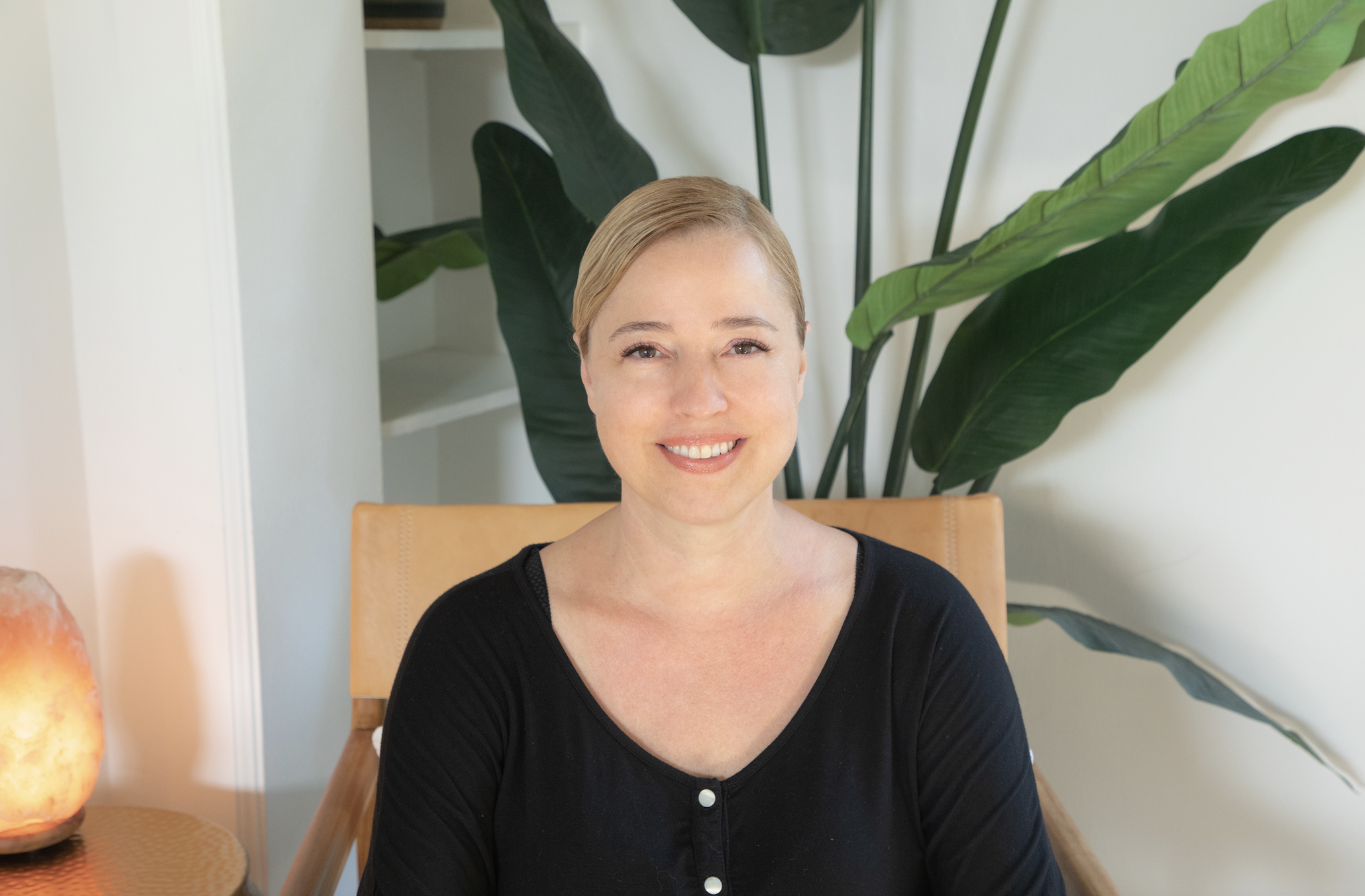
Co-host | When Trina Renea became an esthetician she realized the key to success was lifelong learning - a goal that sets her apart from most skin care practitioners.
For over 30 years, she’s explored the fields of cosmetic chemistry, medical esthetics, dermatology, and plastic surgery, becoming an expert in a wide expanse of professional skin care brands, equipment, and treatments. She is a member of the Society of Cosmetic Chemists with three certifications in cosmetic sciences from UCLA and continues to attend spa, medical, esthetic, and scientific conferences worldwide.
Now considered a skin master due to her broad expertise, Trina is a consultant to the Southern California beauty industry and medical esthetic community, selecting and training staff, developing treatments, guiding product selection, and helping professionals best serve their clients.
In 2004, she founded the Facial Bungalow, a clinical spa offering advanced skin care technologies where she continues to work one-on-one with clients to this day. In 2008 she created Trina Renea Skincare.
What Happens to Your Face on GLP-1s? A Dermatologist and an Esthetician on "Ozempic Face"