
Do You Really Need Sunscreen Every Day? Answering the Questions People Actually Ask
Part 2 of our sunscreen series, Sunscreen & Sun Safety Explained: SPF Myths, Daily Use, and Skin Health (Part 2) picks up with the questions that come up again and again — in the treatment room, in DMs, and around the dinner table. Dr. Vicki Rapaport, Trina Renea, Julie Falls, and Rebecca Gadberry tackled them one by one.
"I Have Darker Skin — Do I Still Need Sunscreen?"
Trina opened with a question she hears constantly from clients: does melanin already provide enough protection? Rebecca's answer was clear. Melanin does offer some natural sun protection, but it caps out at roughly SPF 15 in the darkest skin tones, and significantly less — around SPF 4 to 8 — in lighter but still pigmented skin. "Sunscreen is really important for people of color," Rebecca said, noting that unprotected sun exposure can lead to hyperpigmentation or blotchy, uneven tone after the skin peels.
The Tanning and Vitamin D Myths
Trina named the thing most people feel but rarely say out loud: tanned skin often looks and feels better to us culturally. Dr. Vicki's response was direct — there is no such thing as a safe tan, because tanning is, by definition, a sign of DNA damage in skin cells. On vitamin D, she cited the American Academy of Dermatology's position that no amount of daily sun exposure is a safe or reliable way to get vitamin D, especially when weighed against the risk of skin cancer. Food and supplements are the recommended route instead.
The SPF Math No One Explains
Rebecca walked through why SPF numbers don't add up the way people assume — an SPF 15 foundation layered under a separate sunscreen doesn't create a higher combined number, and most people apply far less product than what's required to actually achieve the SPF listed on the bottle. This is part of why the hosts recommend using a dedicated, well-applied sunscreen rather than relying on SPF folded into makeup or moisturizer.
Clothing: The Most Underrated Sunscreen
Dr. Vicki circled back to a theme from Part 1 — clothing is close to 100 percent effective sun protection, and it doesn't require reapplication. Between swim shirts for kids, UPF fabrics, and simply tinting car windows, the hosts made the case that sunscreen works best as one part of a layered approach, not the only line of defense.
Listen to the full episode → Listen to the Episode
Join the Facially Conscious Substack for extended content and deeper dives → Facially Conscious Substack
Read Trina's personal take on this episode, as the esthetician in the room → Trina's Substack
The Skin Master
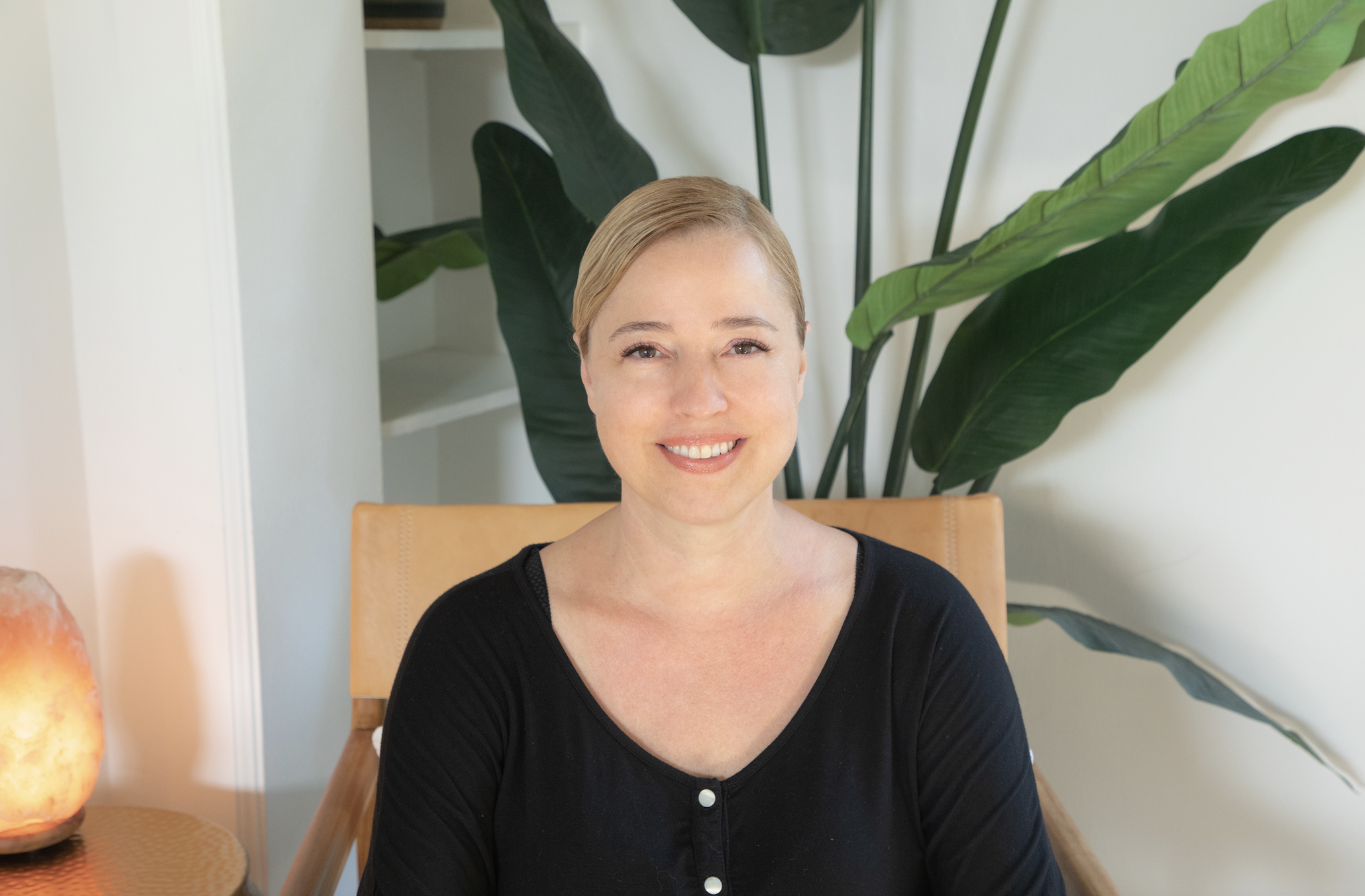
Co-host | When Trina Renea became an esthetician she realized the key to success was lifelong learning - a goal that sets her apart from most skin care practitioners.
For over 30 years, she’s explored the fields of cosmetic chemistry, medical esthetics, dermatology, and plastic surgery, becoming an expert in a wide expanse of professional skin care brands, equipment, and treatments. She is a member of the Society of Cosmetic Chemists with three certifications in cosmetic sciences from UCLA and continues to attend spa, medical, esthetic, and scientific conferences worldwide.
Now considered a skin master due to her broad expertise, Trina is a consultant to the Southern California beauty industry and medical esthetic community, selecting and training staff, developing treatments, guiding product selection, and helping professionals best serve their clients.
In 2004, she founded the Facial Bungalow, a clinical spa offering advanced skin care technologies where she continues to work one-on-one with clients to this day. In 2008 she created Trina Renea Skincare.
New FDA Sunscreen Guidelines, Skin Cancer Facts, and What SPF Numbers Actually Mean


