Evidence-Based Skincare Dos and Don’ts: A Professional Guide to Smarter Skin Decisions

Why Skincare Feels So Confusing Right Now
Skincare has never been more accessible—or more overwhelming. Between viral trends, conflicting professional opinions, and constant product launches, many people are left wondering: what actually works for healthy skin?
This tension between trending advice and evidence-based skincare is exactly what we explore in this Facially Conscious episode. Drawing from both clinical and esthetic experience, our hosts unpack what truly matters—and what may be doing more harm than good.
If you’ve been questioning your routine, simplifying your approach, or trying to filter through noise, this conversation offers grounded, professional clarity.
What Actually Matters in Skincare (According to Experts)
1. Not Every “Natural” or Trending Ingredient Is Effective
One of the most widely discussed trends right now is the use of castor oil for everything from lash growth to skin health.
What the Evidence Suggests:
- Hydration support: Castor oil can act as an occlusive, helping seal in moisture.
- Lash and brow growth claims: There is no strong clinical evidence that castor oil stimulates hair growth.
- Appearance vs. biology: Its thickness may make hair look fuller or darker—but that’s cosmetic, not regenerative.
- Eye safety concerns: Applying oils near the eyes may increase risk of irritation or sensitivity.
Takeaway:
Castor oil is not harmful when used appropriately, but it is often overstated in its benefits. It can support hydration—not transformation.
2. Product Expiration Is a Skin Health Issue, Not Just a Label
One of the most overlooked skincare practices is understanding product shelf life.
Why Expired Skincare Matters:
- Preservative breakdown can allow bacterial growth
- Active ingredients degrade, reducing effectiveness (e.g., vitamin C, retinol)
- Increased risk of irritation, inflammation, and breakouts
Practical Guidance:
- Follow the PAO (Period After Opening) symbol (e.g., 6M, 12M, 18M)
- Label products with the date you open them
- Be cautious with products stored in warm, humid environments
Takeaway:
Using expired skincare doesn’t just reduce results—it can actively compromise skin integrity.
3. Social Media Trends Are Not a Substitute for Professional Guidance
The rise of skincare content on platforms like TikTok and Instagram has changed how people learn about skincare—but not always for the better.
Common Concerns:
- Overcomplicated routines driven by aesthetics rather than function
- Early use of active ingredients (e.g., retinoids in young skin)
- Marketing-first formulations prioritizing packaging over efficacy
- Misinformation spreading quickly without clinical context
A More Grounded Approach:
- For children and teens: Focus on sunscreen and gentle care
- For adults: Build a routine based on skin needs—not trends
- For professionals: Emphasize patient education over product promotion
Takeaway:
Skincare should be intentional, not reactive. Trends can inform curiosity—but should not dictate routines.
A Simpler, Smarter Skincare Framework
Instead of chasing every new product or trend, consider a more sustainable approach:
Core Principles:
- Prioritize skin barrier health
- Use fewer, well-formulated products
- Understand the purpose of each ingredient
- Adjust based on skin response—not marketing claims
What to Avoid:
- Over-layering active ingredients
- Holding onto expired products
- Assuming “viral” equals effective
- Using products without understanding their function
Key Takeaways from This Episode
- Hydrating ingredients like oils have a place—but are often misunderstood
- Product expiration directly impacts skin health and results
- Social media trends can distort what is necessary or appropriate
- A simple, consistent routine is often more effective than a complex one
Continuing the Conversation
This discussion is part of a broader conversation about how skincare is evolving—and how both medical and esthetic professionals can work together to provide clearer, more responsible guidance.
If you’re looking for thoughtful, interdisciplinary perspectives on skincare—grounded in both clinical understanding and real-world practice—this episode goes deeper into the nuances behind these insights.
Listen to the full episode of Facially Conscious to explore the conversation in more depth, and follow along for future discussions that bring clarity back to skincare.
Have a question? Send us an email at info@faciallyconscious.co
LIKE, FOLLOW & REVIEW US ON INSTAGRAM, & WHERE YOU LISTEN TO PODCASTS!
Visit our website www.faciallyconscious.com
Linktree | Facially Conscious
Join our new Patreon and Substack for more content from Facially Conscious
Follow Our Hosts On Instagram
Trina Renea - Medically-trained master esthetician and celebrities’ secret weapon
Linktree | Trina Renea, @trinareneaskincare, trinarenea.com and Substack
Julie Falls- Our educated consumer is here to represent you! @juliefdotcom
Dr. Vicki Rapaport -Board Certified dermatologist with practices in Beverly Hills and Culver City @rapaportdermatology and https://www.rapdermbh.com/
The Skin Master
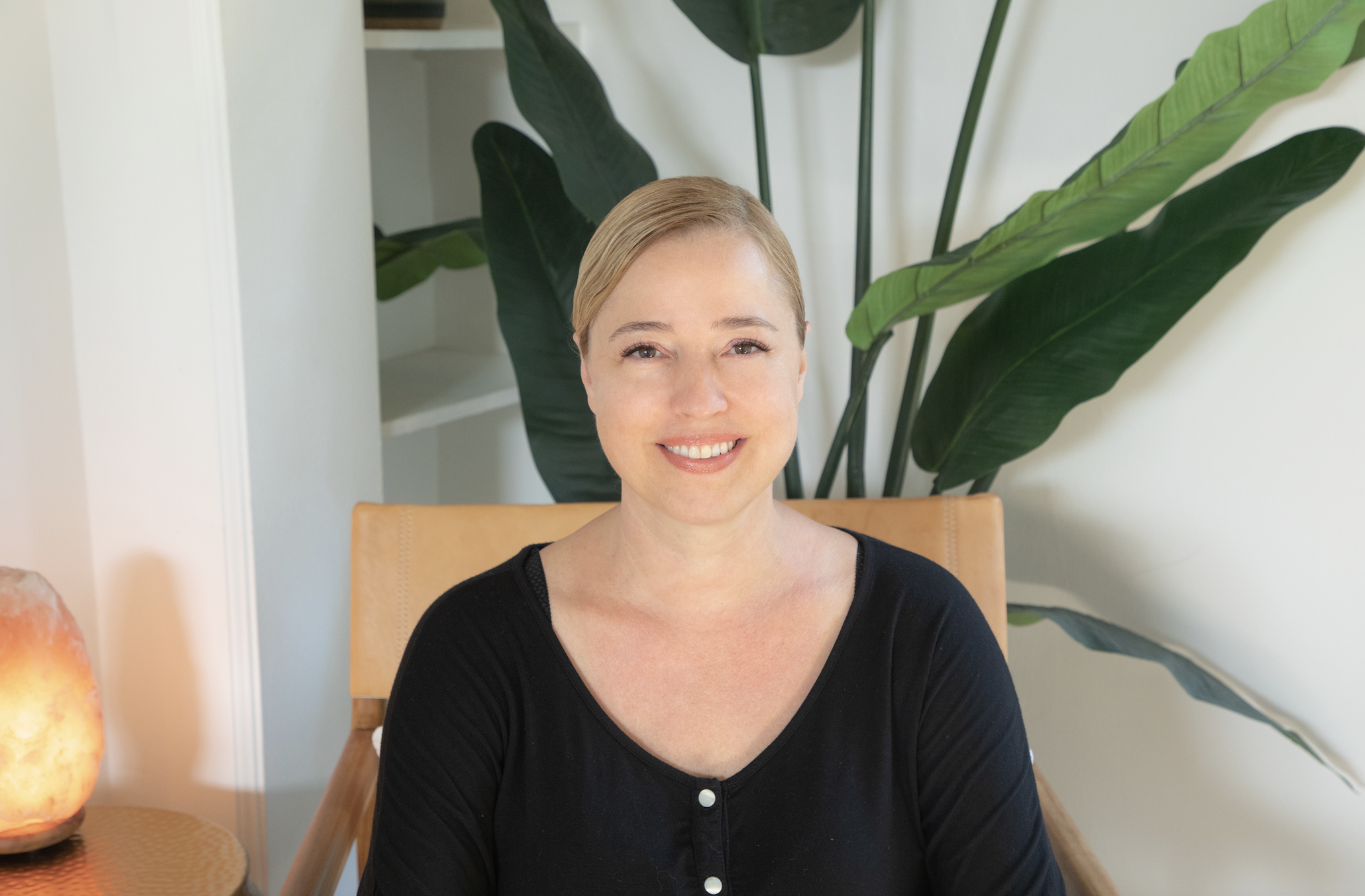
Co-host | When Trina Renea became an esthetician she realized the key to success was lifelong learning - a goal that sets her apart from most skin care practitioners.
For over 30 years, she’s explored the fields of cosmetic chemistry, medical esthetics, dermatology, and plastic surgery, becoming an expert in a wide expanse of professional skin care brands, equipment, and treatments. She is a member of the Society of Cosmetic Chemists with three certifications in cosmetic sciences from UCLA and continues to attend spa, medical, esthetic, and scientific conferences worldwide.
Now considered a skin master due to her broad expertise, Trina is a consultant to the Southern California beauty industry and medical esthetic community, selecting and training staff, developing treatments, guiding product selection, and helping professionals best serve their clients.
In 2004, she founded the Facial Bungalow, a clinical spa offering advanced skin care technologies where she continues to work one-on-one with clients to this day. In 2008 she created Trina Renea Skincare.
A New Sunscreen Ingredient Is Coming. Is It Actually Better?